
Karnataka: Chikmagalur Coffee Estate Tour
Highlights
- Explore one of India's most famous coffee-growing regions.
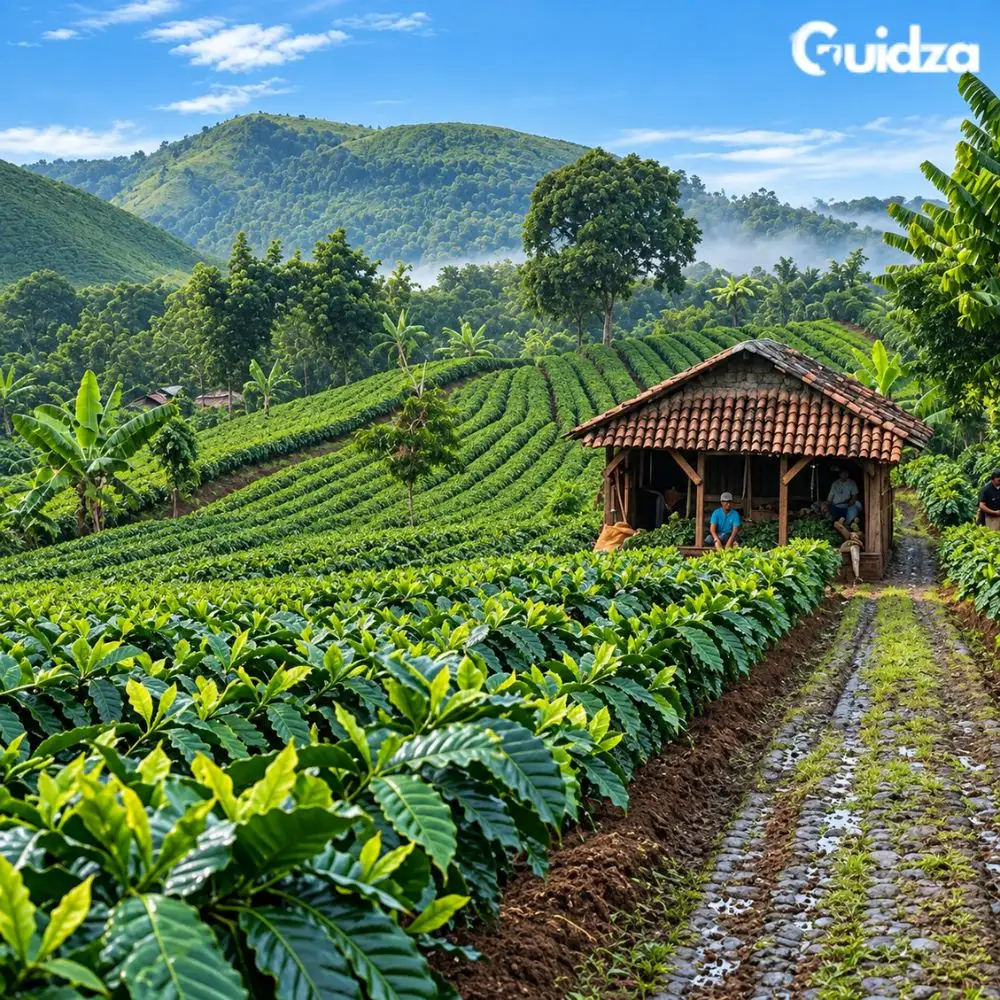
- Walk through lush coffee and spice plantations.
- Learn the complete bean-to-cup coffee journey.
- Experience authentic coffee tasting sessions.
- Discover the history of coffee cultivation in India.
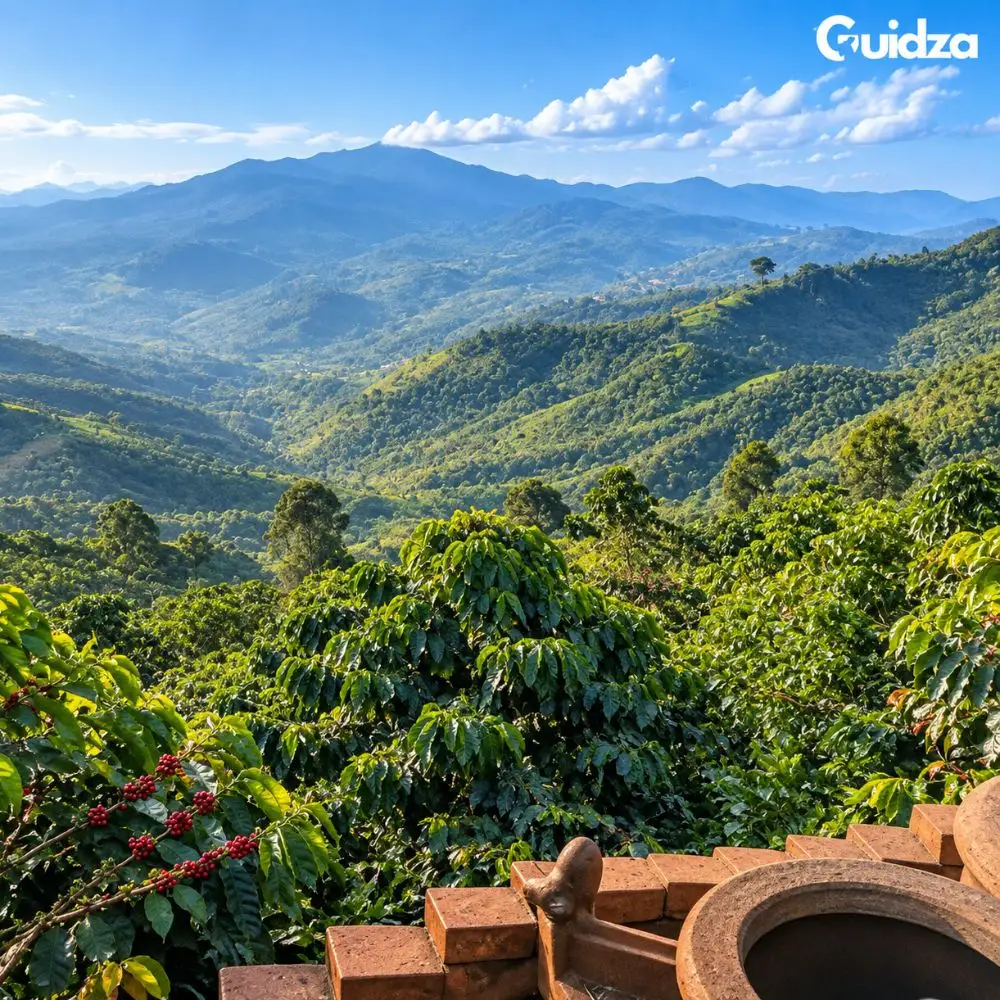
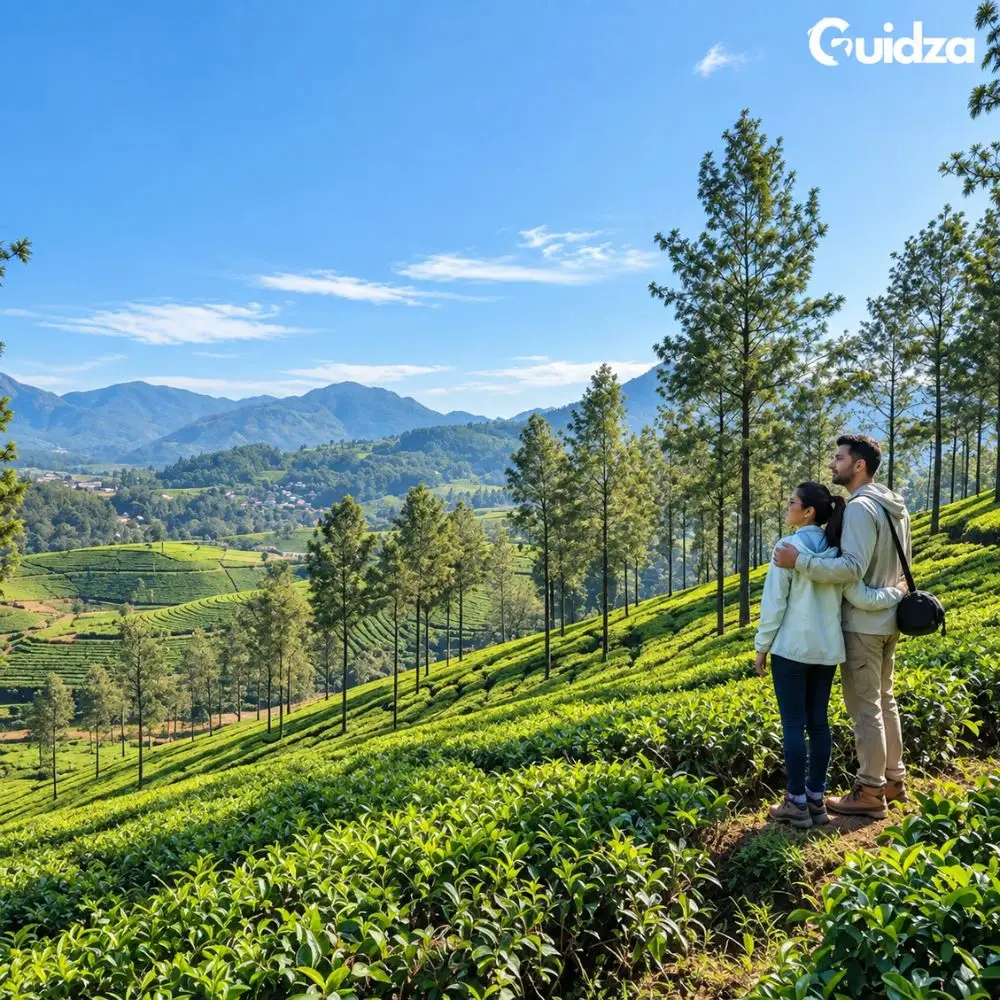
- Enjoy breathtaking views of the Western Ghats.
- Interact with plantation experts and local growers.
- Excellent opportunity for nature and plantation photography.
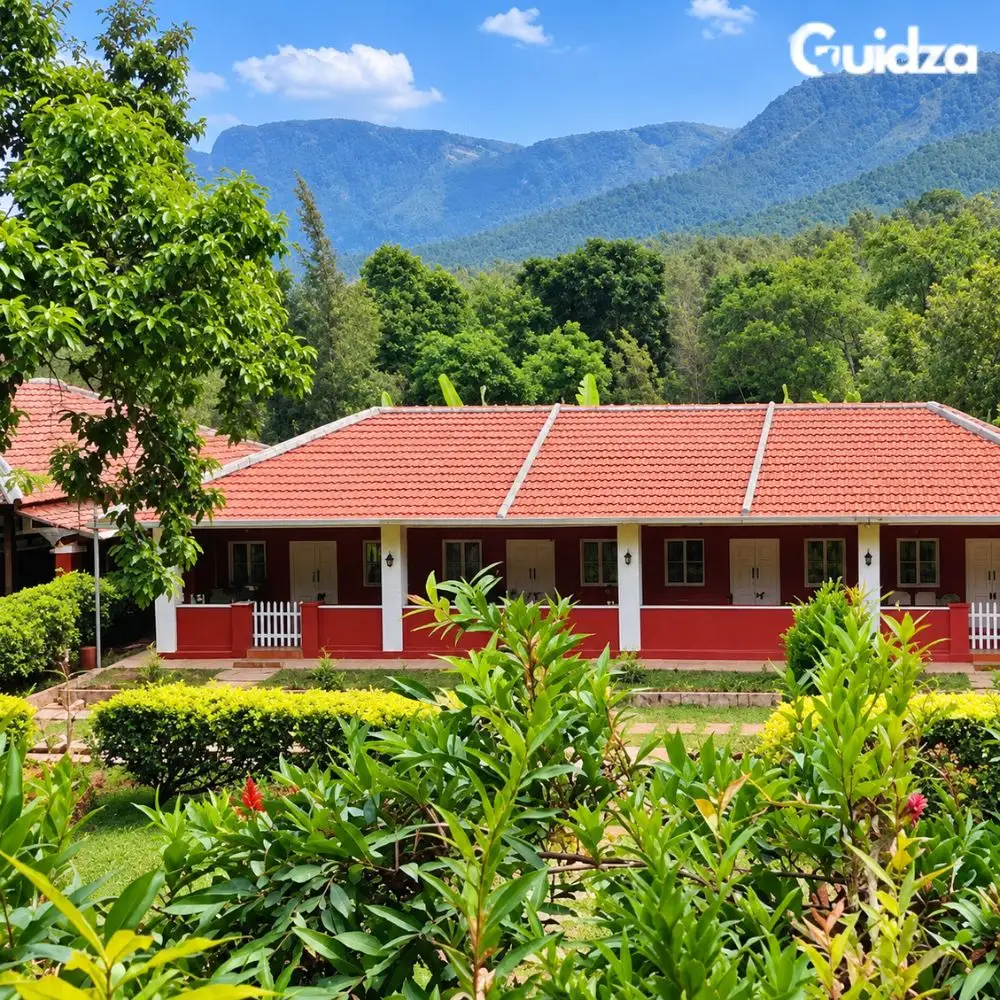
- Experience the peaceful countryside of Karnataka's Malnad region.
- Learn about sustainable farming practices and plantation management.
Main Points
Other Points
Meeting Point: Chikkamagaluru
Not Suitable For
- Visitors with severe mobility limitations, as plantation trails may include uneven ground, slopes, and natural pathways.
- Wheelchair users if the selected estate does not provide accessible routes.
- Individuals who have difficulty walking for extended periods.
- Guests expecting luxury resort-style experiences rather than an agricultural and educational tour.
- Travelers seeking high-adrenaline adventure activities.
- Individuals with severe allergies to pollen, plants, or insects commonly found in plantation environments.
- Visitors uncomfortable with outdoor conditions such as humidity, rain, mud, or natural terrain.
- People highly sensitive to insects, dust, or agricultural environments.
- Travelers looking for extensive shopping, nightlife, or urban attractions.
- Individuals with little interest in coffee, agriculture, nature, or plantation culture.
Important Notes
- Chikmagalur is known as the birthplace of coffee cultivation in India and is home to some of the country's oldest coffee estates.
- The tour involves walking through active coffee plantations and agricultural areas.
- Comfortable walking shoes and light outdoor clothing are recommended.
- Weather in Chikmagalur can change quickly; carrying a light jacket or raincoat is advisable.
- Plantation paths may be uneven, muddy, or slippery, especially during the monsoon season.
- Coffee harvesting season generally occurs between November and February, offering visitors the opportunity to observe harvesting activities.
- Coffee processing demonstrations are subject to estate operations and seasonal schedules.
- Some plantation areas may contain insects, bees, butterflies, and other natural wildlife.
- Photography is generally permitted; however, certain processing areas may have restrictions.
- Visitors should remain within designated areas and follow estate guidelines.
- Coffee tasting sessions may vary depending on the estate and seasonal coffee availability.
- Mobile network coverage may be limited in remote plantation areas.
- Carry sunscreen, a hat, and drinking water for daytime visits.
Specialisations
- Coffee Tourism
- Plantation Tourism
- Agri-Tourism
- Cultural Tourism
- Rural Lifestyle & Agricultural Learning
- Coffee Cultivation & Harvesting Education
- Coffee Tasting Sessions
- Agricultural Tourism
- Nature Tourism
- Countryside Experiences
From
₹1,948/pp
Adult x 1
Select a date
Select Time Slot
Select Package