
Vietnam Travel Guide: Best Places to Visit, Things to Do & Travel Tips

Kanika Sharma

Vietnam stretches along the coast of Southeast Asia like a long green ribbon, and no two regions feel quite the same. In the north you get limestone karsts, misty mountains and a thousand-year-old capital. The centre offers lantern-lit towns and long beaches. The south brings river delta life, busy markets and island escapes. This Vietnam travel guide pulls it all together so you can decide where to go, what to do, what to eat and how to organise your days without wasting time on transfers.
By the end, you will know the best places to visit in Vietnam, the experiences worth planning around, a realistic seven-day route, the dishes to look out for, and the practical details that make a trip smoother, whether you are travelling from India or elsewhere.
Best Places to Visit in Vietnam
Vietnam is long and narrow, so it helps to think in three regions: north, centre and south. The destinations below are the ones most first-time visitors build their trips around.
Hanoi
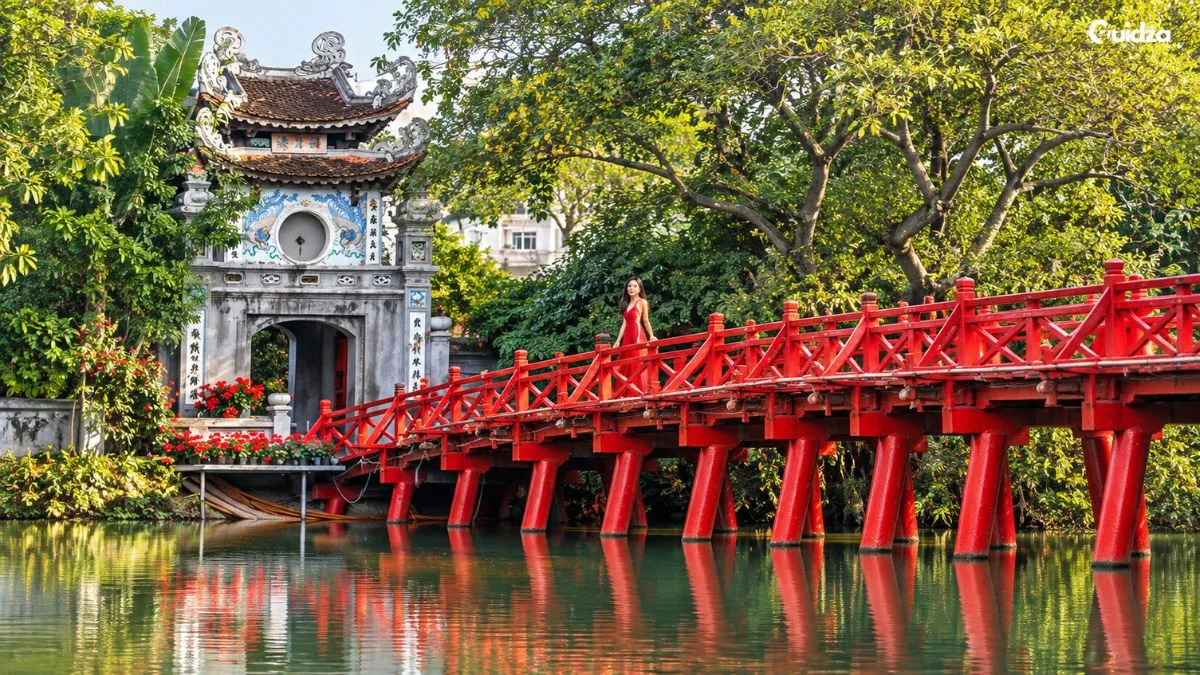
Vietnam's capital is a city of lakes, colonial-era architecture, temples and motorbike-filled lanes. The Old Quarter is the heart of it, with narrow streets once organised by trade. Nearby you can visit the Temple of Literature, Hoan Kiem Lake and the Ho Chi Minh Mausoleum complex (check opening days before you go, as it closes periodically).
Best for: culture lovers, food enthusiasts and first-timers. How long: two nights is a comfortable minimum. When: the cooler, drier months tend to be the most pleasant for walking around.
Ha Long Bay

Ha Long Bay is known for thousands of limestone islands rising out of emerald water. Most visitors explore it by cruise, kayaking between formations and visiting caves and floating villages. Nearby Lan Ha Bay is often described as quieter, with a similar landscape.
Best for: couples, photographers and anyone wanting a scenic break from city sightseeing. How long: an overnight cruise gives a better feel than a rushed day trip. When: visibility and sea conditions vary by season, and storms can disrupt sailings, so keep some flexibility.
Ninh Binh

Often called "Ha Long Bay on land", Ninh Binh combines rice paddies, caves and river channels framed by karst peaks. Tam Coc and Trang An are the best-known boat-ride areas, while Hang Mua offers a viewpoint reached by a stone staircase.
Best for: nature lovers, slow travellers and families who enjoy gentle activities. How long: one night, or a long day trip from Hanoi. When: green paddies look best in the growing season, while golden fields appear closer to harvest.
Sapa
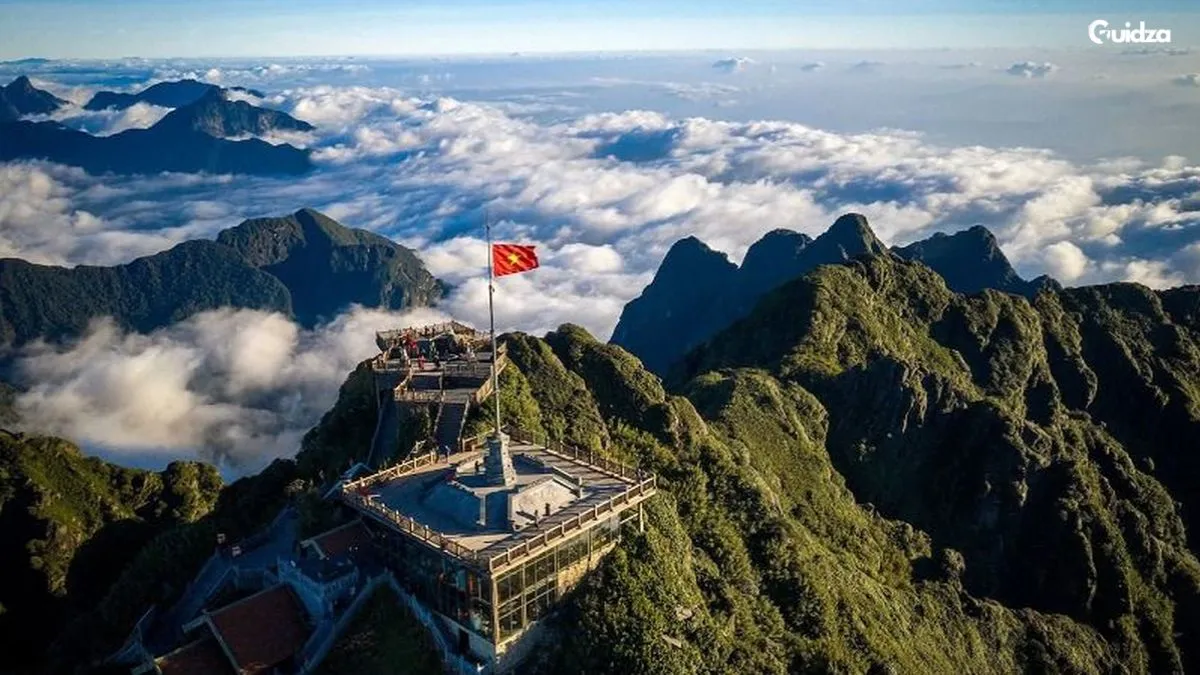
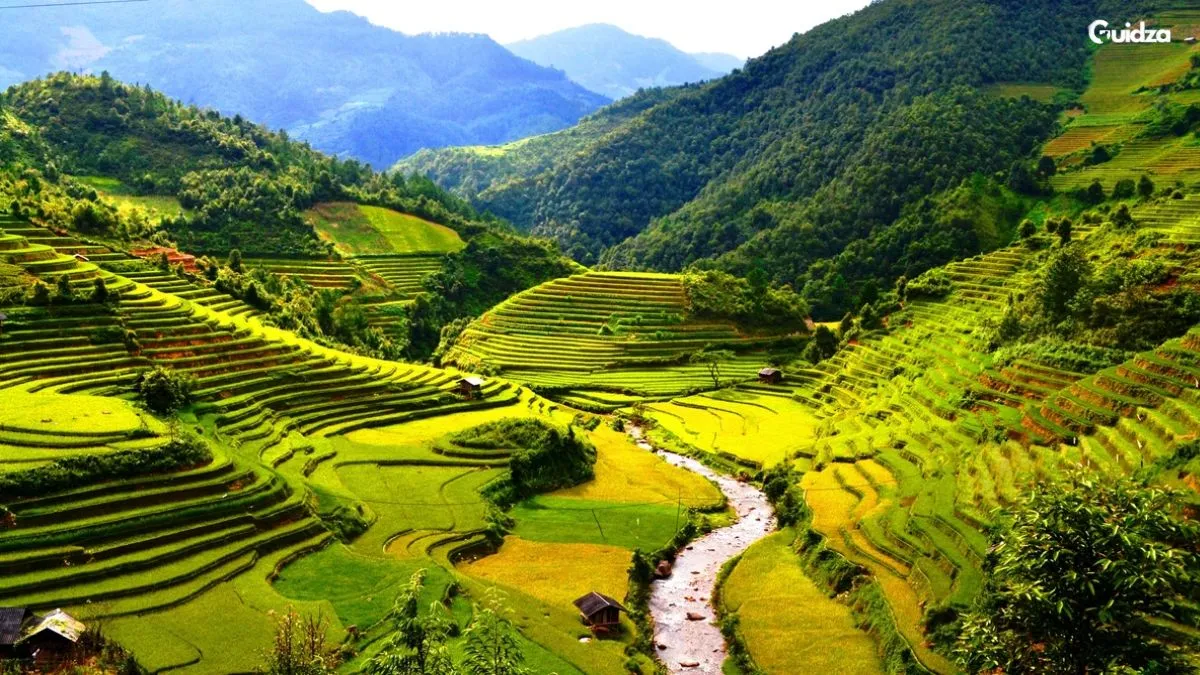
Sapa sits in the northwest highlands, known for terraced hillsides, ethnic minority villages and trekking routes. Fog is common, and views can change quickly through the day.
Best for: trekkers and travellers who enjoy mountain scenery. How long: two to three days, which means it rarely fits into a short seven-day trip alongside other regions. When: terraces change colour through the year, so decide whether you prefer green or golden landscapes.
Da Nang
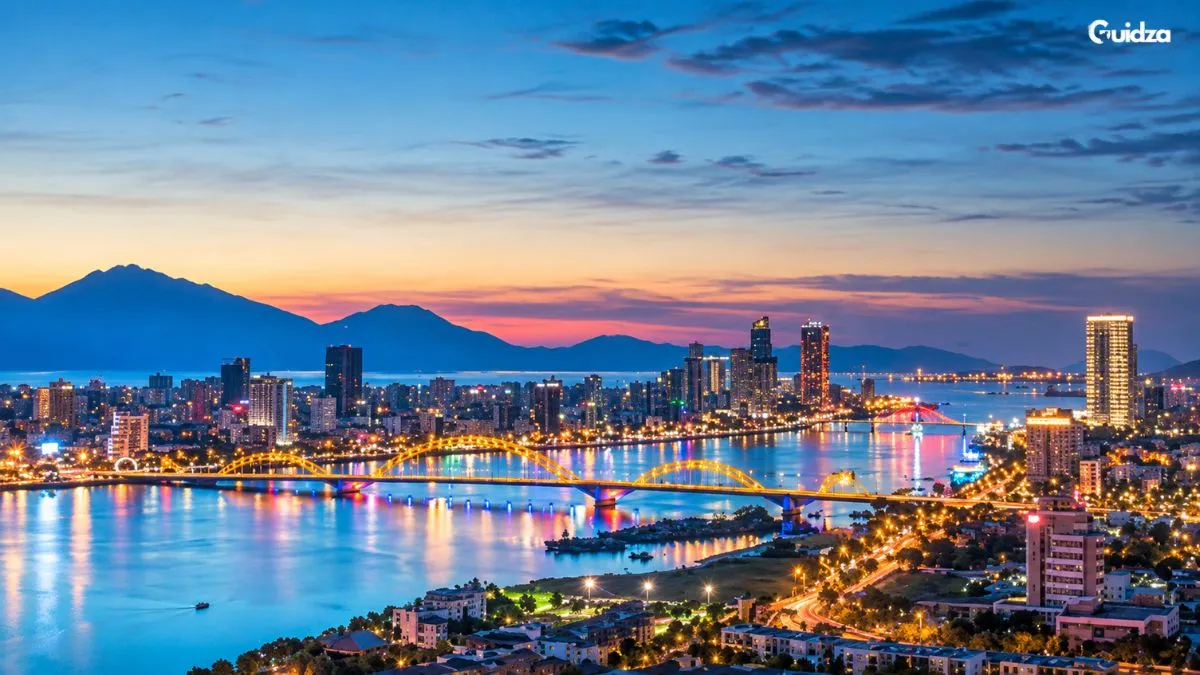
Da Nang is a modern coastal city with a long beach, seafood restaurants and easy access to the Marble Mountains and the Hai Van Pass. It also works as a convenient base for Hoi An and Hue.
Best for: beach time, families and travellers who want city comforts. How long: one to two nights. When: beach weather is generally best in the drier part of the year.
Hoi An
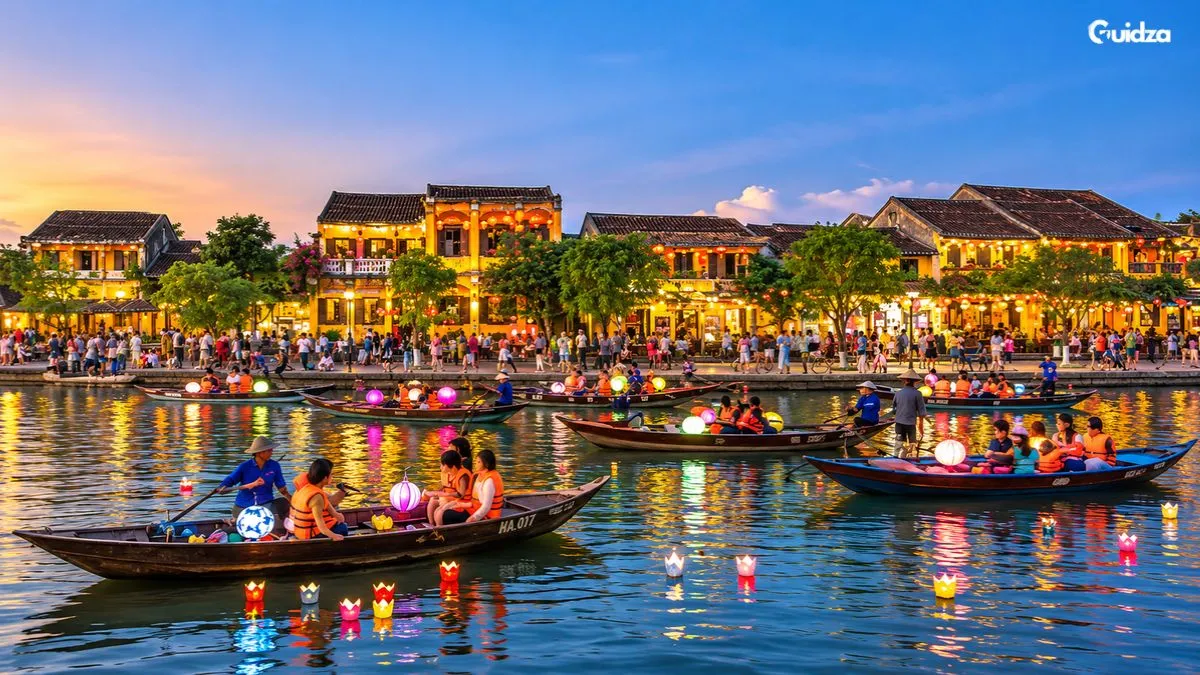
Hoi An's Ancient Town is a UNESCO World Heritage Site with yellow-walled shophouses, tailors, cafés and riverside lanes lit by lanterns after dark. Cooking classes and cycling through nearby villages are popular add-ons.
Best for: couples, food lovers and anyone who enjoys wandering without a strict plan. How long: two nights. When: the central coast can see heavy rain and flooding in the wetter months, so check conditions before booking.
Ho Chi Minh City
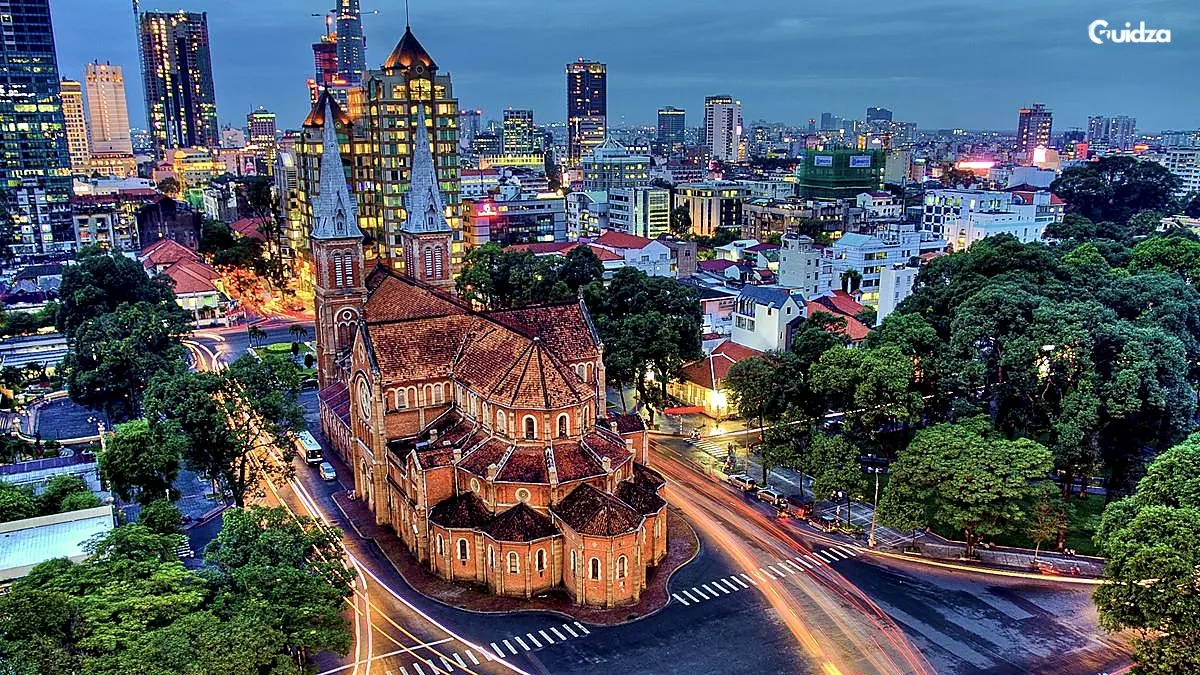
Formerly Saigon, Ho Chi Minh City is Vietnam's largest city, fast, humid and full of energy. Highlights include the War Remnants Museum, Ben Thanh Market, colonial landmarks and a lively café and street-food scene. It is also the usual launch point for Mekong Delta trips.
Best for: history buffs, foodies and nightlife seekers. How long: two to three nights, with an extra day or two if you add the Mekong Delta.
Phu Quoc Island
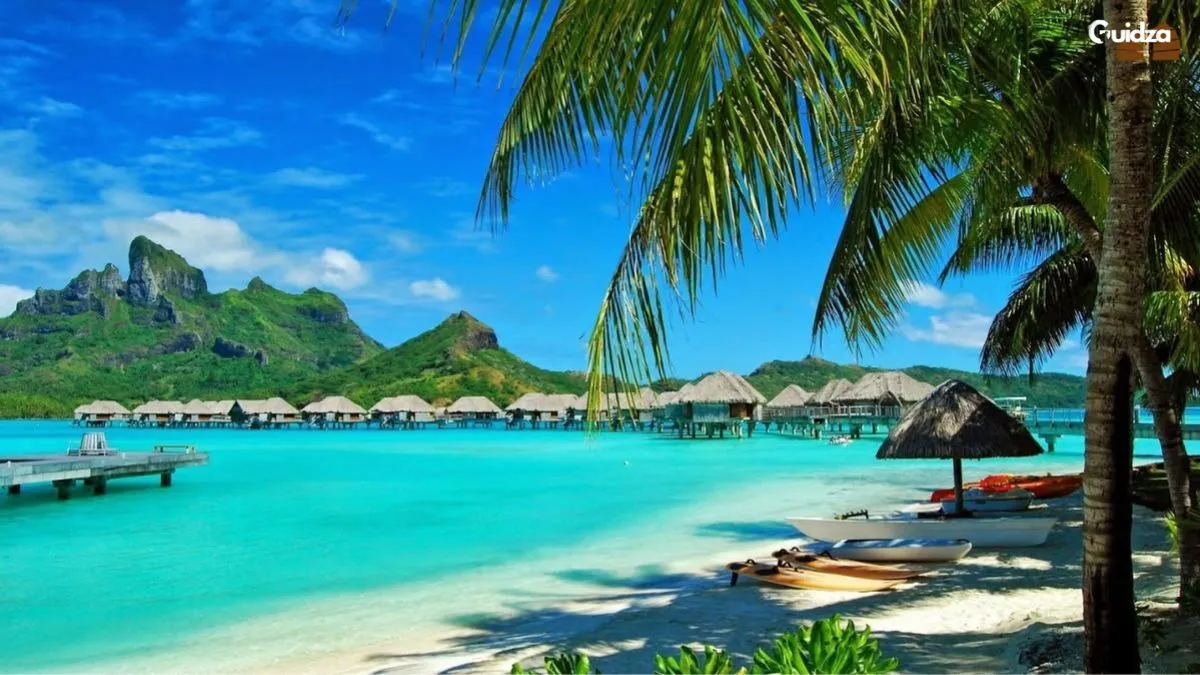
Phu Quoc is Vietnam's best-known island getaway, with beaches, seafood, snorkelling and resorts. It is easy to add at the end of a southern route, and it suits travellers who want to rest after sightseeing.
Best for: honeymooners, families and beach-focused trips. How long: three to four nights. When: sea conditions and rainfall differ from the north and centre, so check the island's own season.
Best Things to Do in Vietnam
These are the experiences that travellers most often remember, along with a few practical notes for each.
Explore Hanoi's Old Quarter
Walk the lanes on foot, stop for coffee, and try street snacks as you go. Mornings are quieter, and evenings are lively. Traffic is constant, so cross roads slowly and steadily rather than stopping or darting.
Take a Cruise around Ha Long Bay
Choose between a day cruise and an overnight stay. Read recent reviews, confirm what is included (meals, kayaking, cave entry), and book through a reputable operator. Standards vary widely.
Enjoy a Boat Ride in Ninh Binh
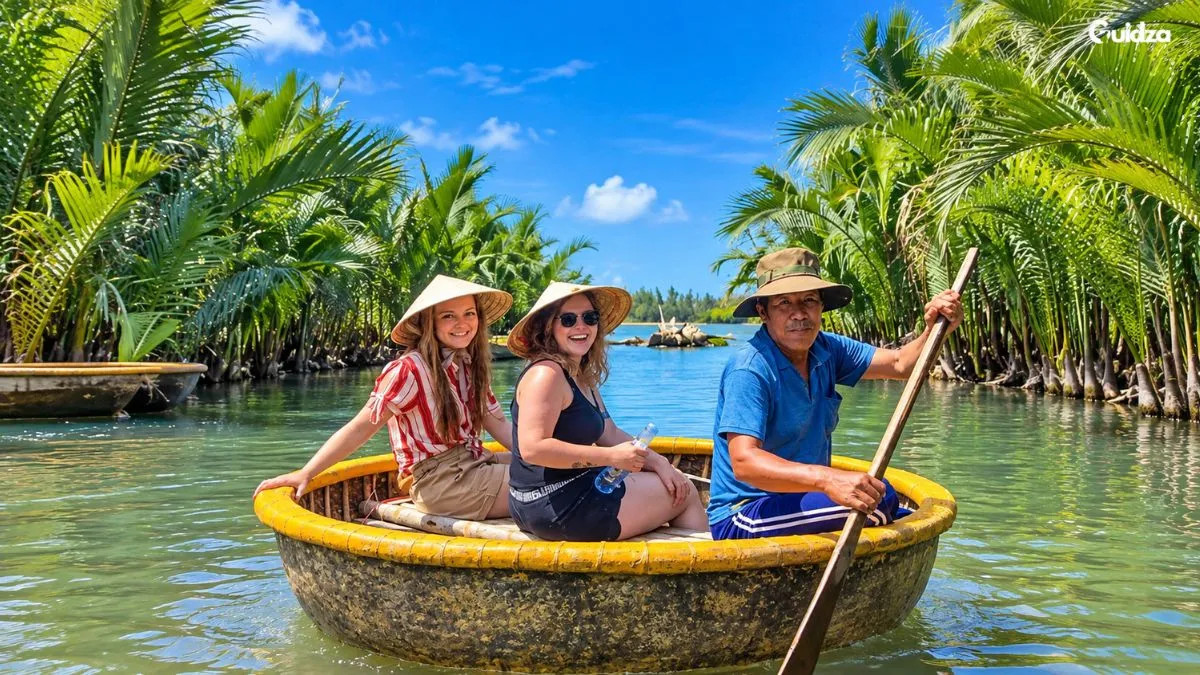
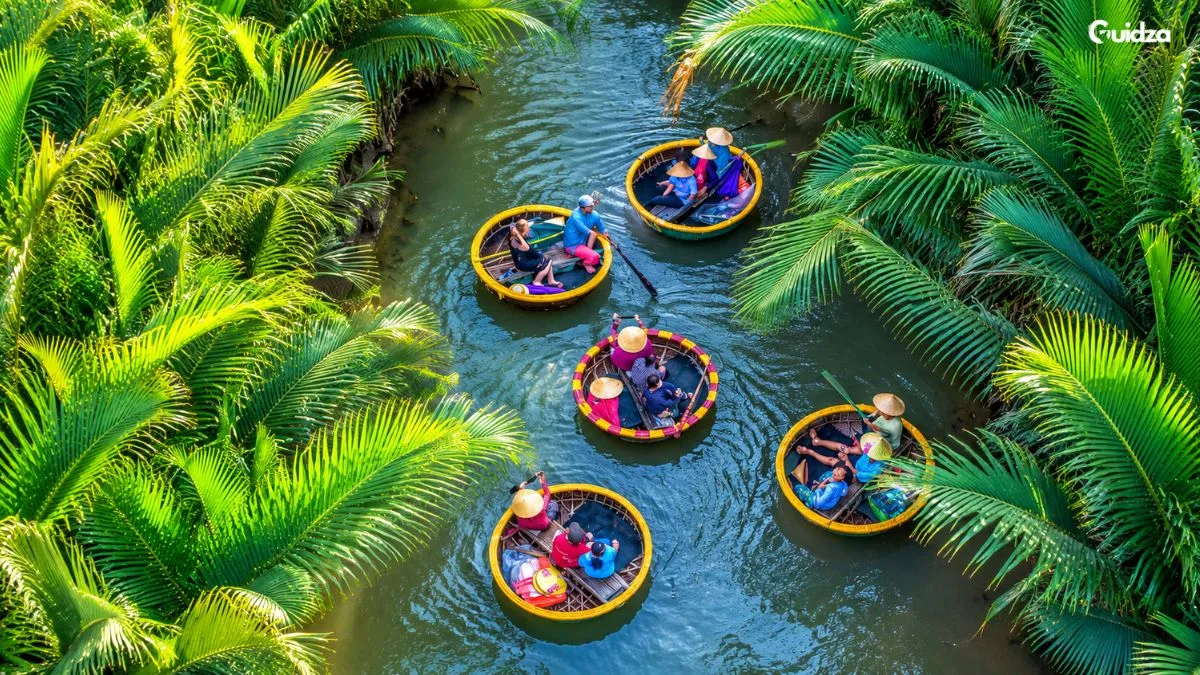
Rowers guide small boats through caves and between karst peaks at Tam Coc and Trang An. Go early to avoid crowds and the midday heat, and carry some small cash for tips.
Wander Hoi An's Ancient Town
Visit in the morning for photos and again after dark for the lanterns. Entry arrangements for the old town have changed over the years, so check the current ticket system locally. If you plan to order tailored clothing, allow a few days and compare shops before committing.
Relax on Da Nang's Beaches
My Khe and nearby beaches are easy to reach from the city. Swim only where conditions are safe and follow lifeguard flags.
Discover Markets and Local Culture
Ben Thanh Market in Ho Chi Minh City, Dong Xuan Market in Hanoi and Hoi An's central market give a window into daily life. Bargain politely, smile, and know roughly what you want to pay before you start.
Explore Mountain Landscapes and Trekking Routes
Sapa and the northern highlands offer the best-known routes. Go with a licensed local guide where possible, wear proper footwear and carry rain protection. Trails can be slippery.
Experience Vietnam's Street-Food Culture
Plastic stools, a bubbling pot and a single dish perfected over decades: that is the typical Vietnamese street-food stop. Pick busy stalls, watch food being cooked fresh, and ask locals for their recommendations.
Vietnam Itinerary for 7 Days
Vietnam is about 1,600 km long, so trying to see the whole country in one week means a lot of time in airports and on buses. A better approach is to choose a region. The route below covers the north and centre, and an alternative southern option follows.
Day-by-Day: North and Central Vietnam
Day 1: Arrive in Hanoi. Check in, then take an easy walk around Hoan Kiem Lake and the Old Quarter. Try bun cha for dinner and finish with egg coffee.
Day 2: Hanoi sightseeing. Visit the Temple of Literature, the Ho Chi Minh Mausoleum area (check opening days) and the Hoa Lo Prison Museum. In the evening, explore the night-market area or catch a water puppet show.
Day 3: Hanoi to Ninh Binh. Travel by road or train (usually around two hours or so, though journey times vary). Take a boat ride at Tam Coc or Trang An, then climb to a viewpoint such as Hang Mua if the weather allows. Stay overnight in the area.
Day 4: Ha Long Bay. Transfer from Ninh Binh or via Hanoi, depending on your cruise operator's pickup points, and join an overnight cruise. Plan this day with your operator, as routes and timings differ.
Day 5: Return to Hanoi and fly to Da Nang. Disembark in the morning, return to Hanoi and take an afternoon or evening flight to Da Nang. Check flight schedules and baggage rules before booking.
Day 6: Hoi An. Spend the morning in the Ancient Town, try cao lau for lunch, and cycle through nearby paddies in the afternoon. Stay for the lantern-lit evening.
Day 7: Da Nang beach and departure. Relax by the beach, visit the Marble Mountains if time allows, then head to the airport for your onward flight.
Alternative: Southern Vietnam in 7 Days
If you would rather avoid long transfers and add beach time, base yourself in the south:
- Days 1-2: Ho Chi Minh City, including the War Remnants Museum, Ben Thanh Market and street-food tours.
- Days 3-4: Mekong Delta, with boat rides, orchards and village visits, as a day trip or an overnight stay.
- Days 5-7: Fly to Phu Quoc for beaches, snorkelling and seafood.
How to Adjust the Itinerary
- Want fewer moving parts? Drop Ha Long Bay or Ninh Binh and spend an extra night in Hanoi or Hoi An.
- Love the outdoors? Replace Da Nang with Sapa, though you will need more time.
- Travelling with children or older relatives? Keep one-night stops to a minimum and prefer direct flights.
- Have more than a week? Add Hue, or connect north and south with a longer central stay.
Seven days works well if you accept a regional focus. It is not enough to see everything, and that is perfectly fine.
Vietnam Local Food You Should Try
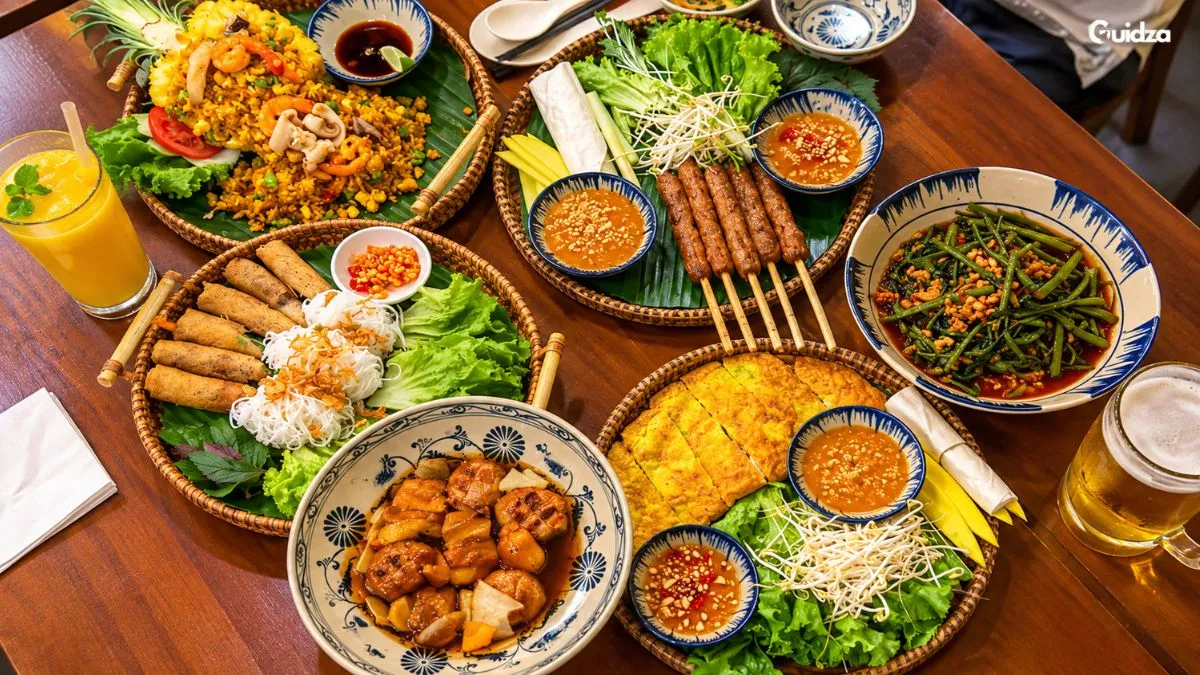
Vietnamese food is fresh, herb-forward and balanced between sweet, sour, salty and spicy. Ingredients and preparation vary by region and even by restaurant, so the same dish may taste different from one city to the next.
Pho. A fragrant noodle soup, usually with beef or chicken, served with herbs and lime. It is originally associated with northern Vietnam and is available almost everywhere, from street stalls to small family restaurants.
Banh Mi. A crusty baguette filled with meats, pickled vegetables, herbs and sauces. Look for it at street carts and bakeries across the country. Hoi An is especially known for its versions.
Bun Cha. Grilled pork patties served with rice noodles, herbs and a sweet-sour dipping broth. This is a Hanoi classic, often eaten at lunch.
Goi Cuon. Fresh spring rolls with shrimp or pork, herbs and rice vermicelli wrapped in rice paper, served with a peanut or fish-based dipping sauce. You will find them in restaurants nationwide. Vegetarian versions are often available if you ask.
Cao Lau. A Hoi An speciality of thick noodles, pork, greens and crunchy toppings, traditionally linked to the town. It is hard to find outside central Vietnam in its authentic form.
Vietnamese Egg Coffee. A rich drink made by whisking egg yolk with sugar and coffee, with Hanoi as its home. Cafés in the Old Quarter serve it hot or cold.
Tip for vegetarians and special diets: Fish sauce and shrimp paste are widely used, so say clearly what you avoid, and carry a translated note if needed.
Best Time to Visit Vietnam
There is no single best time to visit Vietnam, because the country has several distinct climates.
- Northern Vietnam (Hanoi, Ha Long Bay, Ninh Binh, Sapa): Has four seasons. Winters can be cool, and Sapa may feel cold with fog. Summers are hot, humid and rainy. Spring and autumn are generally considered the most comfortable for sightseeing.
- Central Vietnam (Da Nang, Hoi An, Hue): The drier months are usually better for beaches. Heavy rain and storms can occur later in the year, and flooding in Hoi An is possible.
- Southern Vietnam (Ho Chi Minh City, Mekong Delta, Phu Quoc): Tends to be warm all year, with a dry season and a wet season. Rain often arrives in short, heavy afternoon bursts.
Because conditions differ, match your route to the season. For example, you might choose the north and centre when the weather suits them, or head south when rain is heavier in the centre. Always check a current forecast and any storm warnings shortly before travelling.
Essential Vietnam Travel Tips
Currency and Payments
Vietnam uses the Vietnamese dong (VND). Cards are widely accepted in hotels, malls and larger restaurants, but cash is useful at markets, street stalls and small shops. ATMs are common in cities. Check your bank's foreign transaction charges and daily withdrawal limits.
Local Transportation and Domestic Flights
Domestic flights are the practical choice for long distances, such as Hanoi to Da Nang or Ho Chi Minh City to Phu Quoc. Trains are scenic for some routes, and buses and private transfers cover shorter ones. Ride-hailing apps are widely used in major cities. Compare options, since schedules and journey times change.
SIM Cards and Internet
Tourist SIM cards and eSIMs are available at airports and in city shops. Confirm that your phone is unlocked, and carry your passport, as it is often needed for registration. Wi-Fi is common in hotels and cafés.
Clothing and Packing Essentials
Pack light, breathable clothing, a rain jacket, comfortable walking shoes, sun protection and a power adapter. Bring a warm layer if you visit the north in cooler months. Dress modestly, covering shoulders and knees, when visiting temples and pagodas.
Local Customs and Cultural Etiquette
- Remove your shoes where asked, particularly at temples and in homes.
- Dress respectfully at religious sites.
- Ask before photographing people.
- Avoid touching people's heads or pointing with your feet.
- Keep a polite tone when bargaining.
Food Hygiene and Drinking Water
Drink bottled or filtered water and avoid ice if you are unsure of its source. Choose busy stalls with fresh turnover, and carry hand sanitiser. Introduce spicy or unfamiliar food gradually, so your stomach has time to adapt.
Travel Insurance and Personal Safety
Take travel insurance covering medical care, trip delays and baggage. Watch for bag snatching from motorbikes in busy cities, keep valuables out of sight, and use licensed taxis or ride-hailing apps. Be careful when crossing roads and when renting scooters. Check that your licence and insurance cover riding before you do.
Visa and Entry Requirements
Visa and entry rules change, and they depend on your nationality. Check the official Vietnamese government e-visa portal or the nearest Vietnamese embassy or consulate for current requirements, fees, processing times and passport validity rules before you book flights.
Estimated Vietnam Trip Budget
Costs depend heavily on travel style, season and the cities you choose, so rather than quoting numbers that may be out of date, here is how to build your own estimate.
- Accommodation: Ranges from hostels and homestays to boutique hotels and beach resorts. Beach and island destinations and peak seasons cost more.
- Meals: Street food and local restaurants are usually far cheaper than hotel dining or tourist-area restaurants.
- Transportation: Domestic flights, trains, buses, private transfers and local taxis or ride-hailing all add up. Flights between regions are often the biggest item.
- Activities: Ha Long Bay cruises, cooking classes, guided treks and entry tickets vary widely by operator and standard.
- International flights: Usually the largest single cost. Prices change with season and how early you book.
To get a reliable figure, price your flights and first-night hotels, then add a daily spending estimate based on your own style, and keep a buffer for shopping and unplanned costs. Use current prices from official or trusted sources, and note the currency (INR, USD or VND) and assumptions when you calculate your total.
Plan Your Vietnam Adventure
Vietnam rewards curious travellers. You can wander lantern lit streets in Hoi An one day, glide past limestone cliffs in Ninh Binh the next, and finish with a bowl of pho on a tiny plastic stool that you will remember long after you get home. The key is to pick a region that matches your time, season and interests, rather than squeezing in everything.
Ready to go deeper? Explore Guidza's destination guides for Hanoi, Ha Long Bay, Hoi An , Da Nang and Phu Quoc , along with our itineraries and trip-planning resources, to shape the journey that suits you.
Book Your Trip and start planning your Vietnam adventure with Guidza.
Frequently Asked Questions About Vietnam
1. How many days are enough to explore Vietnam?
Ten to fourteen days lets you cover the north, centre and south at a comfortable pace. If you have less time, choose a single region and explore it well instead of trying to see everything.
2. What are the best places to visit in Vietnam for first-time travellers?
Hanoi, Ha Long Bay, Hoi An and Ho Chi Minh City are popular first-trip choices. They combine culture, scenery, food and good tourist infrastructure. Add Ninh Binh, Da Nang or Phu Quoc depending on whether you prefer nature or beaches.
3. What is the best time to visit Vietnam?
It depends on the region. The north is generally comfortable in spring and autumn, the centre is better in its drier months, and the south has distinct dry and wet seasons. Plan your route according to the weather where you are going.
4. Is seven days enough for a Vietnam trip?
Seven days is enough for a rewarding trip if you focus on one region, such as Hanoi, Ninh Binh, Ha Long Bay and Hoi An, or the south. It is not enough to cover the whole country without rushing.
5. What local food should you try in Vietnam?
Start with pho, banh mi, bun cha, goi cuon and cao lau, and finish with egg coffee. Each region has its own specialities, so ask locals what they would order and be open to trying something different.
6. Is Vietnam suitable for Indian travellers?
Many Indian travellers enjoy Vietnam, thanks to direct and connecting flights, varied scenery and an easy-going culture. Vegetarian options exist, but fish sauce is common, so communicate dietary needs clearly. Always check current visa and entry rules before you book.