
The Ultimate Switzerland Travel Guide: Destinations, Experiences & Trip Planning

Kanika Sharma
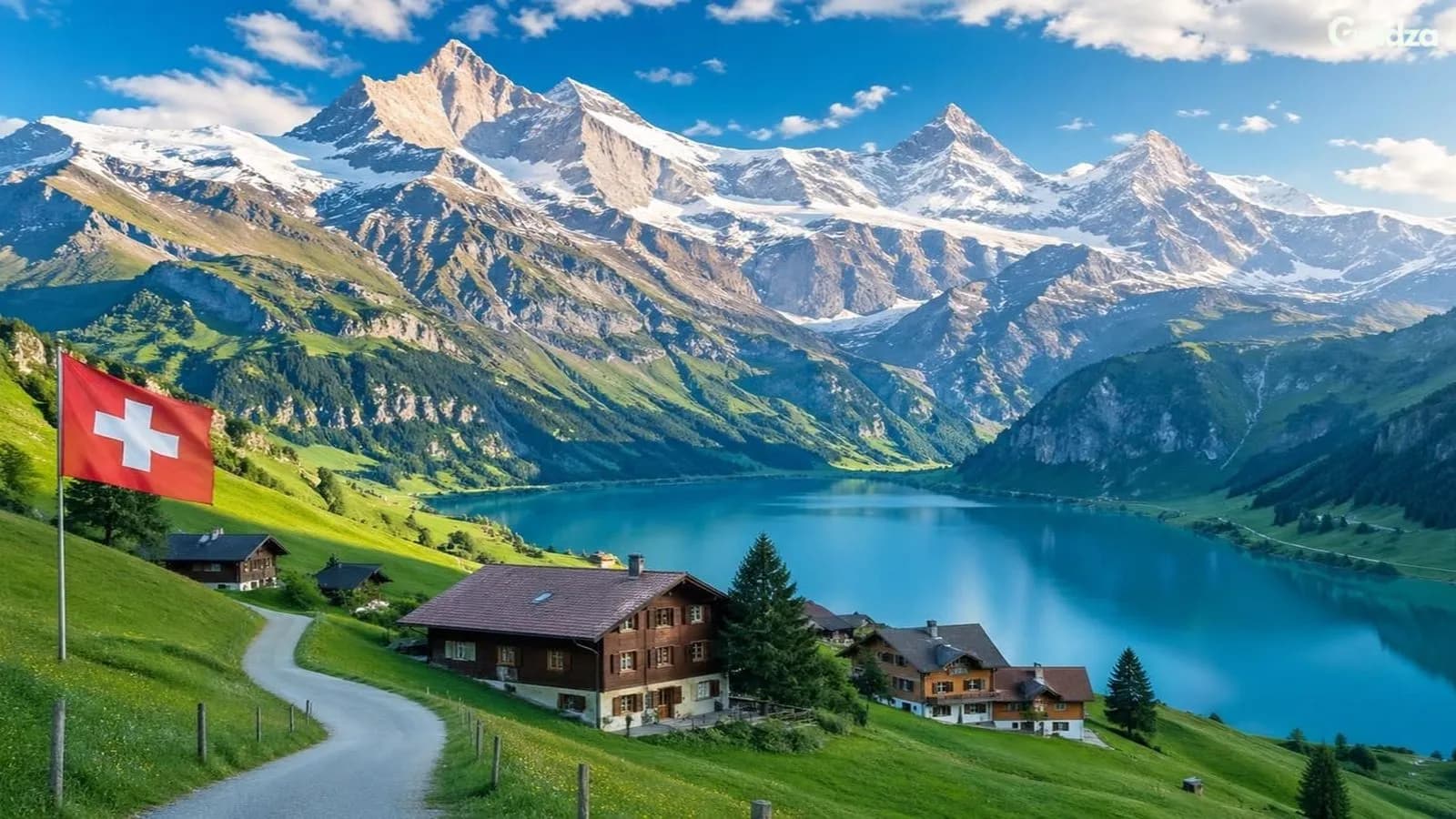
Switzerland packs glacier-fed lakes, car-free alpine villages and famously punctual trains into a country you can cross in a few hours. That compactness is its biggest advantage: you can have breakfast beside a lake and lunch above the clouds. This Switzerland travel guide covers what most visitors want to know first: the best places to visit in Switzerland, a practical Switzerland itinerary, budget estimates in Swiss francs (CHF) and honest planning advice. Whether Switzerland tourism appeals to you for its mountains, its lakeside towns or both, use this guide to shape a trip that fits your time and budget.
Best Places to Visit in Switzerland
Most of these destinations connect within a few hours by train, so combining several in one trip is easy. Here is what makes each one worth your time.
Zurich
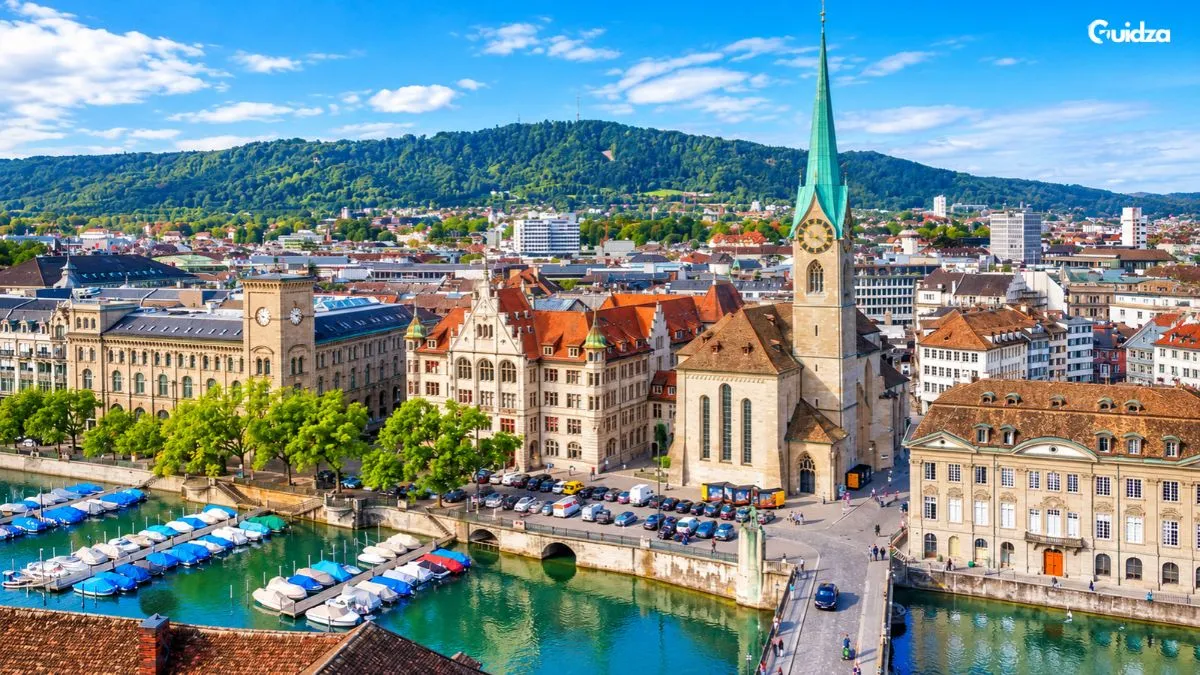
Most international flights land here, and the city deserves more than a transfer stop. Wander the Old Town lanes, walk the Lake Zurich promenade and visit the Swiss National Museum. It works well for your first or last night, especially if you want a gentle start or finish.
Lucerne
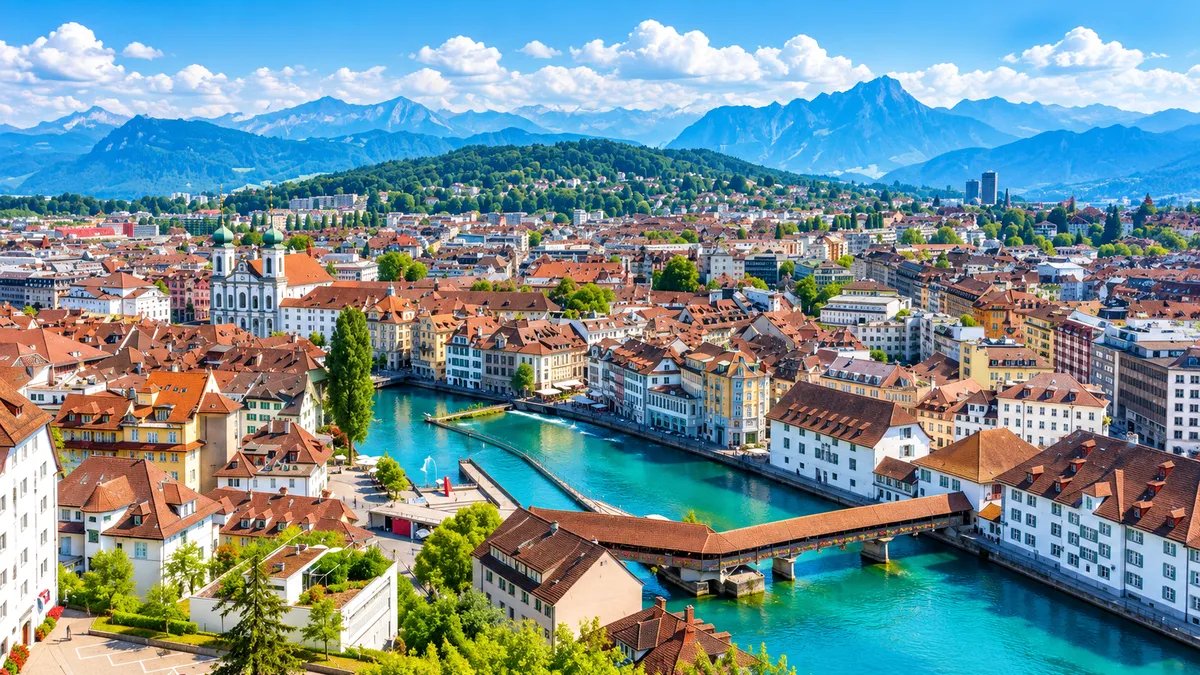
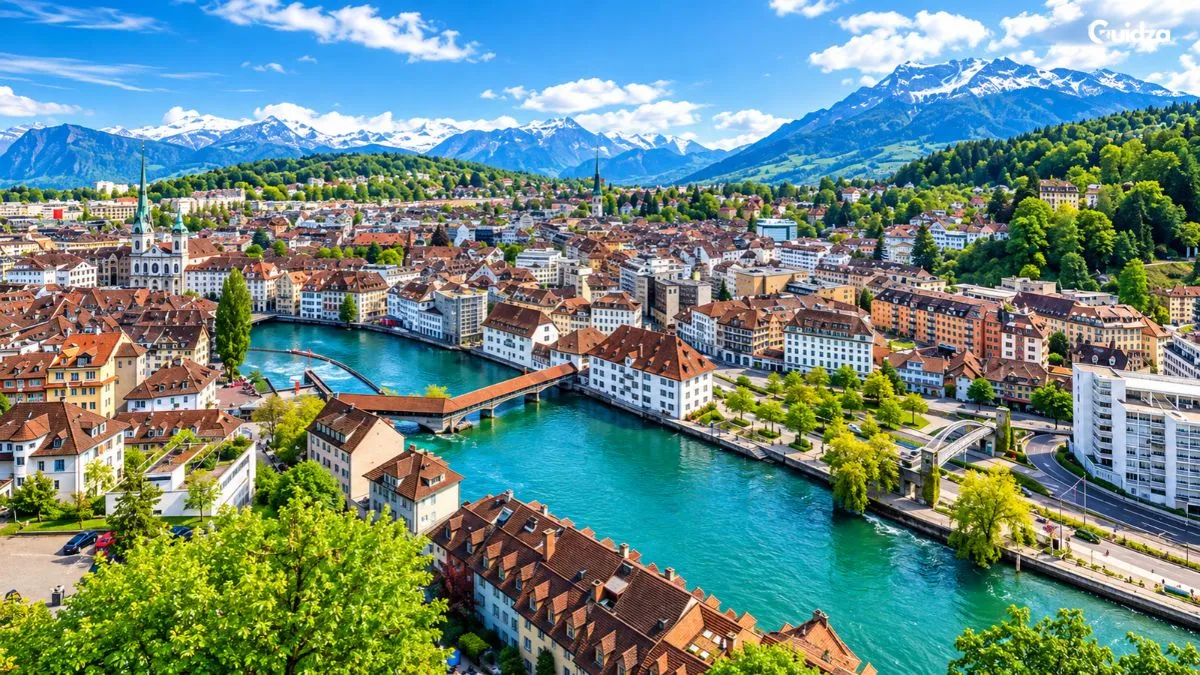
Lucerne is compact and walkable, with the wooden Chapel Bridge and a lakefront backed by mountains. Pilatus and Rigi are both easy day trips by boat, cogwheel train or cable car, which makes the town ideal for first-timers who want scenery without complicated logistics.
Interlaken
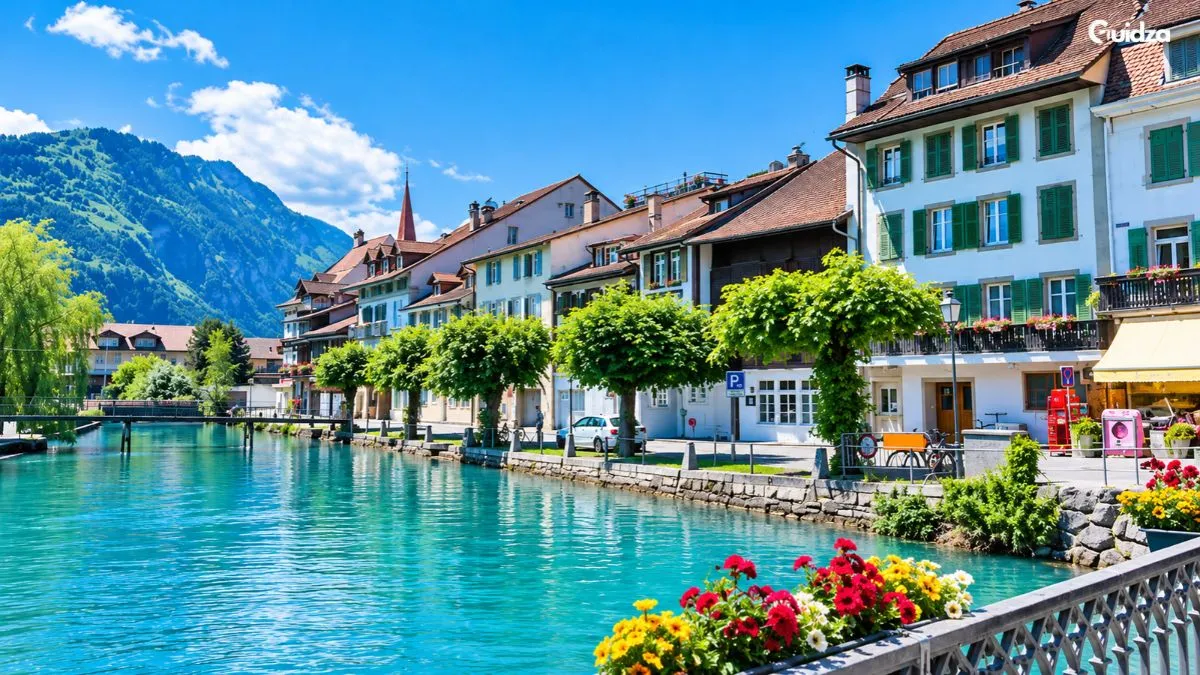
Set between Lake Thun and Lake Brienz, Interlaken is the practical base for the Bernese Oberland. Trains, boats and adventure operators all start here, so expect a lively town rather than a sleepy village. It suits travellers who want flexibility and plenty of dining options.
Grindelwald
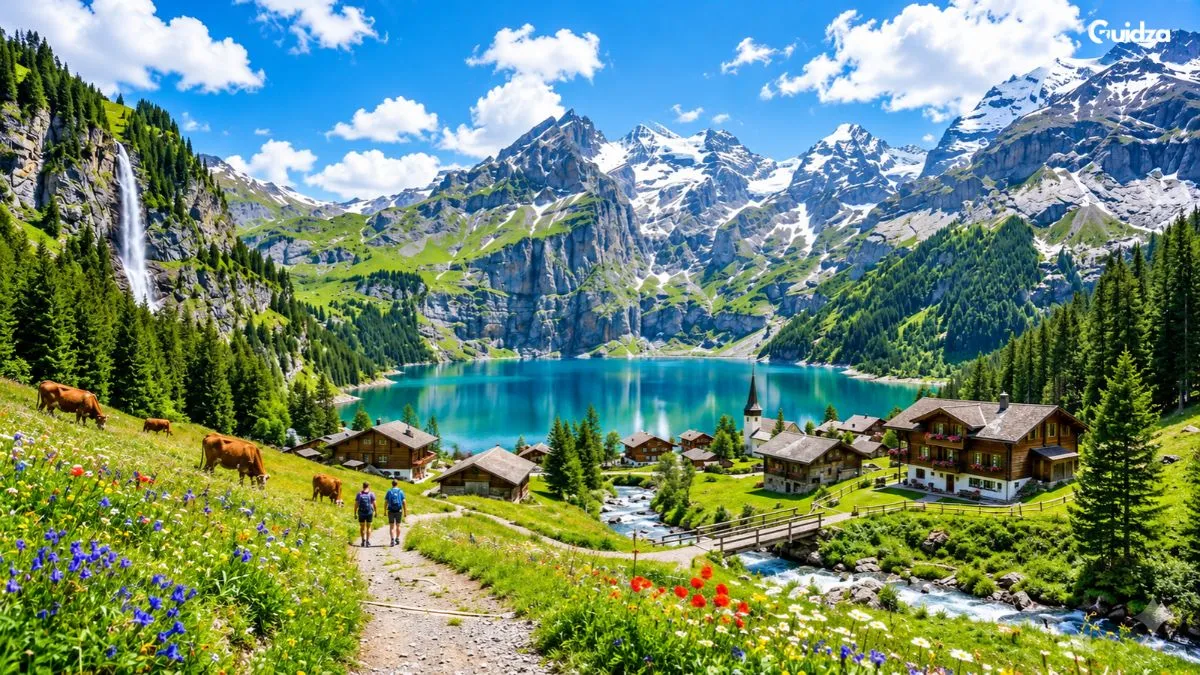
Grindelwald sits beneath the Eiger's north face and delivers the classic alpine picture of chalets, meadows and big peaks. The First area offers easy hikes and cable car views, and the village becomes a ski base in winter.
Lauterbrunnen
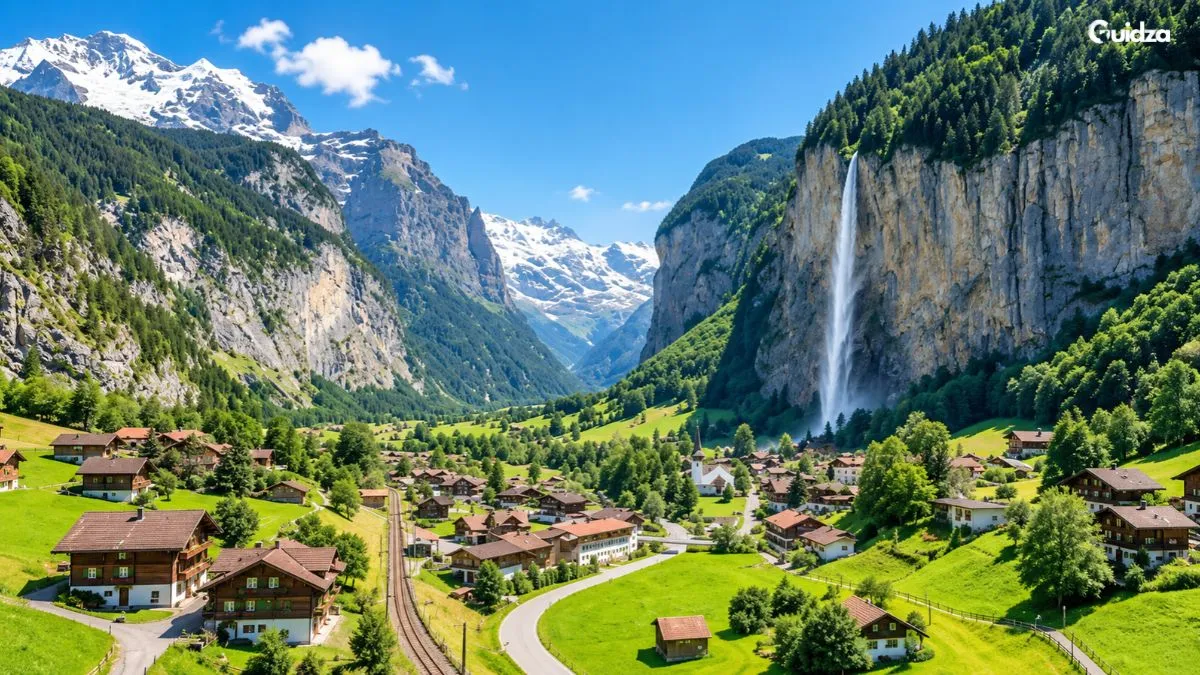
This deep glacial valley is lined with dozens of waterfalls, including Staubbach Falls near the village. It is also the gateway to car-free Wengen and Mürren, and to the cable car up to the Schilthorn.
Zermatt
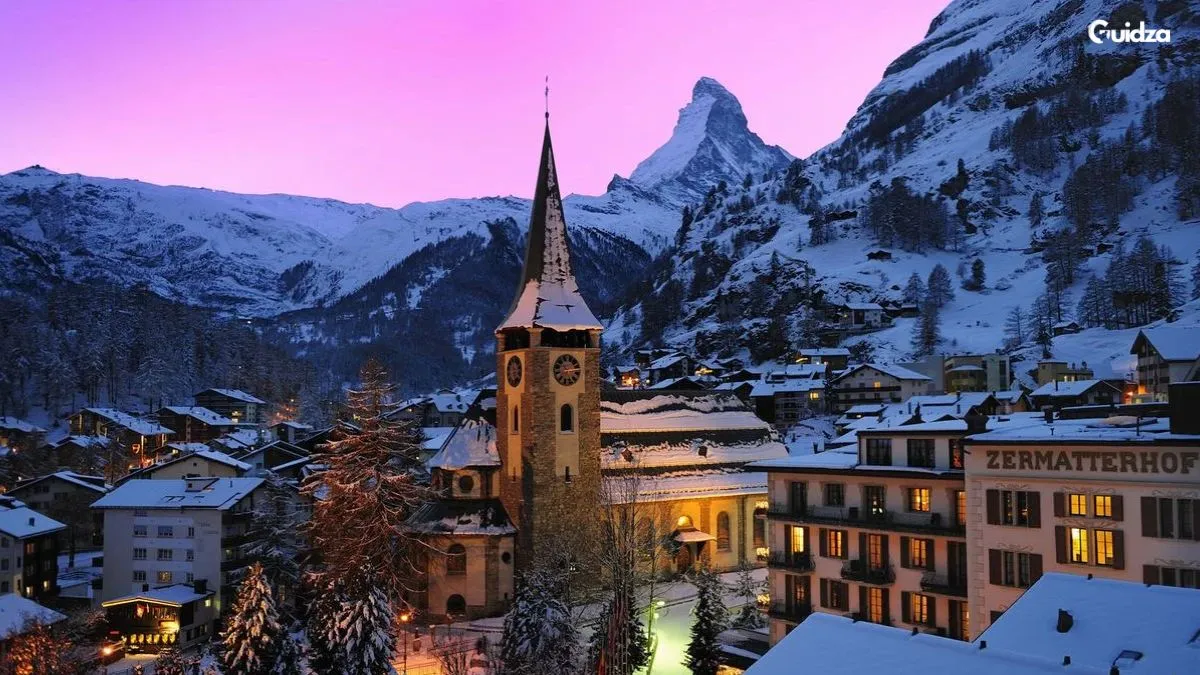
Car-free Zermatt is dominated by the Matterhorn. The Gornergrat railway offers close views of the peak and surrounding glaciers, while hiking and skiing keep the village busy in several seasons. It is a longer journey from most other hubs, so allow extra travel time.
Top Things to Do in Switzerland
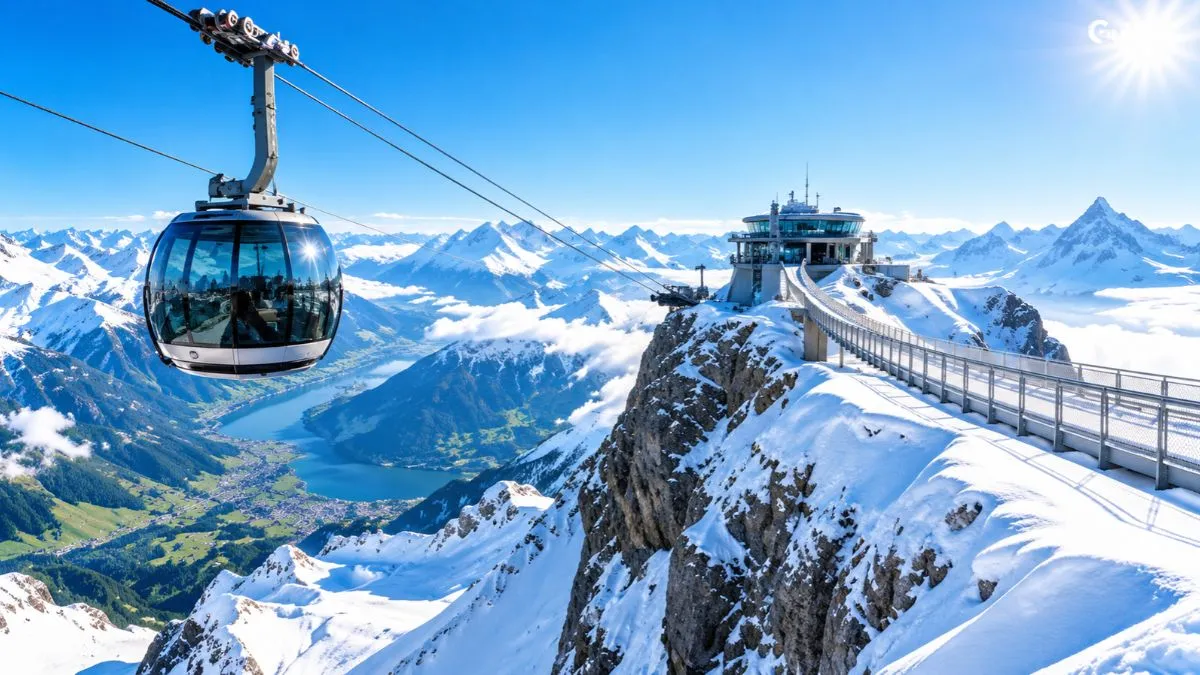
The best things to do in Switzerland are about reaching the landscape comfortably, whether you prefer trains, boats or hiking boots.
- Scenic train journeys: The Glacier Express, Bernina Express and GoldenPass Line are the best known. Seat reservations are often required on panoramic trains, so check before you go.
- Mountain excursions: Jungfraujoch, Gornergrat, Mount Titlis and Pilatus take you into high-alpine terrain without technical climbing. Clear mornings give the best views.
- Cable cars: The Schilthorn above Mürren and First above Grindelwald are popular for panoramas, and First adds a cliff-side walkway.
- Lake cruises: Steamers and boats run on Lakes Lucerne, Geneva, Thun and Brienz. Check whether your travel pass covers the route you want.
- Hiking: Well-signposted trails range from easy valley strolls to demanding high routes, though some high trails hold snow into early summer.
- Seasonal activities: Skiing, snowshoeing and Christmas markets in winter; lake swimming, alpine hikes and mountain railways in summer.
Switzerland Itinerary for First-Time Visitors
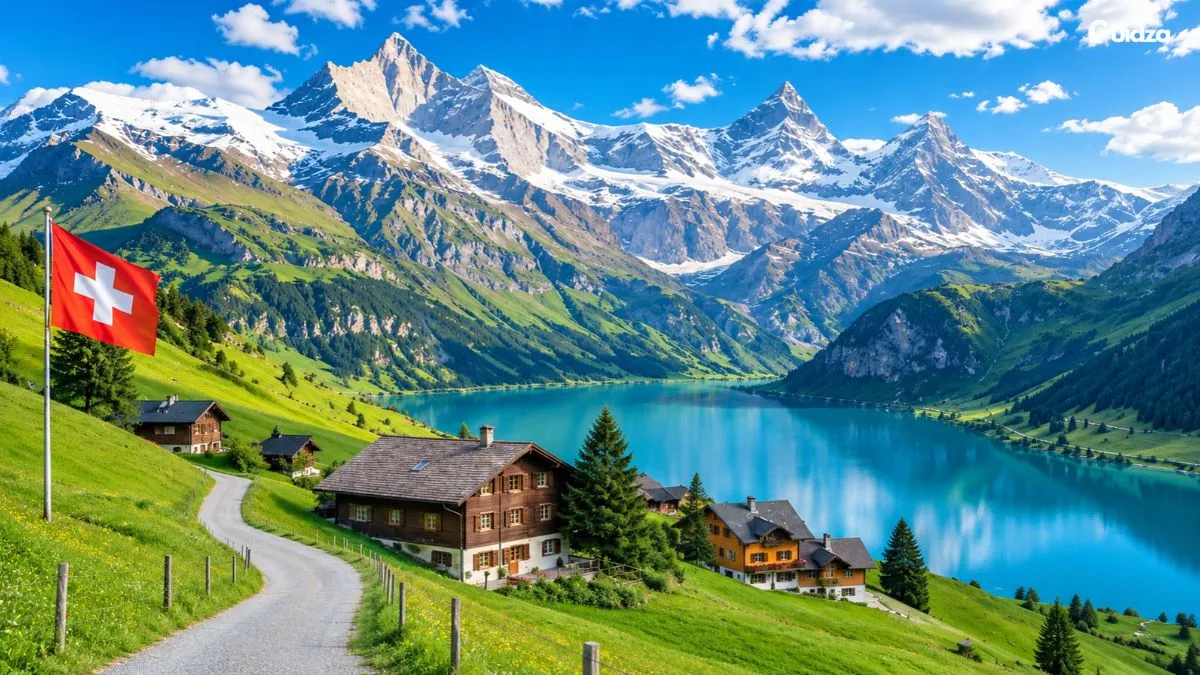
This route follows efficient train links and avoids backtracking, making it a sensible Switzerland itinerary for a first visit. Swap days around if the weather turns, since mountain views depend on clear skies.
- Day 1: Zurich. Arrive, explore the Old Town and walk the lakefront.
- Day 2: Zurich to Lucerne. Take the train (around an hour), cross Chapel Bridge and enjoy a lake cruise.
- Day 3: Pilatus or Rigi. Spend the day in the mountains, then return to Lucerne.
- Day 4: Lucerne to Interlaken. Travel by scenic rail (roughly two hours) and spend the evening by Lake Brienz or Lake Thun.
- Day 5: Grindelwald. Hike around First or visit Jungfraujoch. Pick the clearest day of the forecast for the higher excursion.
- Day 6: Lauterbrunnen to Zermatt. See the waterfalls and Mürren in the morning, then take the train to Zermatt (allow three to four hours).
- Day 7: Zermatt. Ride the Gornergrat railway, then head back to Zurich (around four hours) for a late departure, or add an extra night.
Famous Switzerland Tourist Attractions
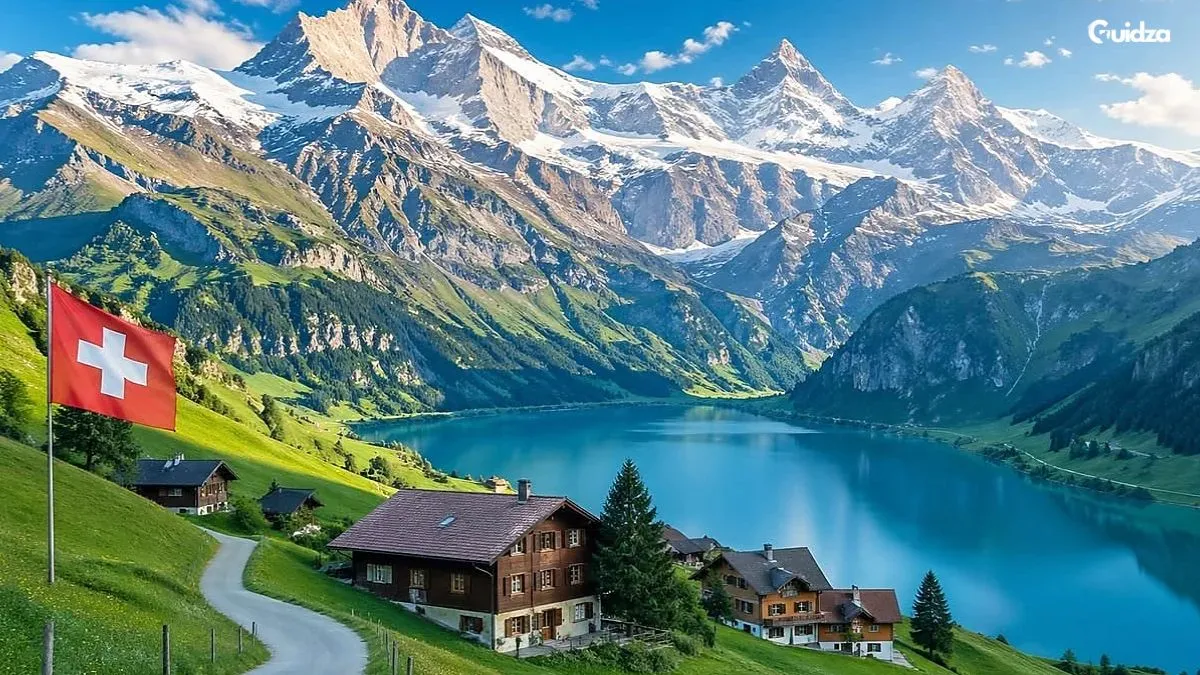
These Switzerland tourist attractions are worth building a half day or full day around:
- Matterhorn: The pyramid-shaped peak is best viewed from Zermatt, Gornergrat or the Riffelsee on clear days.
- Jungfraujoch: A high-altitude railway station with glacier views, reached by train from Kleine Scheidegg.
- Château de Chillon: A medieval castle on Lake Geneva near Montreux.
- Rhine Falls: One of Europe's largest waterfalls, near Schaffhausen and easy to reach from Zurich.
- Aletsch Glacier: The largest glacier in the Alps and a UNESCO World Heritage site.
- Bern Old Town: A UNESCO-listed medieval centre with arcades, fountains and clock tower.
Essential Switzerland Travel Tips
These Switzerland travel tips will save you time and money:
- Transport: Trains, buses and boats connect well. Use the SBB app for timetables and tickets.
- Accommodation: Book early for Zermatt and Grindelwald in summer and winter peaks. Staying in a hub such as Lucerne or Interlaken gives you flexibility.
- Packing: Bring layers, a waterproof jacket, sturdy shoes, sunscreen and a Type J plug adapter. Weather changes quickly at altitude.
- Etiquette: Greet shopkeepers, be punctual, keep noise down in residential areas and expect limited shop hours on Sundays. Tap water is safe to drink.
- Connectivity: Check roaming costs with your provider or set up an eSIM before arriving.
- Visas for Indian travellers: Switzerland is part of the Schengen Area, and Indian passport holders generally need a Schengen visa. Apply early and verify documents, fees and processing times on official Swiss government or embassy sources, as requirements change.
Planning Your Switzerland Trip with Guidza
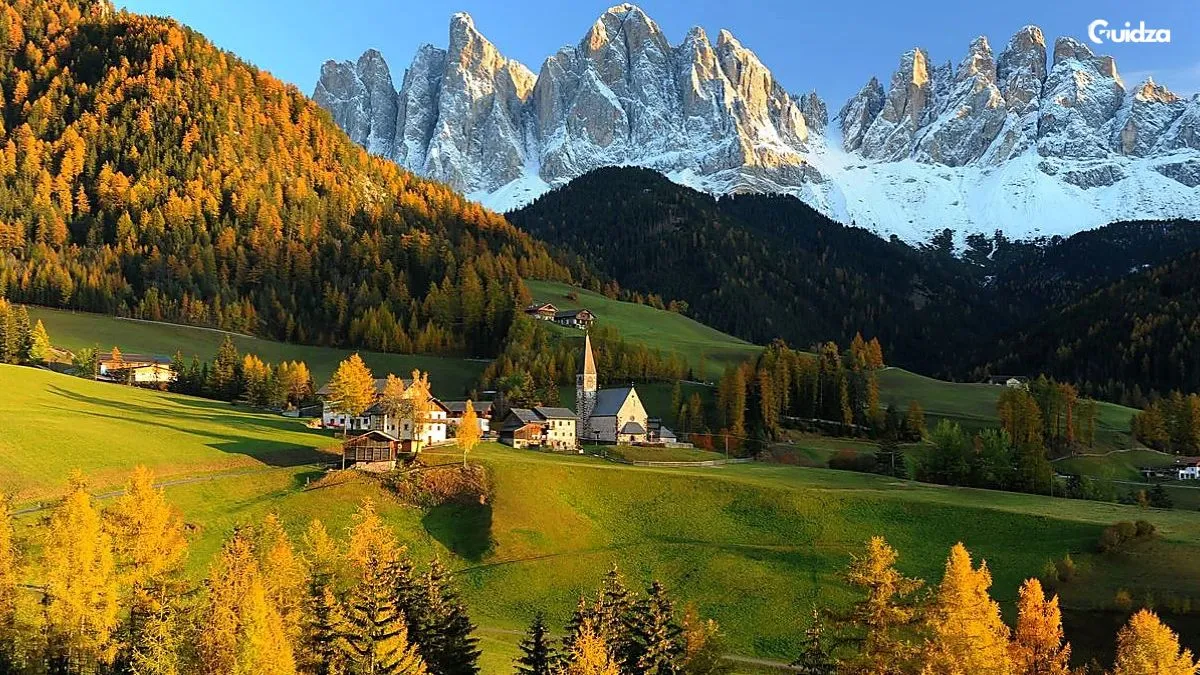
Once you know your dates and priorities, compare destinations, read about different experiences and shortlist what suits your pace. Explore tours and experiences on Guidza to plan your Switzerland trip.
Frequently Asked Questions
How many days are enough to explore Switzerland?
Seven days covers the main highlights, including a city, a lake town and two or three mountain regions. Five days works for a shorter trip focused on one or two regions, while ten days allows a slower pace.
What is the best time to visit Switzerland?
Mid-June to September is best for hiking and open lifts, while December to March suits skiing. Spring and autumn are quieter, with variable conditions at altitude.
How much does a Switzerland trip cost?
Budget travellers can expect roughly CHF 140–300 per day and mid-range travellers CHF 350–700, excluding flights. These are estimates and vary by season and travel style.
Which places should first-time visitors include in their Switzerland itinerary?
Zurich, Lucerne, Interlaken, Grindelwald, Lauterbrunnen and Zermatt cover a good mix of city, lakes and mountains and connect well by train.
Is Switzerland suitable for a family holiday?
Yes. Lake cruises, mountain railways, easy walking trails and car-free villages work well for children. Pick shorter transfers and flexible daily plans to keep the pace comfortable.
What is the easiest way to travel around Switzerland?
Public transport is usually the simplest option. Trains, buses and boats are well connected, and a travel pass can help if you plan several long journeys.