
Sri Lanka in December and January: Complete Winter Travel Guide for Indians

Kartik
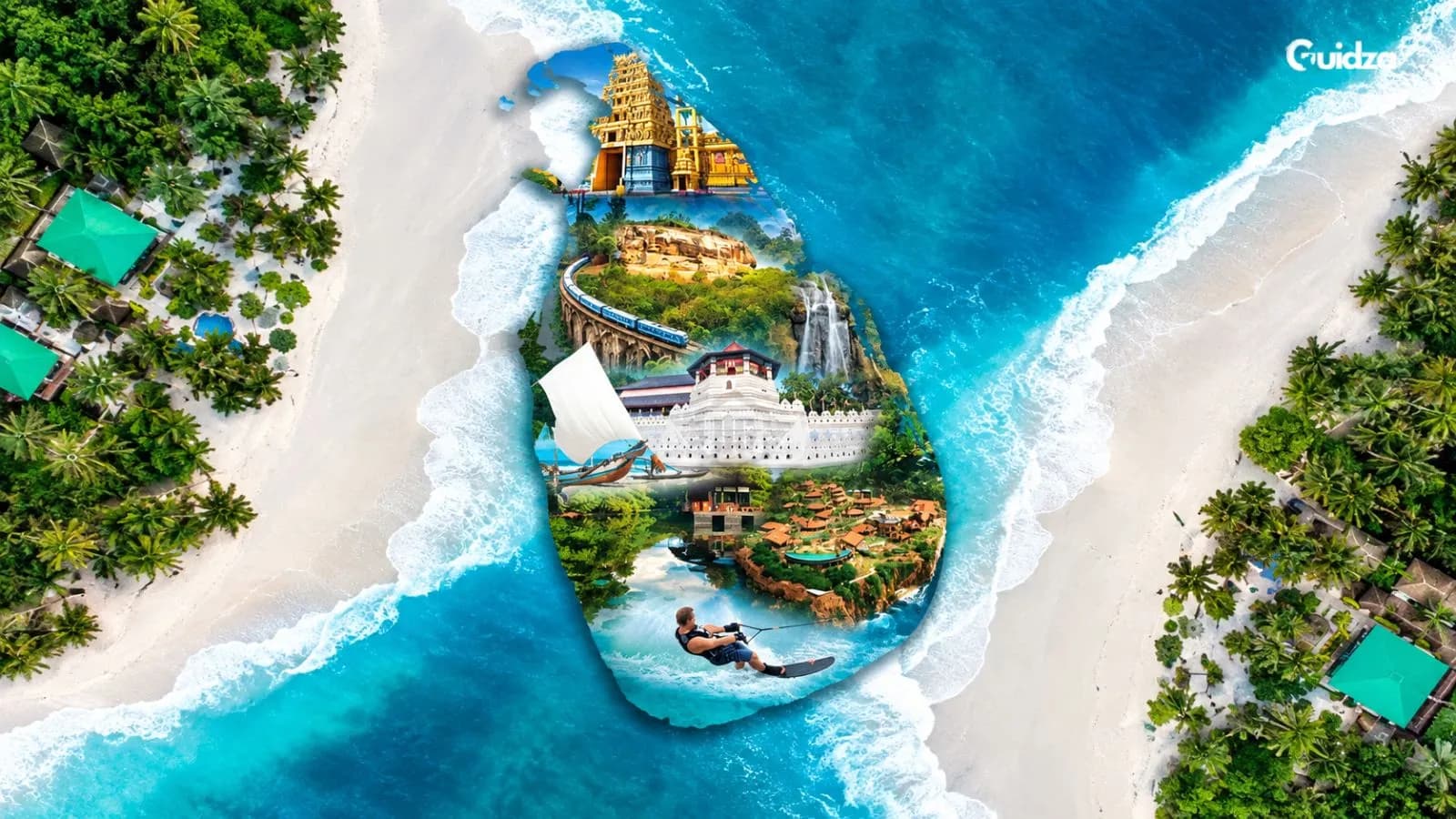
For many Indian travellers, Sri Lanka in December sits right at the top of the winter travel list — and for good reason. It's a short flight away, visually diverse for such a small island, and this particular window lines up with some of the best weather the country has to offer. Whether you're picturing palm-lined beaches in the south, misty tea estates in the hill country, or ancient cities carved into the jungle, December and January genuinely deliver on all of it.
This guide is meant to be your starting point — a single place to understand the weather, the best regions to visit, how much time and money to budget, what to pack, and what Indian travellers specifically need to know before booking. Think of it as the foundation; if you want deeper detail on a specific city, activity, or itinerary, we'll be publishing focused guides on those separately.
Let's get into it.
Is December and January a Good Time to Visit Sri Lanka?
Short answer: yes, for most of the island. This is widely considered part of the best time to visit Sri Lanka, particularly if your priority is the west coast, south coast, and hill country.
Sri Lanka doesn't follow one single monsoon pattern — it has two, affecting different coasts at different times of year. From roughly December through March, the southwest monsoon has retreated, which means:
- The west coast (Colombo, Negombo, Bentota) is dry and sunny
- The south coast (Mirissa, Galle, Unawatuna) is at its best, with calm seas
- The hill country (Ella, Nuwara Eliya, Kandy) is cool, clear, and ideal for sightseeing
- Cultural Triangle sites (Sigiriya, Anuradhapura, Polonnaruwa) see minimal rainfall
The exception is the east coast (Trincomalee, Arugam Bay, Pasikuda), which follows the opposite monsoon cycle and tends to be wetter during these months. If beaches on the east coast are a priority, this isn't the ideal window — that side of the island is better between May and September.
For a first-time Sri Lanka trip for Indians that wants to combine beaches, hills, and culture in one go, December–January is arguably the single best stretch of the year to do it.
Best Places to Visit in Sri Lanka in December and January
Sri Lanka is compact, but it packs in an unusual amount of variety. Here's a broad overview of the regions worth prioritising — this list is intentionally broad, since each of these deserves (and will get) its own dedicated guide.
Colombo
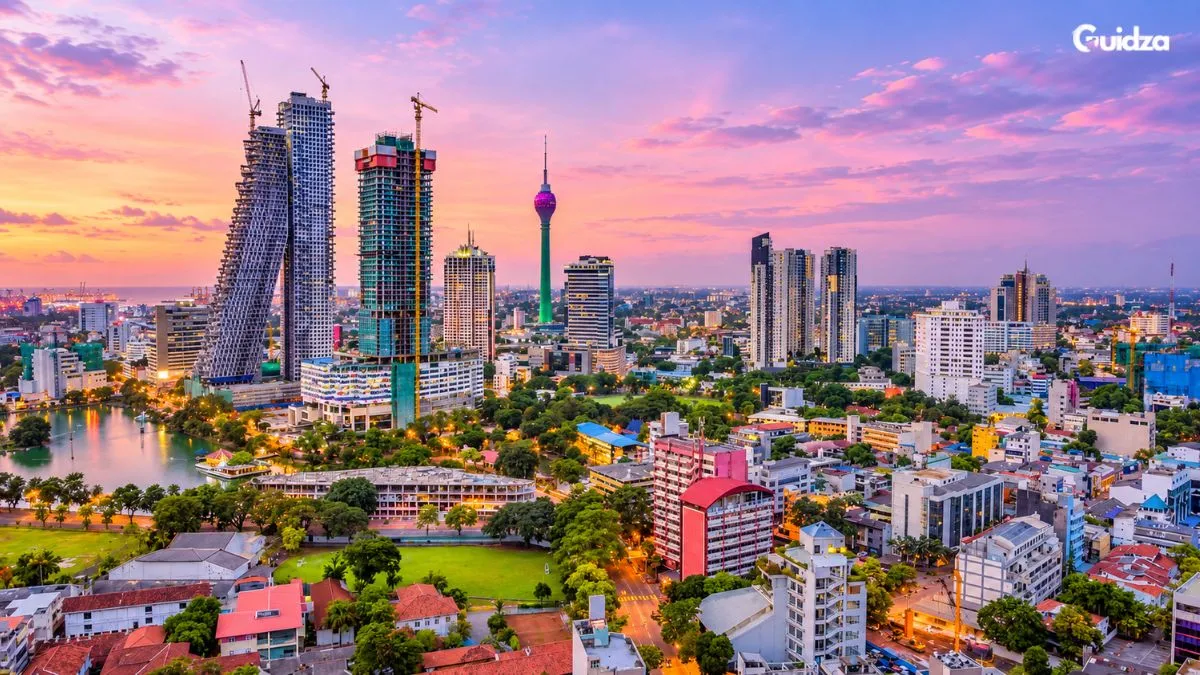
The commercial capital and most travellers' entry point. Not typically a highlight in itself, but worth a day for colonial architecture, markets, and a taste of city life before heading elsewhere. A closer look at things to do in Colombo is worth reading if you have more than a day here.
Kandy
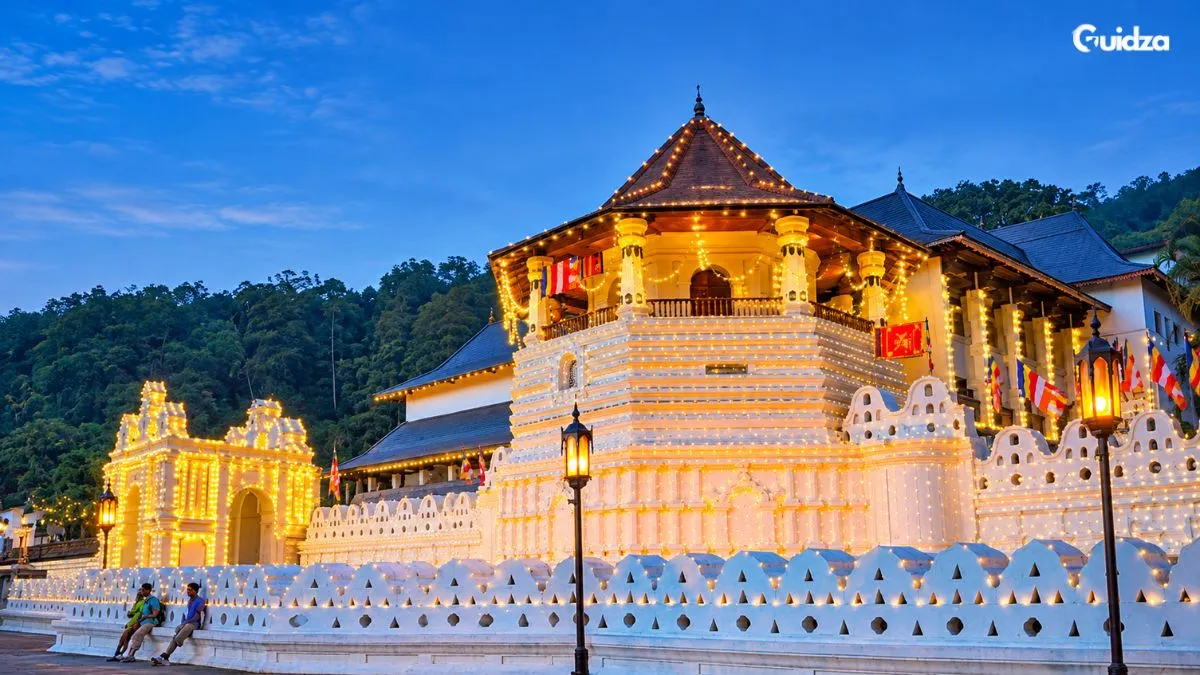
The cultural heart of the island, home to the Temple of the Sacred Tooth Relic, botanical gardens, and the starting point for the scenic train ride into the hills. December weather here is mild and comfortable for walking around.
Ella
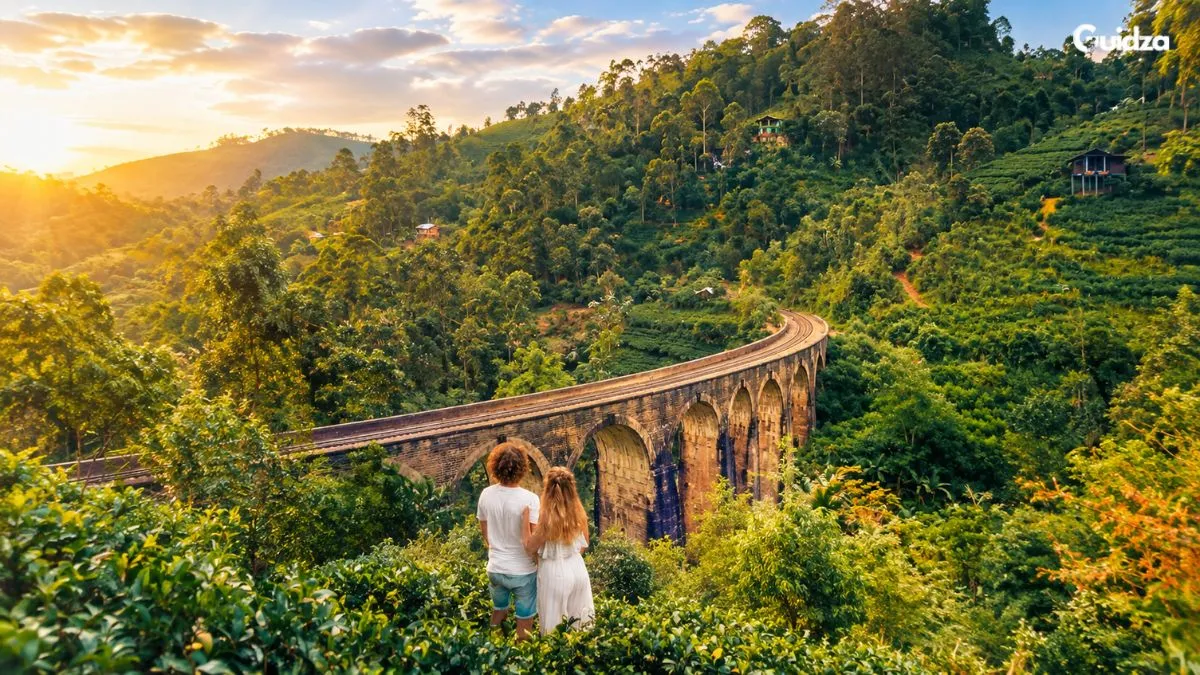
A small hill town that's become one of the most photographed spots in Sri Lanka — think tea plantations, Nine Arches Bridge, and hiking trails with panoramic views. Cool weather in December and January makes this one of the most pleasant times of year to explore things to do in Ella.
Nuwara Eliya
Higher altitude, cooler climate, and rolling tea estates. Good for a slower, scenic day or two, especially if you enjoy walks and tea-country views.
Sigiriya & the Cultural Triangle
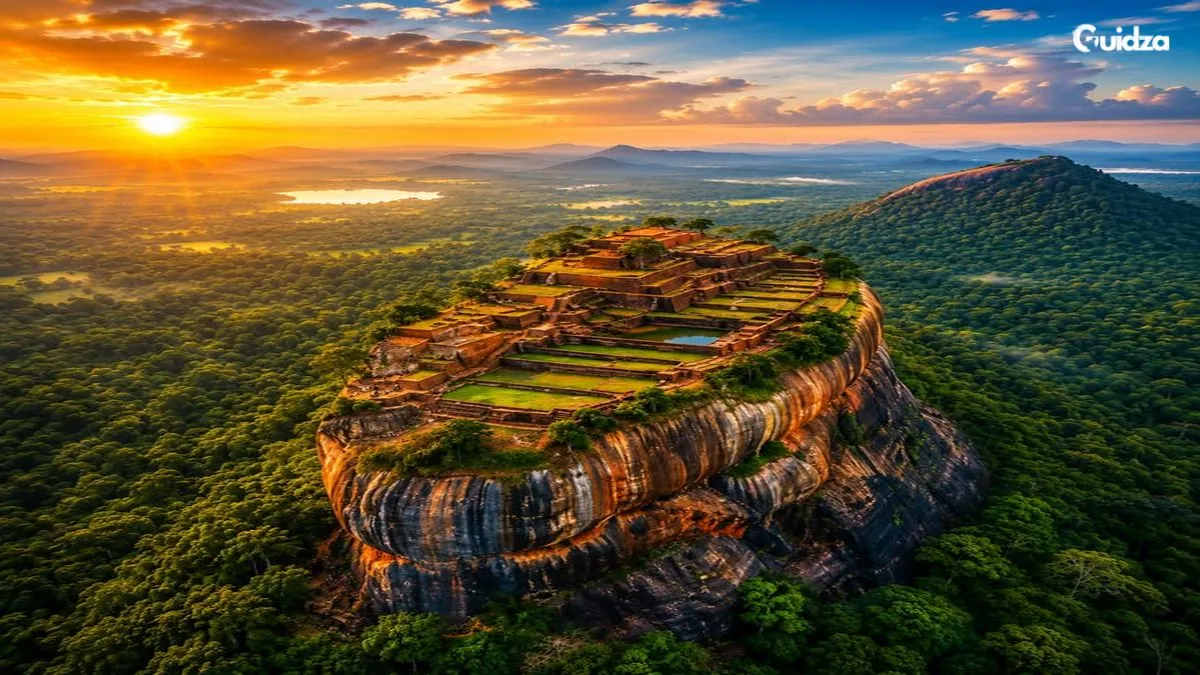
Home to the Sigiriya Rock Fortress (a UNESCO World Heritage Site) along with Dambulla's cave temples and the ancient cities of Anuradhapura and Polonnaruwa. Dry conditions in December make this comfortable for a full day of exploring, though it does get hot by midday.
Galle
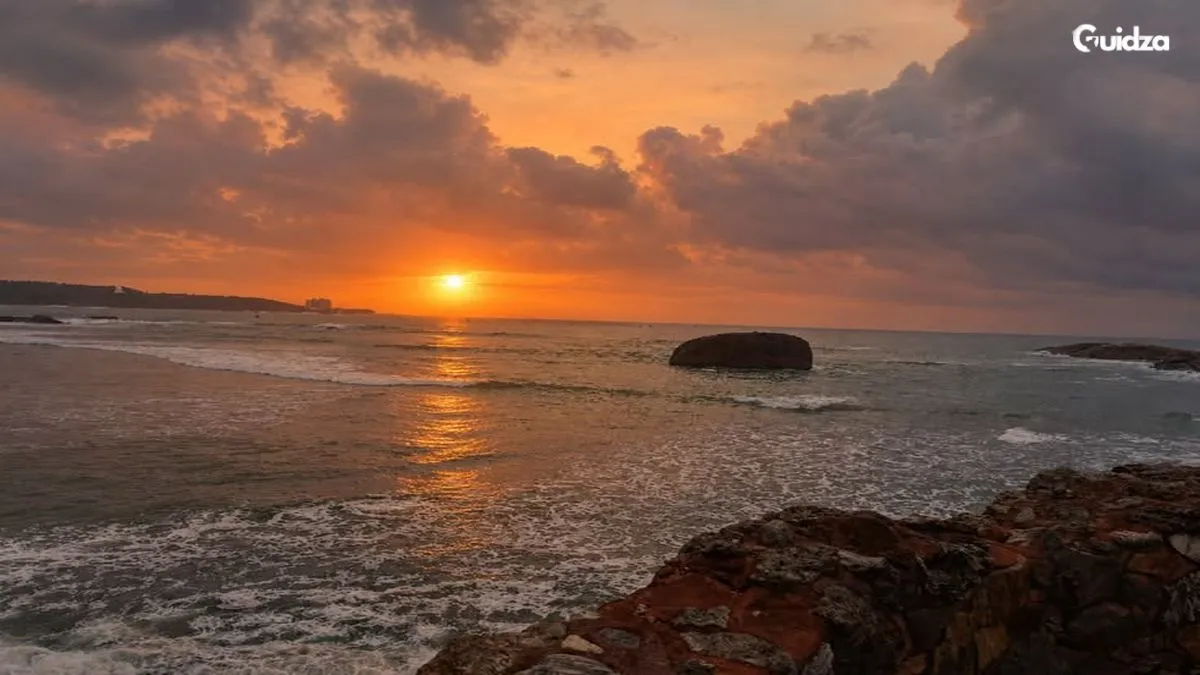
A walkable, atmospheric fort town on the south coast with Dutch colonial architecture, boutique cafés, and sea views. A good midway stop between Colombo and the southern beaches.
Mirissa, Unawatuna & the South Coast
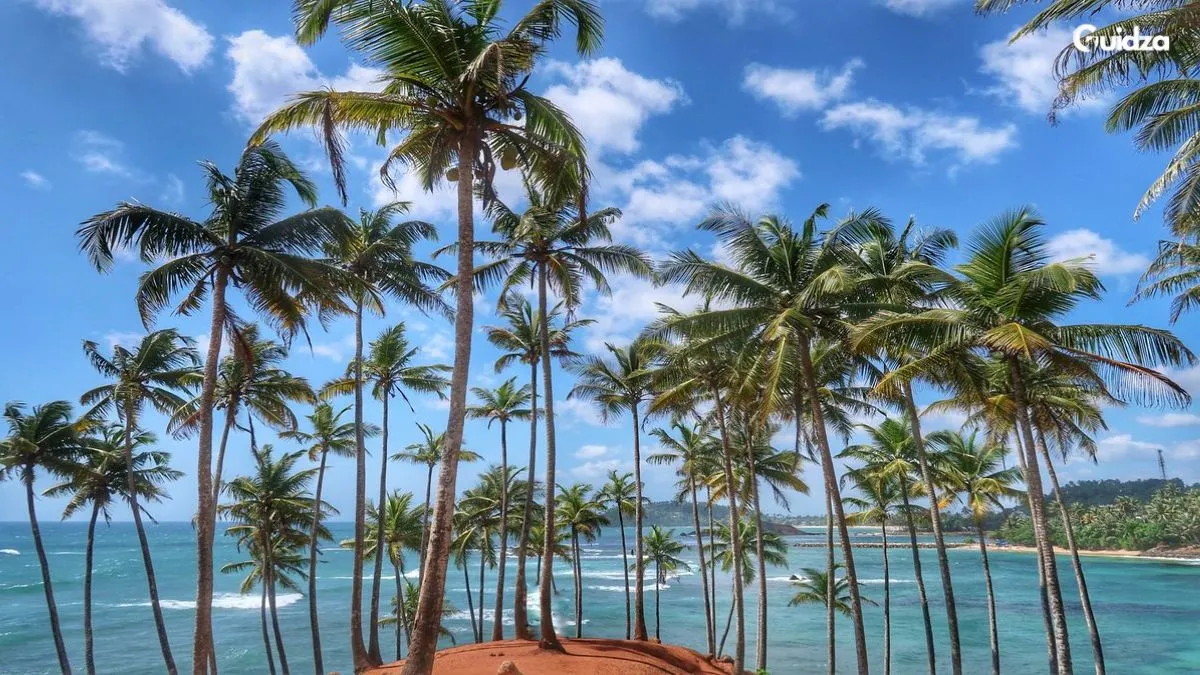
The postcard beaches most people picture when they think of a sri lanka tour — and this is their peak season. Calm water, good visibility, and reliable sun make this stretch ideal for December and January travel.
Yala & Wilpattu
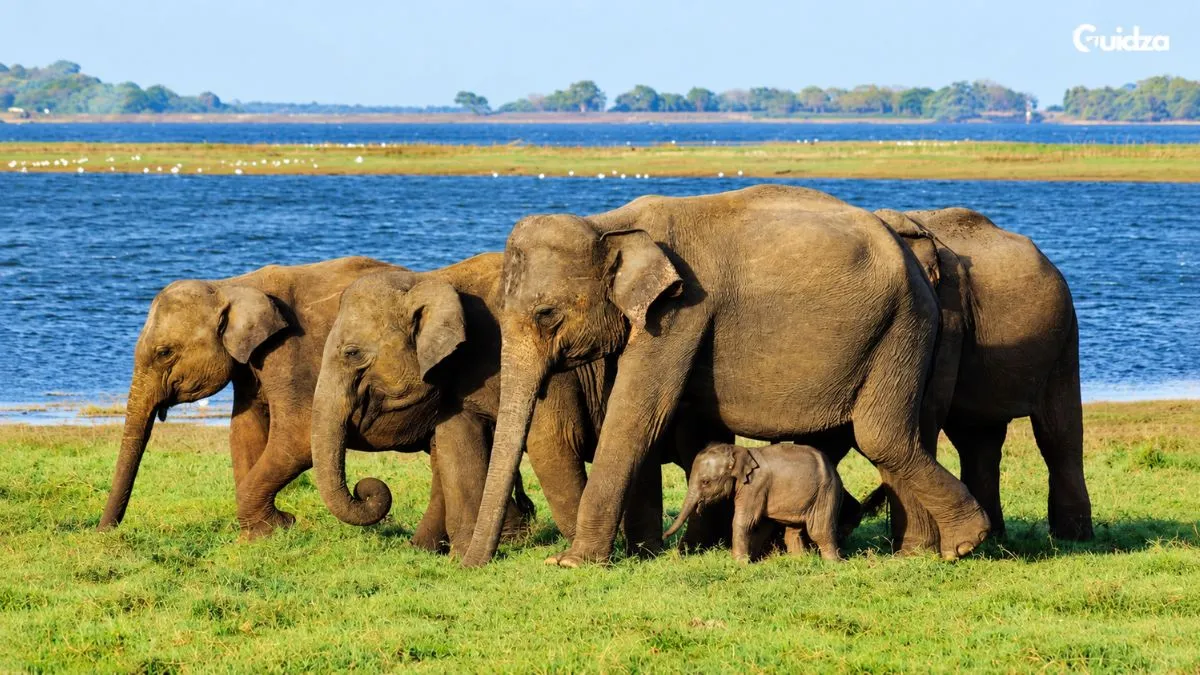
Sri Lanka's premier national parks for wildlife safaris, both accessible and in good condition during this dry period.
When people search for places to visit in sri lanka in december, this combination — hill country, cultural sites, and south coast beaches — is usually what delivers the most complete experience in the shortest time.
Best Things to Do in Sri Lanka
Beyond sightseeing, here's a broad sense of the experiences worth building into your trip. Each of these categories is broad enough to warrant its own deeper guide later, so consider this an overview.
- Ride the scenic Kandy–Ella train through tea country
- Watch sunrise from Sigiriya Rock or Ella Rock
- Visit a working tea plantation and factory in Nuwara Eliya
- Explore Galle Fort on foot
- Go on a wildlife safari in Yala National Park
- Try surfing or snorkelling on the south coast
- Take a whale-watching boat trip from Mirissa
- Visit the Temple of the Sacred Tooth Relic in Kandy
- Walk through Dambulla's cave temples
- Spend an evening at a beach shack in Unawatuna or Weligama
This is really the essence of things to do in sri lanka during this season — a mix of nature, culture, and coast that's hard to replicate in most other short-haul destinations from India.
Best Beaches and Coastal Experiences
December to January is peak beach season on Sri Lanka's south and west coasts, which is a major reason this window is so popular for a sri lanka trip for indians built around sun and sea.
- Mirissa – known for its curved beach, laid-back beach bars, and as the main hub for whale-watching trips
- Unawatuna – calmer, more family-friendly waters with a lively strip of cafés
- Weligama – a popular spot to learn surfing, with gentle beginner-friendly waves
- Bentota – known for water sports, including jet-skiing and banana boat rides
- Hikkaduwa – good for snorkelling and a slightly more energetic beach scene
- Tangalle – quieter, less developed, better for those wanting fewer crowds
A dedicated guide on the best beaches in sri lanka will go into more detail on which beach suits which kind of traveller — honeymooners, families, surfers, or those simply wanting to relax.
Best Adventure Activities
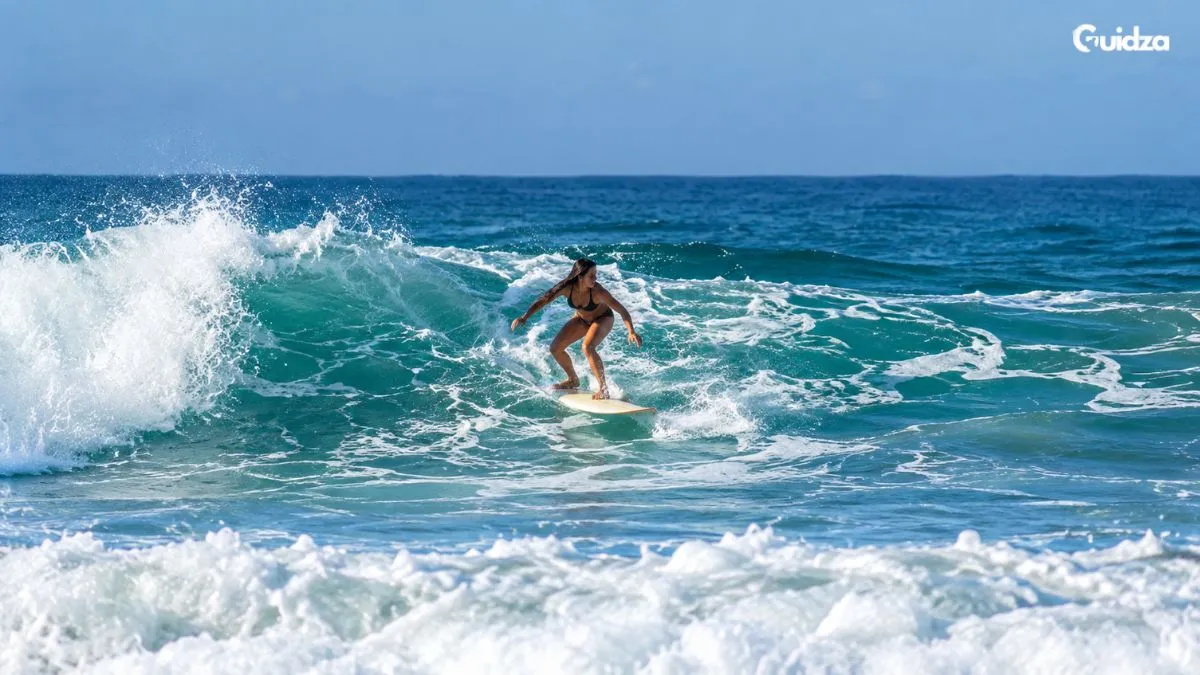
If you want more than a beach chair, Sri Lanka in this season supports a solid range of outdoor activities:
- Surfing – Weligama and Hikkaduwa are the most beginner-friendly spots; more advanced breaks exist further along the coast
- Snorkelling and diving – calm December–January seas make visibility noticeably better than during monsoon months
- Whale watching – Mirissa is one of the more reliable spots globally to see blue whales, generally from November through April
- Hiking – Ella Rock, Little Adam's Peak, and Adam's Peak (Sri Pada) are popular, with cooler hill-country temperatures making daytime treks more comfortable
- White-water rafting – available near Kitulgala, most rewarding after rainfall upstream
- Ziplining and canopy walks – found in a few adventure parks around the hill country
A closer look at best adventure activities in sri lanka — with difficulty levels, timing, and what to book in advance — is worth its own guide, since options and operators vary quite a bit.
Wildlife and Nature Experiences
Sri Lanka's wildlife draws a growing number of visitors independent of its beaches, and December–January is a strong period for it.
- Yala National Park – one of the best places in Asia for leopard sightings, along with elephants, sloth bears, and abundant birdlife
- Wilpattu National Park – less crowded than Yala, known for its natural lakes ("villus") and leopard population
- Udawalawe National Park – reliably good for elephant sightings, including a well-known elephant transit home
- Whale watching off Mirissa – blue whales and spinner dolphins are commonly spotted on morning boat trips during this season
- Sinharaja Forest Reserve – a UNESCO-listed rainforest good for birdwatching and gentler nature walks
Safari timings, park closures, and entry fees change periodically, so it's worth confirming current details closer to your travel dates. A dedicated piece on best wildlife experiences in sri lanka will cover park-by-park specifics.
Cultural and Heritage Experiences
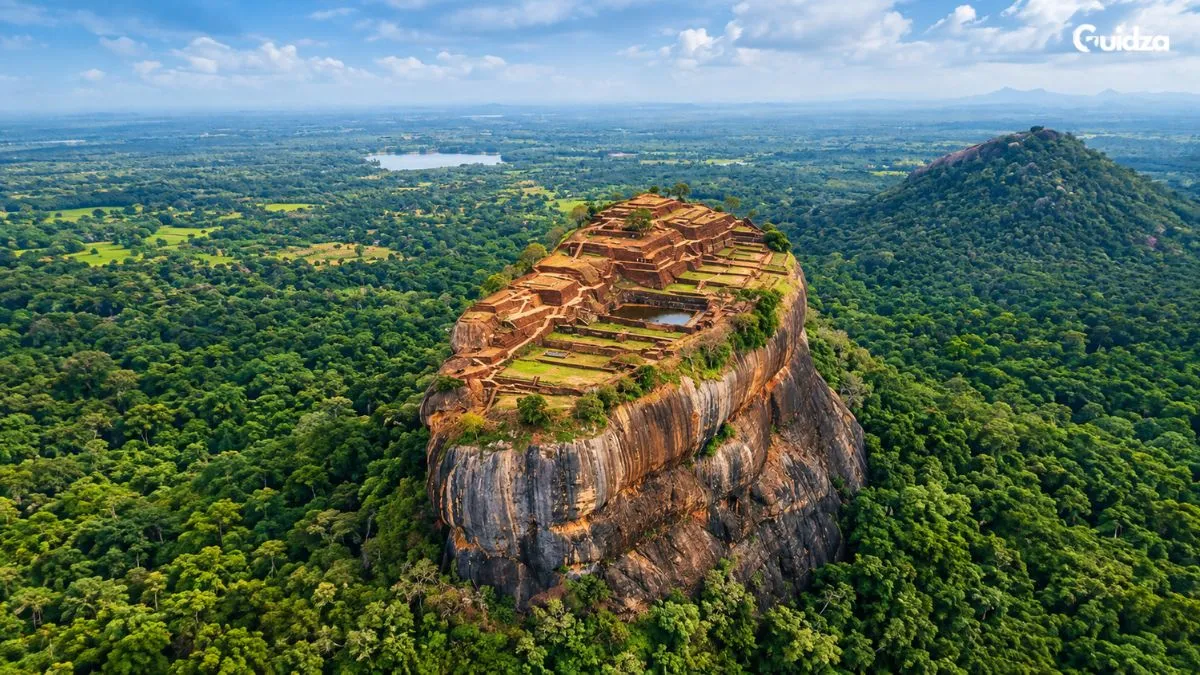
Sri Lanka's history spans over two thousand years, and much of it is visible and accessible.
- Sigiriya Rock Fortress – a 5th-century palace complex built atop a 200-metre rock, one of the country's most recognisable sites
- Temple of the Sacred Tooth Relic, Kandy – one of Buddhism's most significant sites, especially atmospheric during evening rituals
- Dambulla Cave Temples – a network of Buddhist cave shrines with centuries-old murals and statues
- Anuradhapura and Polonnaruwa – ancient capital cities with well-preserved ruins, stupas, and monastic complexes
- Galle Fort – a UNESCO World Heritage Site blending Dutch, Portuguese, and British colonial influences
If your visit happens to overlap with local festivals or religious observances, temple visits can be especially memorable — though also busier, so it's worth checking local event calendars in advance.
Suggested Sri Lanka Itineraries
The right itinerary depends heavily on how many days you have and what you prioritise. Here's a broad framework — a fully detailed sri lanka itinerary guide with day-by-day breakdowns will follow separately.
5–6 Days: The Highlights Loop
Colombo → Kandy → Ella → South Coast beach (Mirissa or Unawatuna) → Colombo
Best for first-timers who want a taste of hill country and beach in a short window.
7–9 Days: The Balanced Trip
Colombo → Sigiriya/Dambulla → Kandy → Ella → Yala (safari) → South Coast beaches → Galle → Colombo
This adds wildlife and the Cultural Triangle without feeling rushed.
10–14 Days: The Complete Circuit
Colombo → Negombo → Sigiriya → Kandy → Nuwara Eliya → Ella → Yala → Mirissa → Unawatuna → Galle → Bentota → Colombo
Ideal if you want to properly slow down in the hill country and spend more time on the coast without back-to-back travel days.
How Many Days Are Enough for Sri Lanka?
For most Indian travellers, 5 to 7 days is enough to cover a solid mix of hill country and beach, though it will involve a fairly packed schedule. 8 to 10 days allows a noticeably more relaxed pace and room for a wildlife safari. If you can stretch to 12–14 days, you can comfortably cover the entire island, including the east coast in season, without feeling rushed.
A useful way to think about it: Sri Lanka looks small on a map, but hill-country roads are winding and slow, so travel times between regions are often longer than distance alone would suggest. Budget realistic travel days rather than assuming point-to-point drives will be quick.
Sri Lanka Trip Budget for Indians
Sri Lanka can be done on a range of budgets, and costs have shifted in recent years, so treat any figures here as a general framework rather than fixed pricing — always check current rates before booking.
Broadly, your major cost categories will be:
- Flights – typically among the larger costs for Indian travellers, varying by departure city and season
- Accommodation – ranges widely from budget guesthouses to luxury resorts
- Local transport – tuk-tuks, private drivers, trains, and intercity buses all vary in price
- Food – local Sri Lankan food is generally affordable; resort and tourist-area dining costs more
- Activities – safaris, whale watching, and adventure activities usually carry separate entry or booking fees
- Currency exchange – Sri Lanka uses the Sri Lankan Rupee (LKR); it's worth comparing exchange rates between what's available in India and on arrival
A dedicated sri lanka trip cost for indians guide will break these down more precisely with current estimates. For now, the key planning point is that a private-driver, mid-range trip will cost meaningfully more than a backpacker-style trip using public buses and guesthouses — decide your style early, since it shapes almost every other booking decision.
Accommodation Guide
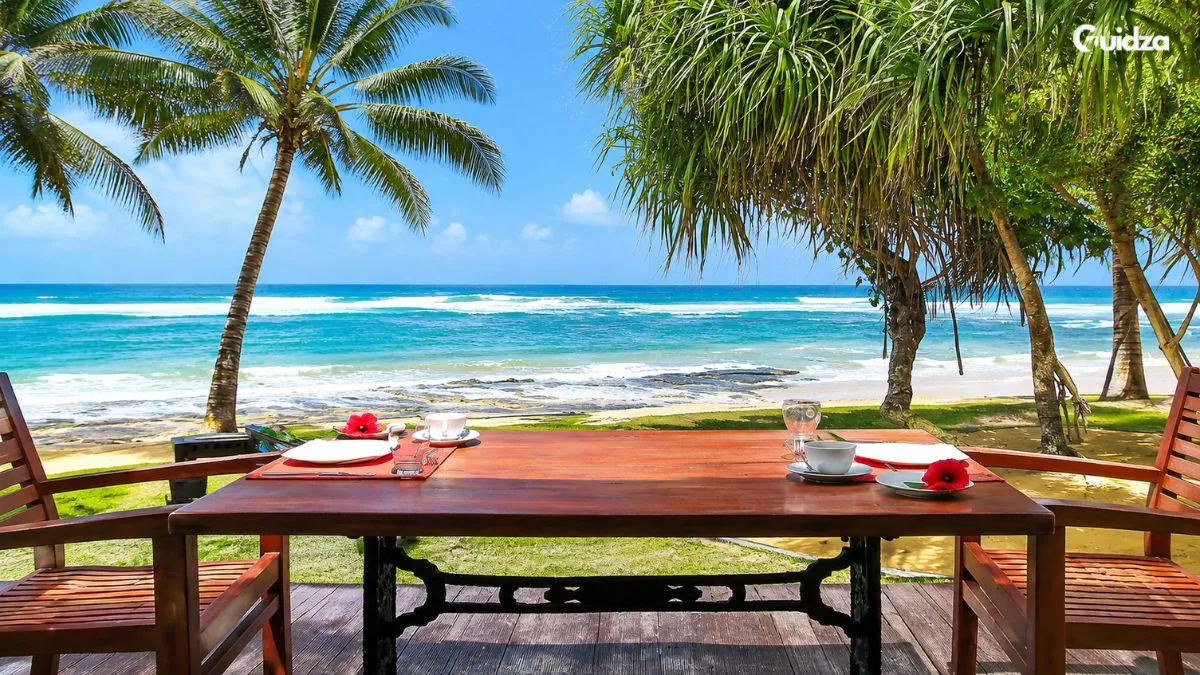
Sri Lanka's accommodation options are diverse enough to suit almost any budget or travel style.
- Luxury resorts – concentrated along the south and west coasts, and in the hill country around Nuwara Eliya and Ella, often with strong reviews for service and setting
- Boutique hotels – particularly common in Galle Fort and Ella, often in restored heritage buildings
- Mid-range hotels – widely available across all major towns, generally offering good value
- Guesthouses and homestays – a popular, affordable option, especially in hill-country towns, often run by local families
- Eco-lodges – found near national parks and forest reserves, appealing for wildlife-focused trips
Booking ahead is advisable during December and January, since this is peak season and popular properties — especially in Ella, Mirissa, and near Yala — do fill up.
Food and Local Experiences
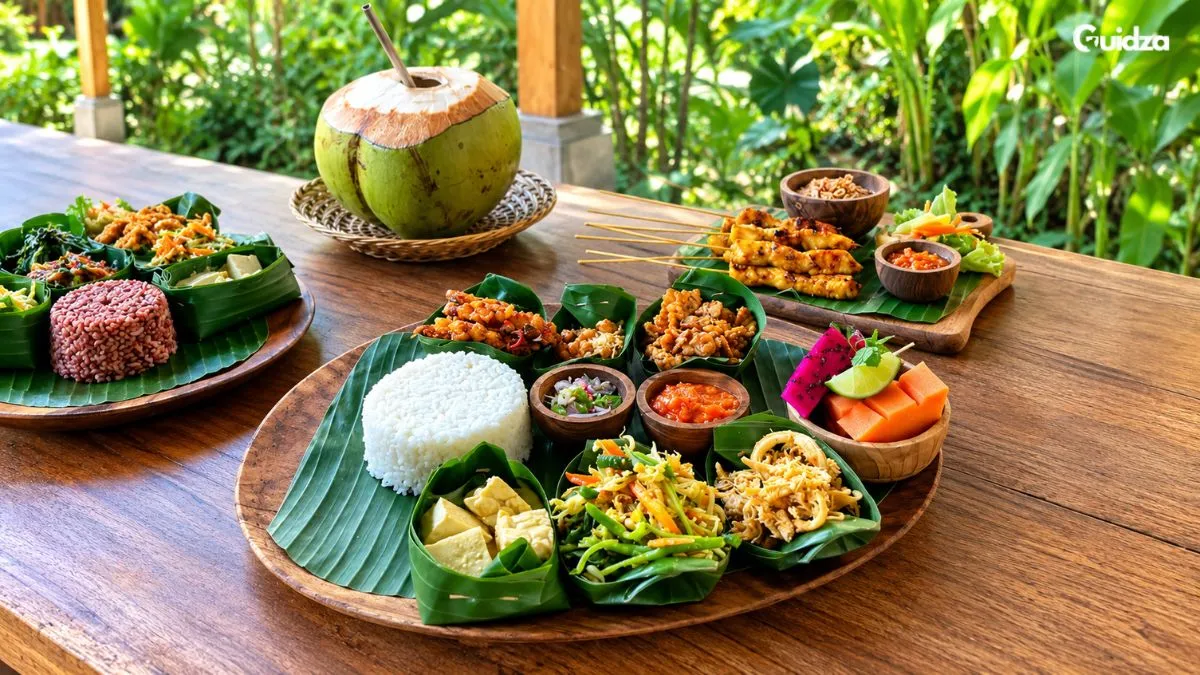
Sri Lankan food shares some DNA with South Indian cuisine but has its own distinct character — coconut, curry leaves, and a wider use of seafood are common threads.
Dishes worth seeking out:
- Rice and curry – the everyday staple, usually served with several small curries and sambols
- Hoppers (appa) – bowl-shaped fermented rice pancakes, often eaten with an egg cracked in the centre
- Kottu roti – chopped flatbread stir-fried with vegetables, egg, or meat
- Seafood – especially strong along the coast, with fresh catches common in beach towns
- Lamprais – a Dutch Burgher-influenced dish of rice and curries baked in a banana leaf parcel
- Ceylon tea – best sampled fresh in the hill country, ideally at or near an actual tea estate
Vegetarian travellers will generally find it easier in Sri Lanka than in many other Southeast or South Asian destinations, given the overlap with South Indian vegetarian cooking traditions — though it's still worth confirming ingredients, since coconut milk, dried fish, and shrimp paste occasionally appear in dishes that otherwise read as vegetarian.
Travel Requirements for Indians
This is one of the most-searched practical questions for a sri lanka trip for indians, and also one of the areas most likely to change, so treat this section as a starting point rather than a final answer.
Generally, Indian travellers need some form of electronic travel authorization to enter Sri Lanka, along with:
- A passport valid for a sufficient period beyond your travel dates
- Proof of return or onward travel
- Sometimes proof of accommodation or sufficient funds, depending on current rules
Because entry requirements, validity periods, and application processes can change, always verify the latest visa and entry requirements directly through official Sri Lankan government sources or your airline before booking, rather than relying on older articles or forum posts. A dedicated sri lanka visa/travel requirements for indians guide will go deeper into the application process once current rules are confirmed.
Other practical documents worth carrying:
- A few passport-size photographs
- Printed or digital copies of hotel bookings and travel insurance
- Travel insurance covering medical emergencies (recommended, not always mandatory)
Safety and Important Travel Tips
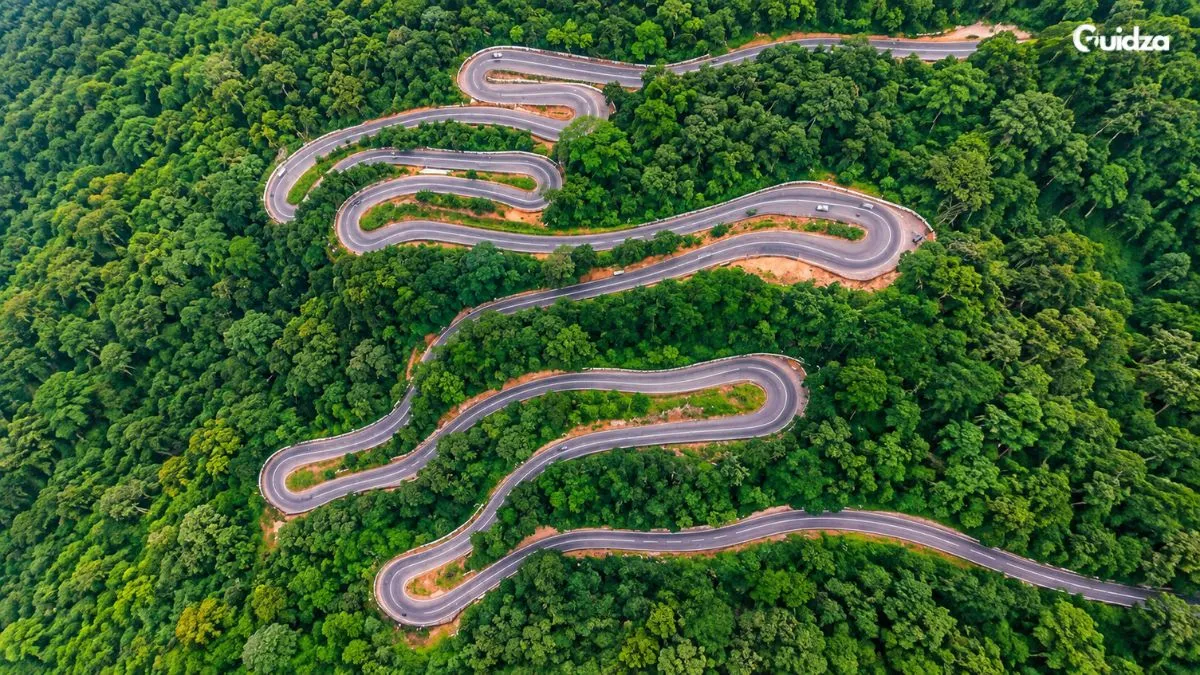
Sri Lanka is generally considered a safe destination for Indian travellers, including solo travellers and families, but a few practical points are worth keeping in mind:
- Roads in the hill country are winding with sharp curves — if you're prone to motion sickness, plan accordingly and consider medication in advance
- Swimming safety varies by beach; some spots have stronger currents than they appear, so check locally before swimming, especially with children
- Sun exposure is intense even in December, so don't let cooler hill-country weather fool you into skipping sunscreen
- Bargaining is common and expected with tuk-tuks and in markets, but keep it friendly
- Local customs around temples matter — dress modestly (shoulders and knees covered) and remove footwear before entering
- Drinking water — bottled or filtered water is the safer default for most travellers
- Wildlife safaris should be booked through licensed operators, both for safety and for supporting responsible tourism practices
None of this should discourage a first visit — it's simply the standard due diligence worth doing for any international trip.
What to Pack for Sri Lanka in December and January
Because you may move between hot coastal towns and cool hill-country evenings within the same trip, packing needs to cover a wider temperature range than a single-region beach holiday would.
For the coast and lowlands:
- Lightweight, breathable clothing
- Swimwear and a cover-up
- Sunscreen (high SPF) and sunglasses
- A hat or cap
- Comfortable sandals
For the hill country:
- A light jacket or warm layer for Ella and Nuwara Eliya evenings
- Closed shoes for hiking (Ella Rock, Little Adam's Peak)
- A light scarf or shawl, useful for both warmth and temple visits
General essentials:
- Modest clothing for temple visits (covering shoulders and knees)
- A basic first-aid kit and any personal medication
- Power adapter (Sri Lanka generally uses UK-style plugs — worth double-checking your specific device)
- A reusable water bottle
- Mosquito repellent, particularly for evenings and forest areas
Common Mistakes to Avoid
A few recurring mistakes tend to come up in traveller experiences, worth flagging before you plan your route:
- Underestimating hill-country travel times — distances look short on a map but roads are slow and winding
- Packing only for the beach — and being caught off guard by cold evenings in Ella or Nuwara Eliya
- Not booking trains in advance — the Kandy–Ella route is extremely popular and reserved seats sell out quickly in peak season
- Skipping travel insurance — a common oversight that matters more once something actually goes wrong
- Assuming east coast beaches are in season — they're not, during this particular window
- Cramming too many regions into too few days — leading to a trip that's mostly transit
- Not confirming visa/entry requirements close to the travel date — rules and processes can change
Plan Your Sri Lanka Winter Trip
Sri Lanka in December and January genuinely earns its reputation as one of the better short-haul winter trips available to Indian travellers — dry weather across most of the island, calm seas on the south coast, cool and scenic hill country, and enough cultural depth to justify more than one visit. The trade-off is that this is peak season, so expect more fellow travellers and a need to book key trains and accommodation ahead of time.
The most successful trips tend to share a few things in common: a realistic sense of how many regions to cover, a clear read on the weather differences between coast and hill country, and enough advance planning on visas, trains, and accommodation to avoid last-minute scrambling. Everything else — the tea-country views, the leopard sightings, the beach sunsets — tends to take care of itself.
If you're planning your own route, our upcoming guides on specific cities, itineraries, and costs will go deeper into each of these areas.
Frequently Asked Questions
Is December a good month to visit Sri Lanka?
Yes. December falls within the dry season for the west coast, south coast, and hill country, making it one of the more reliable months for sightseeing and beach time. The east coast is the exception, as it follows a different monsoon pattern.
Is January also a good time to visit Sri Lanka, or is December better?
Both months are strong choices and sit within the same broad dry-season window for most of the island. January tends to be slightly drier in parts of the south, but the difference is usually marginal — either month works well for a similar itinerary.
How many days should I plan for a Sri Lanka trip?
Most travellers find 7–10 days enough to comfortably cover hill country, a wildlife safari, and south coast beaches. Shorter trips of 5–6 days are workable but require a tighter schedule with fewer stops.
Is Sri Lanka an expensive destination for Indian travellers?
It can range from budget-friendly to quite premium depending on your choices in accommodation, transport, and activities. Guesthouses and public buses keep costs low, while private drivers and beach resorts push the budget higher. It's generally considered more affordable than many long-haul winter destinations, though costs have risen in recent years, so it's worth checking current pricing before finalising a budget.
What documents do Indian travellers need for Sri Lanka?
Requirements typically include a valid passport and some form of electronic travel authorization, along with proof of onward travel. Since entry rules can change, always confirm the latest requirements through official sources shortly before booking rather than relying on older information.
What are the best places to visit in Sri Lanka in December?
A combination of Kandy, Ella, Sigiriya, and the south coast beaches (Mirissa, Unawatuna, or Galle) covers the best of what December has to offer — cool hill-country weather, dry conditions at cultural sites, and calm seas on the coast.