
Spiti Valley Travel Guide: Best Places to Visit, Things to Do & Travel Tips

Naman
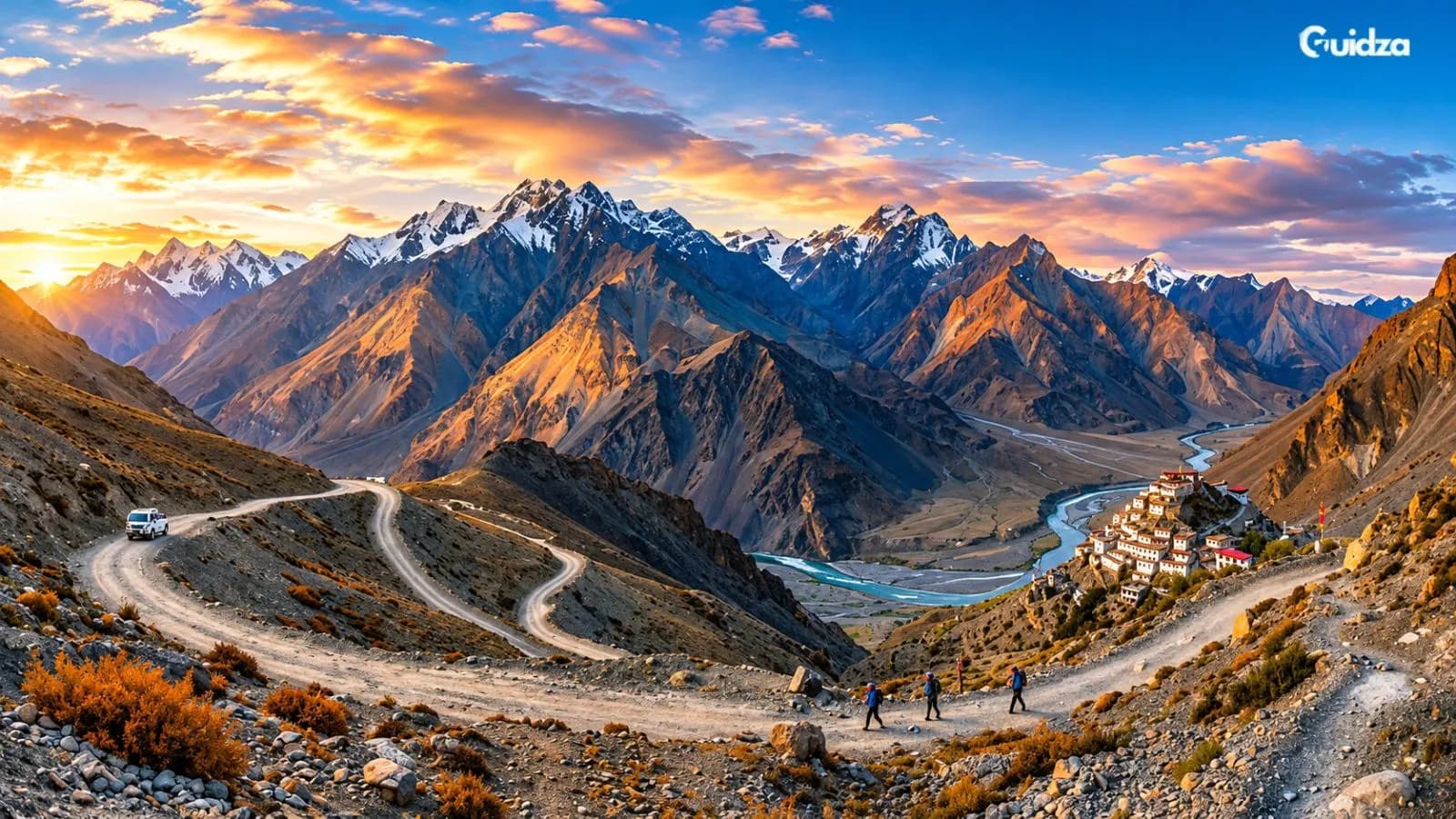
Spiti Valley sits in the northeastern corner of Himachal Pradesh, and it feels like a different country. The land is a cold, high-altitude desert of ochre cliffs, braided rivers and wide, silent valleys. Whitewashed villages cling to the slopes, and centuries-old Buddhist monasteries watch over the roads. The name is often translated as “the middle land”, a reference to its position between India and Tibet, and the culture here reflects both worlds.
People come for different reasons. Some want a long Himalayan road trip, some want to spend a few quiet days in a village above 4,000 metres, and others come for monasteries, night skies or high-altitude trekking. This Spiti Valley travel guide is the starting point for planning any of those trips. It explains where Spiti is, which places are worth your time, what to do there, when to go, how to get there, how many days to allow, what the trip might cost, and how to stay safe and respectful once you arrive.
A note on accuracy: road access, permit rules, fuel and ATM availability, and prices in Spiti change with the season and with the weather. Treat everything below as planning guidance, and confirm current conditions with local authorities, your accommodation hosts and recent traveller reports before you leave.
Where Is Spiti Valley?
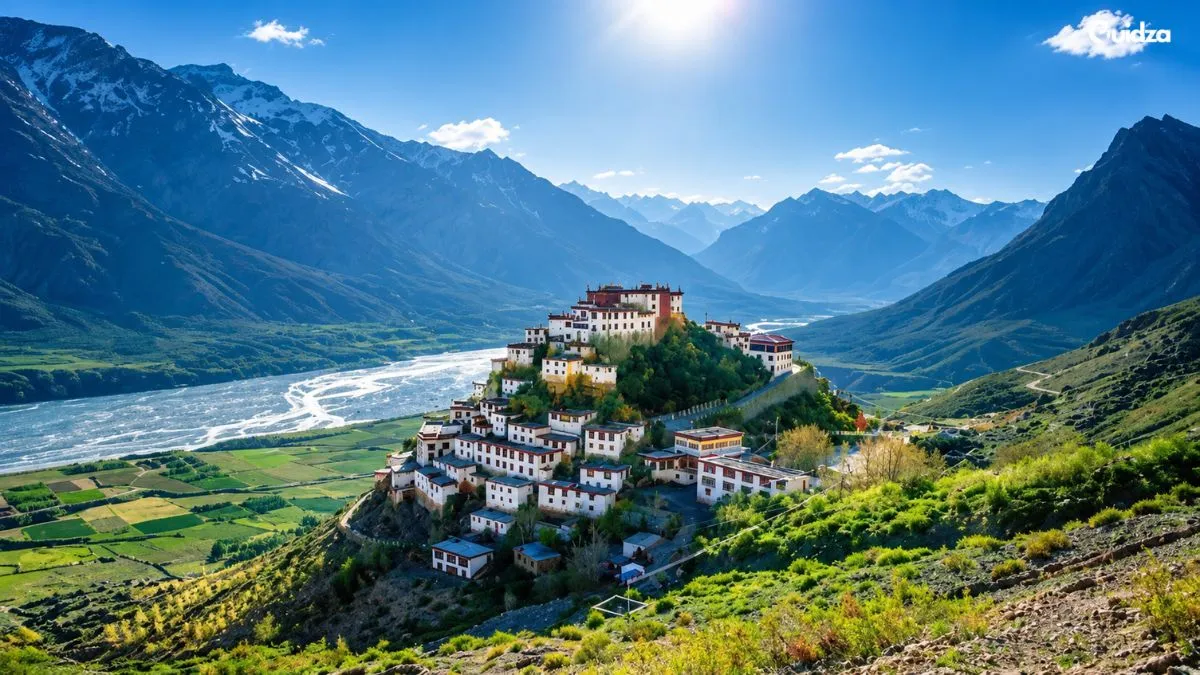
Spiti Valley is in the Lahaul and Spiti district of Himachal Pradesh, in northern India. It lies in the rain shadow of the higher Himalayan ranges, which is why it is so dry and barren compared with the green hills of Kullu or Shimla. The Spiti River runs through the valley and is fed by snowmelt from the surrounding peaks.
Most of the inhabited valley sits at roughly 3,000 to 4,500 metres above sea level, and several villages and passes are higher still. The administrative centre is Kaza, which is also the main base for travellers.
What sets Spiti apart from other Himalayan destinations:
- Landscape: barren mountains, fossil-rich rock, river plains and glacial valleys rather than forests and meadows.
- Culture: Tibetan Buddhism shapes daily life, architecture and festivals, and many villages are centred on a monastery.
- Remoteness: distances look short on a map but take a long time on mountain roads, and services thin out quickly outside Kaza.
- Pace: it rewards slow travel. The altitude, the road conditions and the scenery all push you to take your time.
Best Places to Visit in Spiti Valley
This section is an overview of the main Spiti Valley tourist places. Each could support its own detailed article, so we cover only what helps you decide where to go.
Kaza
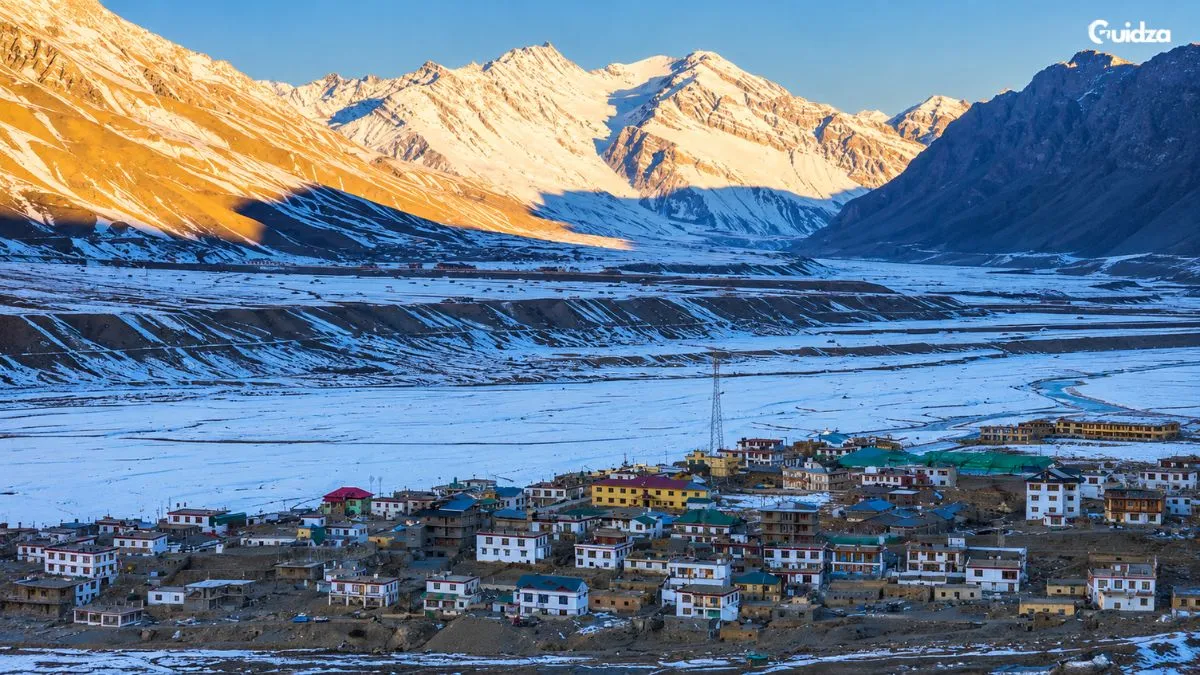
Kaza is the largest town in the valley and the practical hub for most trips. It has the widest choice of guesthouses, cafes, shops, a market and basic services. It is also the usual base for day trips to Key, Kibber, Langza, Hikkim and Komic. Even if you prefer village stays, you will probably pass through Kaza to restock and plan the next stretch.
Key Monastery (Kee Gompa)
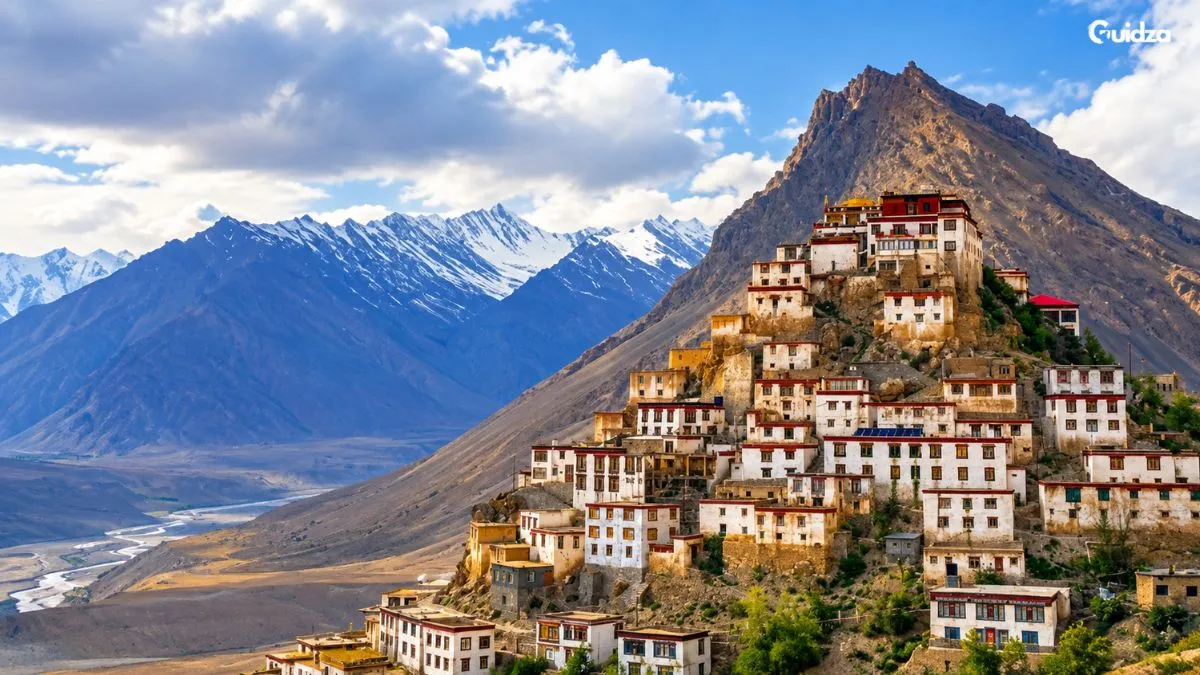
Key Monastery is one of the best-known landmarks in Spiti. It sits on a hilltop above the Spiti River, and its stacked, whitewashed buildings look striking against the surrounding slopes. It is a working monastery of the Gelug tradition and a place for study and prayer. Visit in the morning if you can, when light is good and the monks’ routines are visible. Dress modestly, keep your voice low and ask before photographing inside prayer halls.
Kibber Village
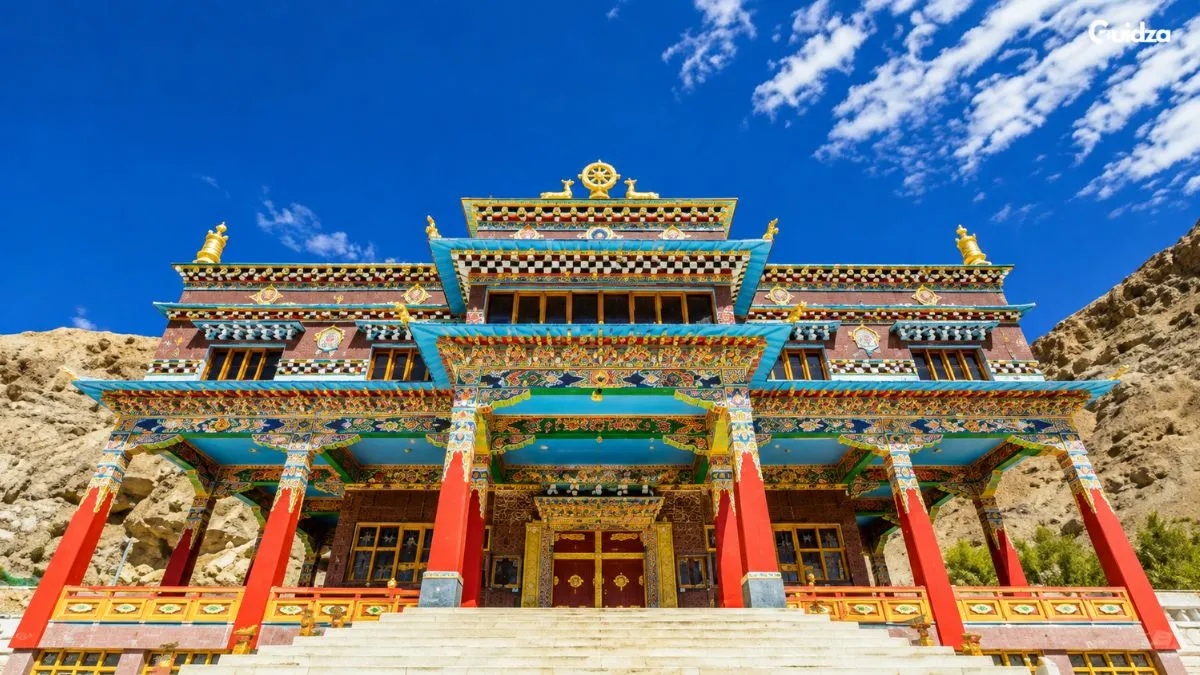
Kibber is a high-altitude village known for its stone houses and wide mountain views. It is a good place for a village walk, a homestay and a clear look at how people live at altitude. Because it is high, give yourself time to adjust to the thinner air before climbing or walking far. Check current wildlife-viewing arrangements locally if you are interested in the surrounding landscapes.
Langza Village
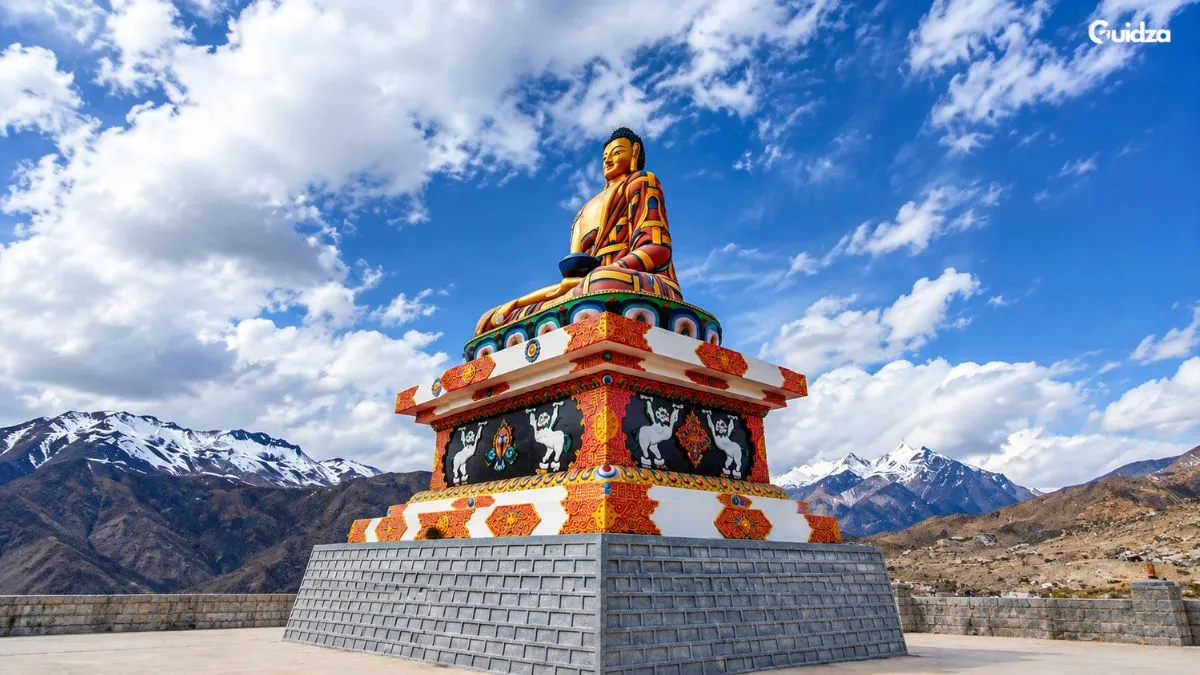
Langza is a small village surrounded by open fields and mountain views. It is often visited for its quiet atmosphere and its sense of space, and many travellers come for its sunrise and sunset light. Its setting makes it a good place for photography and slow mornings rather than a checklist visit.
Hikkim
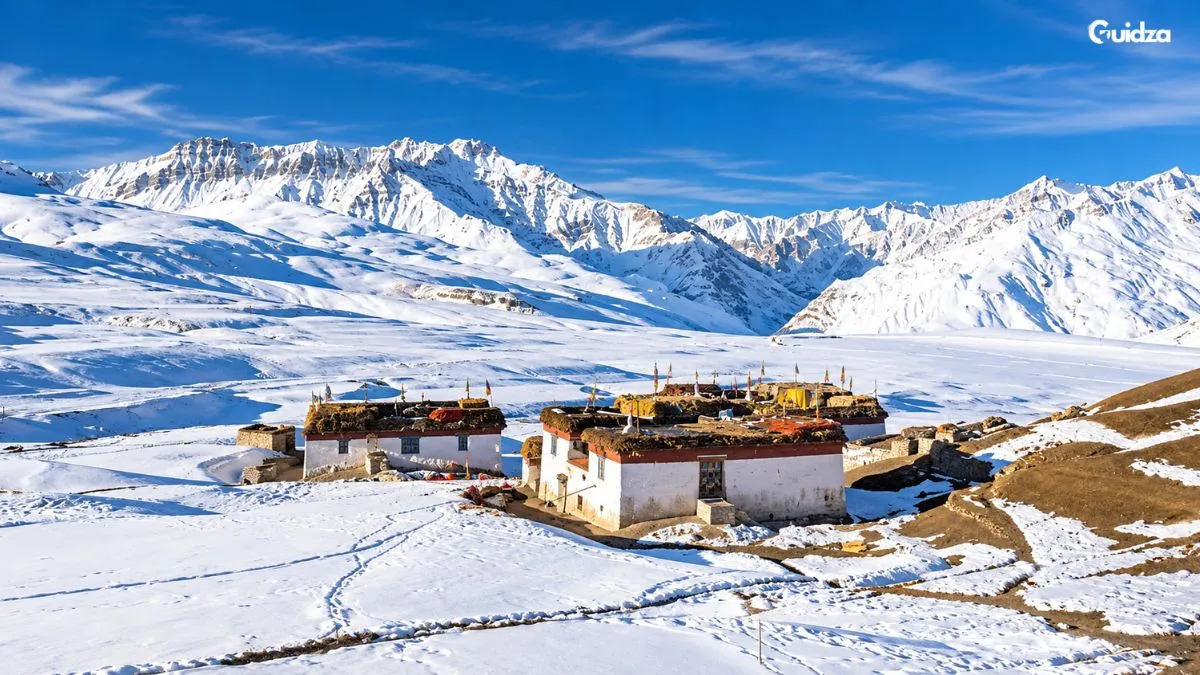
Hikkim is best known for its small post office, which is widely promoted as one of the highest in the world. Travellers often post a card from here as a keepsake. The village itself is modest and is easily combined with Langza and Komic in a single day. Postal timings are limited, so do not plan the whole day around it.
Komic
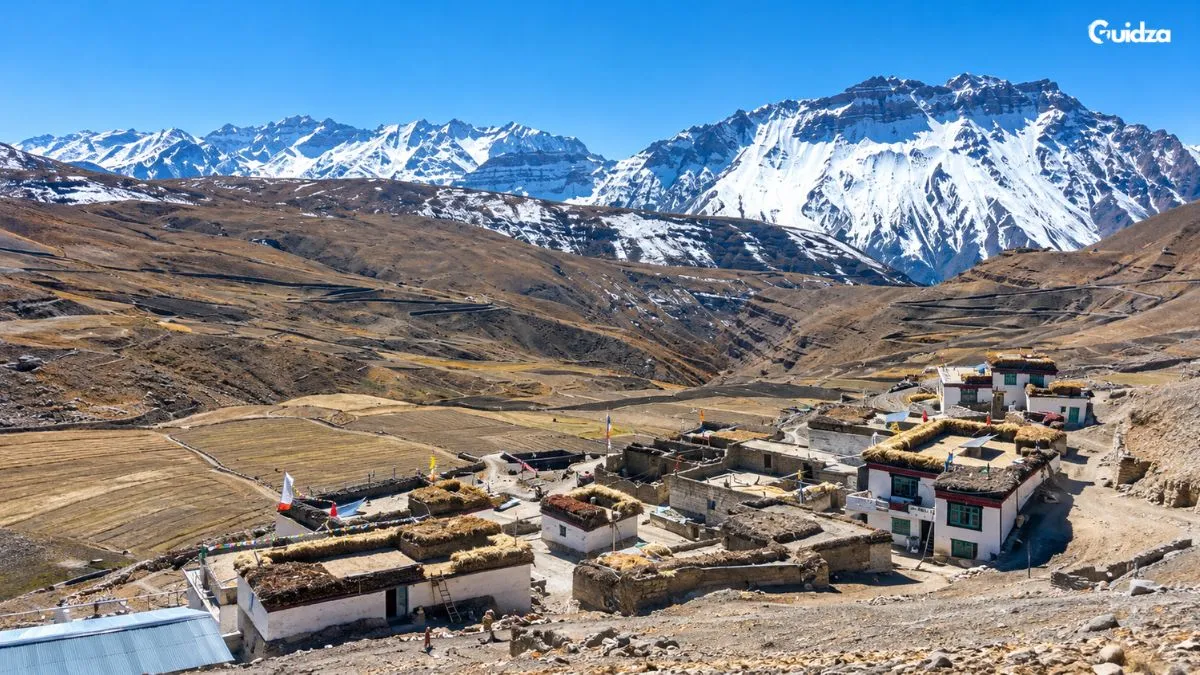
Komic is another of Spiti’s highest settlements, often described as among the highest villages in the world linked by a motorable road. Its monastery and quiet surroundings make it a good add-on to a Langza and Hikkim day trip. At this elevation, weather can turn quickly, so carry layers and water even for a short visit.
Dhankar Monastery and Dhankar Lake
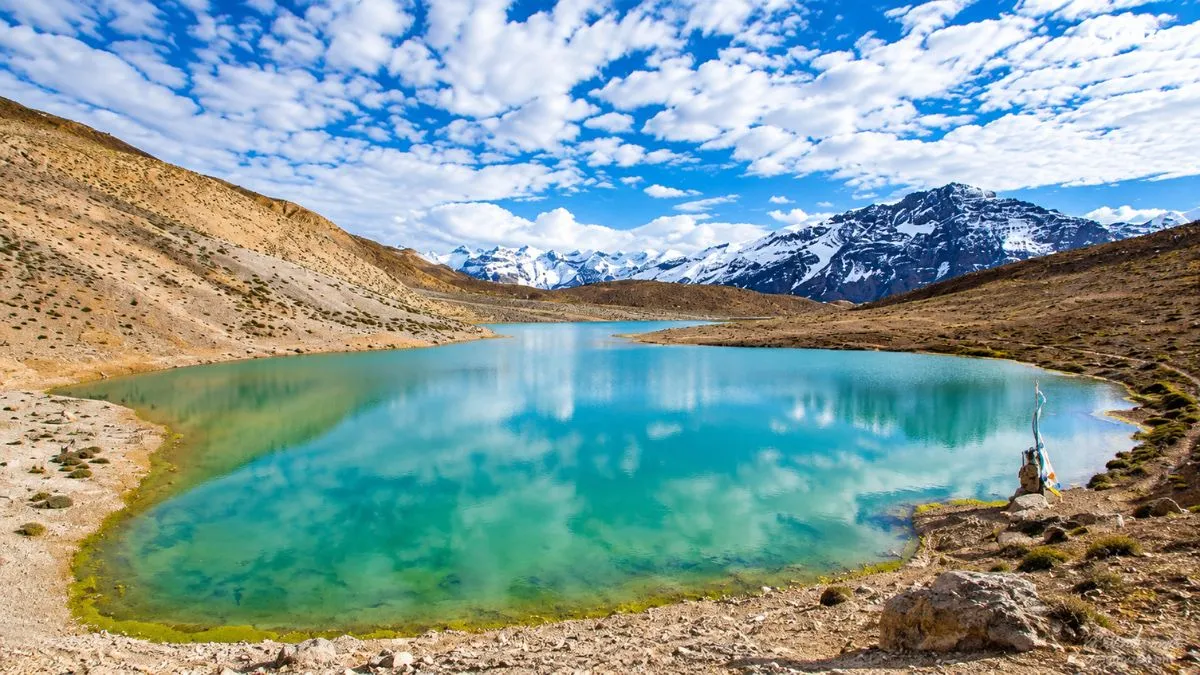
Dhankar Monastery is perched dramatically on a spur above the meeting point of the Spiti and Pin rivers. Its cliffside setting is one of the most photographed in the valley. A trail leads from Dhankar village up to Dhankar Lake, a short but demanding walk at altitude. Go slowly, carry water and turn back if you feel unwell.
Pin Valley National Park
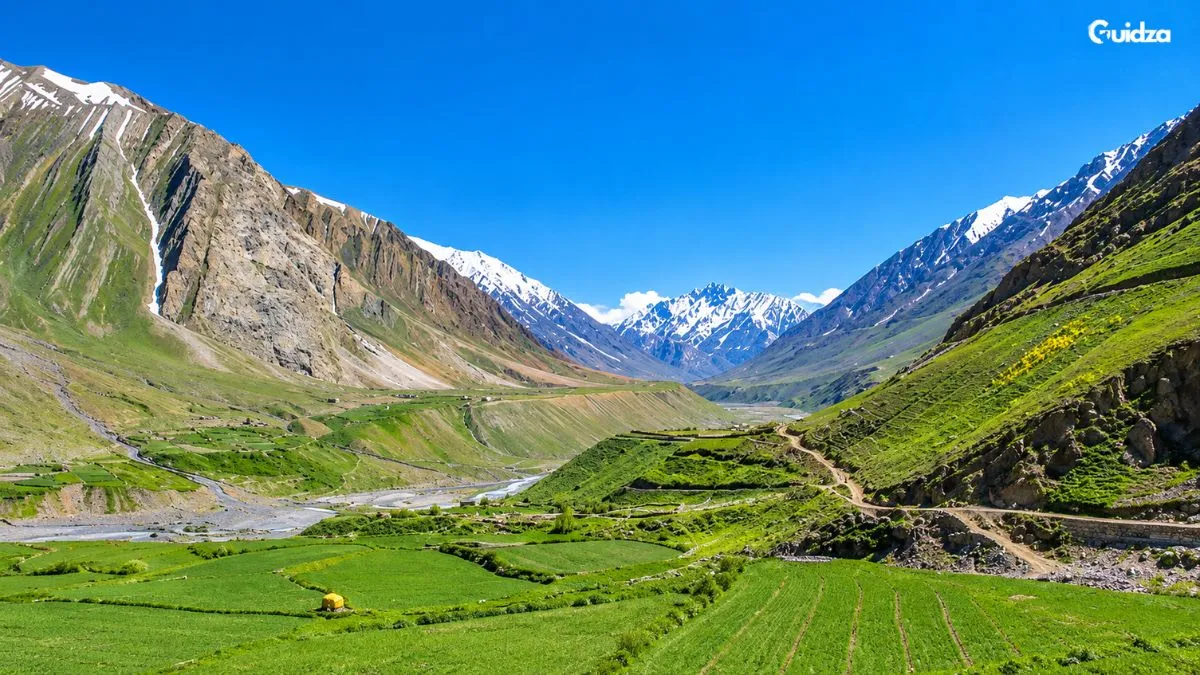
Pin Valley is a side valley with a quieter, more rugged character than the main Spiti corridor. The national park protects high-altitude cold-desert habitat, and it is known as a place where travellers sometimes hope to spot Himalayan wildlife. Sightings are never guaranteed. Access depends on season and road conditions, and some areas are strictly regulated, so check what is open and whether any permits or guides are required.
Tabo Monastery
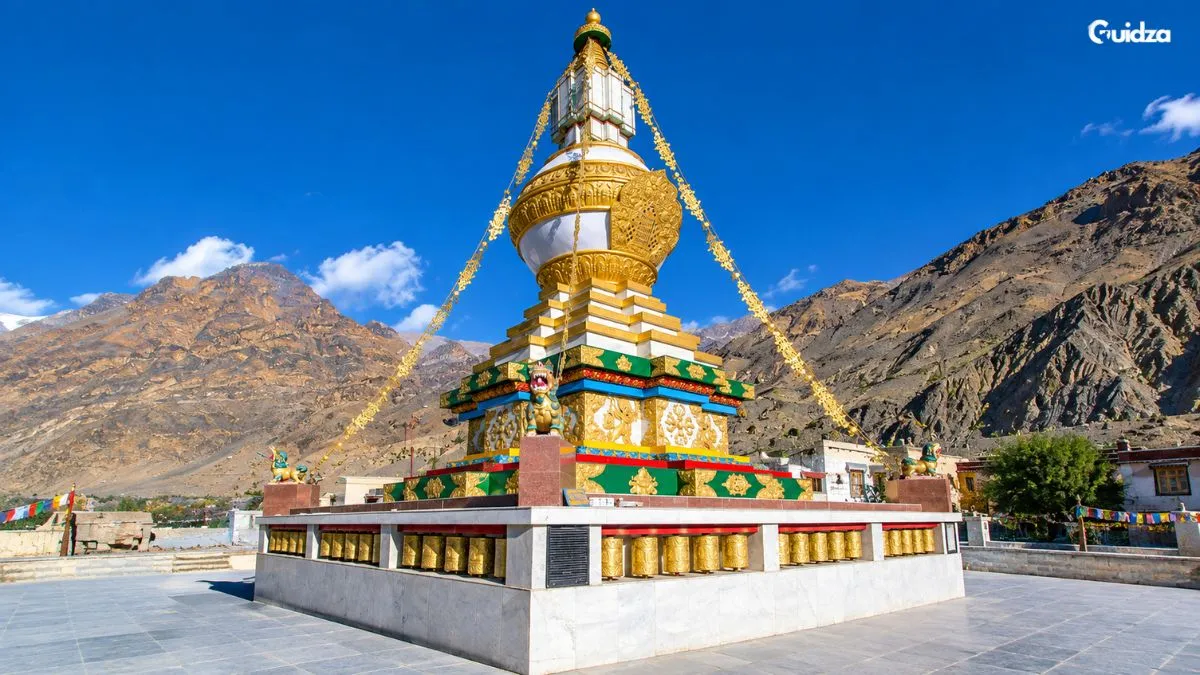
Tabo is among the oldest continuously functioning Buddhist monastic complexes in the Himalaya, traditionally dated to the late tenth century. It is known for its ancient murals and clay sculptures inside the temple halls. It is usually reached early or late in a trip depending on your route, and it rewards a slow visit. Photography rules inside the halls can be strict, so follow the posted guidance.
Chandratal Lake
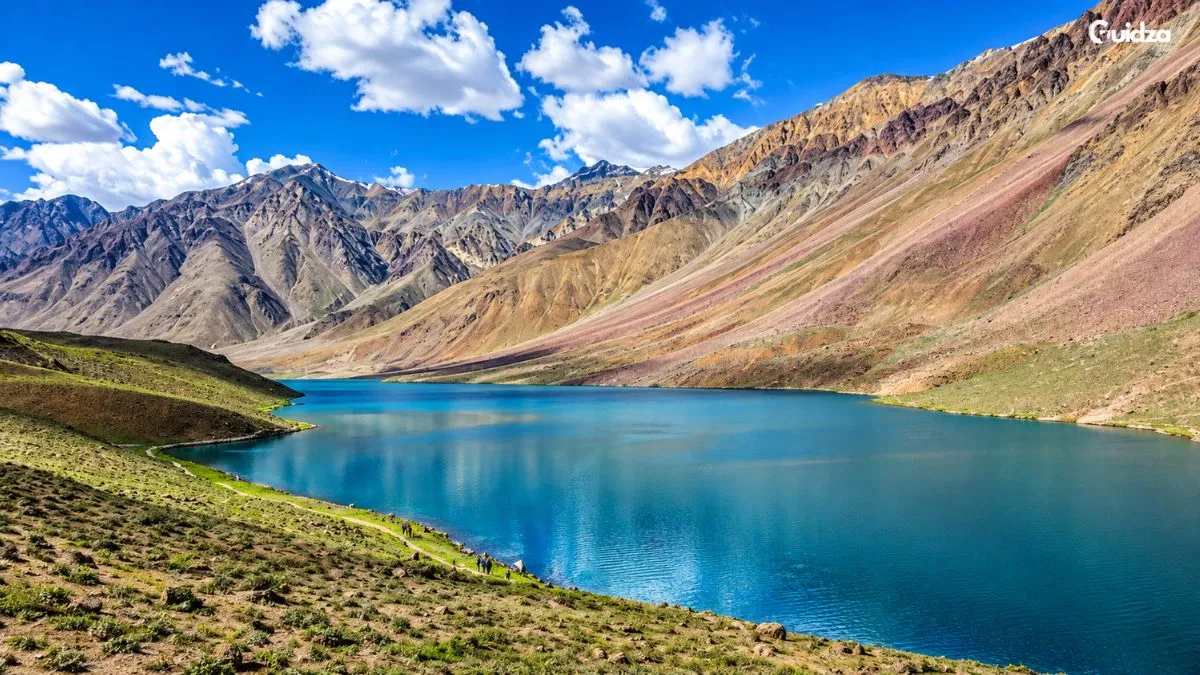
Chandratal is a high-altitude crescent-shaped lake, famous for its changing colours and the surrounding peaks. It is seasonal. Access depends on snow clearance and road conditions on the approach, and it is usually reached from the Manali side of the circuit. Camping and facilities near the lake are regulated, and rules change, so confirm what is permitted before you go. Treat it with care: carry out all waste and stay on designated paths.
Best Things to Do in Spiti Valley
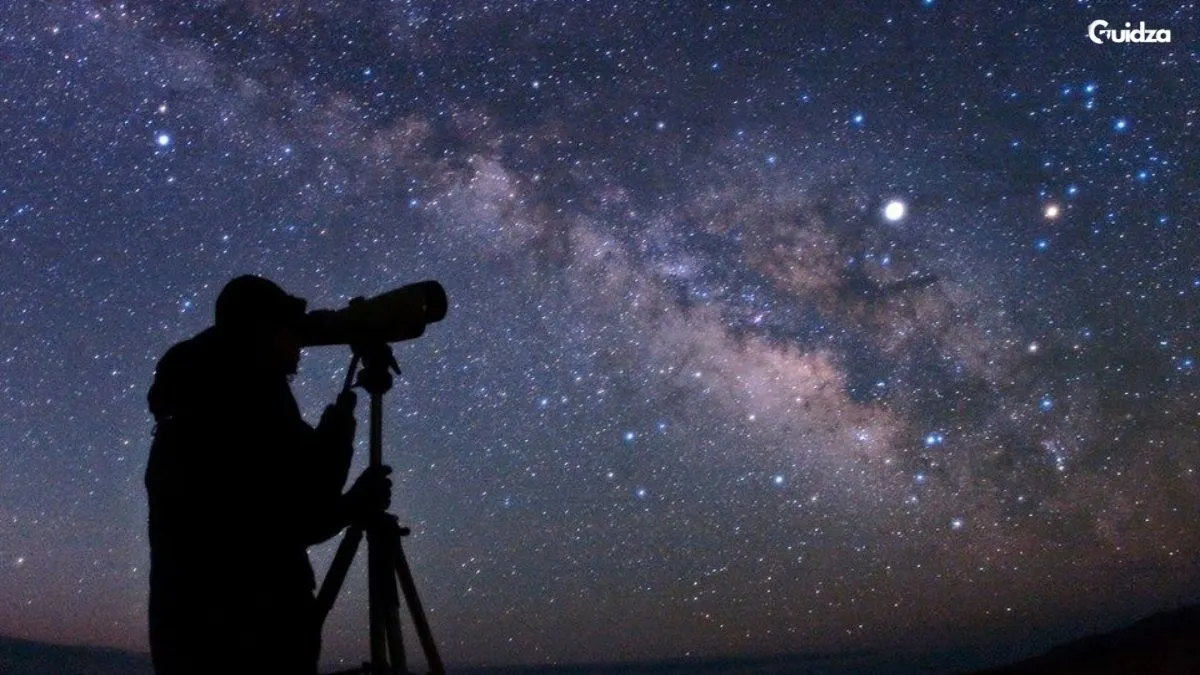
A full list of things to do in Spiti Valley would fill its own article. These are the experiences that define most trips.
- Explore monasteries. Key, Tabo and Dhankar offer a window into Tibetan Buddhist art, architecture and daily practice. Suitable for all travellers, though some stairs and steep paths are tiring at altitude.
- Visit high-altitude villages. Kibber, Langza, Hikkim and Komic are best experienced slowly, with tea, a walk and a conversation with your hosts.
- Photograph the landscape. Early morning and late afternoon give the best light. Carry spare batteries, since cold drains them faster.
- Stargaze. Clear skies, high altitude and very little light pollution make Spiti one of the better places in India to see the night sky. Dress warmly, because nights are cold even in summer.
- Experience local culture and food. Stay in a homestay, share meals where invited, and learn about the festivals and customs of the valley.
- Take a scenic road trip. The drive itself is a highlight. It suits road-trip lovers, but it is demanding and weather-dependent, so build in buffer days.
- Visit Pin Valley where conditions permit. Better for travellers who are comfortable with remote, less-developed stretches and flexible plans.
- Visit high-altitude attractions responsibly. Take it easy on your first days, respect local rules and avoid pushing on if you feel unwell.
Who is it suitable for? Families and first-timers can enjoy monasteries, villages and short viewpoints. Adventure travellers can add trekking or longer drives. Solo travellers and couples often prefer homestays for the company and local insight. Whatever your style, high altitude is the main limiting factor. See the tips section below.
Best Time to Visit Spiti Valley
The best time to visit Spiti Valley depends on what you want from the trip and which route you plan to use.
Season
What to expect
Late spring to early summer (roughly May–June)
Roads begin to open as snow is cleared, and the valley is cold but increasingly accessible. Some high routes may open later than others.
Summer (roughly July–August)
Generally the most accessible season, with green patches in the lower valleys. This is also the monsoon period in much of Himachal, so landslides and road disruptions are possible on approach routes.
Early autumn (roughly September–early October)
Often clear skies and crisp light, with fewer crowds. Temperatures drop steadily, and the high routes can close as winter approaches.
Winter (roughly November–March)
Heavy snow, extreme cold and limited transport. Some travellers go for the stark beauty, but it requires serious preparation, flexible plans and the right local support.
Shimla–Kinnaur route vs Manali route. The route via Shimla and Kinnaur is generally the one that stays open for longer through the year, although it can still be disrupted by landslides and snow. The route from Manali, which crosses high passes, is seasonal and typically open only during the warmer months. Many travellers combine the two as a loop, going in one way and out the other.
Important: exact opening and closing dates change each year. Check recent road updates from local authorities and your stay hosts before you commit to a route.
How to Reach Spiti Valley
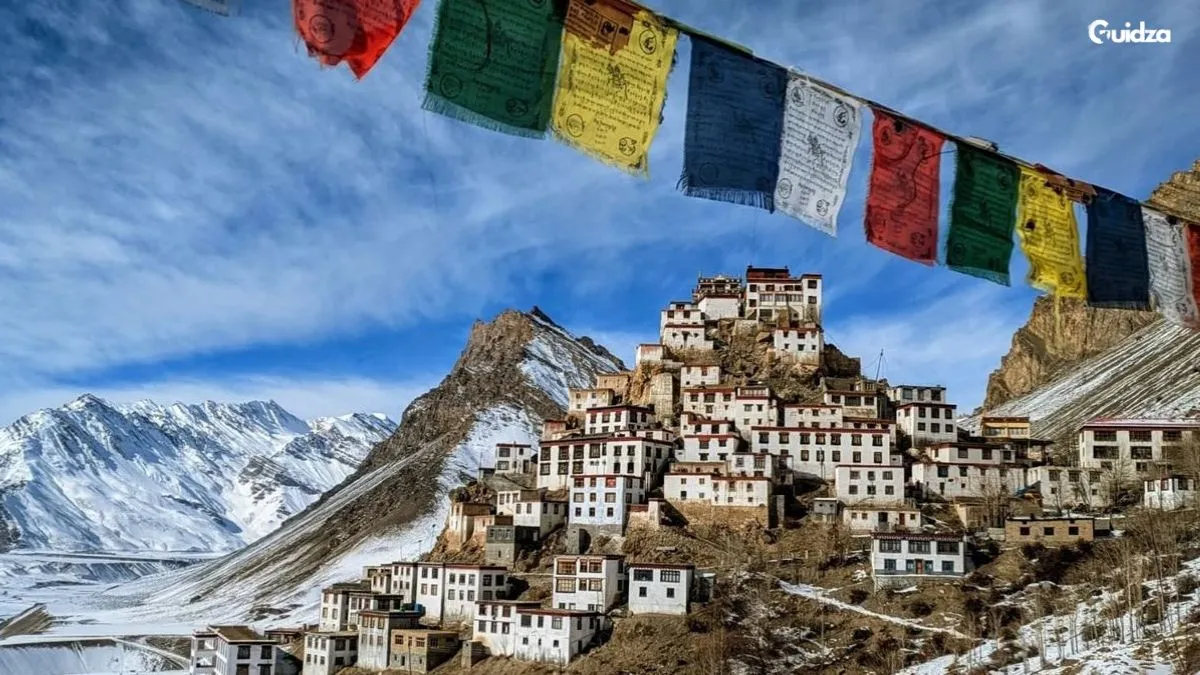
Spiti has no airport or railway station inside the valley, so almost every journey involves a long road leg. The two broad entry routes are via Shimla and Kinnaur, and via Manali.
- Delhi to Spiti Valley: Travellers usually go by road, via Chandigarh and Shimla (then on through Kinnaur) or via Manali. Many take an overnight bus or train to a hill town first, then continue by road. It is a multi-day journey, and it is wise not to attempt it in a rush.
- Chandigarh to Spiti Valley: Chandigarh is a convenient gateway, with rail, air and road links. From here, the road climbs toward Shimla or Manali before continuing to Spiti.
- Shimla to Spiti Valley: This is the longer approach through Kinnaur, following the Sutlej and then the Spiti river. It lets your body adjust gradually, and it is generally the more dependable option when the high passes are closed.
- Manali to Spiti Valley: This route crosses high mountain passes and runs through remote stretches. It is shorter on the map but is seasonal and can be harsh. It is also the main access for Chandratal.
Transport options. Self-drive, hired taxis and shared cabs are common. State and private buses run on certain routes and schedules, but frequency is limited and changes by season. Confirm current schedules locally rather than relying on old timetables. If you self-drive, make sure your vehicle is suitable for rough mountain roads, carry basic tools and plan fuel stops carefully, since petrol stations are few and far between.
Permits. Rules for permits and registrations can differ for Indian nationals and foreign nationals, and they can change. Check the current requirements before you travel, and carry valid identification at all times.
Looking for route-by-route detail? That deserves its own dedicated articles on the Manali–Spiti and Shimla–Spiti routes.
How Many Days Are Enough for Spiti Valley?
Mountain distances are deceptive. A stretch that looks short on a map can take most of a day because of road quality, altitude, weather and photo stops.
- Short trip (around 5 days): feasible if you are travelling with an efficient plan, but you will spend much of it on the road. Best if you choose one entry route and concentrate on a few key places.
- Comfortable trip (about 7 days): a more realistic length for most first-time visitors, giving you time to acclimatise, see the main monasteries and villages, and absorb a buffer for delays.
- Relaxed exploration (8–10 days or more): ideal if you want to add Pin Valley, Chandratal, short treks or more time in homestays.
Whatever the length, add at least one flexible day for weather or road disruptions.
Suggested Spiti Valley Itinerary
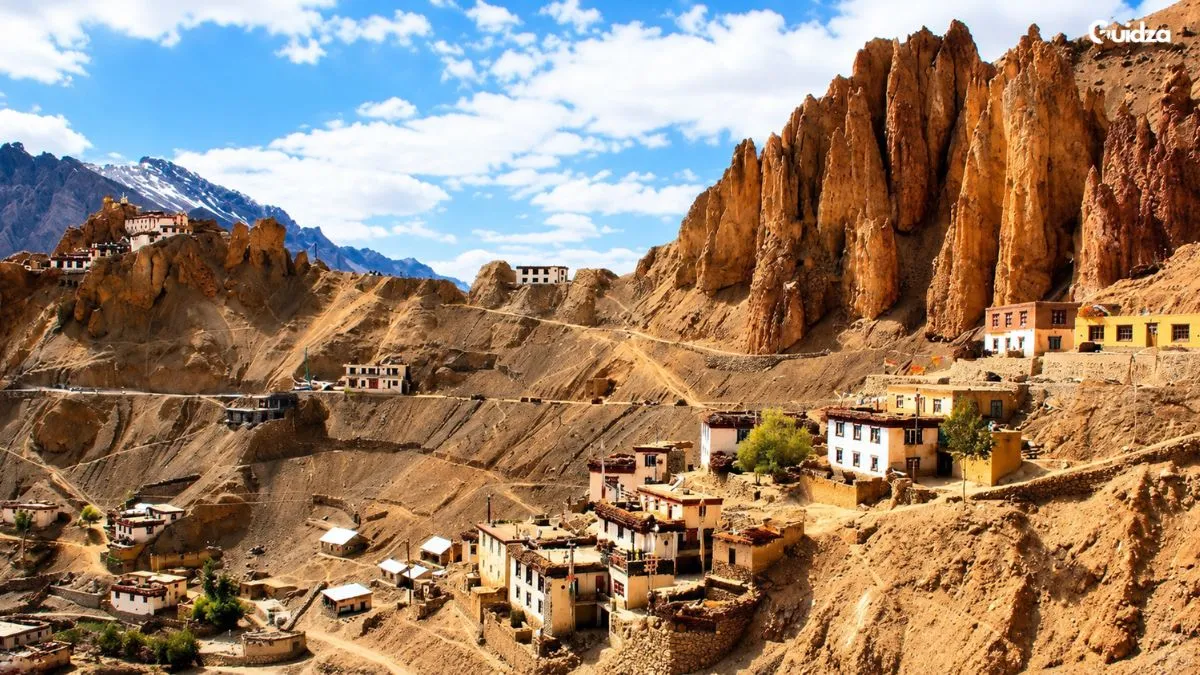
This is a sample 7-day plan for a loop through Shimla, Kinnaur, Spiti and Manali. It is only a framework. Adjust it to current road conditions, the season and your group’s comfort with altitude. Travel times are intentionally not listed, as they vary widely.
- Day 1: Reach the hills. Travel from Delhi or Chandigarh toward Shimla or a nearby hill stop. Keep the first day light.
- Day 2: Shimla to Kinnaur. Continue along the Sutlej valley, stopping in a lower-altitude Kinnaur village to begin acclimatising.
- Day 3: Kinnaur to Tabo or Kaza. Enter Spiti. Tabo is a good first stop for its monastery and a gradual altitude gain. Rest well.
- Day 4: Kaza and nearby villages. Visit Key Monastery and Kibber. Keep the day relaxed.
- Day 5: Langza, Hikkim and Komic. Take in the high villages and the post office. Return to Kaza or stay in a village homestay.
- Day 6: Kaza toward Manali (only when the high-pass route is open). Chandratal can be added as a detour if conditions and your schedule allow. Otherwise, plan a return via the Shimla side.
- Day 7: Manali onward. Continue to your onward transport.
Pacing and acclimatisation. Ascend gradually, avoid heavy exertion on your first days at height, and do not sleep at a much higher altitude than the previous night if you are feeling unwell.
Flexibility. Landslides, snowfall and road closures happen. A spare day built into the plan is far better than a rushed schedule. A dedicated 7-day Spiti Valley itinerary article can cover day-by-day detail.
Spiti Valley Trip Cost
The cost of a Spiti Valley trip varies widely, so this guide does not quote fixed figures. Your total will depend on these main factors:
- Transportation: The biggest variable. Self-drive, shared cabs, private taxis and buses all have different cost profiles. Fuel, vehicle hire and the number of travellers sharing a vehicle all matter.
- Accommodation and homestays: Rates differ by season, location, facilities and whether meals are included.
- Food: Meals in small villages can be simple and fairly priced, but remote supply chains can push prices up.
- Local sightseeing: Some travellers hire a local taxi for day trips from Kaza. Costs depend on distance, season and group size.
- Permits and fees: Applicable permits, monastery donations and park entry fees, where relevant.
- Activities and extras: Treks, guides, gear rental, photography equipment, insurance, emergency buffer and souvenirs.
How to estimate your budget. Get current quotes from at least a few operators or hosts for your specific dates and group size. Peak season generally costs more, and shoulder season may offer better value but with higher weather risk. Build in an emergency buffer for extra nights caused by delays.
Essential Spiti Valley Travel Tips
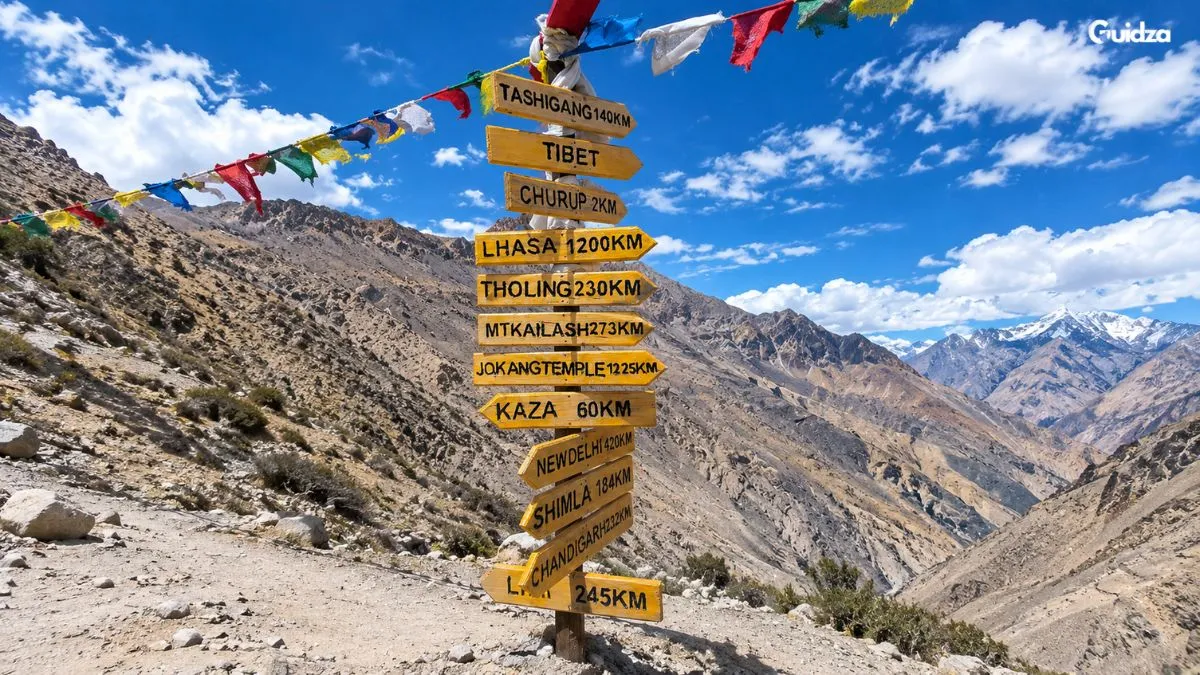
Acclimatisation and altitude awareness
Altitude sickness can affect anyone, regardless of fitness. Typical early signs include headache, nausea, dizziness, unusual fatigue and poor sleep. Go up gradually, drink water regularly, avoid alcohol early on and rest if you feel off. If symptoms worsen or include confusion, breathlessness at rest, or loss of coordination, descend and seek medical help immediately. Speak to a doctor before travelling, especially if you have heart, lung or other chronic conditions, are pregnant, or are travelling with children or older adults. Do not take altitude medication without medical advice.
Packing suitable clothing
Layers matter more than a single heavy jacket. Pack thermal base layers, a fleece or insulated mid-layer, a windproof and waterproof outer shell, warm socks, gloves, a hat, sunglasses and strong sun protection. UV is intense at altitude, and the temperature swings between sunny afternoons and freezing nights are large. Sturdy walking shoes with good grip are essential.
Medicines and personal supplies
Carry your regular prescriptions, a basic first-aid kit, oral rehydration salts, pain relief, motion-sickness remedies, lip balm, moisturiser and any personal hygiene supplies you may need. Pharmacies are limited outside Kaza.
Cash and connectivity
ATMs can be unreliable or out of cash, and digital payments depend on network coverage. Carry enough cash for the whole trip. Mobile connectivity is patchy, and some villages have no signal at all. Download offline maps, share your itinerary with someone at home and do not rely on being reachable.
Road and weather updates
Check road conditions and weather before each leg, not just at the start of the trip. Ask your host, local drivers or the district authorities. Avoid driving at night in the mountains.
Respecting local culture and monasteries
Dress modestly, remove footwear where required, walk clockwise around prayer wheels and stupas, ask before photographing people or inside prayer halls, and do not touch sacred objects. Be patient and polite, as these are living places of worship and homes.
Responsible tourism and waste management
Spiti’s environment is fragile, and waste is hard to manage in remote areas. Carry a reusable bottle, avoid single-use plastic, take your rubbish with you where there is no disposal system, stay on marked trails and conserve water and electricity in homestays.
Travel insurance and emergency preparation
Consider travel insurance that covers high-altitude travel and medical evacuation, and check what your policy includes. Keep emergency contacts, ID copies and any medical information on you. Medical facilities in the valley are limited, so serious cases may require transfer to larger hospitals elsewhere.
Where to Stay in Spiti Valley
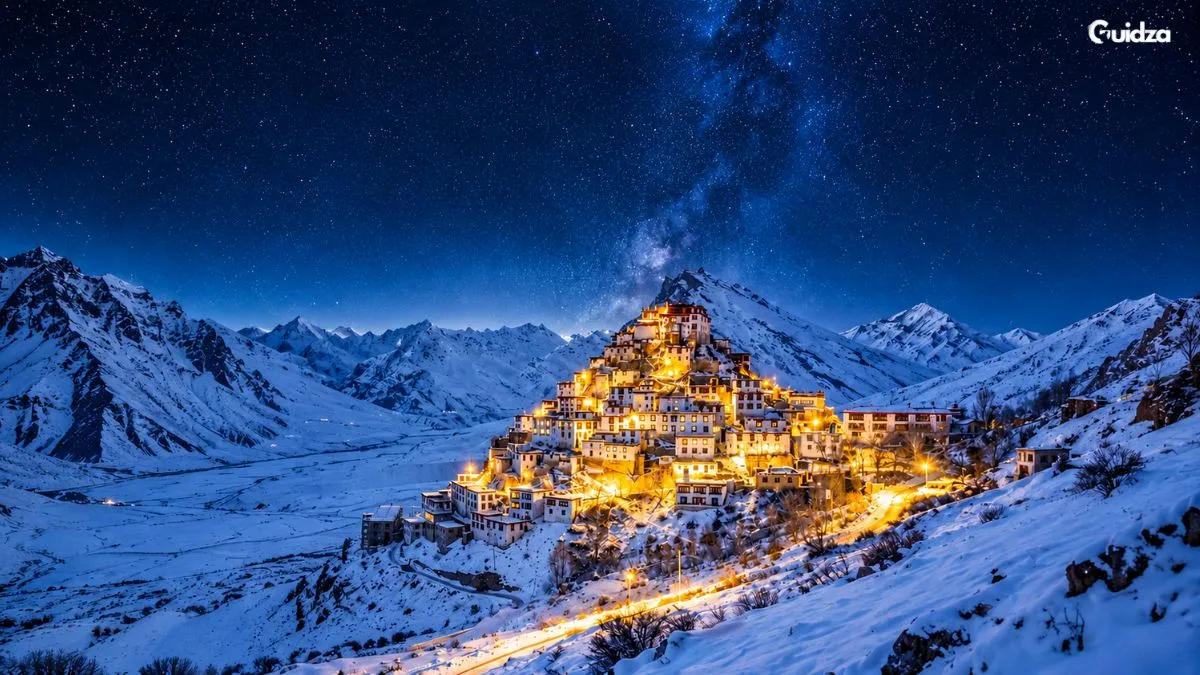
Accommodation in Spiti ranges from simple guesthouses and homestays to hotels and camps.
- Homestays: Family-run, often with home-cooked meals and a good insight into local life. Facilities can be basic, and hot water and heating may be limited.
- Guesthouses and hotels: More common in Kaza and larger villages, with a wider range of facilities and easier booking.
- Camps: Seasonal and usually in more scenic spots. Check regulations and conditions for your dates.
Your choice should reflect the season (some places close in winter), your route, how much comfort you need, and how far in advance you plan. In peak season, popular places can fill up, so book ahead where you can. In remote villages, confirm availability and basic facilities by phone before arriving.
What to Eat in Spiti Valley
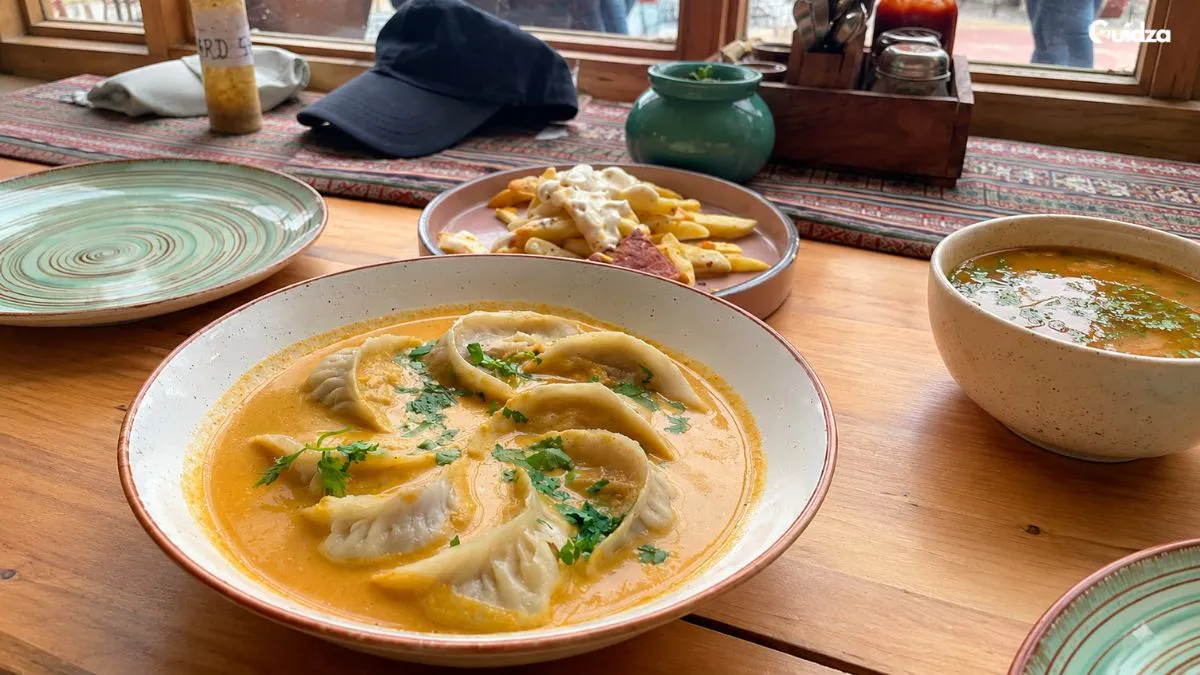
Food in Spiti is simple, warming and suited to the cold. You are likely to come across Tibetan-influenced dishes such as momos, thukpa (noodle soup) and butter tea, as well as dal, rice, bread and local seasonal produce. Many homestays serve home-cooked meals that give a taste of regional cooking.
Practical points: menus can be limited in small villages, restaurants may close in the off-season, and fresh produce is not always available. Carry some snacks, dry fruit and water for long drives. If you have dietary requirements, tell your host in advance.
Plan Your Spiti Valley Journey with Guidza
Spiti Valley rewards travellers who give it time and respect. Its monasteries, villages, open skies and vast landscapes offer something rare, but the journey asks for preparation: the right season, a realistic route, enough days to adjust to altitude and a flexible attitude when weather or roads change the plan.
Use this guide as your foundation, then go deeper on the parts of the trip that matter most to you. Explore more Himalayan destinations, road-trip guides and adventure ideas on Guidza, and start building a Spiti plan that fits your season, pace and style of travel.
Frequently Asked Questions
What is the best time to visit Spiti Valley?
Generally the warmer months, when roads are most accessible, which is typically late spring through early autumn. The right month depends on the route you choose and on current road conditions.
How many days are enough for a Spiti Valley trip?
Around 7 days works for most first-time visitors, while 5 days is possible with a tight plan. If you want to include Pin Valley or Chandratal, allow longer.
Is Spiti Valley suitable for first-time travellers?
Yes, if you plan carefully. The main challenges are altitude, long road journeys and limited services. Going with a flexible itinerary, good acclimatisation and a reliable transport option makes it far easier.
Which route is better for Spiti Valley: Shimla or Manali?
Neither is universally better. The Shimla–Kinnaur route is typically open for longer and offers a more gradual rise, while the Manali route is seasonal and more dramatic. Many travellers combine both as a loop.
What is the approximate cost of a Spiti Valley trip?
It varies widely with transport, season, group size and accommodation. Get current quotes for your own dates and keep an emergency buffer.
Is Spiti Valley safe for solo travellers? Many people travel solo in Spiti, and locals are generally welcoming. The main risks are altitude, weather, road conditions and isolation, not crime. Share your plans with someone, travel in the season with better access, and avoid remote stretches alone at night.