
Nepal Travel Guide: Best Places, Experiences, Itineraries & Travel Tips

Anika Rai
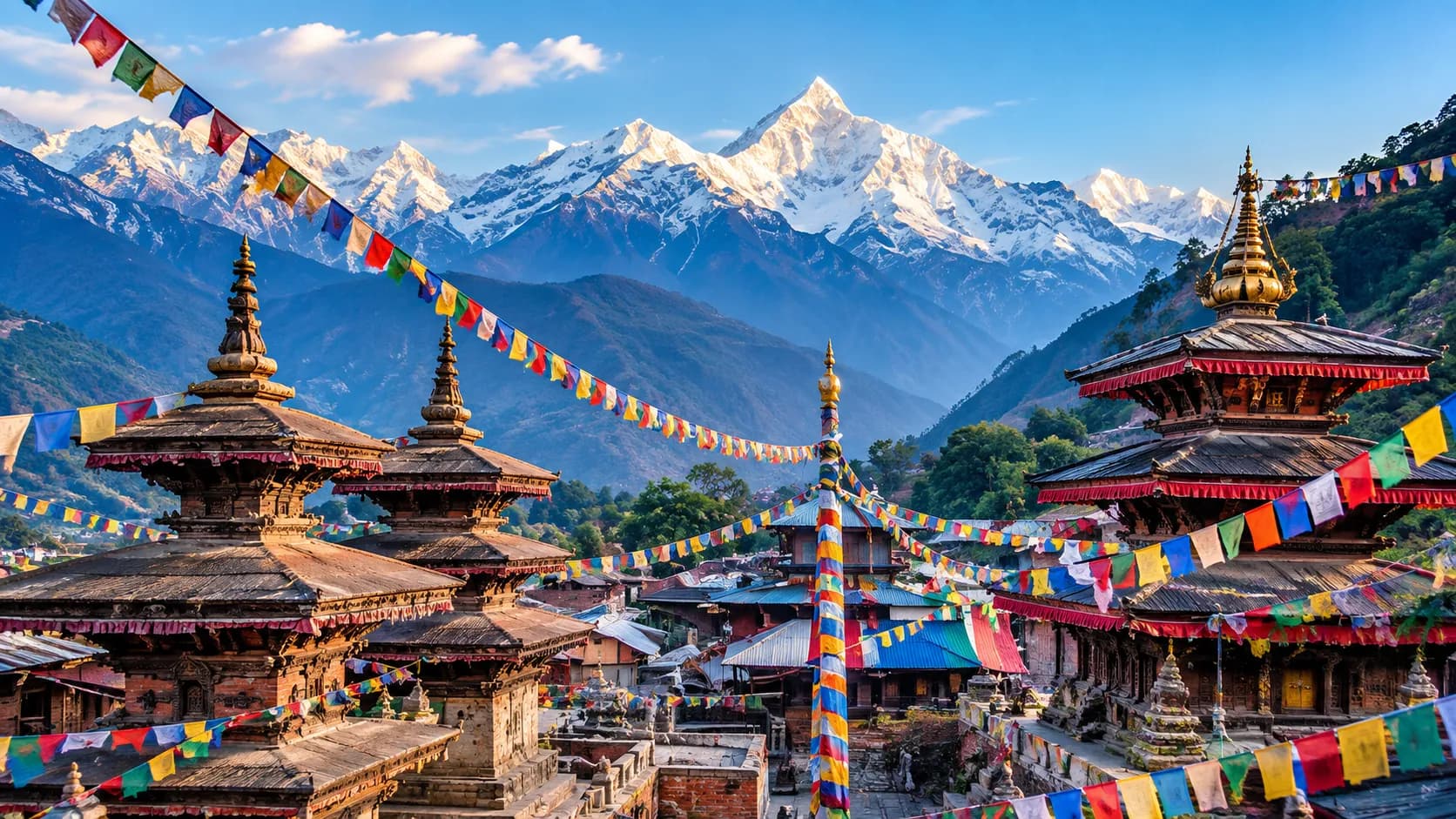
Home to eight of the world's ten highest mountains, ancient temple squares, dense jungle national parks, and some of the warmest hospitality on earth, Nepal is a small country that punches far above its weight when it comes to travel experiences. Whether you're chasing Everest Base Camp, looking for a laid-back lakeside town to relax in, or hoping to spot a one-horned rhino on a jungle safari, this Nepal travel guide covers everything you need to plan an unforgettable trip from the best places to visit in Nepal to practical Nepal travel tips that will save you time and hassle on the ground.
A Guide to Nepal's Regions
Nepal is roughly the size of Bangladesh, but its landscape shifts dramatically as you move from south to north - from steamy lowland jungle to the highest peaks on the planet. Understanding the country's main regions makes it much easier to figure out places to visit in Nepal and how to link them together.
- Kathmandu Valley is the cultural and historical heart of the country, packed with UNESCO World Heritage temple complexes, old Newar towns, and the chaotic, colorful energy of the capital city.
- Pokhara, a few hours west of Kathmandu, is Nepal's adventure and relaxation hub, sitting on a calm lake with the Annapurna range as a backdrop.
- The Everest (Khumbu) region in the northeast is the trekking capital of the world, home to Sherpa villages, monasteries, and the legendary trail to Everest Base Camp.
- Chitwan National Park, in the subtropical Terai lowlands, offers Nepal's best wildlife-watching, including rhinos, crocodiles, and if you're lucky, a Bengal tiger.
- The Annapurna region, west of Pokhara, is a trekker's paradise with routes ranging from short two-day walks to the multi-week Annapurna Circuit.
Together, these five regions form the backbone of almost every well-planned Nepal itinerary.
Best Places to Visit in Nepal
1. Kathmandu Durbar Square
Overview
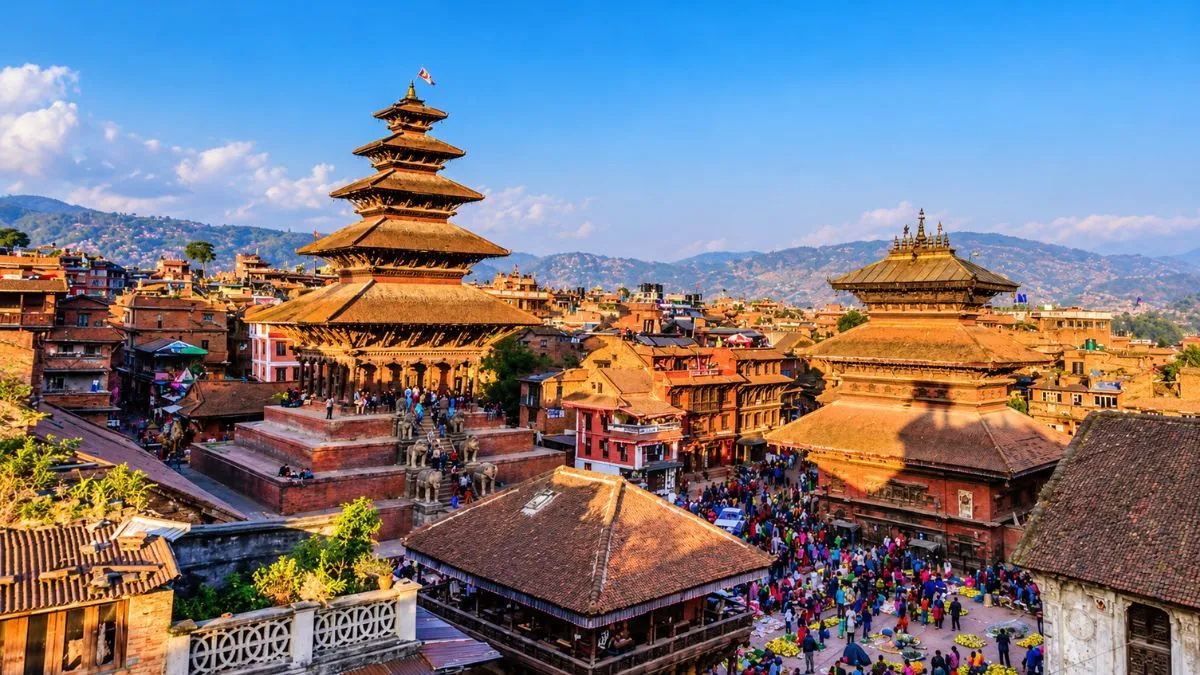
Kathmandu Durbar Square is the historic royal complex of the old Kathmandu Kingdom, and it's usually the first stop for anyone exploring the capital. It's a dense cluster of temples, courtyards, and palaces that gives you an instant sense of Nepal's Newar architecture and history.
Highlights & key things to do
Wander through the Hanuman Dhoka Palace complex and its intricately carved wooden windows. Visit the Kumari Ghar, home of Nepal's "Living Goddess," for a chance to glimpse this unique tradition. Explore the narrow lanes around the square, lined with spice stalls, metalwork shops, and street food vendors selling momos and chatamari.
Recommended time: 2–3 hours
2. Swayambhunath (Monkey Temple)
Overview
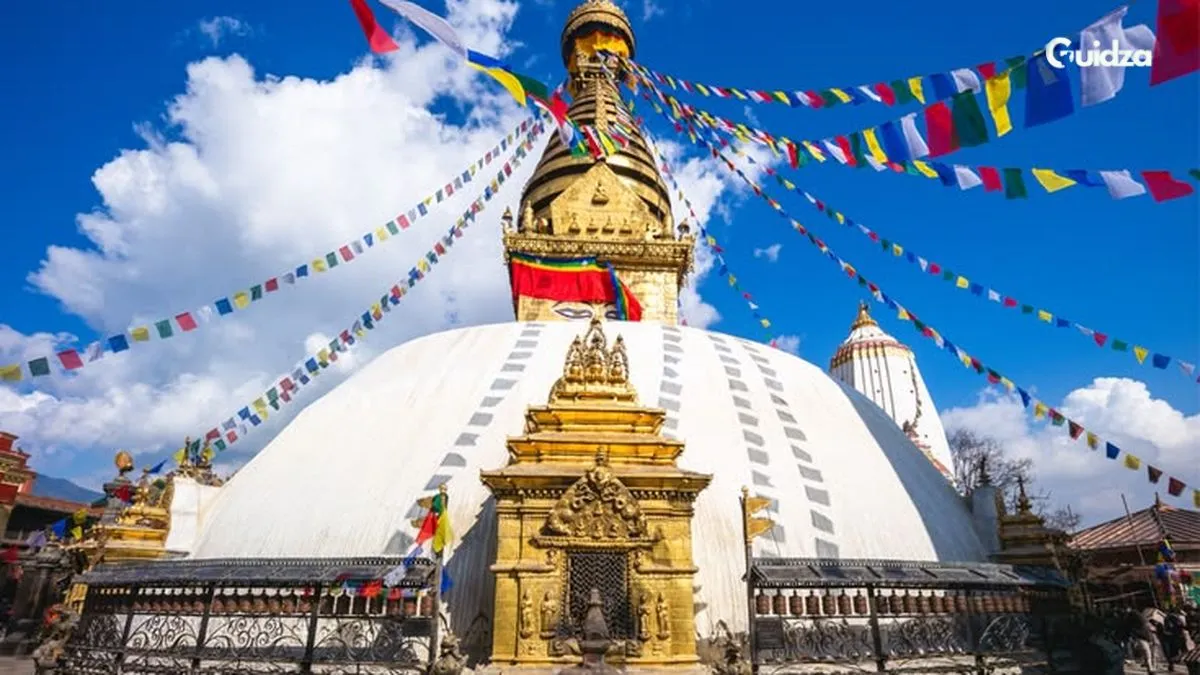
Perched on a hilltop above Kathmandu, Swayambhunath is one of the oldest and most sacred Buddhist sites in Nepal. The white stupa with its painted watchful eyes is one of the most recognizable images associated with any Nepal travel guide.
Highlights & key things to do
Climb the 365 stone steps to the main stupa for sweeping views over the Kathmandu Valley. Spin the prayer wheels lining the path while local macaques scamper around the grounds. Time your visit for sunset, when the whole valley glows gold below you.
Recommended time: 1.5–2 hours
3. Boudhanath Stupa
Overview
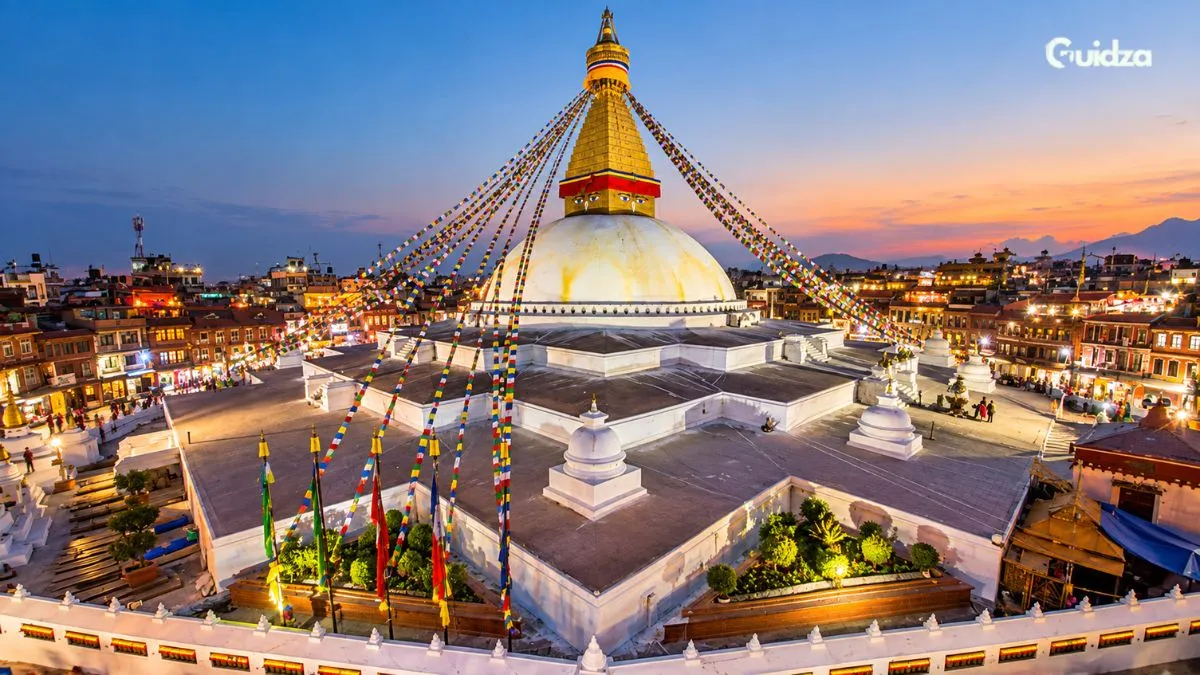
One of the largest stupas in the world, Boudhanath sits at the center of Kathmandu's Tibetan community and is a deeply important pilgrimage site. It's easily one of the most peaceful, atmospheric experiences in the whole city.
Highlights & key things to do
Join pilgrims walking clockwise around the stupa, spinning prayer wheels as they go. Grab a rooftop coffee at one of the cafes overlooking the stupa, especially beautiful at dawn or dusk when butter lamps are lit. Browse the surrounding lanes for Tibetan handicrafts, thangka paintings, and prayer flags.
Recommended time: 1.5 hours
4. Pokhara and Phewa Lake
Overview
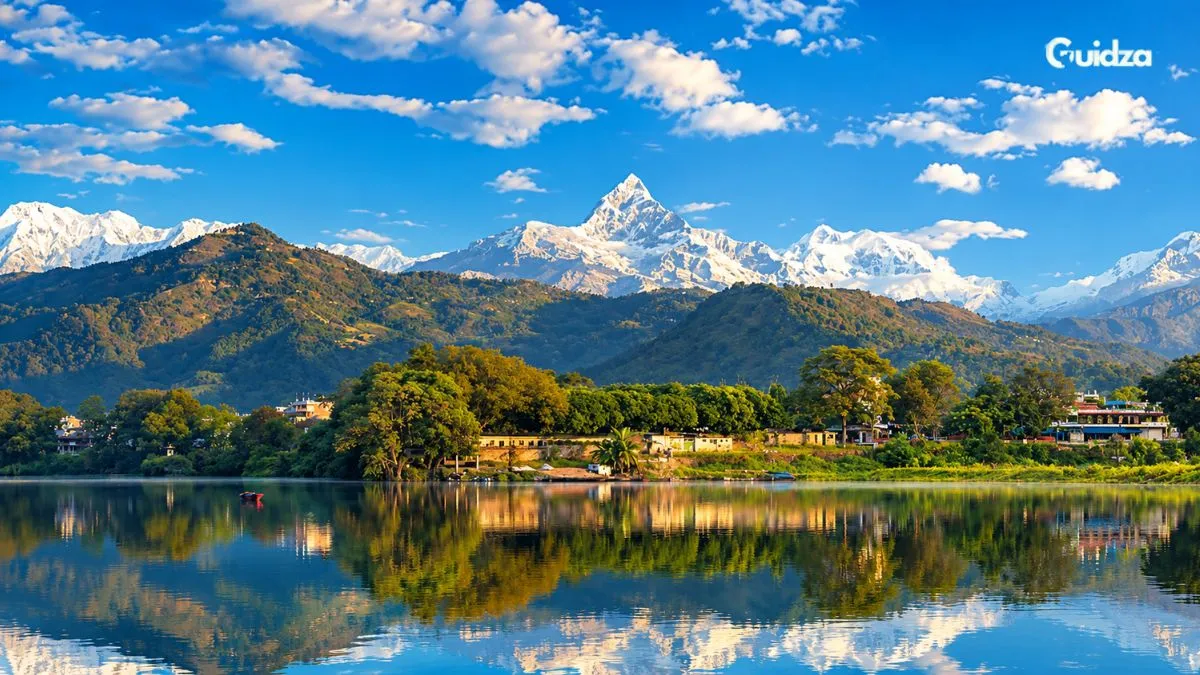
Pokhara is Nepal's most relaxed major city, built around the calm waters of Phewa Lake with the snow-capped Annapurna range rising dramatically behind it. It's the natural base for anyone planning a trek or simply wanting to unwind.
Highlights & key things to do
Rent a rowboat and paddle out on Phewa Lake toward the Tal Barahi Temple. Watch sunrise or sunset from Sarangkot for one of the best mountain panoramas in the country. Explore the lakeside strip of restaurants, bars, and shops in the Lakeside neighborhood.
Recommended time: 2–3 days
5. Everest Base Camp Trek
Overview
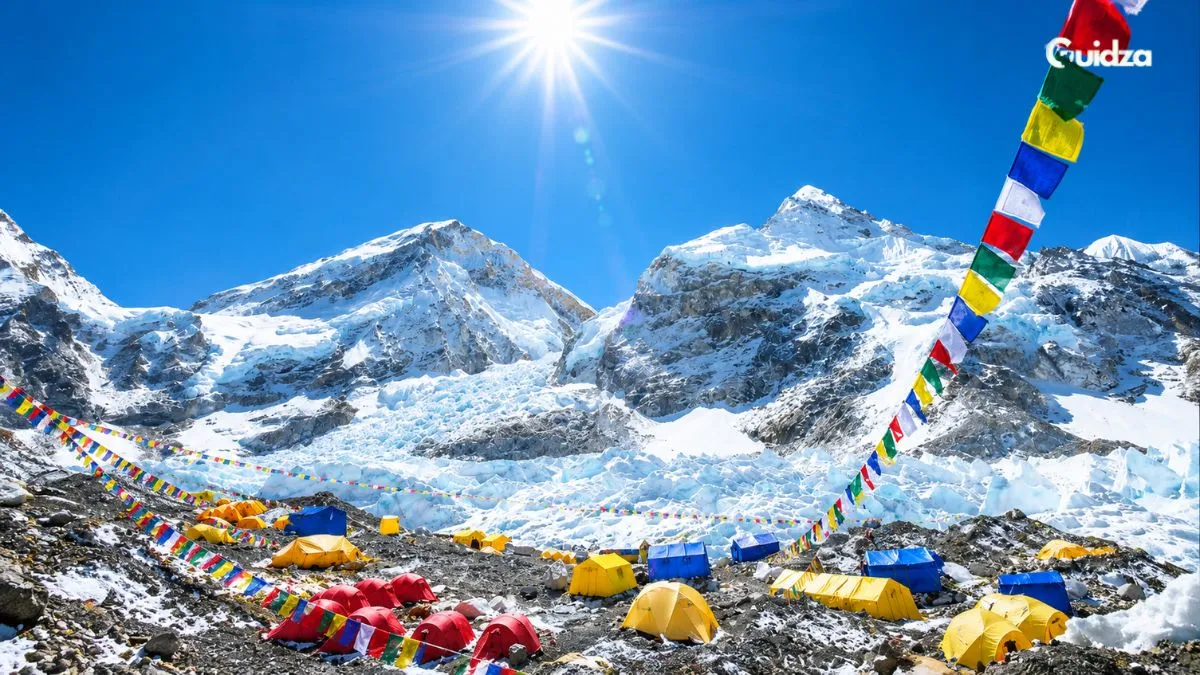
No Nepal travel guide would be complete without Everest. The classic trek to Everest Base Camp takes you through Sherpa villages, high-altitude monasteries, and dramatic mountain scenery on the way to the foot of the world's tallest peak.
Highlights & key things to do
Fly into Lukla and trek through Namche Bazaar, the bustling trading hub of the Khumbu region. Visit the Tengboche Monastery, set against a jaw-dropping Himalayan backdrop. Reach Kala Patthar for the best up-close views of Mount Everest itself.
Recommended time: 12–14 days round trip
6. Chitwan National Park
Overview
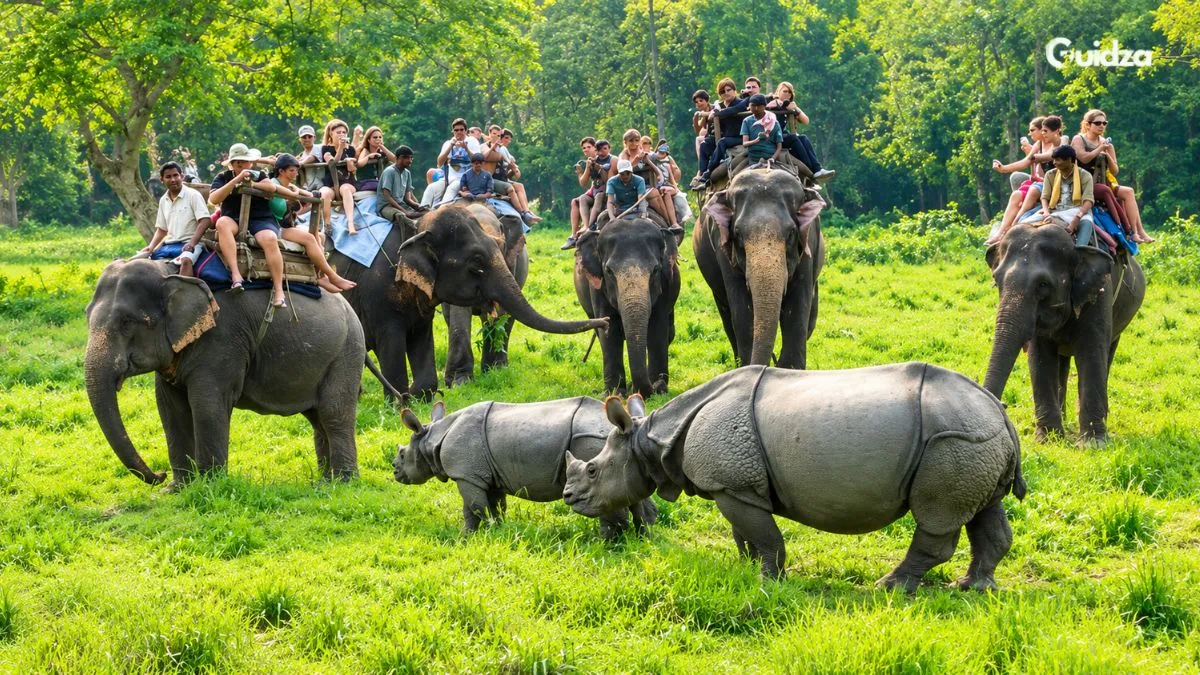
Down in the humid Terai lowlands, Chitwan National Park is Nepal's premier wildlife destination and a UNESCO World Heritage Site. It's a completely different side of the country compared to the mountains, and one of the best things to do in Nepal for nature lovers.
Highlights & key things to do
Take a jeep or canoe safari in search of one-horned rhinos, crocodiles, and rare bird species. Visit a local Tharu village to learn about the indigenous community's culture and traditions. Keep an eye out for elusive Bengal tigers, though sightings are rare and special.
Recommended time: 2 days
7. Bhaktapur Durbar Square
Overview
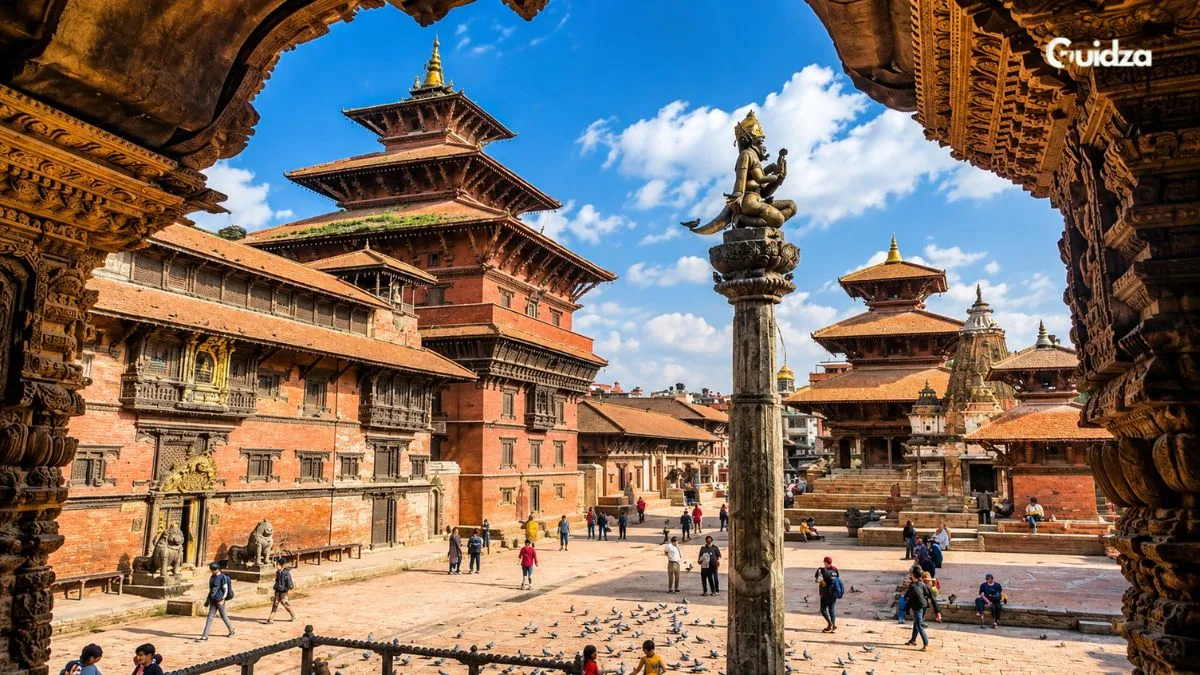
Just outside Kathmandu, Bhaktapur is a beautifully preserved medieval city that feels like stepping back in time. Its Durbar Square is arguably even more atmospheric than Kathmandu's, with fewer crowds and better-preserved architecture.
Highlights & key things to do
Admire the 55-Window Palace and the towering Nyatapola Temple. Watch local potters at work in Pottery Square, shaping clay the traditional way. Sample juju dhau, Bhaktapur's famous "king curd" yogurt, from a local shop.
Recommended time: 3–4 hours
8. Annapurna Base Camp Trek
.webp)
Overview
Shorter and slightly less demanding than the Everest trek, the Annapurna Base Camp route is one of the best places to visit in Nepal for trekkers who want jaw-dropping mountain views without committing to weeks on the trail.
Highlights & key things to do
Pass through rhododendron forests, terraced villages, and hot springs at Jhinu Danda. Reach the natural amphitheater of Annapurna Base Camp, surrounded by towering peaks on all sides. Soak in views of Machapuchare (Fishtail Mountain), one of Nepal's most sacred and striking summits.
Recommended time: 7–10 days
9. Lumbini
Overview
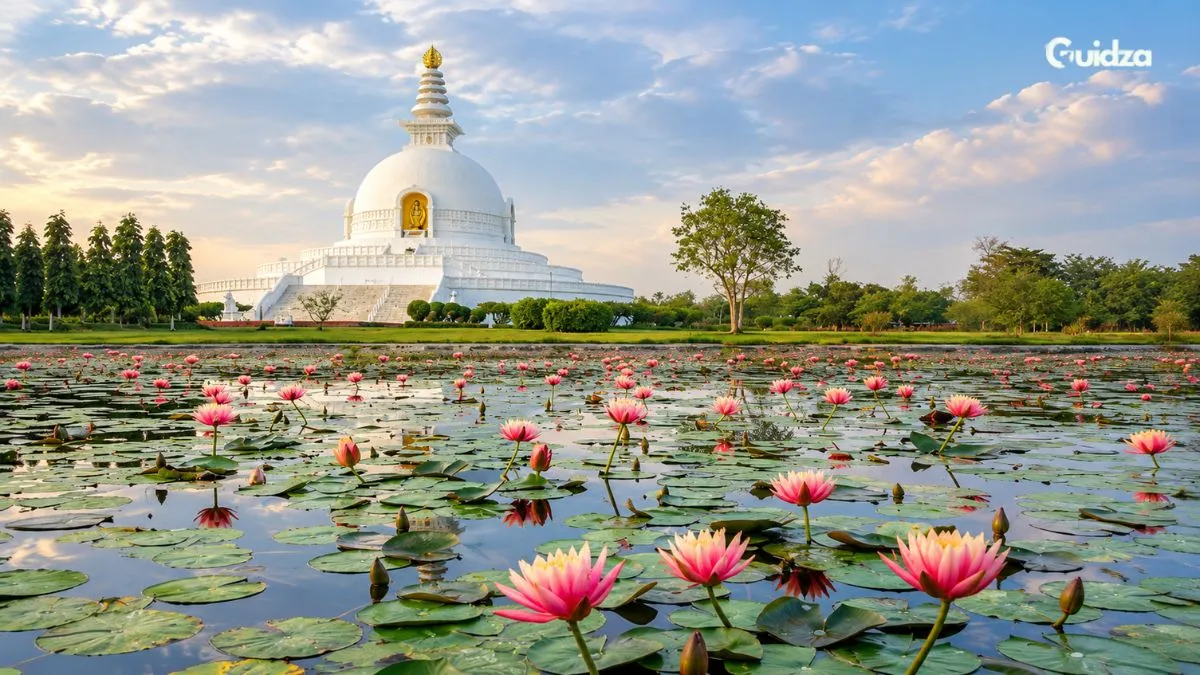
For travelers interested in history and spirituality, Lumbini — the birthplace of Lord Buddha — is a peaceful, reflective stop in Nepal's southern plains and a UNESCO World Heritage Site.
Highlights & key things to do
Visit the Maya Devi Temple, marking the exact spot of Buddha's birth. Walk through the Lumbini Monastic Zone, home to monasteries built by Buddhist communities from around the world. Reflect by the sacred Puskarini Pond and the ancient Ashoka Pillar.
Recommended time: 1 day
Things to Do in Nepal Beyond Sightseeing
Nepal offers plenty of things to do in Nepal beyond ticking off landmarks. For adrenaline seekers, Pokhara is one of the best paragliding spots in the world, and the Trishuli and Bhote Koshi rivers offer excellent white-water rafting. Yoga and meditation retreats are common in both Kathmandu and Pokhara, often set in peaceful garden settings. Foodies should try a traditional Nepali thali (dal bhat), Newari cuisine in Kathmandu's old town, and momos from virtually every street corner. If you have extra time, short hikes around the Kathmandu Valley rim, like Nagarkot or Chisapani, offer mountain views without a multi-day commitment.
Best Time to Visit Nepal
The best time to visit Nepal is during autumn (late September to November), when skies are clear, temperatures are mild, and mountain visibility is at its best — ideal for both trekking and sightseeing. Spring (March to May) is the second-best window, bringing blooming rhododendrons and generally stable weather, though it can be hazier than autumn. Winter (December to February) is fine for lower-altitude sightseeing in Kathmandu, Pokhara, and Chitwan, but high-altitude treks become cold and more challenging. The monsoon season (June to August) brings heavy rain and leeches on lower trekking trails, making it the least popular time to visit, though it's a good period for exploring Nepal's rain-shadow regions like Upper Mustang.
Sample Nepal Itinerary
A well-paced Nepal itinerary depends on how much time you have, but here's a solid framework for a two-week trip:
- Days 1–3: Kathmandu Valley - Durbar Square, Swayambhunath, Boudhanath, and a day trip to Bhaktapur.
- Days 4–10: Fly to Lukla and trek toward Everest Base Camp (or substitute a shorter Everest region trek if time is limited).
- Days 11–13: Fly or drive to Pokhara for lake activities, paragliding, and a Sarangkot sunrise.
- Day 14: Fly back to Kathmandu for departure, or extend with a two-day Chitwan safari if you have extra days.
If you only have a week, cut the trek down to a shorter Annapurna or Everest region hike, or replace trekking entirely with Kathmandu, Pokhara, and Chitwan for a more relaxed pace.
Nepal Travel Tips
A few practical Nepal travel tips worth knowing before you go:
- Visas: Most nationalities can get a visa on arrival at Kathmandu's Tribhuvan International Airport - bring passport photos and cash (USD) for the fee.
- Altitude: If trekking above 3,000 meters, build in acclimatization days and watch for symptoms of altitude sickness.
- Cash matters: ATMs are common in cities but scarce on trekking routes, so carry enough Nepali rupees for remote areas.
- Packing: Layered clothing works best, since temperatures can swing widely between lowland cities and higher-altitude regions.
- Permits: Treks in areas like Everest and Annapurna require entry permits (TIMS card, national park fees) - arrange these in Kathmandu or Pokhara before setting off.
- Respect local customs: Dress modestly at temples, remove shoes before entering religious buildings, and always walk clockwise around Buddhist stupas and mani walls.
FAQs
How many days do I need for a Nepal trip?
A minimum of 7 days is enough to cover Kathmandu, Pokhara, and a short trek or safari. For a more complete experience that includes a proper Everest or Annapurna trek, 12–14 days is a more comfortable target.
Is Nepal safe for solo travelers?
Yes, Nepal is generally considered safe and welcoming for solo travelers, including solo women, especially in well-traveled areas like Kathmandu, Pokhara, and popular trekking routes. As with any destination, it's wise to stay aware of your surroundings and choose licensed guides for treks.
Do I need a guide to trek in Nepal?
For major routes like Everest Base Camp and the Annapurna Circuit, an independent trekking permit rule now requires most foreign trekkers to hire a licensed guide. Guides also add safety, local insight, and support with logistics like permits and accommodation.
What is the currency used in Nepal, and can I use cards?
Nepal's currency is the Nepali Rupee (NPR). Cards are accepted in larger hotels and restaurants in Kathmandu and Pokhara, but cash is essential for markets, small guesthouses, and anywhere on a trekking trail.
What should I pack for a Nepal trip?
Pack layered clothing to handle temperature swings, sturdy trekking shoes if you plan to hike, a warm jacket for higher elevations, a basic first-aid kit, and a reusable water bottle with a filter or purification tablets, since bottled water isn't always eco-friendly or available in remote areas.