
Nagaland Unveiled: Discover Culture, Nature, Places & Local Experiences

Mishti Kaur
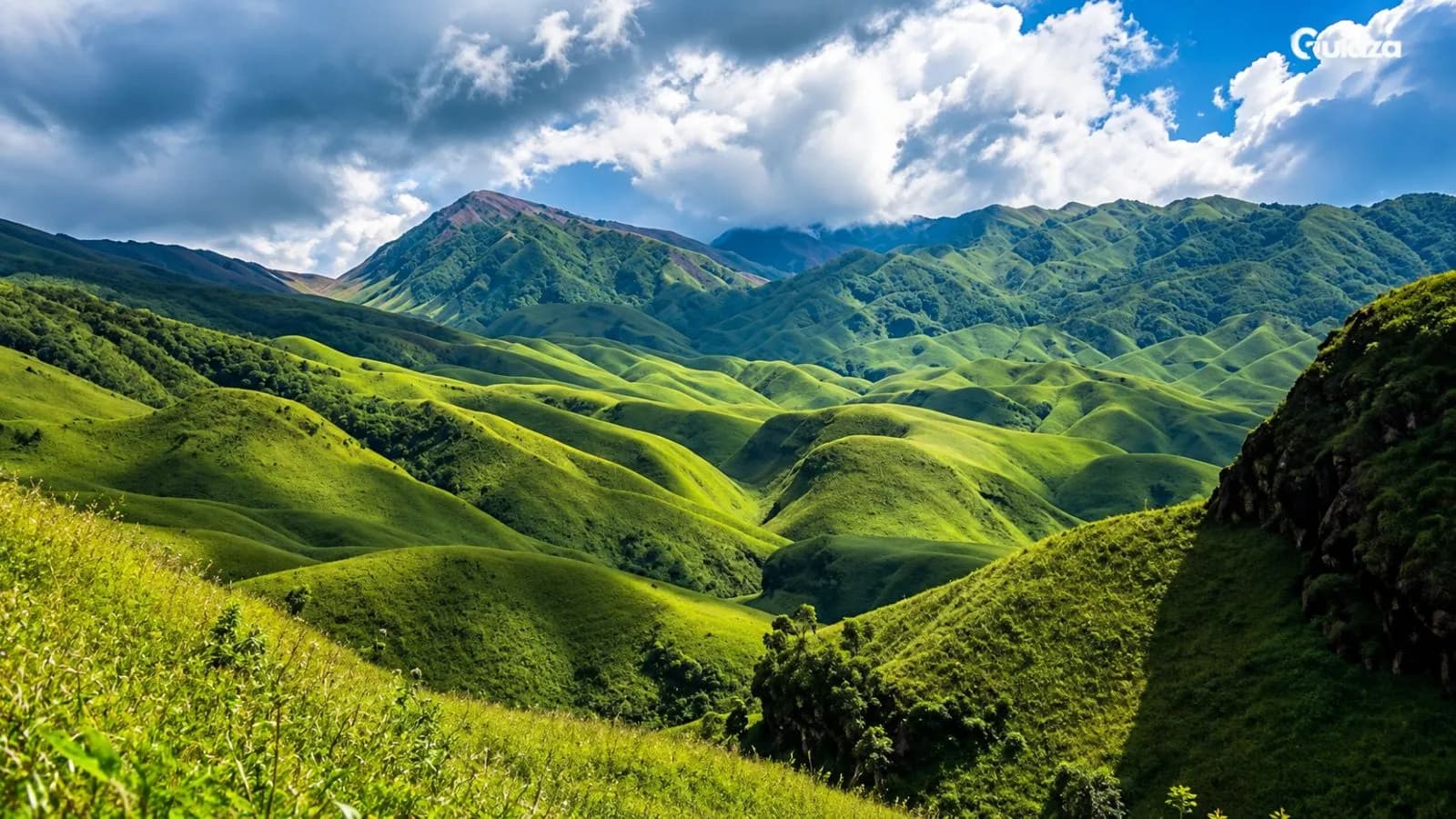
Nagaland sits among the most culturally distinct states in India - home to 17 recognised Naga tribes, each with its own language, weave, and festival calendar, spread across misty ridgelines near the Myanmar border. This Nagaland travel guide covers where to go, what to do, when to visit, and how to plan a trip that goes beyond the famous Hornbill Festival.
Best Time to Visit Nagaland
The best time to visit Nagaland is October to April, when the weather stays cool and dry and visibility across the hills is at its best. Early December is peak season by far, thanks to the Hornbill Festival, held every year from December 1 to 10 at Kisama Heritage Village near Kohima - booking accommodation months ahead is essential if this is your target window.
March to April brings milder temperatures and blooming rhododendrons at higher elevations, good for trekking. The monsoon runs from May to September, with heavy rain making hill roads slower and some treks impractical.
Places to Visit in Nagaland
These are the places to visit in Nagaland that anchor most itineraries, whether or not your trip lines up with the Hornbill Festival. Between them, they cover the state's must-see Nagaland tourist places - from Kohima's colonial history to the tribal heartlands further east.
1. Kohima
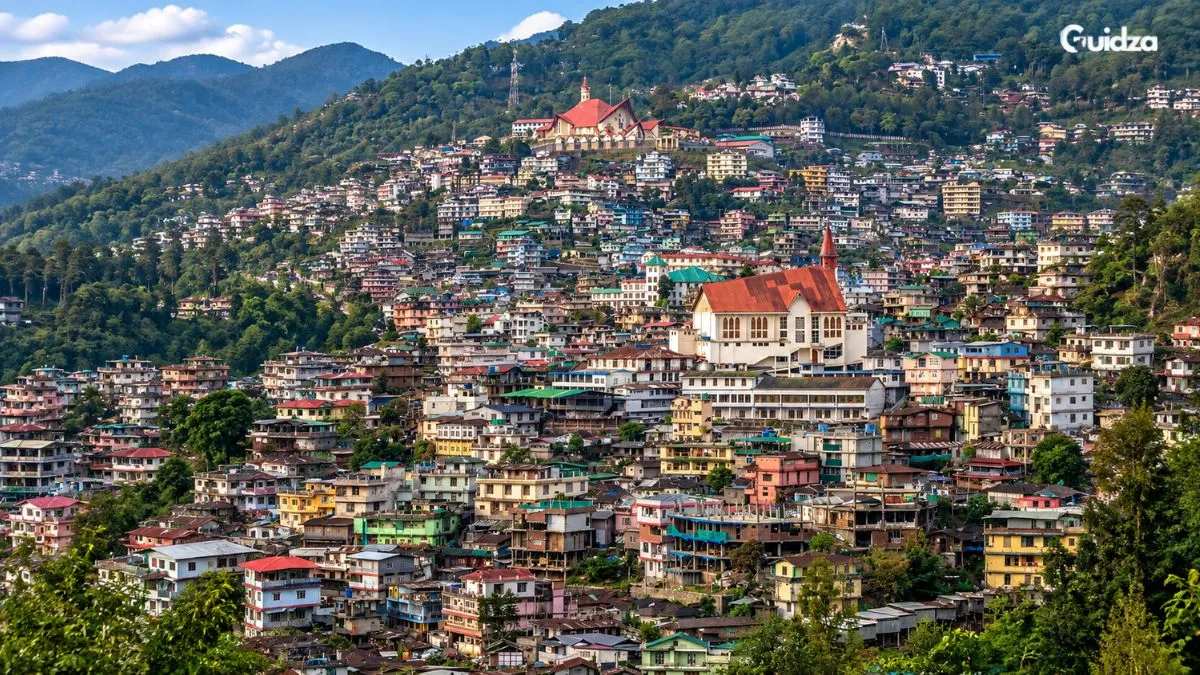
Overview
Nagaland's hilltop capital is where most trips begin, set among pine-covered ridges at around 1,400 metres. It's a compact, walkable base with enough history and culture packed in to justify a couple of days on its own.
Highlights & key things to do
- Visit the Kohima War Cemetery, commemorating the pivotal 1944 Battle of Kohima
- Explore the Nagaland State Museum for tribal artefacts, textiles, and history
- Walk through the local market for handwoven shawls and Naga jewellery
Recommended time: 1–2 days.
2. Kisama Heritage Village and the Hornbill Festival
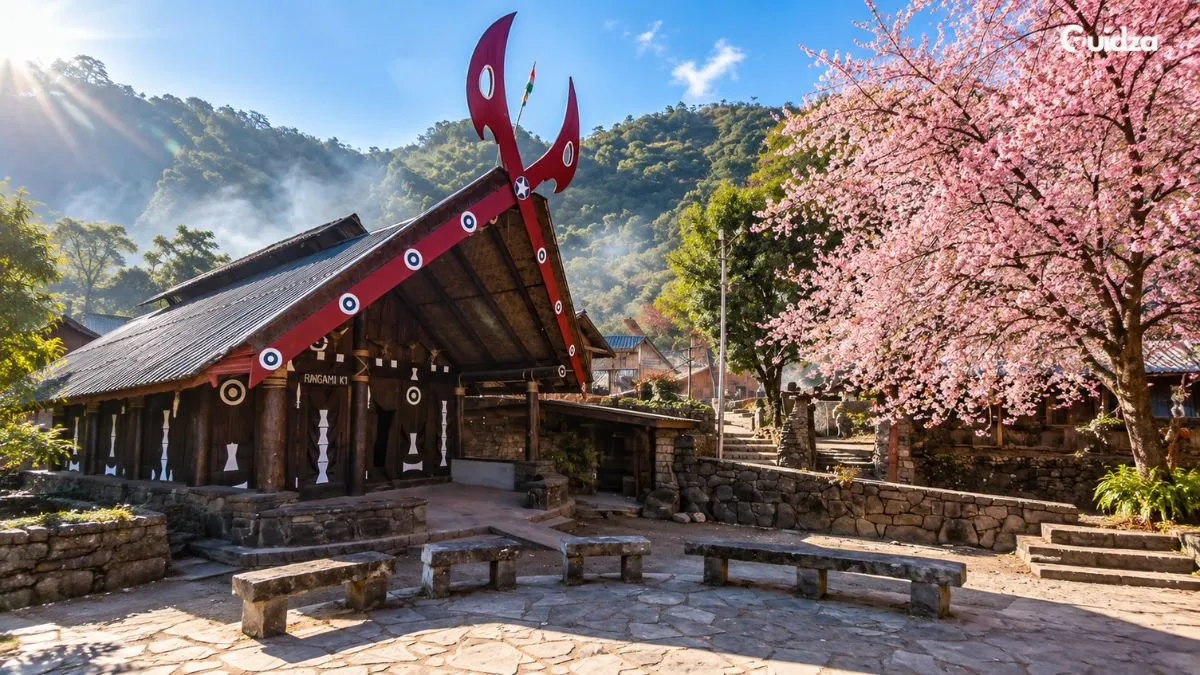
Overview
About 12 km from Kohima, Kisama hosts the Hornbill Festival, Nagaland's best-known event and one of India's most vivid cultural showcases. All 17 recognised tribes set up traditional morungs (community houses) here, with dance, food, music, and craft on display for ten days each December.
Highlights & key things to do
- Watch traditional dance and music performances from tribes across the state
- Sample tribal cuisine at the food stalls, including smoked pork and Naga king chilli dishes
- Catch the Hornbill International Rock Festival, held alongside the main event
Recommended time: 1–2 days during the festival window.
3. Dzukou Valley
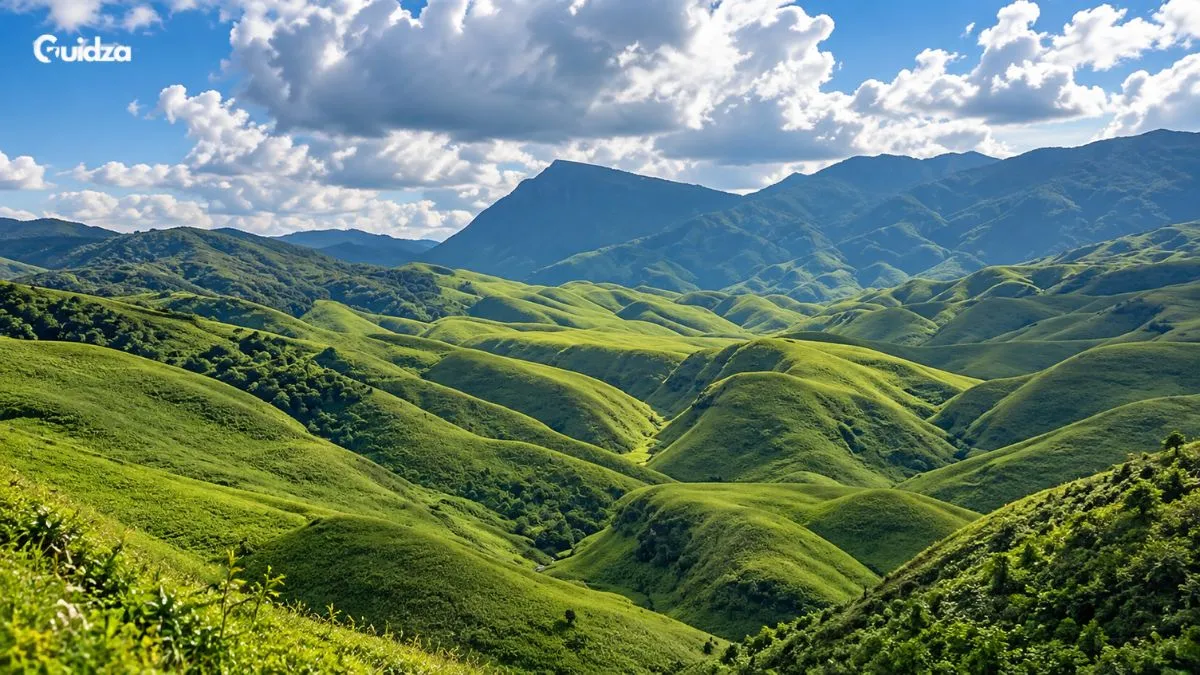
Overview
Straddling the Nagaland-Manipur border, Dzukou is a high-altitude valley famous for its rolling green meadows and seasonal wildflowers, reached by a steep trek from either Viswema or Jakhama village near Kohima. It regularly tops lists of the best places to visit in Nagaland for trekkers.
Highlights & key things to do
- Trek in for the valley's carpet of Dzukou lilies, typically blooming June to September
- Camp overnight in the valley for sunrise over the ridgelines
- Combine with nearby Japfu Peak, Nagaland's second-highest point, for a longer trekking trip
Recommended time: 1–2 days, including the trek.
4. Khonoma
Overview
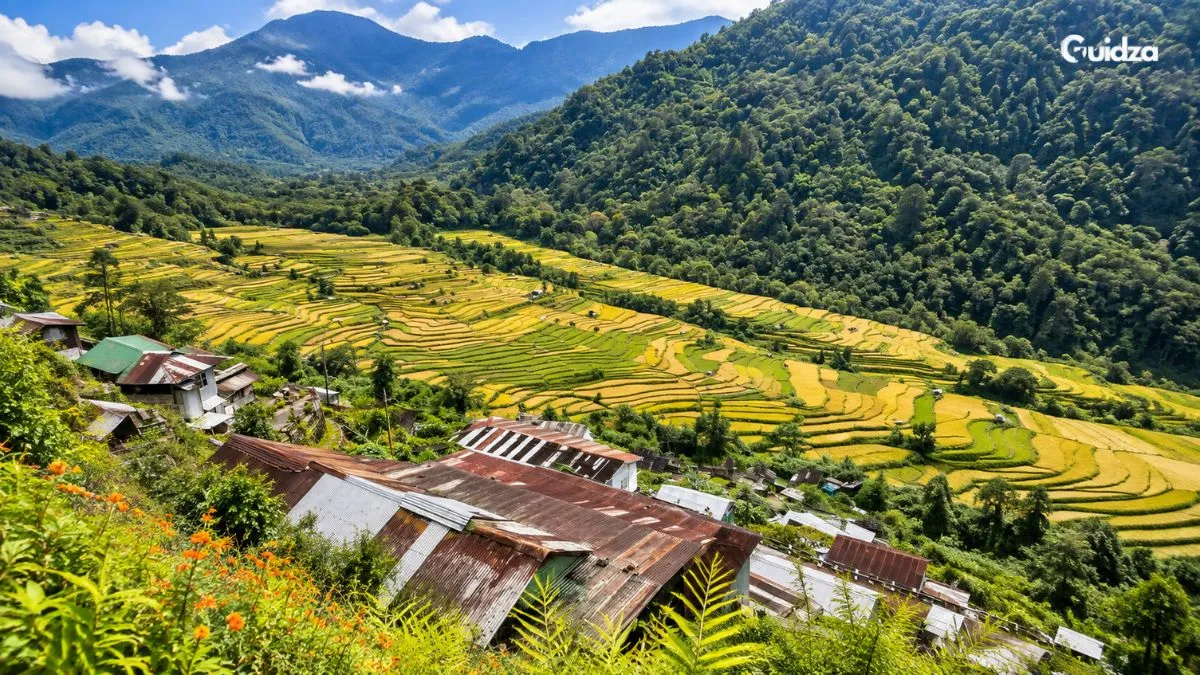
Often cited as India's first “green village,” Khonoma banned hunting and logging decades ago to protect the Blyth's tragopan pheasant and its surrounding forest. It's also historically significant as the site of Angami Naga resistance during British colonial rule.
Highlights & key things to do
- Walk through the village's terraced agricultural systems, still farmed traditionally
- Visit the Khonoma Nature Conservation and Tragopan Sanctuary
- Learn about the Battle of Khonoma at the old fort site
Recommended time: 1 day, or overnight with a homestay.
5. Mon District and Longwa Village
Overview
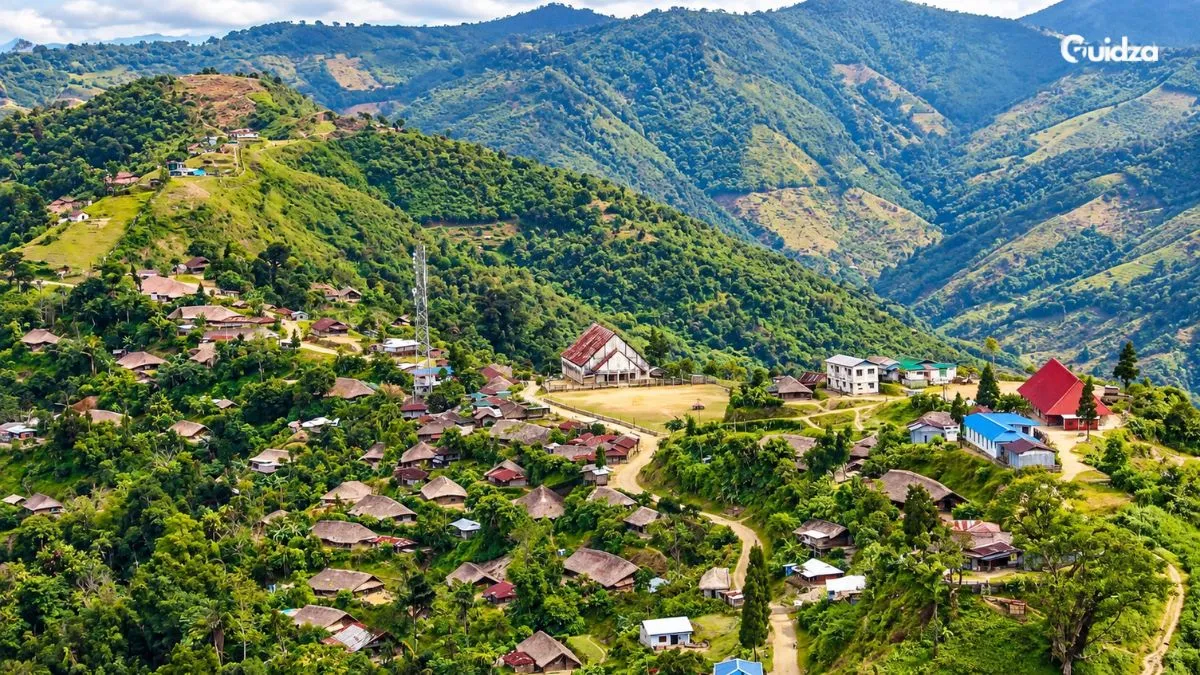
In Nagaland's remote northeast, Mon is Konyak Naga territory, historically known for tattooed former headhunters, many of whom are now elderly. Longwa village is unique for straddling the India-Myanmar border - the chief's house is said to sit with its roof in both countries.
Highlights & key things to do
- Meet Konyak elders and learn about the tribe's tattoo and headhunting history, told respectfully as heritage rather than spectacle
- Walk through Longwa, standing in two countries within the same village
- Visit during the Aoleang Festival in April for Konyak cultural performances
Recommended time: 2–3 days given the distance from Kohima.
6. Dimapur
Overview
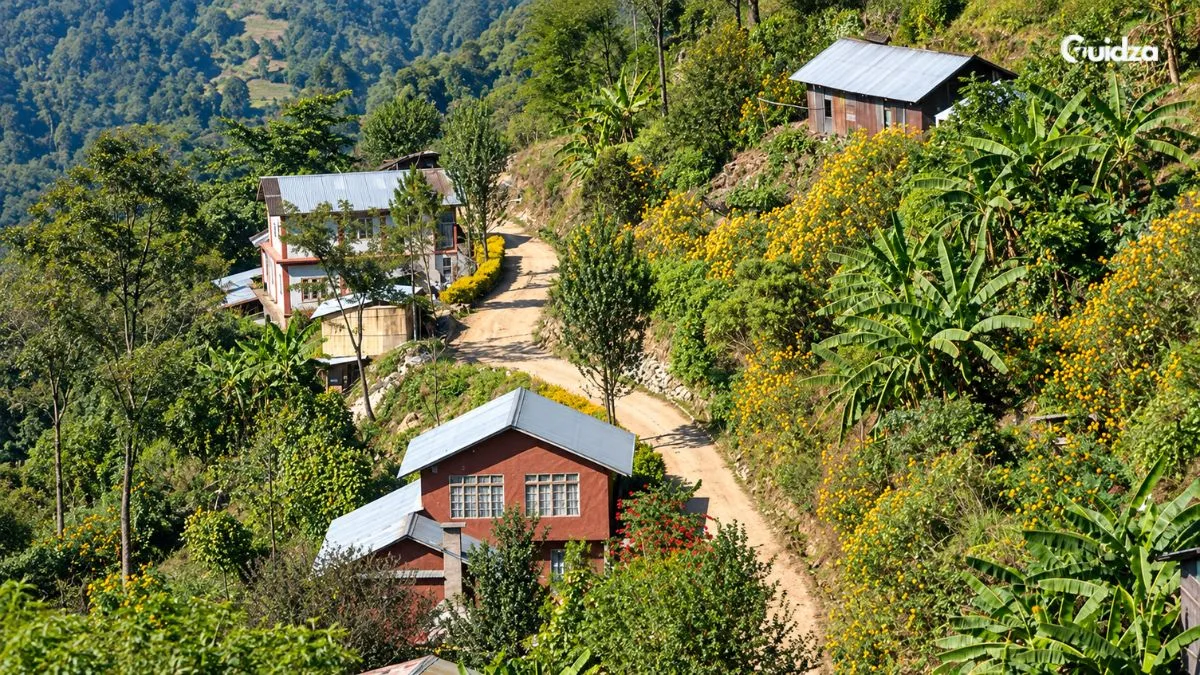
Nagaland's largest city and main transport hub, Dimapur sits in the plains rather than the hills, making it a practical entry point rather than a highlight in itself.
Highlights & key things to do
- Visit the Kachari Ruins, remnants of a medieval Dimasa Kachari capital
- Use it as a base to organise onward travel into the hill districts
Recommended time: Half a day, mainly for transit.
Things to Do in Nagaland
Beyond visiting specific sites, some of the best things to do in Nagaland are about slowing down and engaging with tribal life directly:
- Stay in a village homestay in Khonoma or Mon rather than a hotel in Kohima
- Learn to weave or buy directly from Naga weavers producing tribal shawls with traditional patterns
- Try Naga cuisine built around smoked meats, fermented bamboo shoot, and akhuni (fermented soybean)
- Trek Dzukou Valley or Japfu Peak for the state's best high-altitude scenery
- Time a visit around a tribal festival outside Hornbill season, such as Sekrenyi (Angami, February) or Moatsu (Ao, May)
A Suggested Nagaland Itinerary
This 6-day Nagaland itinerary works well whether or not you're timing the trip to the Hornbill Festival:
- Day 1: Arrive via Dimapur, drive to Kohima (around 2.5–3 hours).
- Day 2: Kohima War Cemetery, State Museum, and local market.
- Day 3: Kisama Heritage Village - Hornbill Festival if dates align, or the heritage complex otherwise.
- Day 4: Day trip to Khonoma for village walks and the tragopan sanctuary.
- Day 5: Trek into Dzukou Valley, overnighting if conditions allow.
- Day 6: Return to Kohima, final shopping, depart via Dimapur.
With extra time, add Mon and Longwa - it's a longer detour, but it's the part of Nagaland least touched by mainstream tourism.
Nagaland Tourism: Practical Travel Tips
- Permits: Indian citizens require an Inner Line Permit (ILP) to enter Nagaland, obtainable online at ilp.nagaland.gov.in or at entry checkposts. Foreign nationals need a Protected Area Permit, though this is typically relaxed for the Hornbill Festival window; register with the local Foreigners' Registration Officer within 24 hours of arrival regardless.
- Getting there: Dimapur Airport is the main gateway, with flights from Kolkata, Guwahati, and Delhi. Kohima is roughly 2.5–3 hours away by road.
- Getting around: Hire a car with a driver for hill travel; distances are short but roads are winding.
- Alcohol: Nagaland is a legally dry state, though some hotels and the Hornbill Festival grounds have permitted exceptions don't assume availability.
- Booking ahead: For Hornbill Festival dates, book flights and Kohima accommodation as early as possible, since prices and availability tighten months in advance.
Start Planning Your Nagaland Trip
Nagaland tourism has grown steadily around the Hornbill Festival, but the state's real draw runs deeper than ten days in December — it's in a Khonoma homestay, a Konyak elder's stories in Longwa, or the quiet of Dzukou Valley outside peak season. Pick your window, sort your ILP early, and build the trip around two or three regions rather than rushing the whole state. However you time it, Nagaland rewards travellers who come ready to listen as much as look.
Frequently Asked Questions
1. What are the best places to visit in Nagaland for first-timers?
Kohima, Kisama Heritage Village, and Khonoma cover the essentials in a short trip. Dzukou Valley is worth adding if you're up for a trek, and Mon district rewards travellers with extra time and interest in Konyak Naga culture.
2. Do I need a permit to visit Nagaland?
Yes. Indian citizens need an Inner Line Permit, which can be applied for online in advance or obtained at entry checkposts. Foreign nationals require a Protected Area Permit, though the requirement is usually relaxed during the Hornbill Festival period.
3. When is the Hornbill Festival held, and is it worth planning a trip around?
The Hornbill Festival runs every year from December 1 to 10 at Kisama Heritage Village. It's genuinely worth building a trip around if you want to see multiple Naga tribes' traditions in one place, but book flights and Kohima hotels well in advance since this is by far the busiest week of the year.
4. How many days do you need for a Nagaland trip?
Five to six days comfortably covers Kohima, Kisama, Khonoma, and Dzukou Valley. Add two to three more if you want to include Mon and Longwa village in the northeast.
5. Is alcohol available in Nagaland?
Nagaland is officially a dry state under prohibition law, though enforcement varies and some hotels or festival venues have permitted limited exceptions, particularly during Hornbill. Don't count on general availability outside those settings.