
Mumbai Street Food Guide: Famous Dishes & Places to Try

Shivika
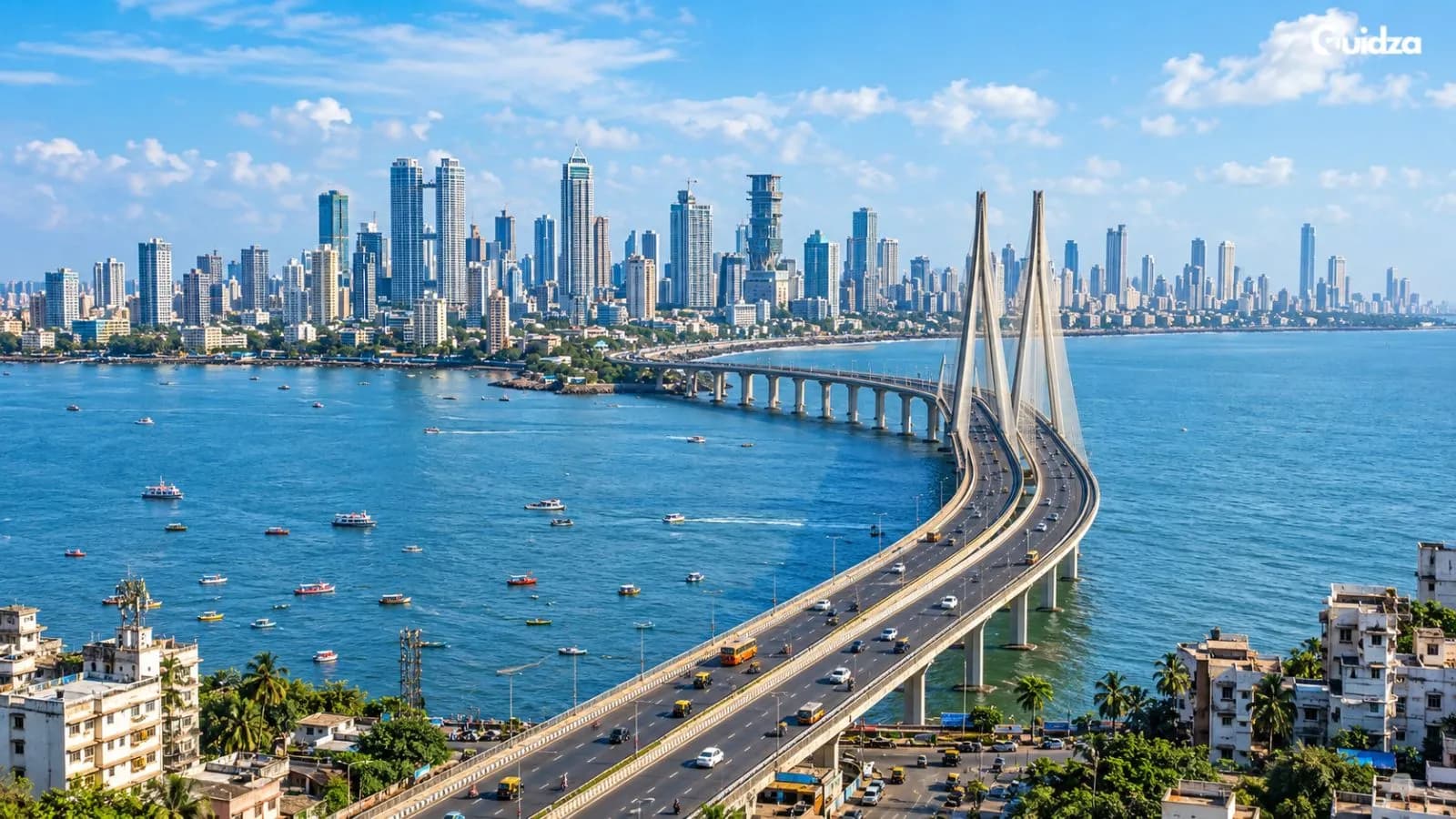
Mumbai never really stops eating. From the first cup of chai at dawn to the last sizzle of a kebab grill after midnight, the city runs on snacks that are quick, affordable and deeply tied to everyday life. Ask a Mumbaikar what defines their city, and food usually comes up before monuments do.
For travellers, that makes a plate of chaat as essential as a sea-face stroll when planning things to do in Mumbai. Beachfront carts, station-side stalls, old markets and neighbourhood lanes each serve their own flavours, and most of them sit close to the sights visitors already have on their list.
This guide covers the dishes worth trying, the areas where you can find them, and simple ways to fit them into your trip.
Mumbai Street Food: What Makes It Special?
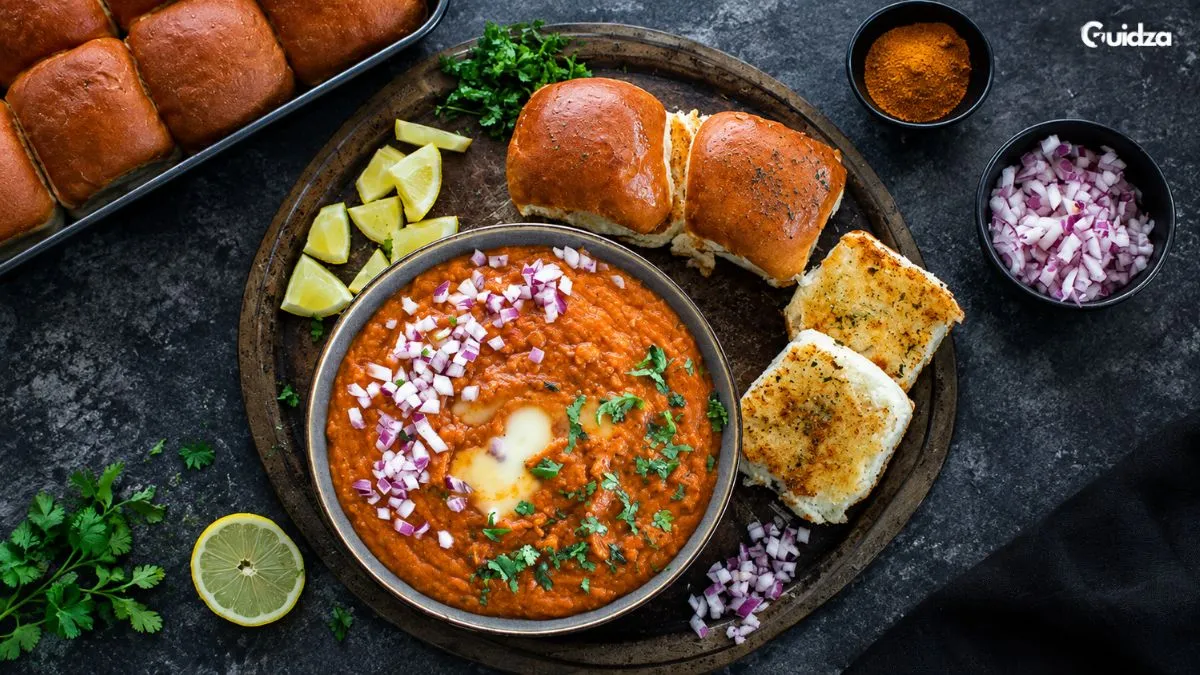
Mumbai street food grew out of the needs of a working city. Mill workers, office commuters and dock labourers wanted something filling, fast and cheap, and vendors answered with snacks built around bread, potatoes, gram flour and sharp, fresh chutneys. Migrants from Gujarat, Uttar Pradesh, South India and beyond added their own touches, which is why the city’s food culture feels so layered.
Maharashtrian cuisine anchors much of it. Soft pav rolls, garlic-heavy chutneys, spicy sprouted-bean curries and fried snacks are everyday staples. Chaat traditions, Irani café classics and Mughlai-style grills add to the mix.
There is something for everyone. Most chaat and pav-based snacks are vegetarian, while areas such as Mohammed Ali Road are known for kebabs, keema and other meat dishes. Prices are modest, and many local snacks cost less than a bottle of water at a tourist café.
Food streets, beach promenades, railway station lanes and old markets all work as informal dining rooms. These Mumbai experiences are best enjoyed standing up, plate in hand, among the locals who eat there every day.
Famous Mumbai Street Food You Must Try
If you want the best street food in Mumbai, start with these eight classics. Together they make up the famous food in Mumbai that locals grew up eating.
Vada Pav
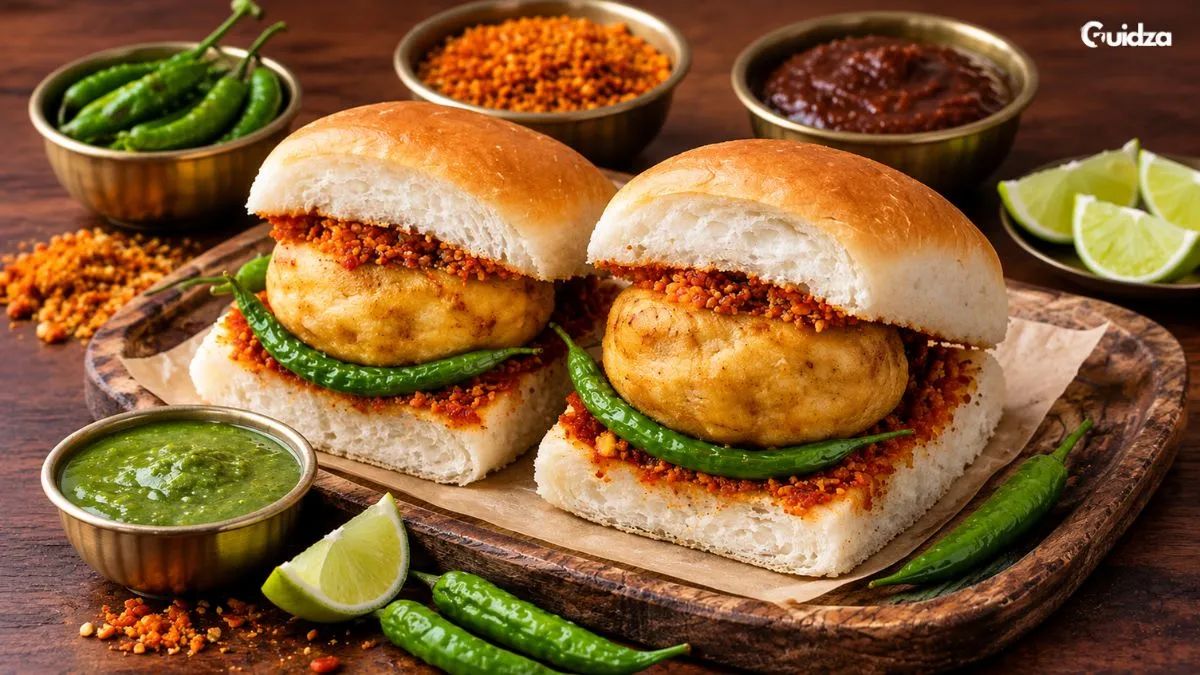
A spiced potato fritter, dipped in gram-flour batter and fried, then tucked into a soft pav with dry garlic chutney and a green chilli on the side. It is often called the city’s unofficial snack, and the origin story is usually traced to a stall near Dadar station in the 1960s.
You will find it at almost every corner, station and beach. Eat it hot, and expect to be full for very little money.
Pav Bhaji
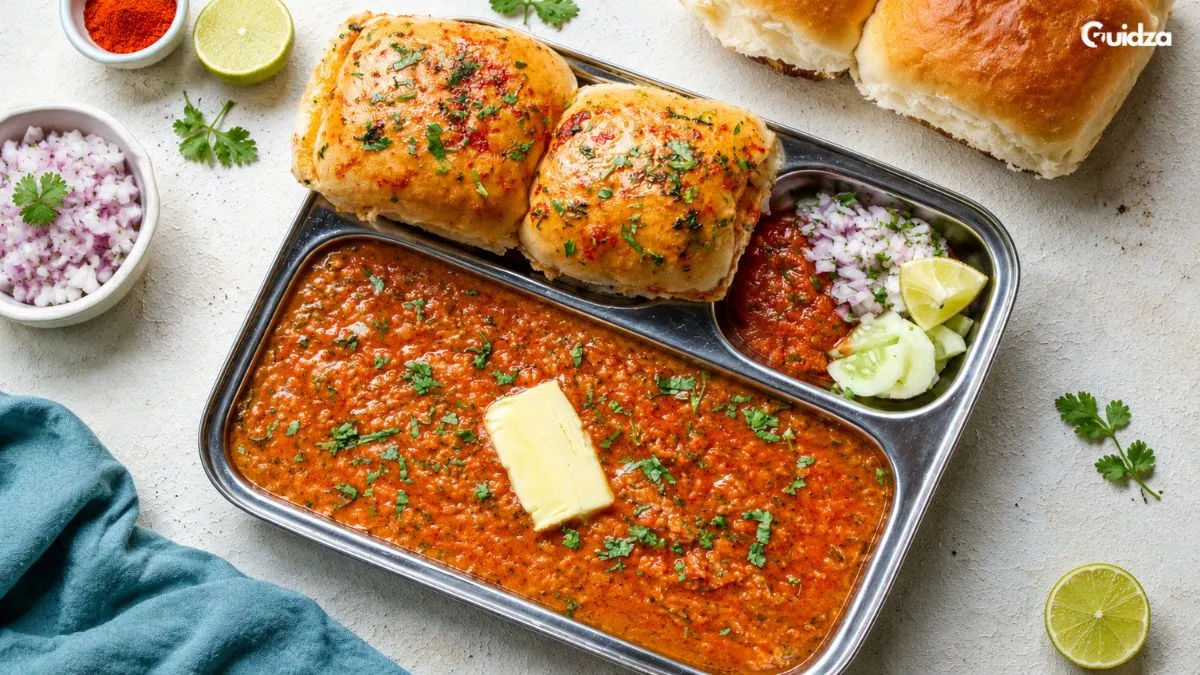
Mashed vegetables such as potato, cauliflower, peas and tomato are cooked on a large flat griddle with pav bhaji masala and plenty of butter. The result is a rich, tangy, mildly spicy mash served with buttered pav, chopped onion and a squeeze of lemon.
It is one of the must try food in Mumbai for first-timers, and it is especially popular for late-evening meals.
Bhel Puri
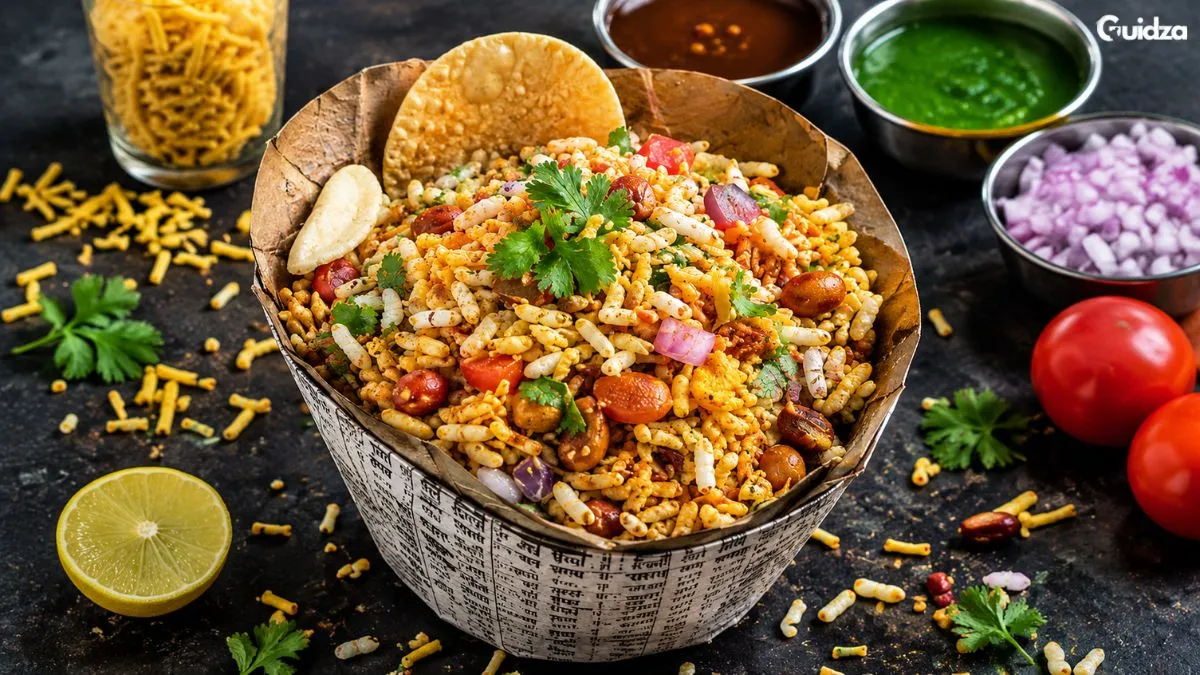
Puffed rice tossed with sev, onion, tomato, boiled potato, tamarind chutney, green chutney and lime. Every bite is a mix of crunchy, tangy, sweet and spicy.
Bhel is a beachside favourite at places like Chowpatty and Juhu. Eat it right away, before the puffed rice turns soft.
Sev Puri
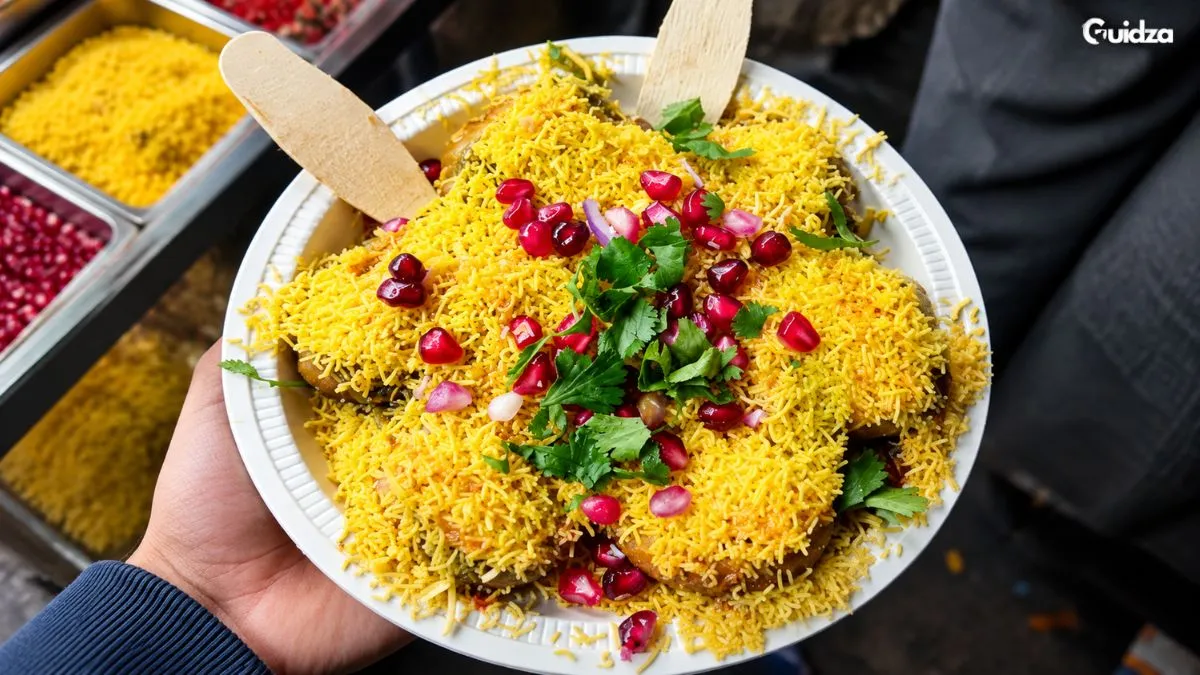
Small, flat, crisp puris are topped with potato, onion, chutneys and a generous pile of sev. It is assembled on individual puris and eaten by hand, so it feels crunchier and lighter than bhel, which is a tossed mixture.
Sev puri is a good introduction to Mumbai chaat if you prefer flavours that are tangy rather than heavy.
Ragda Pattice
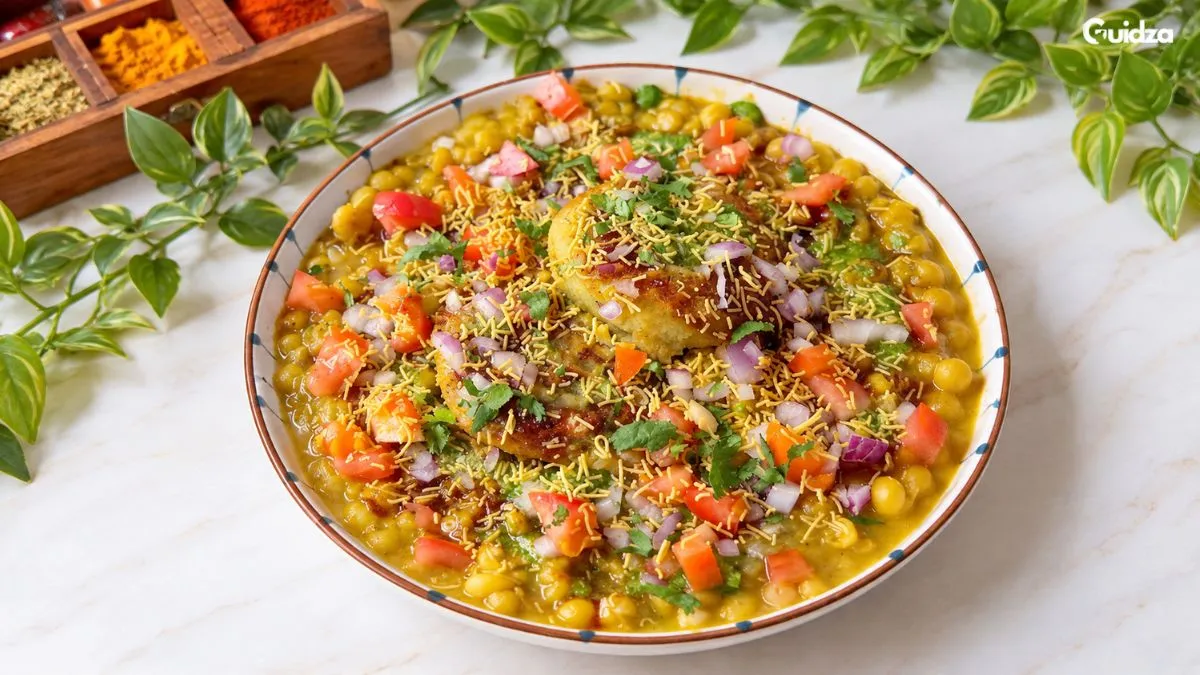
Crisp-fried potato patties are topped with ragda, a warm white pea curry, then finished with chutneys, onion and sev. It is more filling than most chaat, with a comforting mix of soft, crunchy and spicy textures.
Bombay Sandwich
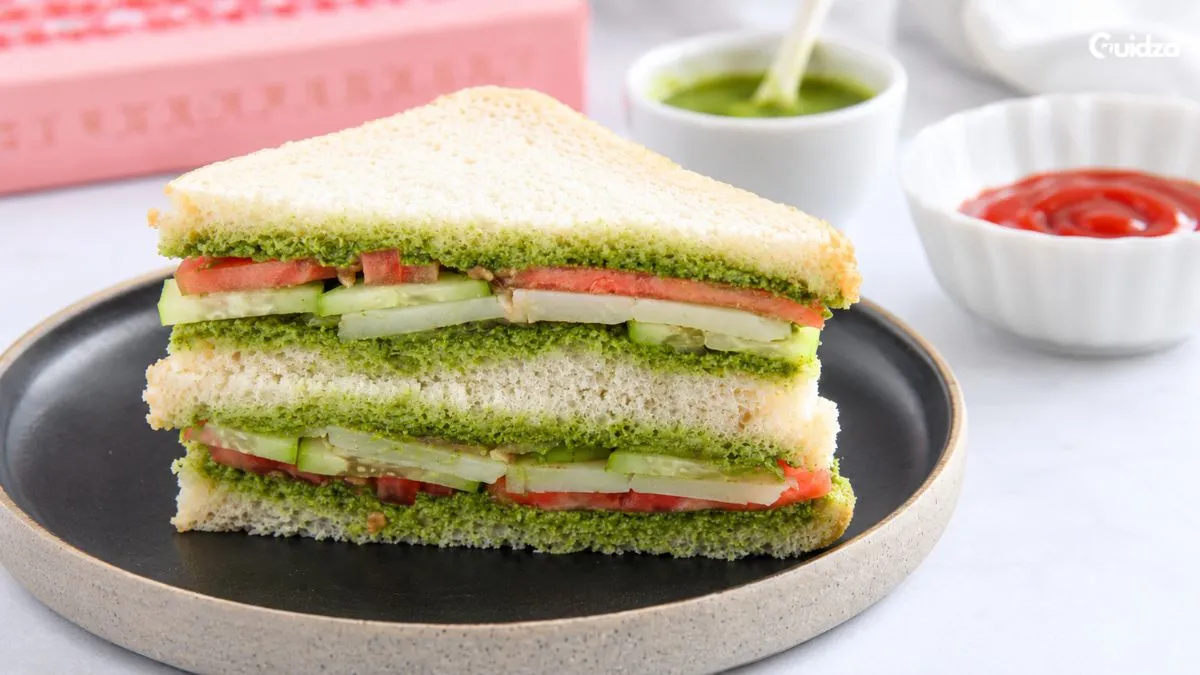
Sliced bread layered with butter, green chutney, boiled potato, beetroot, cucumber, tomato and onion, then dusted with chaat masala. Many stalls grill it, and some add cheese.
It is a classic quick bite, easy to eat while walking, and a good option when you want something lighter.
Misal Pav
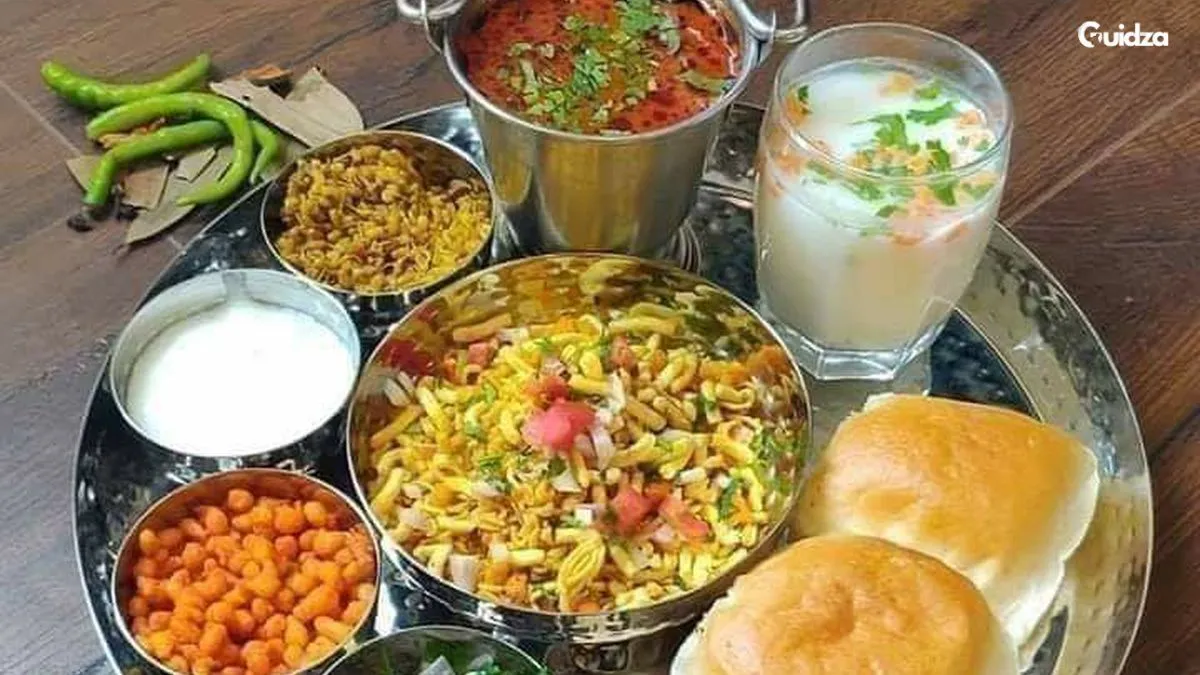
This is one of the clearest examples of Maharashtrian influence on the city’s food. A curry of sprouted moth beans (usal) is topped with a fiery gravy called rassa, crunchy farsan, chopped onion and lemon, and served with pav.
Spice levels vary a lot from stall to stall, so ask for a milder version if you are unsure.
Keema Pav
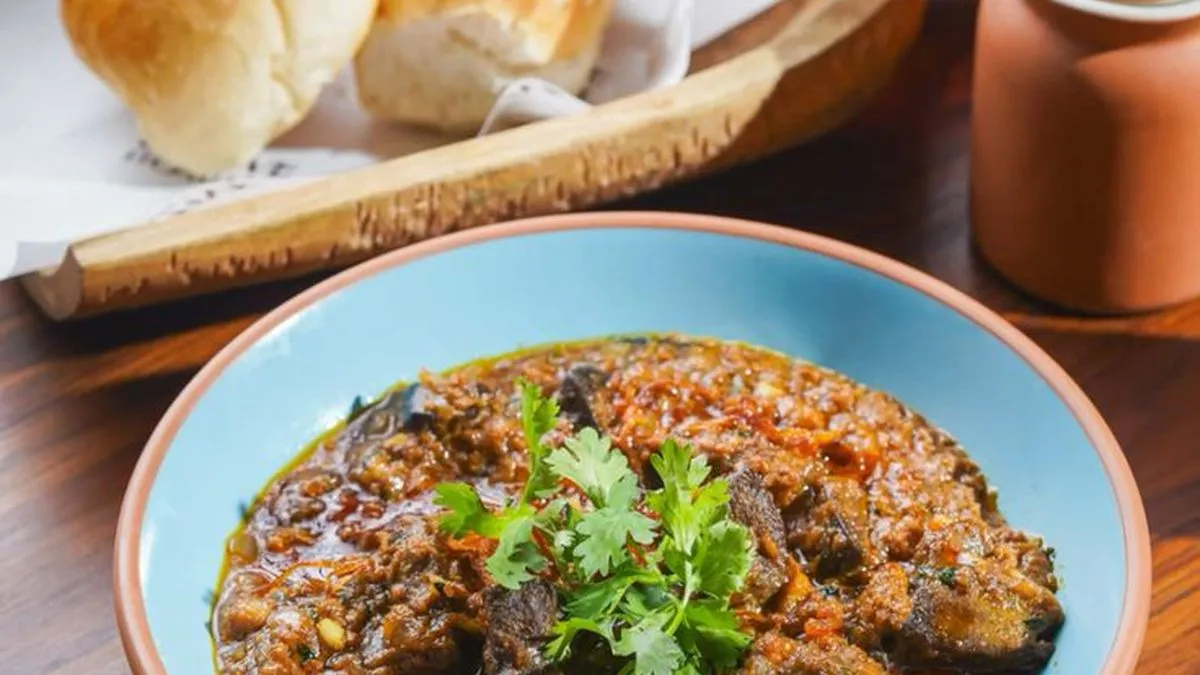
Minced meat, most often mutton, is cooked with onion, tomato and warming spices and served with soft pav. It is a staple at Irani cafés and at food stalls around Mohammed Ali Road, and a good pick for non-vegetarian travellers who want a taste of the city’s older food culture.
Best Places for Street Food in Mumbai
Great food is scattered across the city, but a few areas stand out. These Mumbai food places each offer a different mood, from sea breeze and chaat to smoky kebab lanes.
Chowpatty
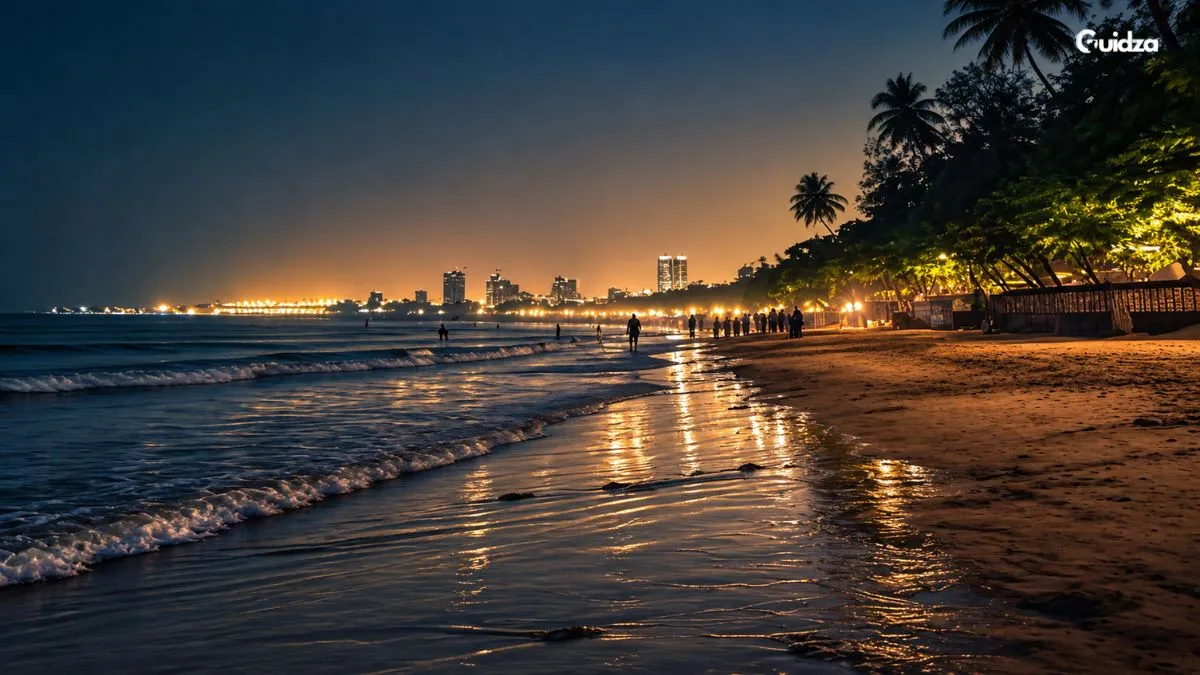
Girgaon Chowpatty is one of the best-known places to eat in Mumbai in the evening. Stalls serve bhel puri, sev puri, pav bhaji and kulfi, and the beach fills with families and friends after sunset. Expect a lively, crowded, festive atmosphere.
Colaba
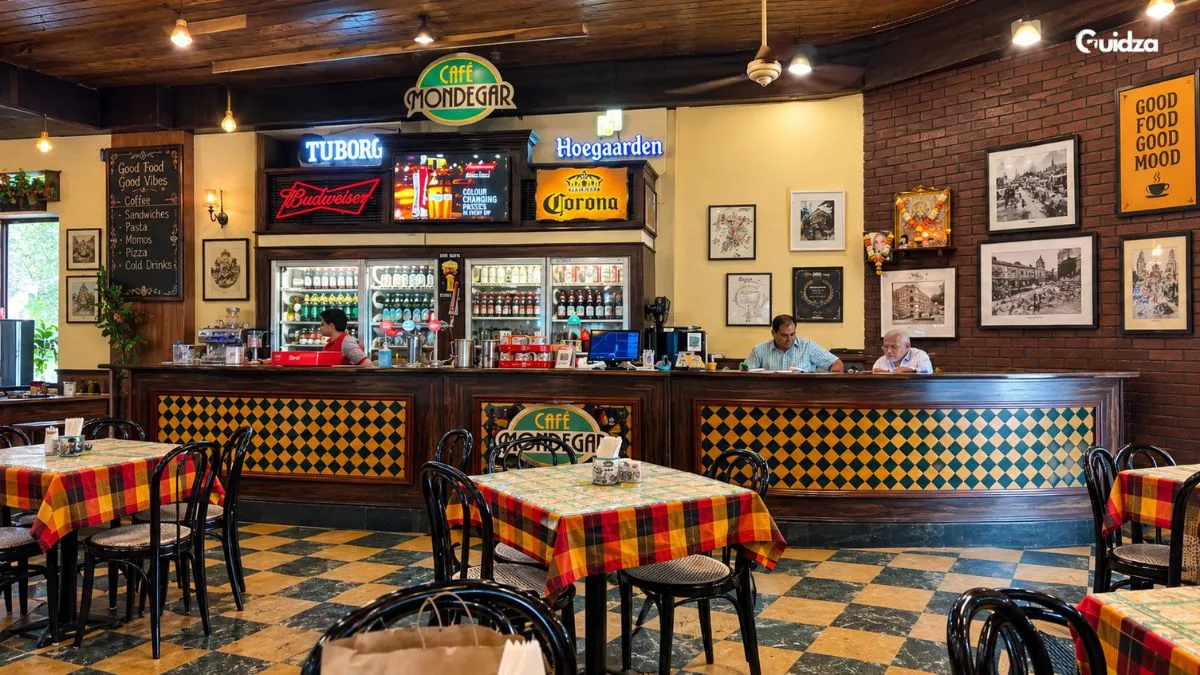
Colaba mixes street stalls with old Irani cafés and kebab spots. Try keema pav, bun maska with chai, and grilled snacks. It is a convenient stop when you are visiting the Gateway of India and the shopping lanes nearby.
Dadar
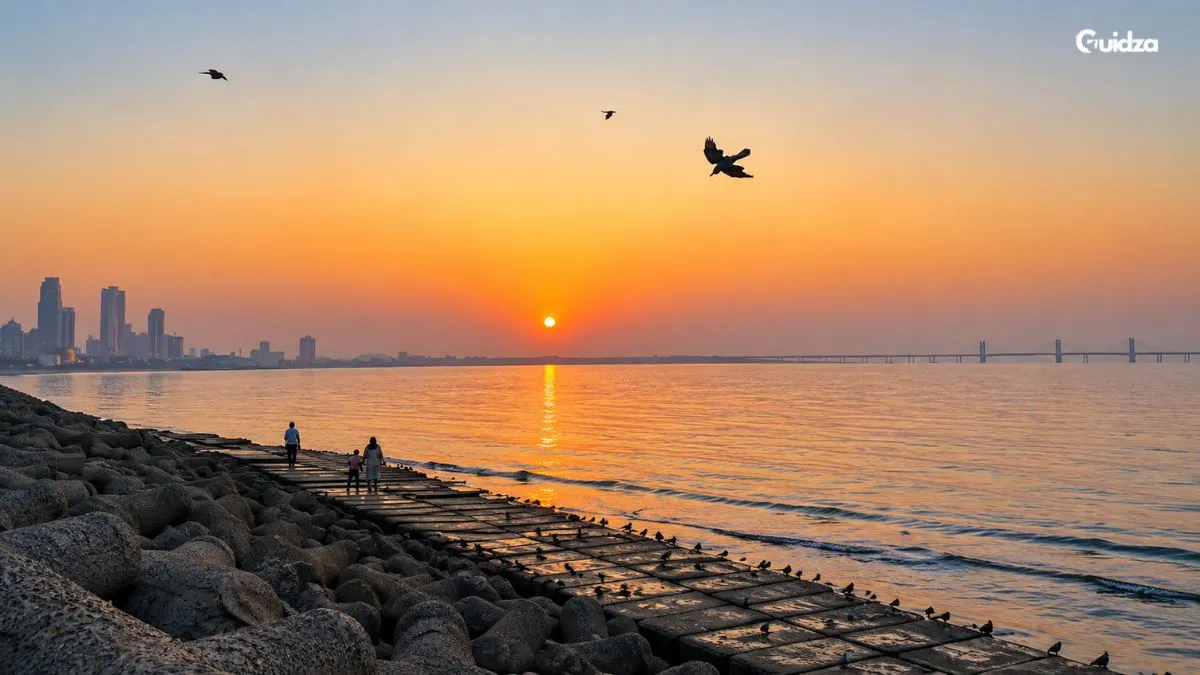
Dadar is a true local neighbourhood, and a strong choice for vada pav and other Maharashtrian snacks. The area around the station and Shivaji Park gives you an easy look at everyday Mumbai, without the tourist crowds.
Bandra
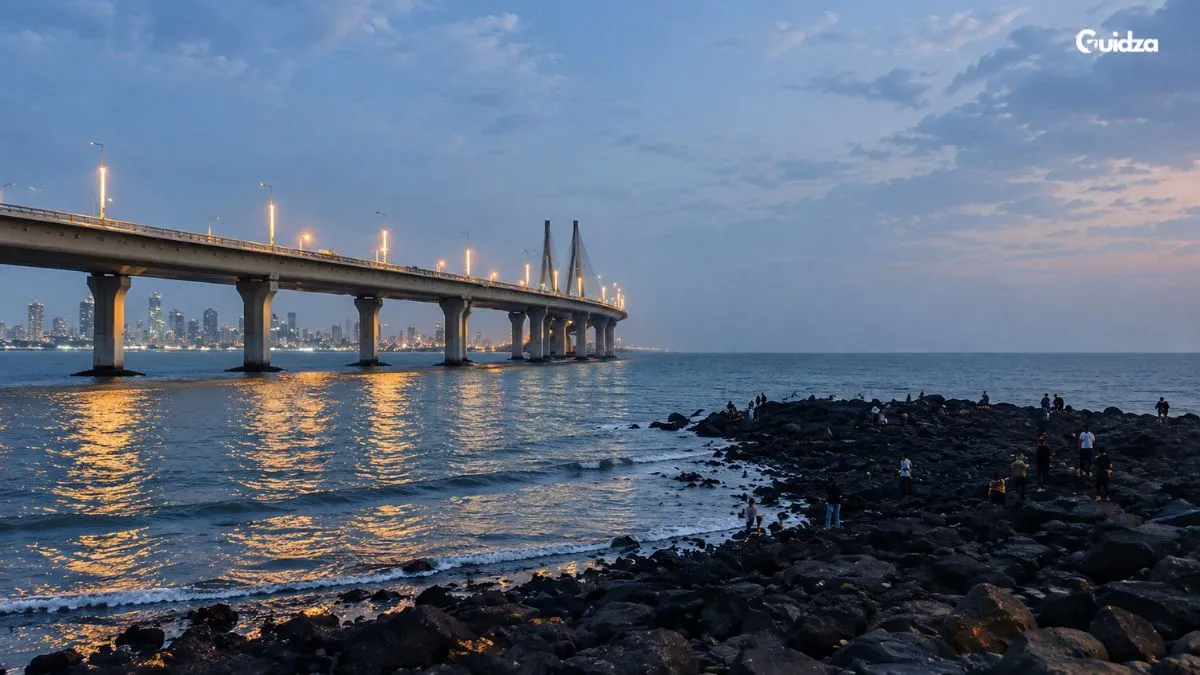
Bandra is a blend of old village lanes and trendy cafés. Street stalls sit alongside bakeries and casual eateries, so you can try sandwiches, chaat and pav dishes, then move on to something more modern.
Juhu
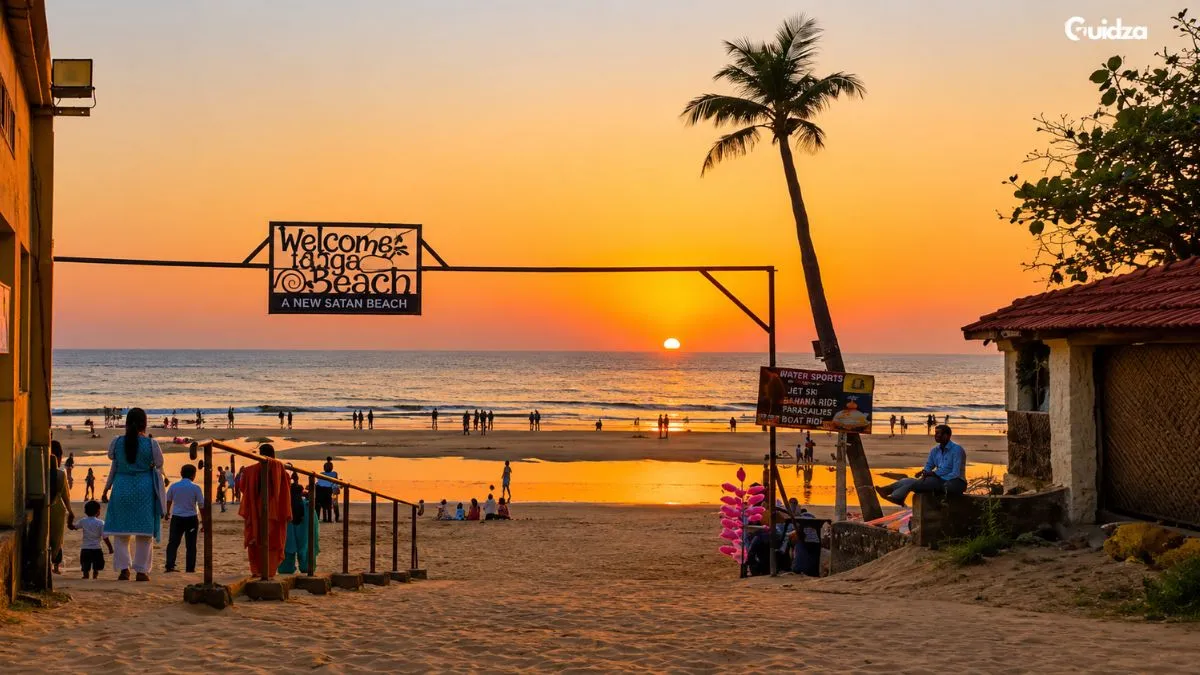
Juhu Beach is known for evening chaat, pav bhaji, ragda pattice and ice gola. It is a relaxed place to eat while watching the sea, especially at weekends when local families gather.
Mohammed Ali Road
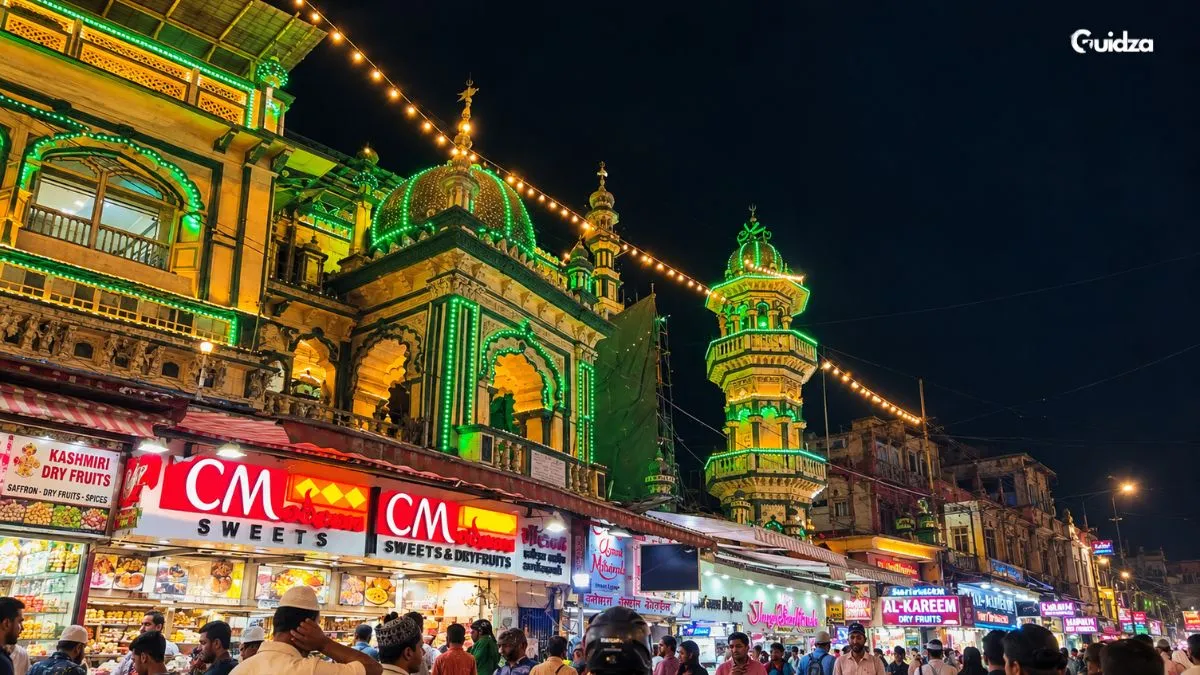
This is the address for kebabs, nihari, keema and sweet dishes such as malpua. It comes alive after dark and is particularly busy during Ramadan evenings. Go with an appetite and a group so you can share several dishes.
South Mumbai
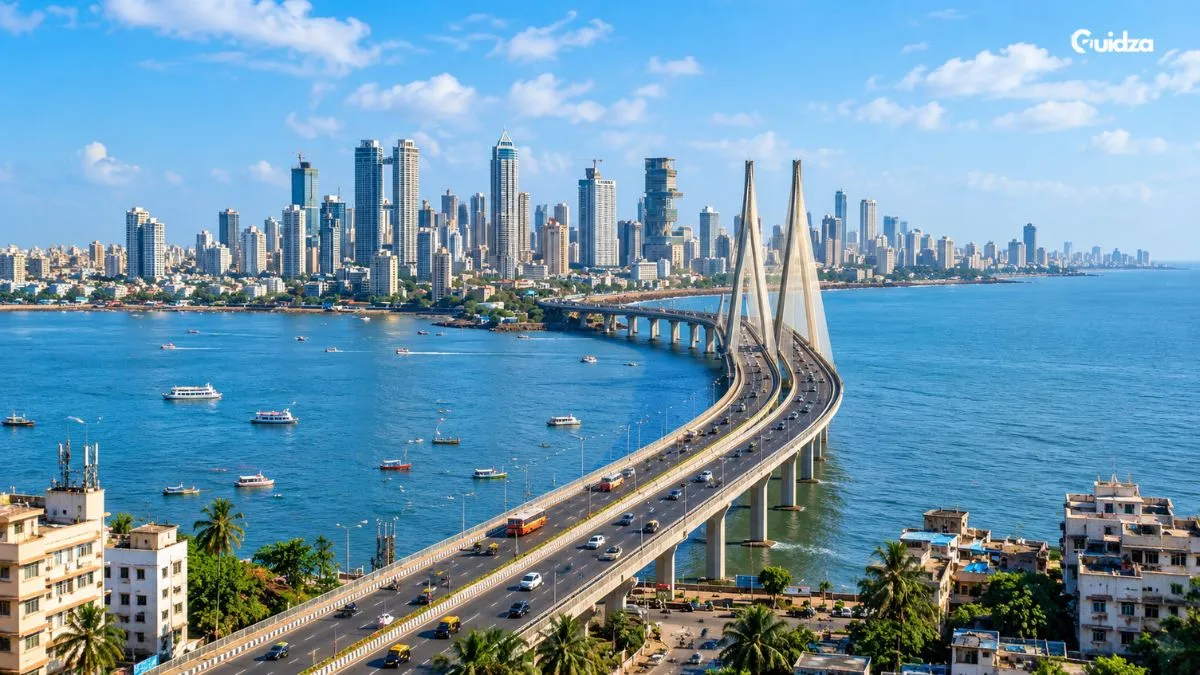
The Fort, Churchgate and CST area combines heritage architecture with old cafés, sandwich stalls and vada pav lanes. If you are exploring things to do in South Mumbai, you can find a snack within a few minutes of almost every landmark. It is also one of the easiest areas for first-timers to navigate.
Andheri
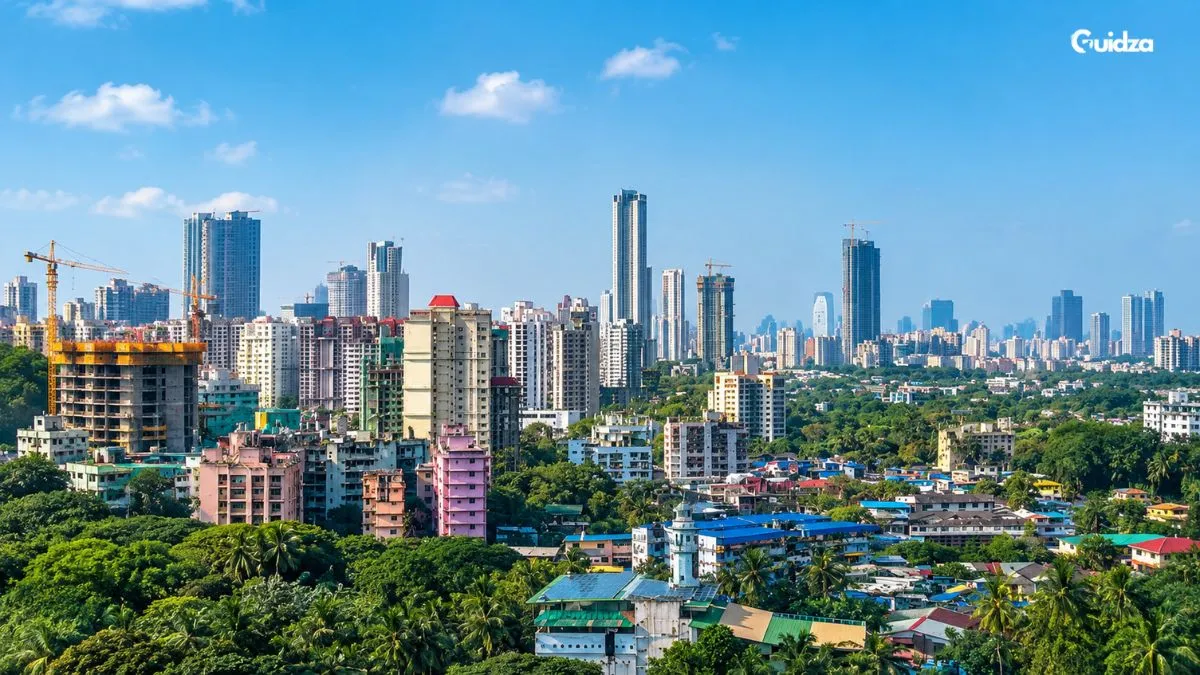
Andheri in the western suburbs is a busy commuter hub with lively lanes near the station. You can expect quick vada pav, chaat, dosas and Indo-Chinese snacks, all at very local prices.
Many of these areas rank among the best places to visit in Mumbai simply for the atmosphere, even before you order.
Mumbai Street Food for First-Time Visitors
New to the city? This Mumbai travel guide section keeps things simple.
Start with the classics: vada pav, pav bhaji and bhel puri. They are widely available, easy to like and a good measure of what the city’s street food is about. Add misal pav or keema pav once you are comfortable with the spice.
South Mumbai and Chowpatty are the most convenient areas for a first food trail, since they sit close to major sights and are well connected. You can plan a snack stop between attractions instead of setting aside a full food day.
A few habits help you eat well and responsibly:
- Choose busy stalls with a steady stream of customers, since high turnover usually means fresher food.
- Pick items that are cooked fresh and served hot.
- Watch how the vendor handles food, water and money before you order.
- Stick to sealed bottled water and carry hand sanitiser.
- Ask for less spice if you are not used to chilli, and start with one or two dishes at a time.
- Carry small change, and be respectful of the space and the people who work there.
Combine Food With Mumbai Sightseeing
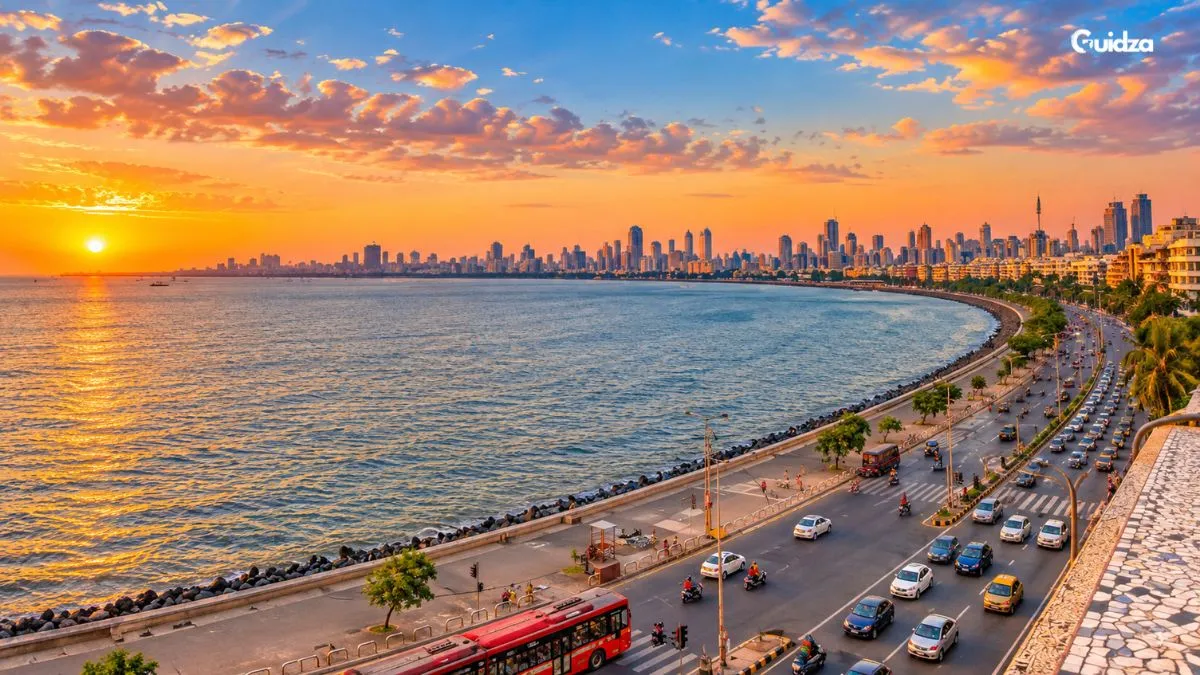
Food and Mumbai sightseeing fit together well. Instead of treating them as separate plans, use each landmark as an anchor and eat in the area around it. Here is how that can work.
Gateway of India and Colaba. Spend the morning by the waterfront, then walk into Colaba for bun maska, keema pav or a plate of kebabs. It is one of the easiest pairings in the city.
Marine Drive and Chowpatty. Walk the curve of Marine Drive in the late afternoon and finish at Chowpatty for bhel puri as the lights come on.
CST and Crawford Market. Chhatrapati Shivaji Maharaj Terminus is a striking heritage building, and the lanes nearby are good for vada pav and sandwiches. Crawford Market is close by and lets you combine spice, fruit and snack shopping in one visit.
Bandra and Juhu. Bandra suits a relaxed afternoon of cafés, sea views and street stalls. Juhu is the classic place to end the day with pav bhaji or ragda pattice on the beach.
Dharavi. If you visit Dharavi, choose a community-led guided walk that respects residents and local businesses. The area is a working neighbourhood with small-scale pottery, leather and food production. Ask before taking photos, and treat it as a place where people live and work, not a spectacle.
Planning this way turns your list of places to visit in Mumbai into a smoother day, with fewer long trips between stops. It also helps you find Mumbai sightseeing places that double as good food areas.
Other Things to Do in Mumbai Beyond Street Food
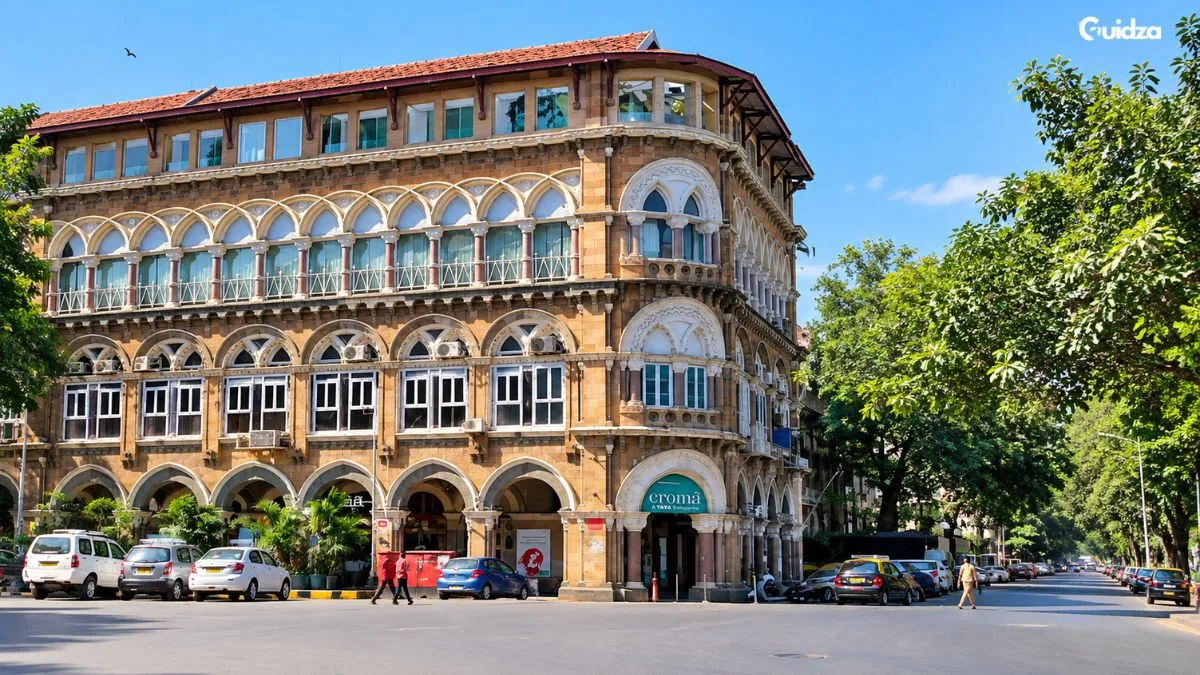
Once you have tried the snacks, there is plenty more to explore. The things to do in Mumbai go well beyond the plate.
- Heritage walks: The Fort and Kala Ghoda areas are full of colonial-era buildings, galleries and cafes, and work well on foot.
- Markets: Crawford Market, Colaba Causeway and Zaveri Bazaar are good for spices, textiles, jewellery and souvenirs.
- Museums and galleries: The Chhatrapati Shivaji Maharaj Vastu Sangrahalaya, Jehangir Art Gallery and the Dr. Bhau Daji Lad Museum offer art and history.
- Marine Drive and Gateway of India: Both are best at sunrise or sunset, when the sea air makes the walk more comfortable.
- Harbour experiences: Ferries from the Gateway of India run to Elephanta Island, known for its rock-cut cave temples.
- Local shopping: Linking Road and Fashion Street are popular for clothes and accessories, with bargaining part of the fun.
- Bollywood-related experiences: Guided film-industry tours and studio visits give a peek at the world of Hindi cinema.
You can arrange most of these independently, or pick from Mumbai tours that cover heritage, markets or culture in a single outing. A guided Mumbai city tour is a practical option if you have only a day or two and want an overview of the main areas.
If you have extra time, the wider state offers hill stations, ancient caves and coastal towns. Explore things to do in Maharashtra to extend your trip beyond the city.
Mumbai Food Experiences for Travelers
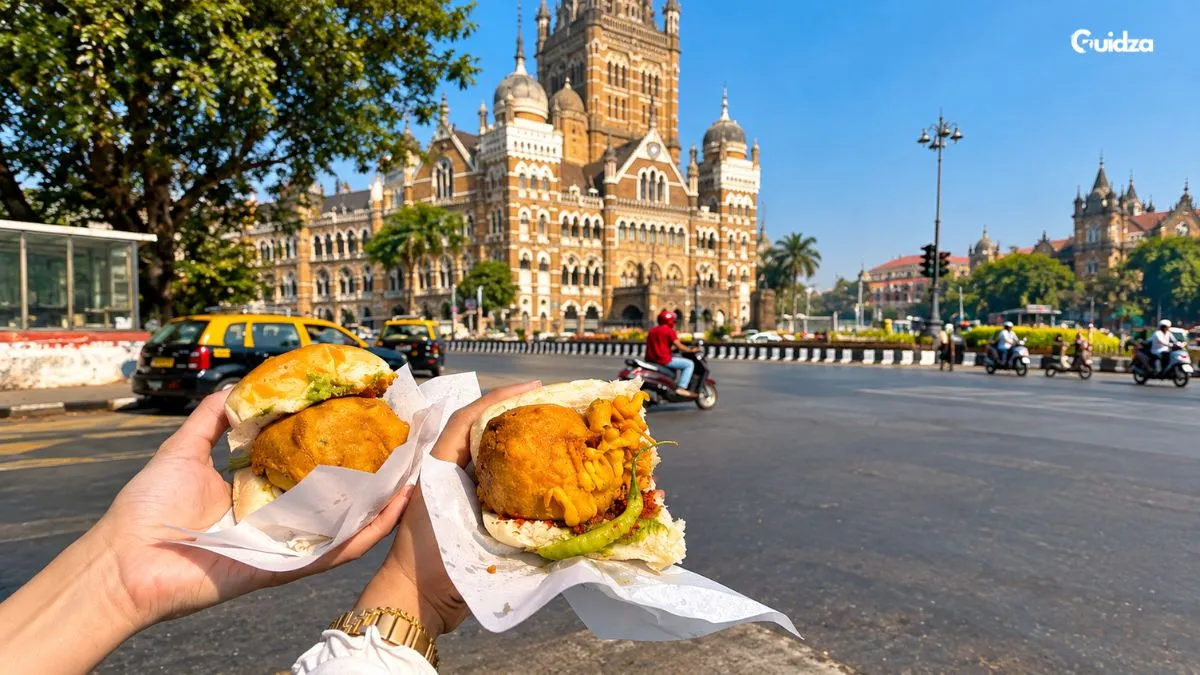
There is no single right way to eat your way through the city. Here are the most common approaches.
- Explore food streets independently. Pick an area, walk slowly and follow the crowds. This works well for confident travellers on a flexible schedule.
- Join a guided food walk. A Mumbai food tour gives you a curated route, context about each dish and local recommendations. It also takes away the guesswork about where and what to order.
- Try local markets. Old markets combine shopping with snacking, and are lively places to see how Mumbaikars buy and eat.
- Visit neighbourhood food spots. Areas like Dadar and Andheri show the everyday side of the city, away from the busiest tourist routes.
- Pair food with sightseeing. Building meals around your itinerary is often the simplest way to enjoy Mumbai food experiences without extra travel time.
If you choose a guided option, read recent reviews, check the group size and confirm that the tour includes both vegetarian and non-vegetarian choices. Whichever route you take, these Mumbai travel experiences tend to become the parts of the trip people remember most.
FAQs
1. What is the most famous street food in Mumbai?
Vada pav is widely seen as the city’s signature snack. Pav bhaji, bhel puri, sev puri and misal pav follow closely. Together they make up the famous street food in Mumbai that locals and visitors name first, and all of them are easy to find across the city.
2. Where can I try the best street food in Mumbai?
Popular areas include Chowpatty, Juhu, Dadar, Colaba, Bandra and Mohammed Ali Road. Each has its own strengths, from beach chaat to late-night kebabs. Quality and taste vary from stall to stall and depend on personal preference, so try a few places and watch where locals queue.
3. What food should I try in Mumbai for the first time?
Begin with vada pav, pav bhaji and bhel puri. Add sev puri or a Bombay sandwich for something light. If you enjoy spice, try misal pav, and if you eat meat, keema pav is worth a taste. Start small and share plates so you can sample more.
4. What are the best things to do in Mumbai besides eating?
You can walk Marine Drive, visit the Gateway of India, explore heritage buildings in the Fort area, browse markets, see museums and galleries, or take a ferry to Elephanta Island. Bollywood-themed experiences and local shopping are also popular for a well-rounded trip.
5. Can I combine Mumbai street food with sightseeing?
Yes. Many major sights sit close to good food areas. You can pair the Gateway of India with Colaba, Marine Drive with Chowpatty, and CST with nearby vada pav lanes. Plan a snack stop between attractions, and you get a fuller, more local view of the city.