
Ladakh Travel Guide: Best Places to Visit, Things to Do & Travel Tips

Shivika
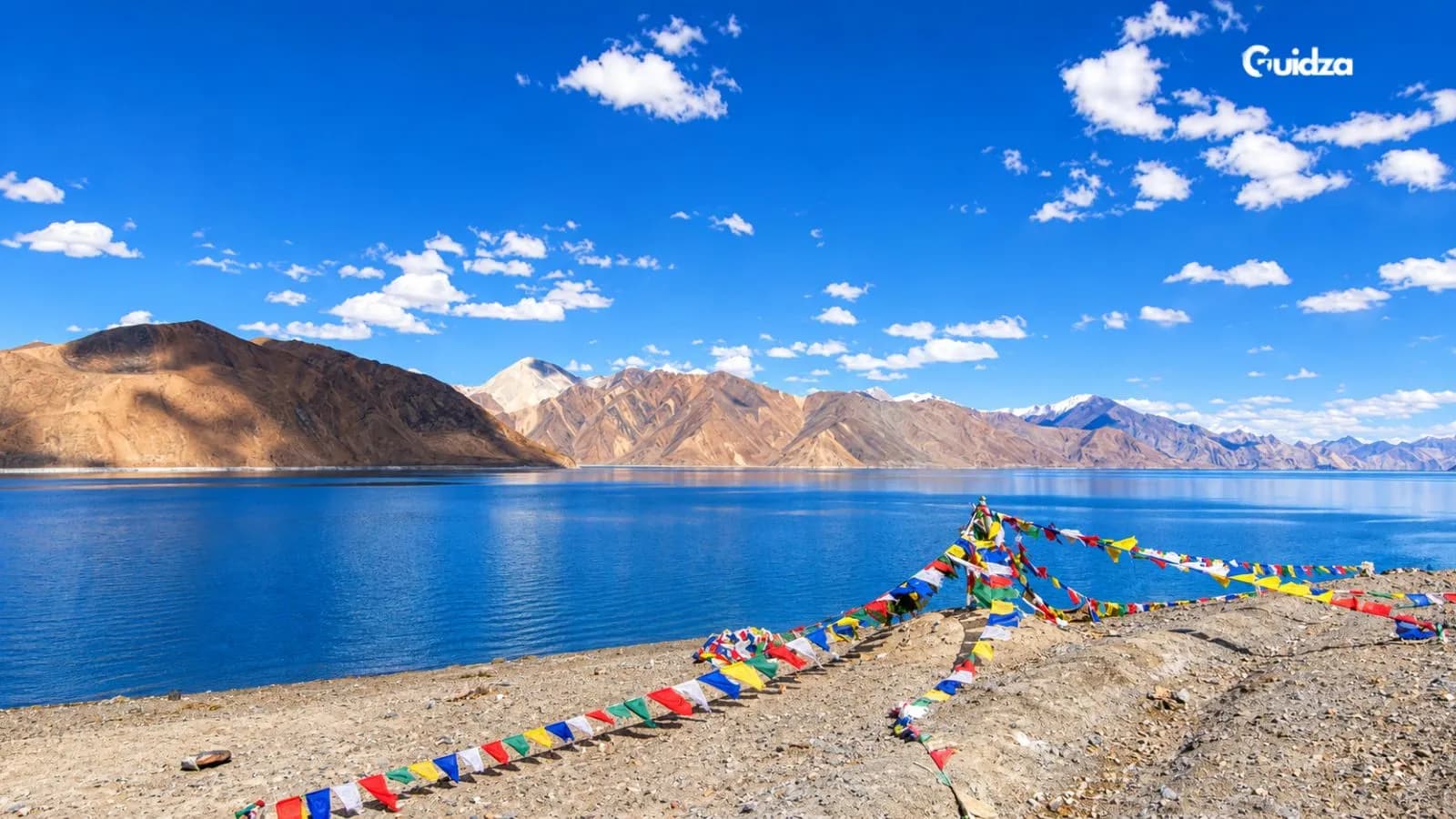
Ladakh is a high altitude desert in the Himalayas known for turquoise lakes, ancient monasteries, and some of the highest motorable roads on Earth. This Ladakh travel guide covers the top attractions, experiences, weather, and a sample route to help first-time visitors plan a smooth and safe Leh Ladakh trip to this remote Himalayan region.
A Quick Overview of Ladakh
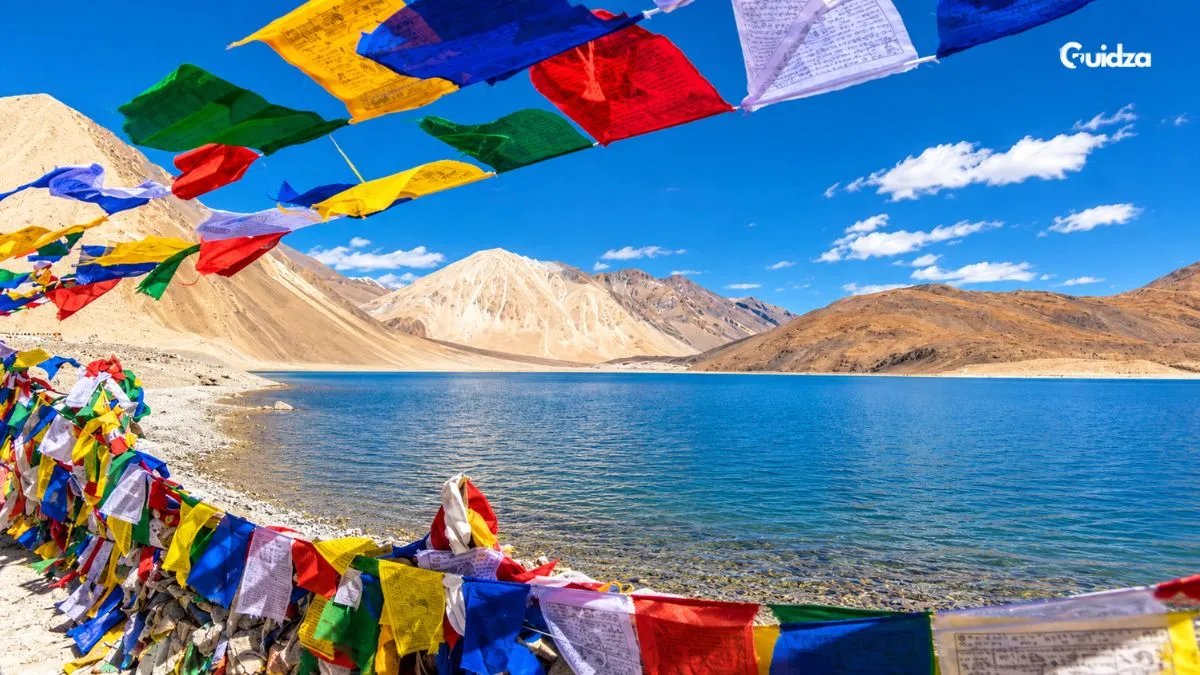
Ladakh sits in the far north of India, bordered by the Karakoram range to the north and the Himalayas to the south. The region is broadly split into Leh, the main town and travel hub; the Nubra Valley, a high-altitude cold desert north of Leh; the Pangong and Changthang region, home to Ladakh's famous high-altitude lakes; and Kargil and Zanskar, a quieter, more remote area with deep valleys and monasteries. Most journeys begin in Leh, where travelers acclimatize for a day or two before heading out to explore the places to visit in Ladakh spread across these regions.
Best Places to Visit in Ladakh
1. Pangong Tso
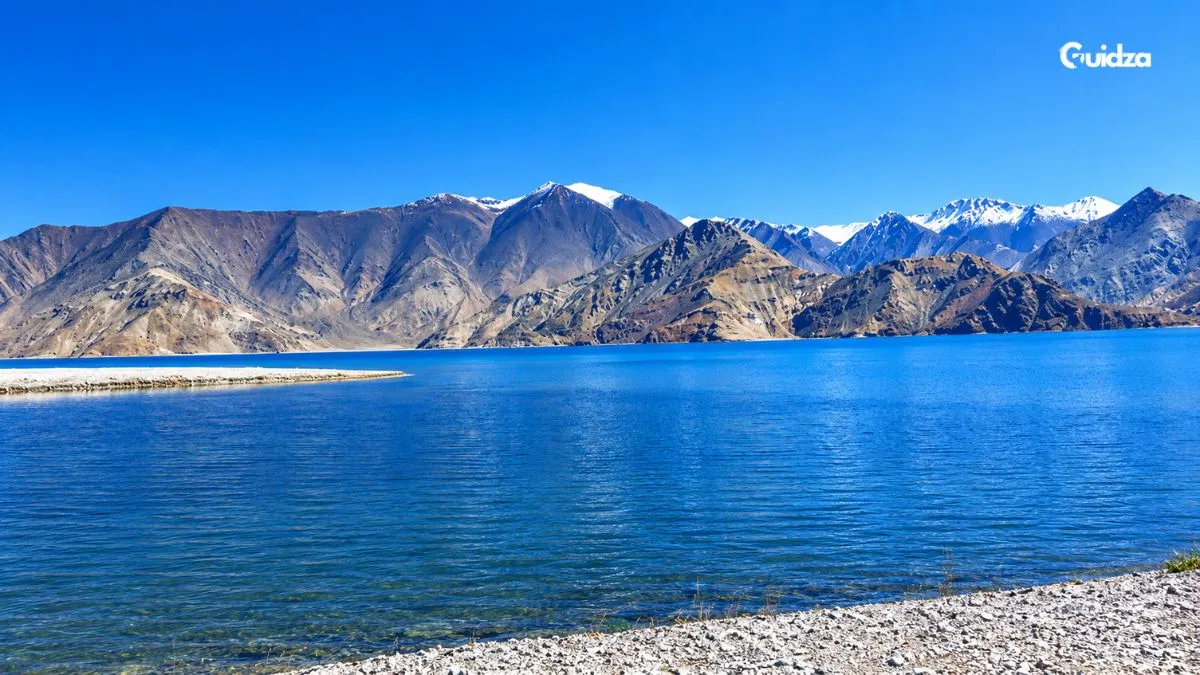
Overview: This vast high-altitude lake stretches from India into Tibet and is famous for its changing shades of blue, especially striking against the barren mountains around it.
Highlights: Camp overnight by the lakeshore, watch the color of the water shift through the day, and stop at Chang La pass en route for panoramic valley views.
Recommended time: 1 to 2 days, including the drive from Leh.
2. Nubra Valley
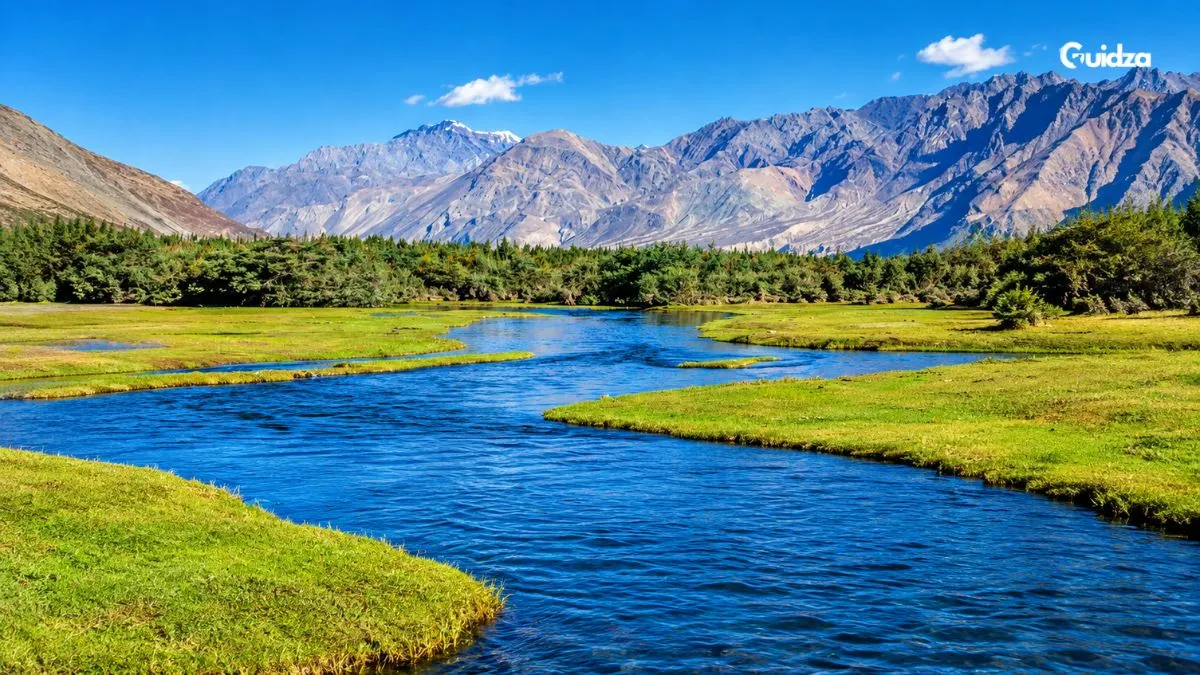
Overview: Reached via the Khardung La pass, Nubra Valley is a cold desert with sand dunes, double-humped Bactrian camels, and small monasteries set against snow-capped peaks.
Highlights: Ride a camel across the dunes at Hunder, visit Diskit Monastery and its giant Buddha statue, and soak in the natural hot springs at Panamik.
Recommended time: 1 to 2 days.
3. Leh Palace and Old Town
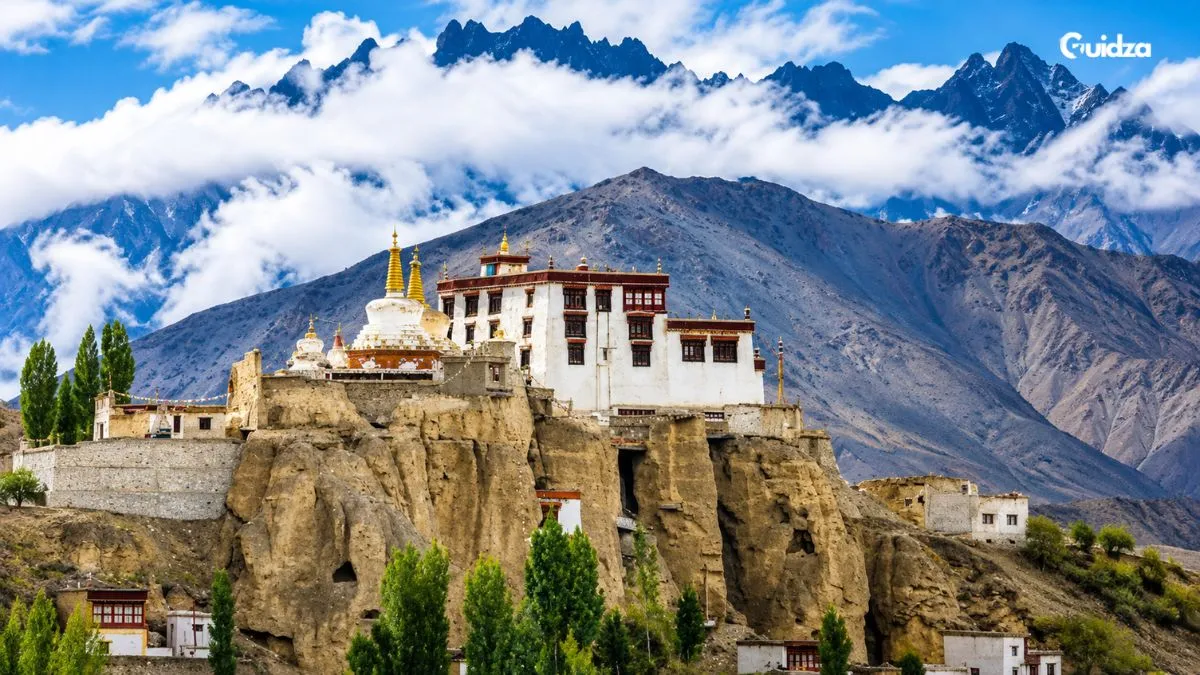
Overview: This nine-story former royal palace overlooks Leh town and resembles a smaller version of Lhasa's Potala Palace, offering insight into Ladakh's royal history.
Highlights: Climb to the palace rooftop for sweeping views of Leh and the surrounding mountains, wander the narrow lanes of the old town below, and visit the nearby Namgyal Tsemo Monastery.
Recommended time: 2 to 3 hours.
4. Magnetic Hill
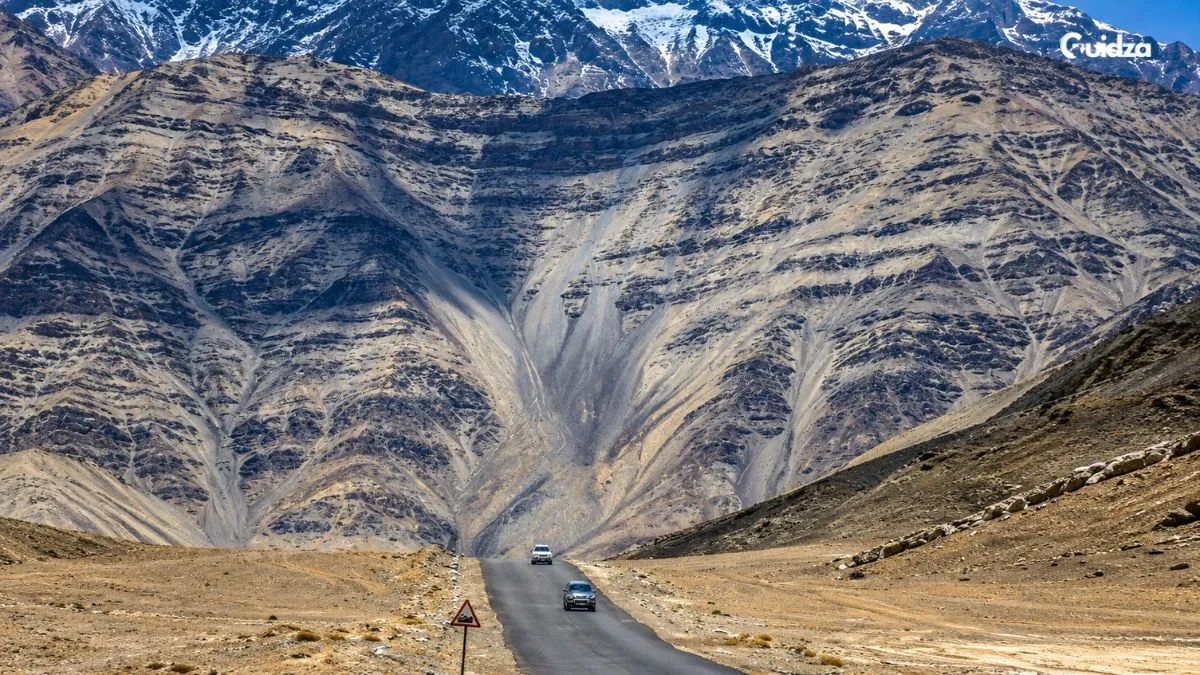
Overview: A short drive from Leh, this stretch of road creates an optical illusion where vehicles in neutral appear to roll uphill, making it a popular quick stop for travelers.
Highlights: Test the illusion yourself, view the nearby Sindhu (Indus) River, and combine the visit with the Gurudwara Pathar Sahib and Sangam viewpoint on the same route.
Recommended time: 30 to 45 minutes.
5. Khardung La Pass
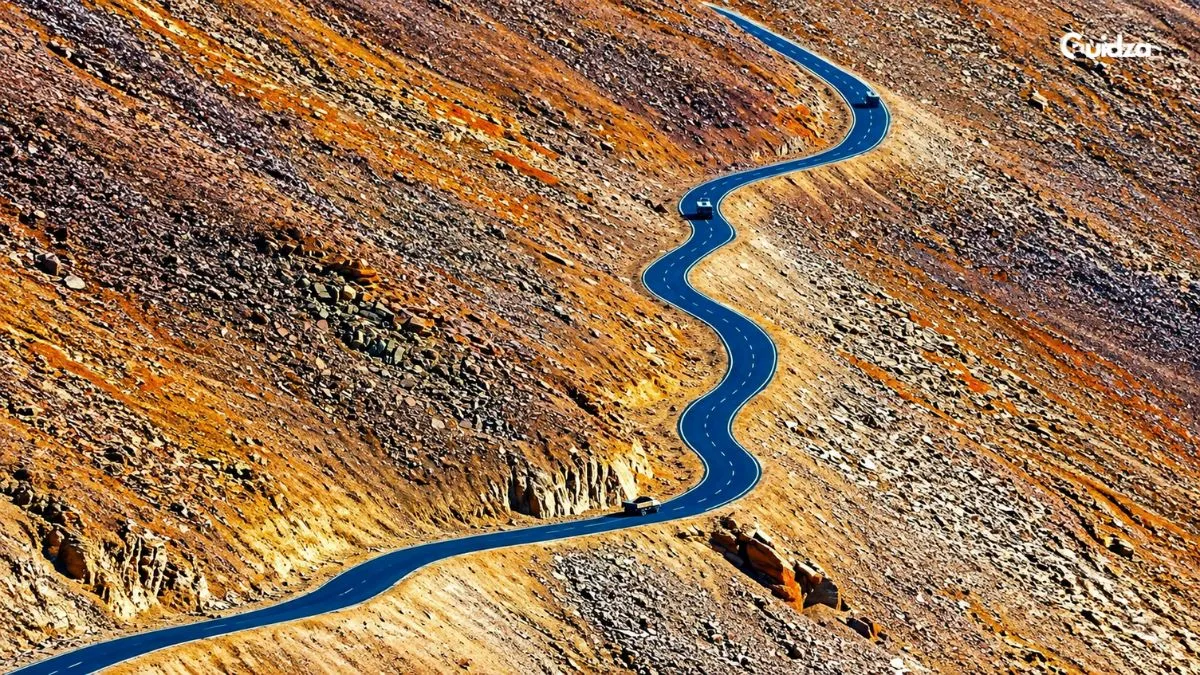
Overview: Once claimed as the world's highest motorable pass, Khardung La sits at over 17,500 feet and serves as the main gateway between Leh and the Nubra Valley.
Highlights: Take photos at the summit signboard, grab a hot cup of tea at the roadside stall, and enjoy the dramatic views of the Ladakh range on either side.
Recommended time: 30 to 60 minutes as a stop en route to Nubra.
6. Tso Moriri
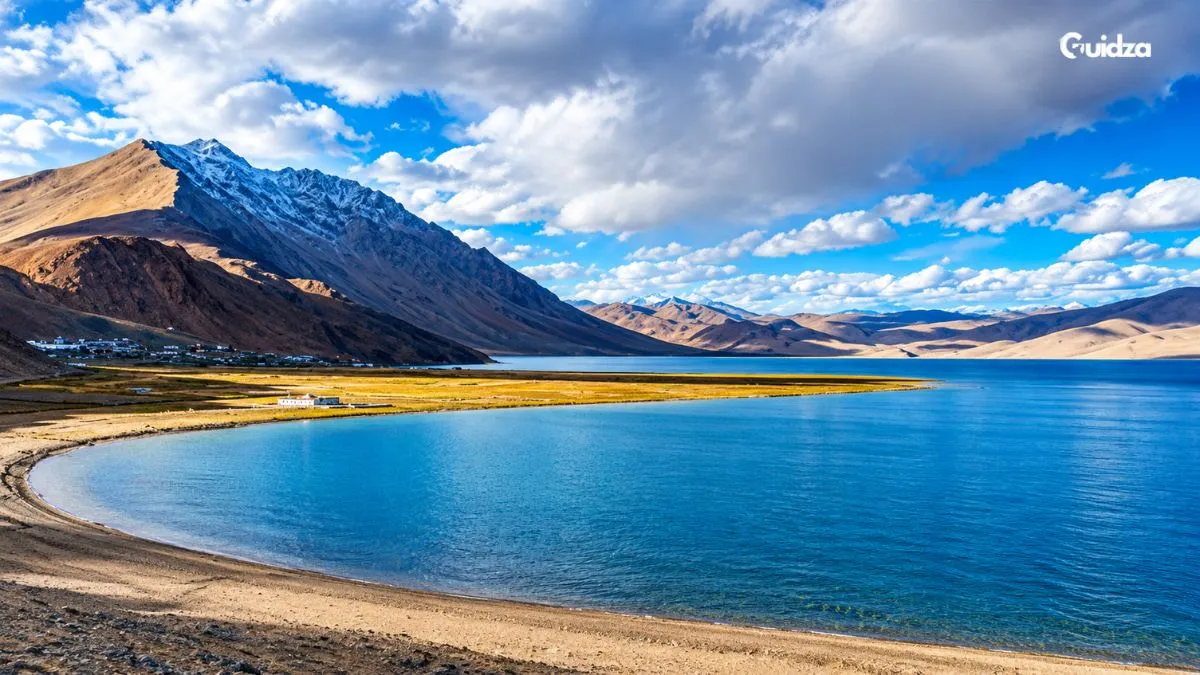
Overview: Less crowded than Pangong, this remote high-altitude lake in the Changthang plateau is surrounded by wetlands that attract migratory birds and grazing pashmina goats.
Highlights: Spot black-necked cranes and other rare birds, visit the small village of Korzok on the lakeshore, and enjoy the quieter, less touristed atmosphere.
Recommended time: A full day, best as an overnight stop.
Top Things to Do in Ladakh
Beyond sightseeing, these things to do in Ladakh round out a well-planned trip:
- Visit ancient monasteries: Hemis, Thiksey, and Alchi monasteries hold centuries-old murals, thangka paintings, and active monastic communities open to visitors.
- Try river rafting on the Zanskar or Indus: Guided rafting trips run seasonally through dramatic gorge sections near Leh.
- Go trekking in the Markha Valley: A multi-day trek through remote villages, high passes, and views of Kang Yatse peak, popular with experienced hikers.
- Attend a local festival: The Hemis Festival and Ladakh Festival feature masked Cham dances, traditional music, and local handicrafts.
- Sample Ladakhi food: Try thukpa (noodle soup), momos, and butter tea at a local eatery in Leh's main market.
- Stargaze in the Changthang plateau: Ladakh's clear skies and low light pollution make it one of India's best spots for night sky photography.
Best Time to Visit Ladakh
The best time to visit Ladakh is between May and September, when the Leh-Manali and Srinagar-Leh highways are open and most high-altitude passes and lakes are accessible. June to August is peak season, with pleasant daytime temperatures and all major routes, including Pangong and Nubra, fully open. September offers clearer skies and thinner crowds, though nights turn noticeably colder. October marks the start of winter, with many roads closing by early November. Winter, from December to February, is reserved for experienced travelers, mainly drawn by the frozen Zanskar River trek, since most mountain passes remain snowbound and temperatures can drop well below freezing.
Planning a Leh Ladakh Trip: Sample 6-Day Itinerary
A well-paced Leh Ladakh trip should always include acclimatization days, since altitude sickness is a real risk in this region. Also double-check the best time to visit Ladakh section above before locking in your travel dates:
- Day 1: Arrive in Leh and rest completely to acclimatize to the altitude.
- Day 2: Visit Leh Palace, the old town, and Shanti Stupa, keeping activity light.
- Day 3: Day trip to Magnetic Hill, the Sangam viewpoint, and Pathar Sahib Gurudwara.
- Day 4: Drive over Khardung La to Nubra Valley, visiting Diskit Monastery and the Hunder sand dunes.
- Day 5: Travel to Pangong Tso via Shyok route, camping overnight by the lake.
- Day 6: Return to Leh via Chang La, stopping at Thiksey Monastery on the way back.
This route can be extended with a visit to Tso Moriri or a short trek in the Markha Valley for travelers with more time.
Plan Your Ladakh Trip With Confidence
Ladakh rewards travelers who plan around its altitude, weather, and permit requirements rather than rushing through it. Pace your first couple of days in Leh, build in time for both the popular stops like Pangong Tso and Nubra Valley and the quieter corners like Tso Moriri, and pick your travel dates using the best time to visit Ladakh guidance above. Whether you're chasing high-altitude lakes, ancient monasteries, or simply the drive itself, a well-paced Leh Ladakh trip is one of the most rewarding journeys you can take in the Himalayas.
Frequently Asked Questions
How many days are ideal for a Ladakh trip?
Six to eight days is a good baseline, allowing time to acclimatize in Leh before heading to Nubra Valley and Pangong Tso. Add extra days for Tso Moriri or trekking.
Do I need a permit to visit Ladakh?
Indian citizens need an Inner Line Permit to visit areas like Pangong Tso, Nubra Valley, and Tso Moriri, which can be arranged online or through local travel agents in Leh. Foreign nationals require a Protected Area Permit for the same regions.
Is altitude sickness a concern in Ladakh?
Yes. Leh sits at around 11,500 feet, and altitude sickness is common if you skip acclimatization. Resting on arrival, staying hydrated, and avoiding strenuous activity for the first 24 to 48 hours significantly reduces the risk.
What is Ladakh famous for?
Ladakh is known for high-altitude lakes like Pangong Tso and Tso Moriri, ancient Buddhist monasteries, the Nubra Valley's sand dunes, and some of the highest motorable passes in the world.
Is Leh-Manali or Srinagar-Leh the better route to enter Ladakh?
Both routes are scenic; the Srinagar-Leh highway is generally smoother and opens earlier in the season, while the Leh-Manali highway offers dramatic high-altitude scenery but can be rougher and opens slightly later.