
Ladakh Itinerary for 7 Days: A Complete Travel Plan

Anika Shaah
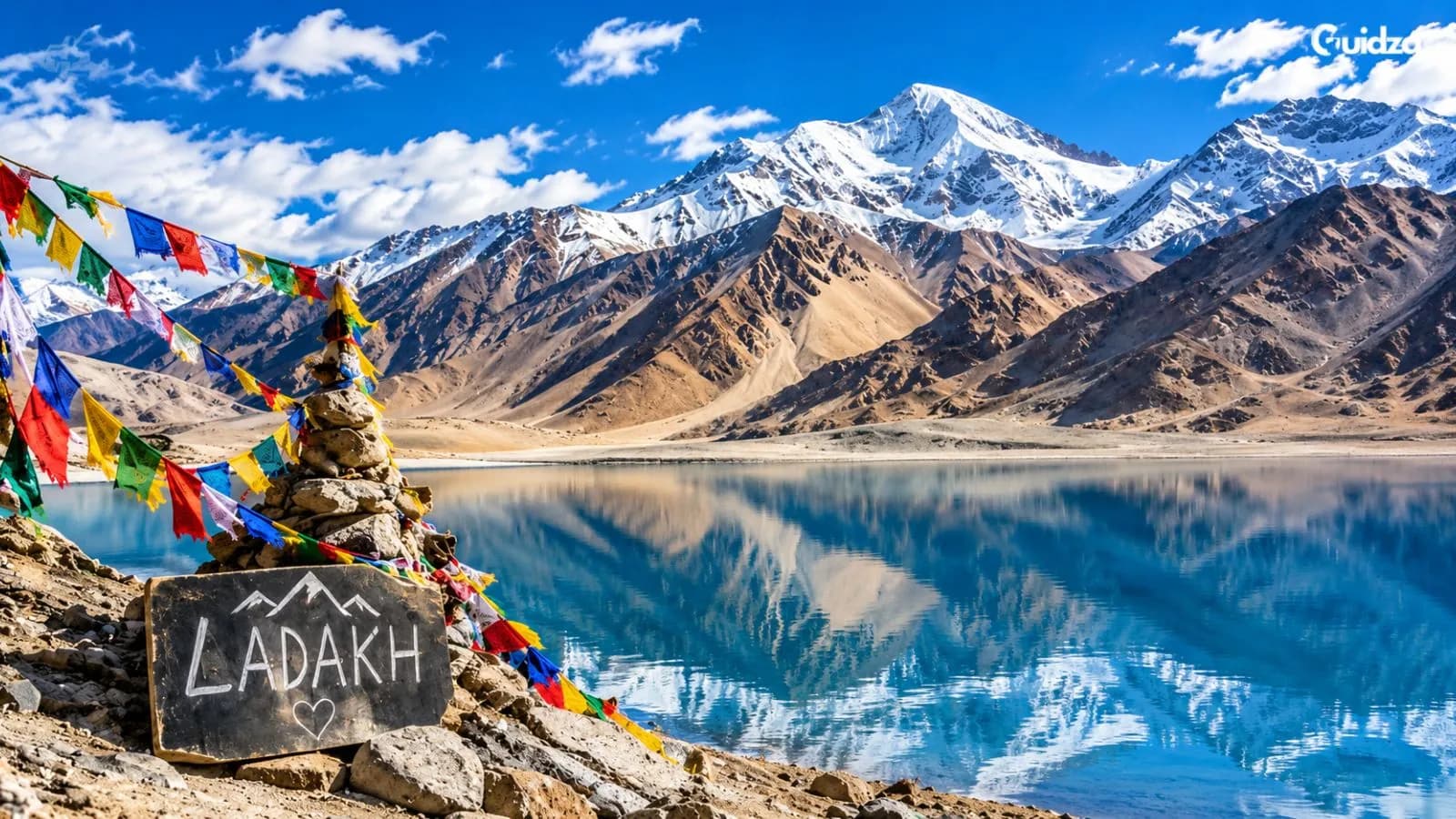
Seven days is enough time to see the core of Ladakh without turning the trip into a race. The region's high mountain passes, monasteries, desert valleys and lakes are spread far apart, so the real challenge is not choosing what to see but ordering it sensibly: easing into the altitude first, grouping places that share a route and leaving some slack for weather.
This Ladakh itinerary for 7 days follows a popular loop: Leh, Nubra Valley, Pangong Lake and back to Leh. It is designed for first-time visitors who want a realistic trip plan rather than a long list of attractions. It also explains how to adjust the route, when to travel, how to get around, where to stay and what to pack. For a broader introduction to the region, the main Ladakh travel guide is a good companion, and the guide to the best places to visit in Ladakh goes deeper into individual destinations.
A note on accuracy: road access, permits, weather and local rules in Ladakh can change quickly. Wherever this article mentions a time-sensitive requirement, verify the latest information with local authorities or your tour operator before travelling.
Ladakh Itinerary for 7 Days at a Glance
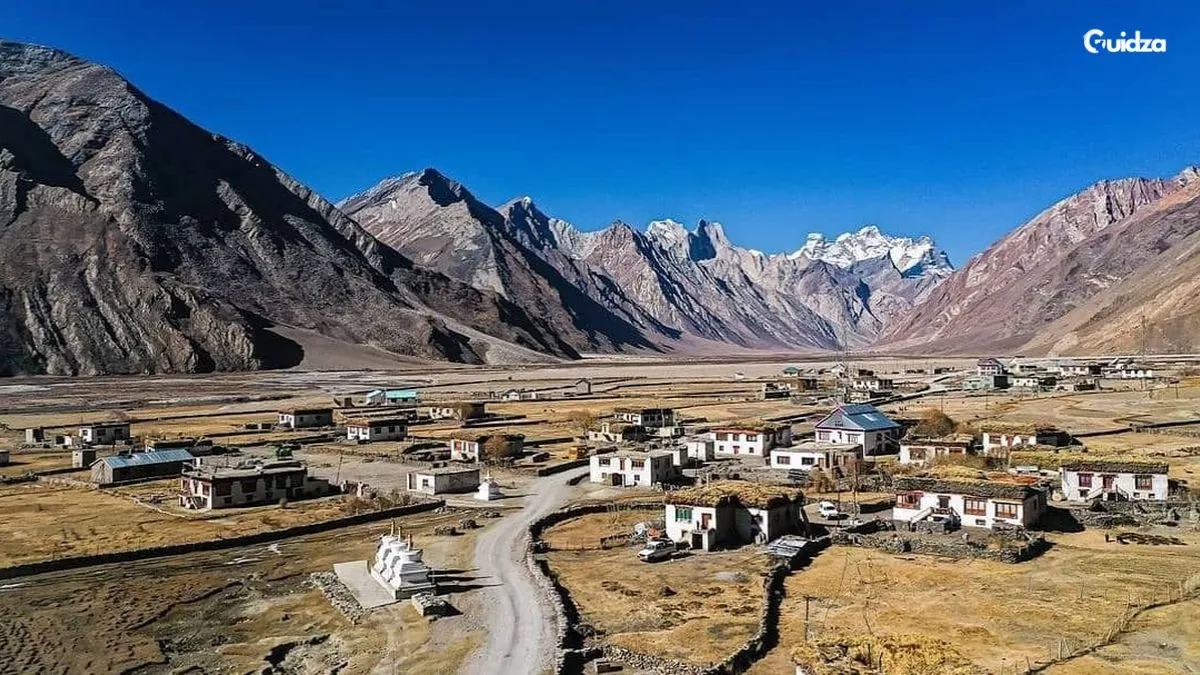
Here is the route in one view. Each day is explained in detail below.
- Day 1 – Arrive in Leh and rest to acclimatize
- Day 2 – Explore Leh and nearby sights at an easy pace
- Day 3 – Leh to Nubra Valley over a high mountain pass
- Day 4 – Explore Nubra Valley
- Day 5 – Nubra Valley to Pangong Lake
- Day 6 – Pangong Lake back to Leh
- Day 7 – Leh and departure, with a short local outing if time allows
The loop works as a 7-day Ladakh itinerary because it keeps the long driving days apart from the rest days and puts the lowest-altitude sightseeing at the start. Be aware that the connecting road between Nubra and Pangong depends on current access, so confirm it before you finalise the plan. If it is unavailable, the alternative is to return to Leh before heading to Pangong, which usually means adjusting the days.
Day 1: Arrive in Leh and Acclimatize
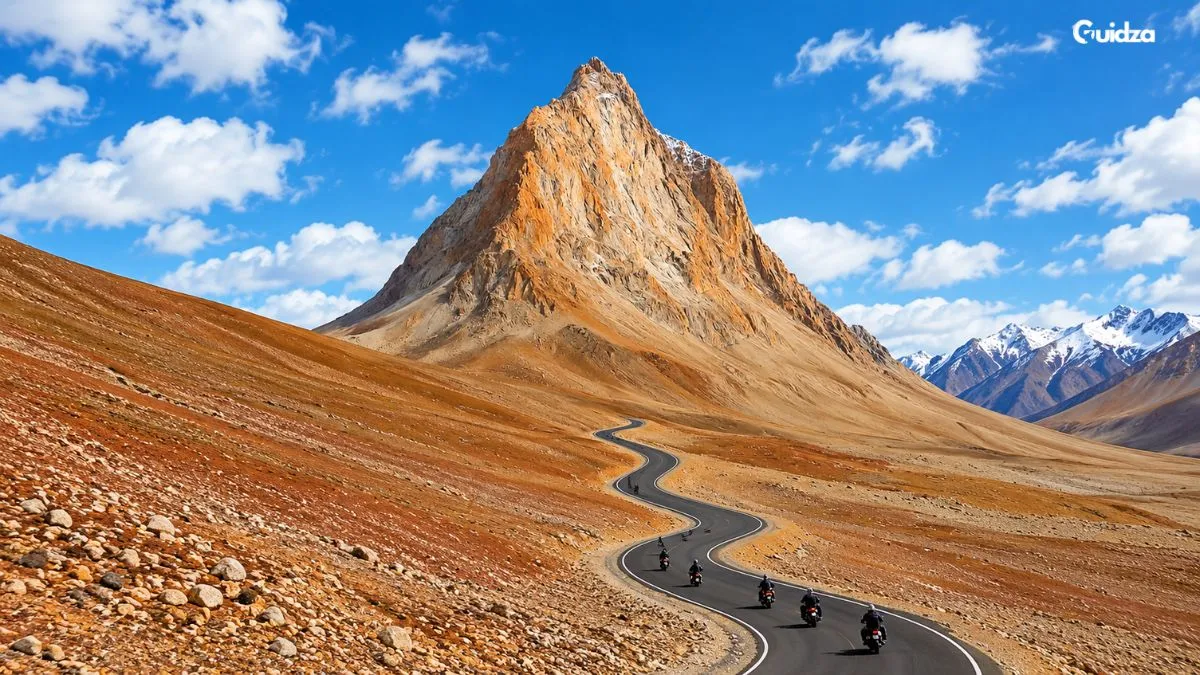
Leh sits at a high altitude, and many visitors feel the effects of thin air in the first day or two. That is why this itinerary keeps day one deliberately light. The aim is to arrive, check in and give your body time to adjust.
- Rest after arrival, even if you feel fine
- Drink water regularly and eat light meals
- Avoid strenuous activity, long walks and heavy meals on the first day
- If you feel up to it, take a short, slow stroll around the area near your accommodation in the late afternoon
Everyone reacts differently, so it is worth speaking to a doctor before travelling, especially if you have any health concerns, and listening to how you feel during the trip. A fuller Leh travel guide can cover the town in more depth, but for now treat this as a rest day with minimal sightseeing.
Planning tip: Book an accommodation with a flexible check-in so an early-morning arrival does not leave you waiting.
Day 2: Explore Leh
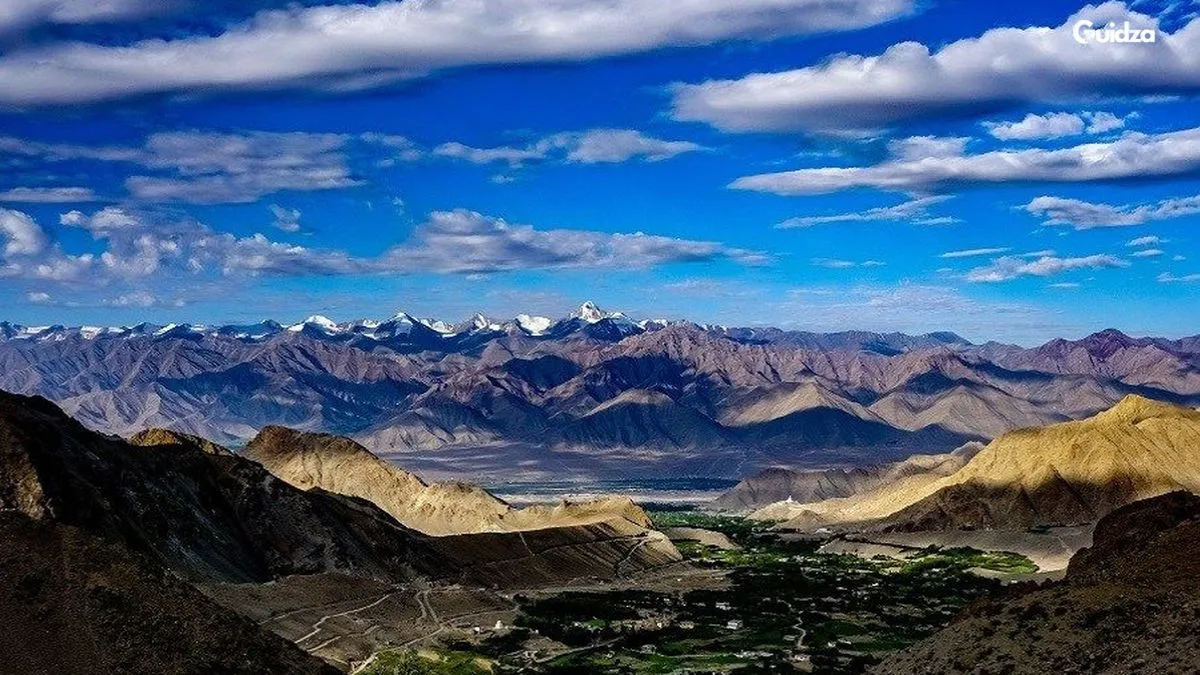
With a day of rest behind you, spend day two on gentle sightseeing in and around Leh. Keeping the pace relaxed also helps your body continue to adjust before the high passes ahead.
Among the things to do in Leh that fit this kind of day are:
- Visiting the old town and Leh Palace area
- Watching the sunset from a viewpoint such as Shanti Stupa
- Browsing Leh Market for local crafts, textiles and snacks
- Visiting a nearby monastery, such as Thiksey or Shey, if you want to see more of the Indus Valley
You do not need to do all of these. Choose one or two and leave the rest. A relaxed morning and an evening in the market is a fine day two. Use the afternoon to organise permits, supplies and any last-minute bookings for the days ahead.
Planning tip: Check which permits your route needs and who will arrange them, since requirements for restricted areas can change.
Day 3: Leh to Nubra Valley
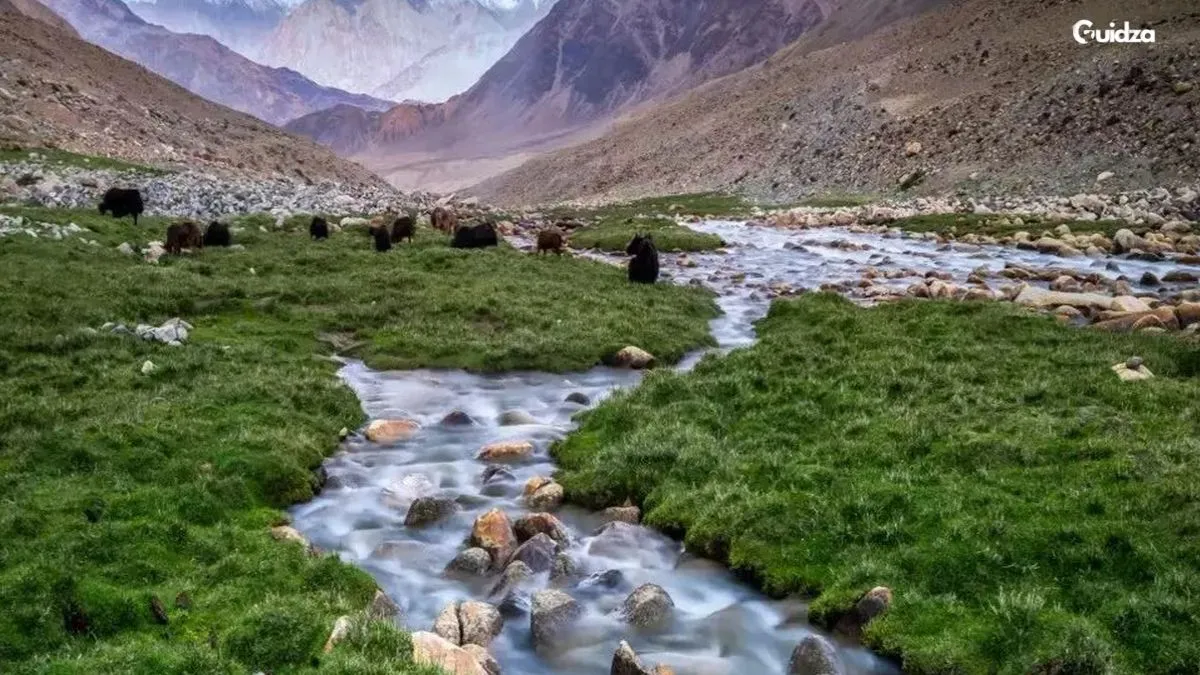
Day three is the first big travel day, and it gives you a taste of Ladakh's high-altitude landscapes. The route leaves Leh and climbs over a high mountain pass before dropping into Nubra Valley, a green valley with a very different feel from Leh.
Along the way, expect sweeping mountain views, stretches of barren terrain and a few places to stop for tea and photographs. Spend only brief periods at the highest point, since the air is thin. Once you reach the valley, the elevation drops and the surroundings turn greener, with villages and orchards along the river.
Many travellers use the late afternoon to settle in and take a short walk. A Nubra Valley travel guide can expand on the valley's villages and landscapes, but for this itinerary the priority is a comfortable overnight stay. Travel times can vary with road and weather conditions, so check the latest information and start early.
Planning tip: Carry water, snacks and warm layers in the vehicle, as it can get cold at the pass even in summer.
Day 4: Explore Nubra Valley
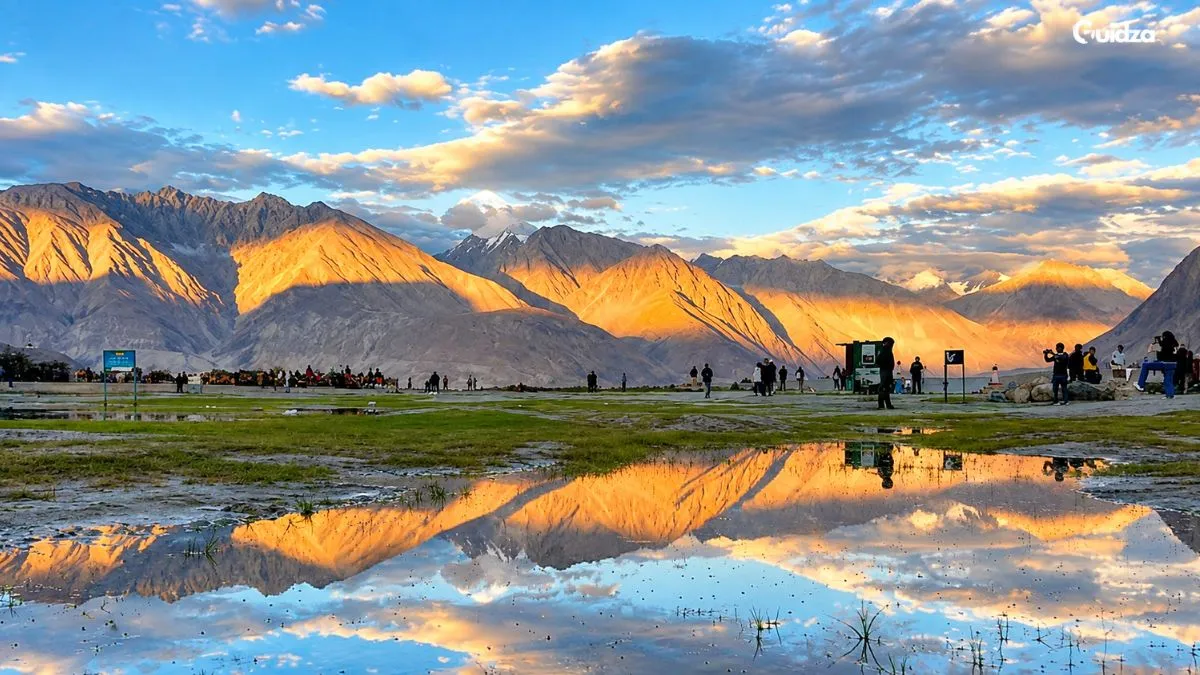
Day four is a slower day, which is a welcome break after the previous drive. The valley rewards unhurried exploring rather than ticking off a list.
Typical things to do in Nubra Valley include:
- Visiting Diskit Monastery and its viewpoint over the valley
- Walking among the sand dunes near Hunder and, where available, trying a camel ride
- Exploring nearby villages and enjoying local meals
- Photographing the contrast between desert, river and snow-capped peaks
If time and permits allow, some travellers go further to villages near the northern end of the valley, but that adds a long day, so it may not fit a 7-day plan. Keeping the day relaxed is usually the better choice. Dunes and viewpoints are most pleasant in the early morning and late afternoon.
Planning tip: Confirm any additional travel to restricted villages with your operator, and check permit rules before you go.
Day 5: Nubra Valley to Pangong Lake
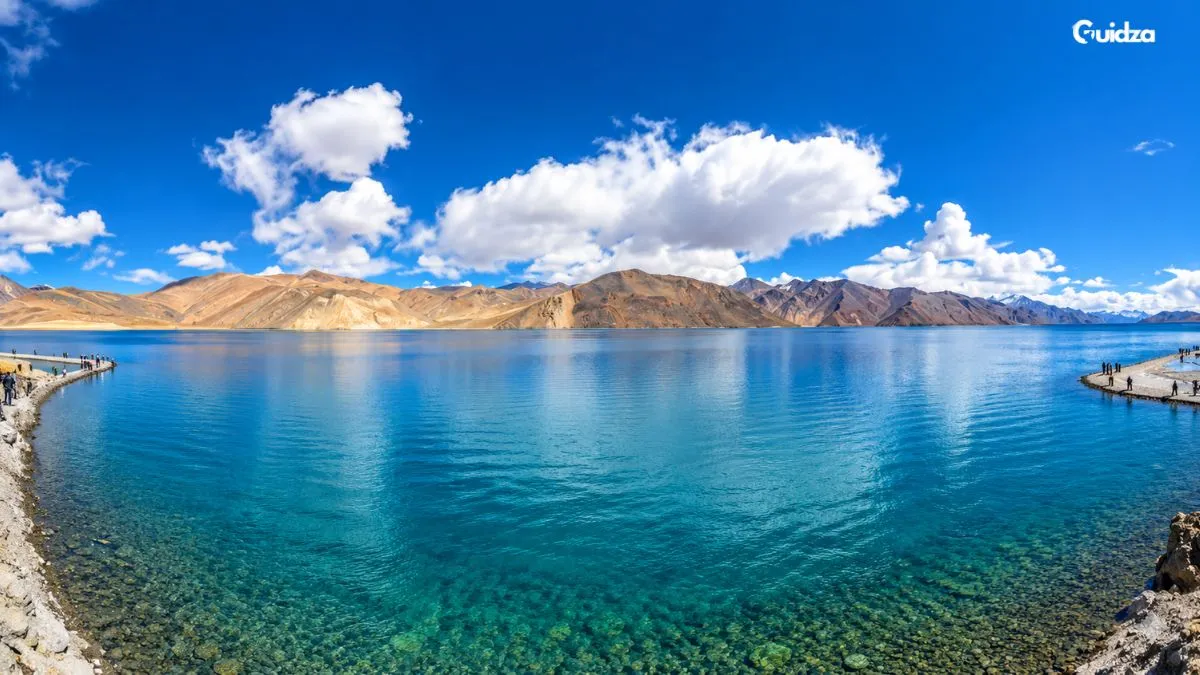
Day five is another long travel day, moving from the green valley to one of Ladakh's most photographed lakes. The route depends on current road access between the two areas, so confirm before booking. Where that connecting road is open, it can save backtracking through Leh. If it is not, you may need to return to Leh first, which will affect your schedule.
On arrival, the main experience is simple: take in the lake. Its colours change through the day, from pale blue to deeper shades, set against dry mountains. Many visitors spend the late afternoon walking along the shore and watching the sunset, then waking early to see the sunrise.
A Pangong Lake travel guide can cover the area in more detail, but the things to do at Pangong Lake are mostly quiet ones:
- Walking along the shoreline
- Photography at sunrise and sunset
- Stargazing on clear evenings
- Resting in a lakeside camp or guesthouse
Planning tip: Facilities near the lake are often basic and nights are cold. Confirm amenities, heating and mobile coverage with your accommodation beforehand.
Day 6: Pangong Lake to Leh
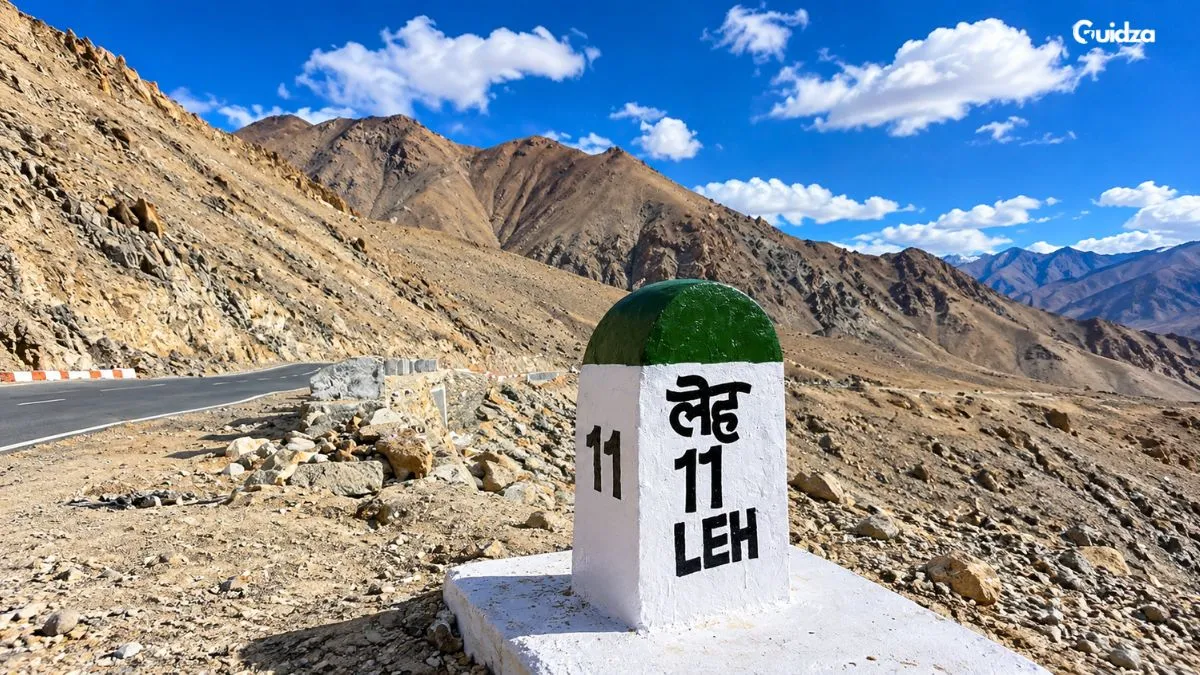
Start the day with a calm morning at the lake. If you have the energy, sunrise is worth catching before breakfast. Then begin the return journey to Leh, crossing another high pass on the way.
Plan for a few stops along the road, perhaps for tea or to take in the scenery, but avoid adding extra detours. This is a long day on the road, and arriving in Leh by evening to rest is more valuable than squeezing in another sight. Check transport arrangements and road conditions the day before, and keep in mind that travel times can change. The section on getting around below explains the main options for these longer journeys.
Planning tip: Eat a proper breakfast and carry water, since services along the route are limited.
Day 7: Leh and Departure
How you spend the final day depends on when your flight or transport leaves.
- Early departure: have your bags packed the night before and leave generous time to reach the airport or bus stop
- Afternoon or evening departure: use the morning for a short, easy outing in Leh, such as a last walk through the market or a final stop at a monastery you did not visit earlier
- Souvenirs: Leh Market is a convenient place for local crafts, woollens and dried fruit
Avoid an overly packed schedule on the last day. Weather and flight schedules in the mountains can change, so build in buffer time before any onward travel, and keep a spare day in your wider plans if you can.
Alternative Places to Add to a 7-Day Ladakh Trip
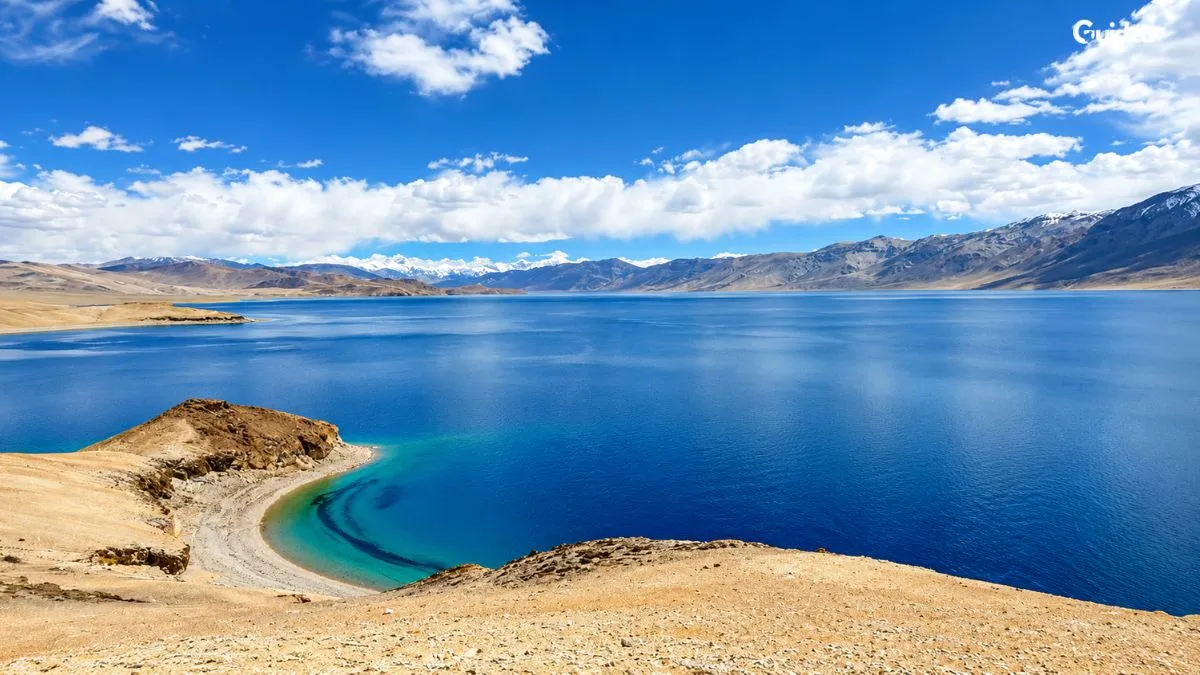
If you want to customise the route, a few other places are worth considering. Adding any of them usually means swapping something out rather than just adding more days to the loop, because distances are long and the roads are slow.
- Tso Moriri: a high-altitude lake in the southeast that usually needs extra days. A Tso Moriri travel guide can help you decide whether it fits
- Sham Valley and Alchi: a gentler route west of Leh with monasteries and village scenery, often done as a day trip
- Hemis and Thiksey: monasteries close to Leh that can replace or supplement Day 2 sightseeing
- Hanle: a remote area known for dark skies, better suited to a longer or specialised trip and subject to permit rules
Decide which parts of the itinerary matter most to you, and trade accordingly. For example, dropping a Nubra night to add a day at Tso Moriri is possible, but both are long journeys from Leh and are hard to combine within seven days.
Best Time for a 7-Day Ladakh Trip
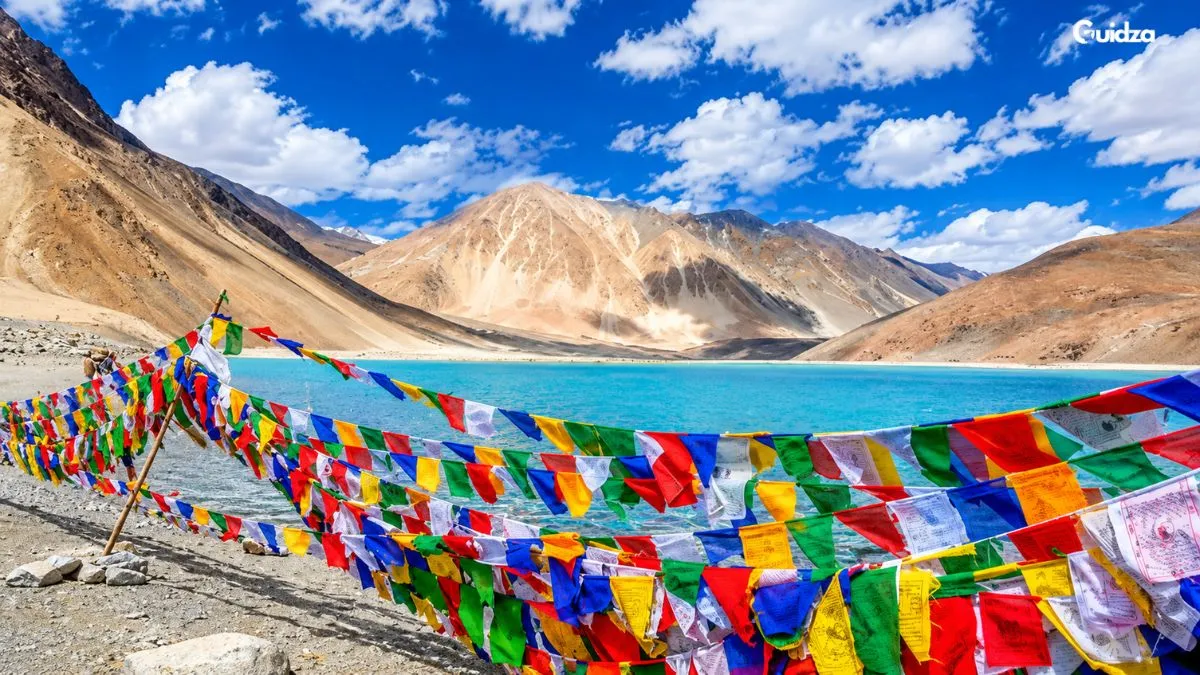
Season shapes almost every part of a Ladakh trip. The best time to visit Ladakh depends on what you want, but a few general points help planning.
- Road conditions and access: high passes and some routes, including those to remote lakes, are generally open only in the warmer months, and conditions can change at short notice
- Weather: days can be warm and sunny while nights stay cold, and conditions shift quickly at altitude
- Activities: sightseeing, road journeys and lake visits are generally easier in the warmer months, while winter brings a very different, quieter kind of trip with limited access
- Crowds: summer is typically the busiest period, so book accommodation and transport early
Do not treat any of this as guaranteed. Check current road and weather information shortly before you travel, and keep a flexible mindset.
How to Get Around Ladakh During a 7-Day Trip
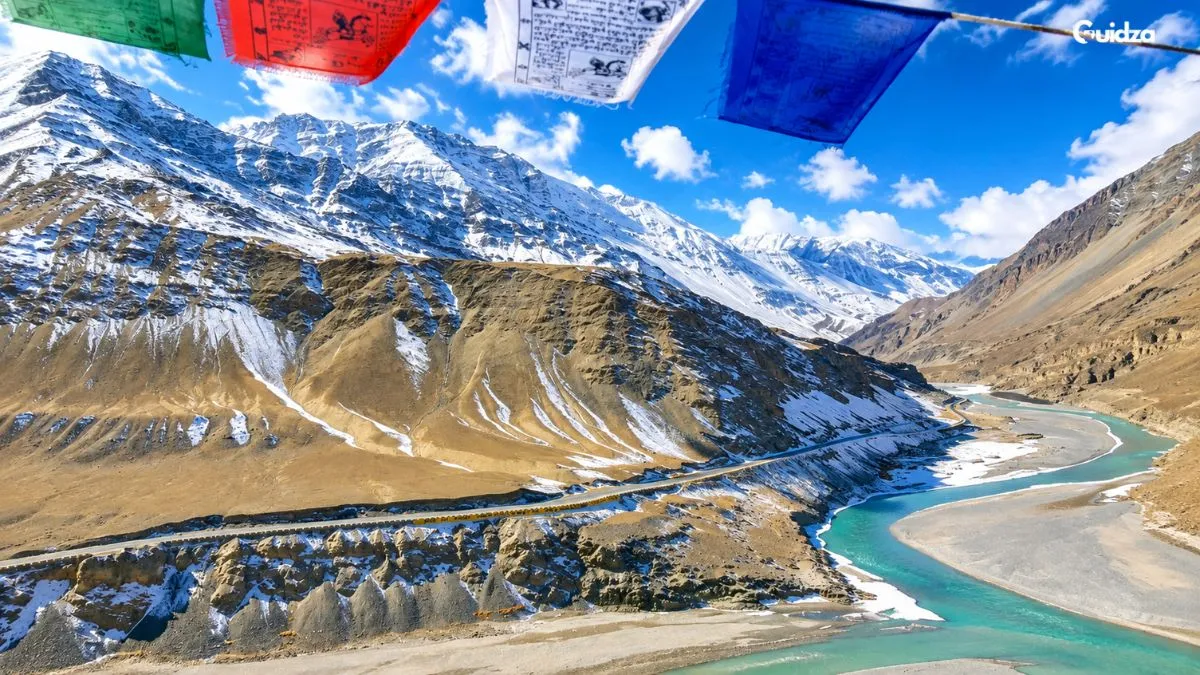
The distances in this itinerary are long and the roads are mountainous, so planning transport ahead is important. A Ladakh road trip is the standard way to cover this loop, and the main options are:
- Private vehicle with a driver: the most common choice for this route, offering flexibility on stops and timing
- Taxi: local taxis are convenient in and around Leh, and taxi unions in the region often set rules for longer trips, so check how they work
- Motorcycle: popular with experienced riders, but it demands good riding skills, fitness and attention to conditions
- Organised tours: useful if you want transport, accommodation and permits handled together
- Shared transport: available on some routes, though schedules and options are more limited
Whichever option you choose, Ladakh transportation works best when arranged in advance, especially in peak months. Ask whoever organises your trip how permits, vehicle rules and any route restrictions are handled, and verify the latest information before you go.
Where to Stay During Your Ladakh Itinerary

This itinerary needs accommodation in three places, and your options differ in each. This is a general overview, not a hotel guide, and details should be verified before booking.
- Leh: the widest choice, from hotels to guesthouses, and a practical base for rest, supplies and your first and last nights
- Nubra Valley: guesthouses, hotels and camps, usually in villages near Hunder or Diskit, which keeps sightseeing short
- Pangong Lake: mostly lakeside camps and basic stays, chosen for their proximity to the shore and the sunrise views
When deciding where to stay in Ladakh, consider how each location supports the route. Staying close to the sights saves time, while accommodation with reliable heating and meals matters more than extra features in colder months.
What to Pack for a 7 Day Ladakh Trip
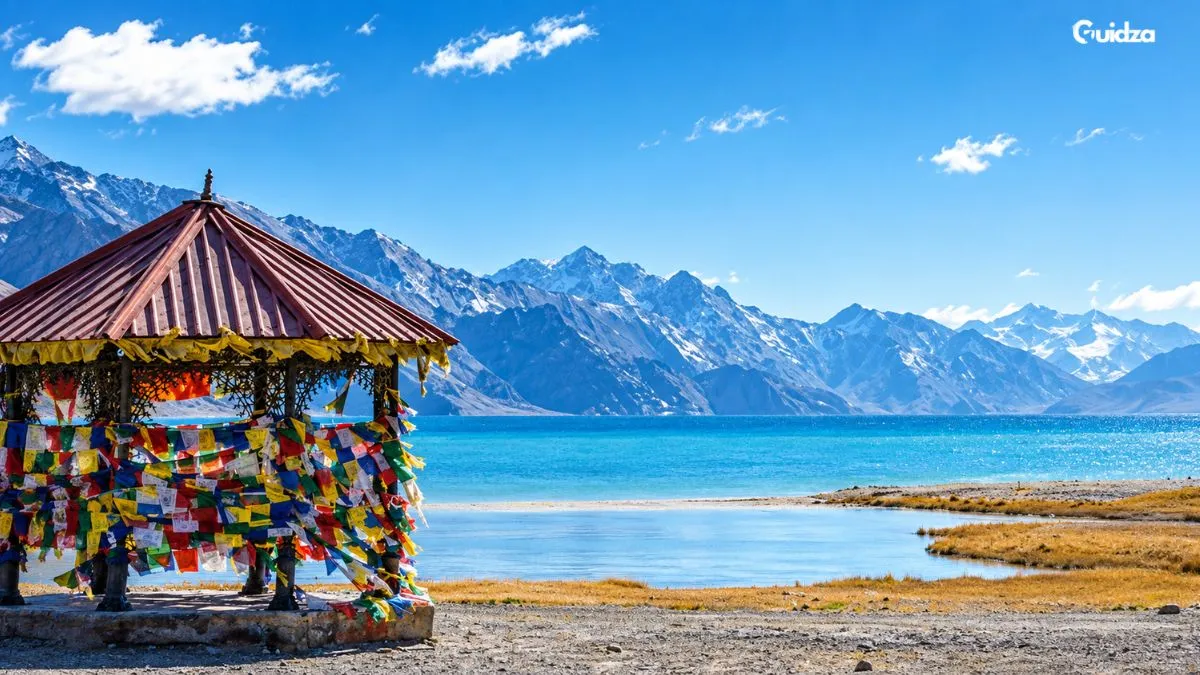
Temperatures change a lot between day and night and between valleys and passes, so layering is the main idea. A complete Ladakh packing list can go into more detail, but these are the essentials.
- Clothing: thermal base layers, a fleece or mid layer, a warm jacket, a windproof layer, warm socks, gloves and a hat
- Footwear: comfortable, sturdy shoes with good grip, plus sandals or lighter shoes for the hotel
- Sun protection: sunglasses, sunscreen and lip balm, as UV exposure is strong at altitude
- Personal medicines: any prescribed medication and a basic first-aid kit, with questions about altitude directed to a doctor
- Water bottle and snacks for long drives
- Power bank and chargers, since electricity can be unreliable in remote areas
- Documents: ID, permit copies and travel confirmations
- Other useful items: a small backpack, torch or headlamp, moisturiser and a few plastic bags for wet or dirty items
Experiences You Can Add to Your Ladakh Itinerary
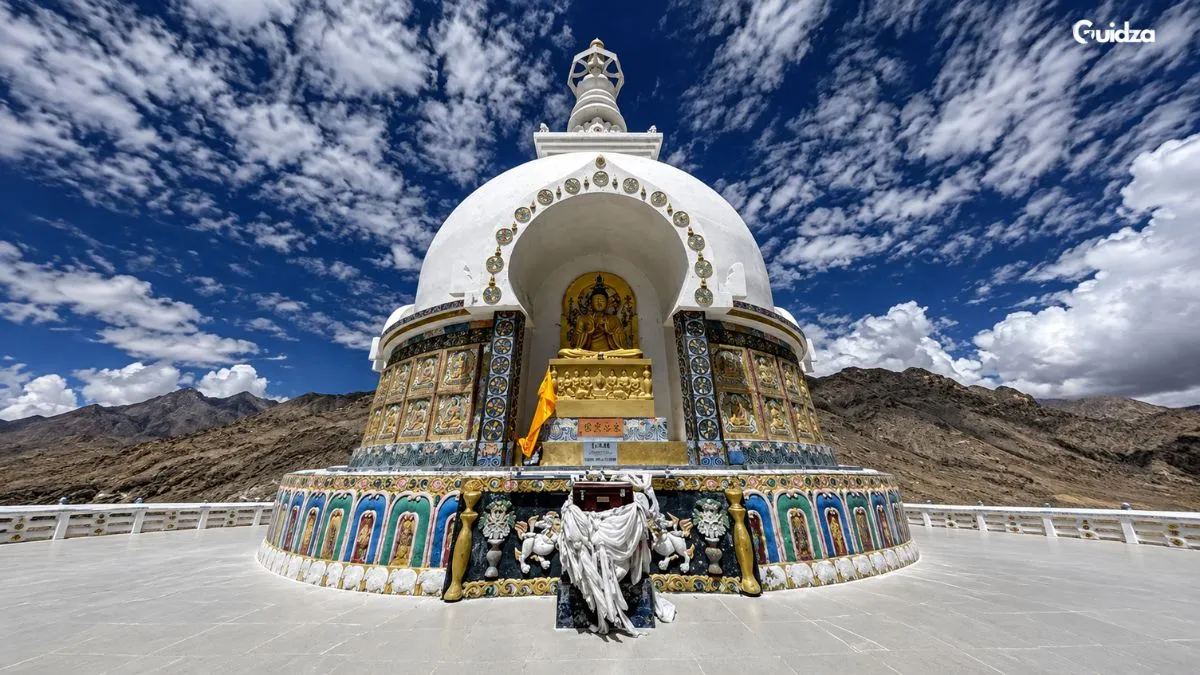
This article is mainly about the route, but there is room to personalise it. If you have extra time or want to swap sightseeing for something more active, the many things to do in Ladakh give you options.
- Hiking: short walks around villages, or longer treks for those with more time and experience
- Monastery visits: Thiksey, Hemis and others close to Leh
- Scenic drives: the roads themselves are a highlight, particularly over the high passes
- Local cultural experiences: home-cooked meals, village visits and festivals when dates align
- Photography: sunrise at the lake, dunes in Nubra and mountain views along the way
For travellers who want something more energetic, Ladakh adventure activities such as river rafting, trekking and cycling are available depending on the season and conditions. Treat these as add-ons that may require extra days or changes to the core route.
Tips for Planning a 7-Day Ladakh Trip
- Keep the first day relaxed to help you adjust to the altitude
- Avoid packing too many destinations into a single day; distances look short on the map but take long on mountain roads
- Check road and weather conditions shortly before travelling
- Keep some flexibility in your plan, ideally a spare day or two of buffer
- Arrange transportation in advance, especially in the busy season
- Carry appropriate clothing and essentials, including warm layers
- Allow buffer time for delays, particularly on the last day before departure
- Choose destinations according to the season and current access
- Match your accommodation locations to the route so you spend less time on the road
Frequently Asked Questions
Is 7 days enough for a Ladakh trip?
Yes, for a first visit. Seven days lets you cover Leh, Nubra Valley and Pangong Lake at a reasonable pace, with time to acclimatize. It is not enough for remote areas as well, so longer trips are better if you want to add them.
What is the best 7-day itinerary for Ladakh?
The loop in this guide is a popular choice: Leh, Nubra Valley, Pangong Lake and back to Leh, with rest days at the start. Your best itinerary depends on your interests, the season and current road access.
Can I cover Nubra Valley and Pangong Lake in 7 days?
Yes, it is possible in this plan. Both involve long drives, so confirm current road access and allow some buffer time in case of delays.
How many days should I spend in Leh?
In this plan, you spend about three days in and around Leh, counting arrival, sightseeing and the return. The first two days are important for acclimatization before heading to higher areas.
What is the best time for a 7-day Ladakh trip?
The warmer months are generally the most practical because roads and passes are more likely to be open. Conditions vary from year to year, so check the latest information before you book.
What should I pack for a 7-day Ladakh trip?
Pack layers, a warm jacket, comfortable shoes, sun protection, a water bottle, personal medicines, a power bank and your documents. Nights can be cold even in summer.