
Guwahati Travel Guide: Explore Top Attractions, Experiences & Local Highlights

Navya Bansal
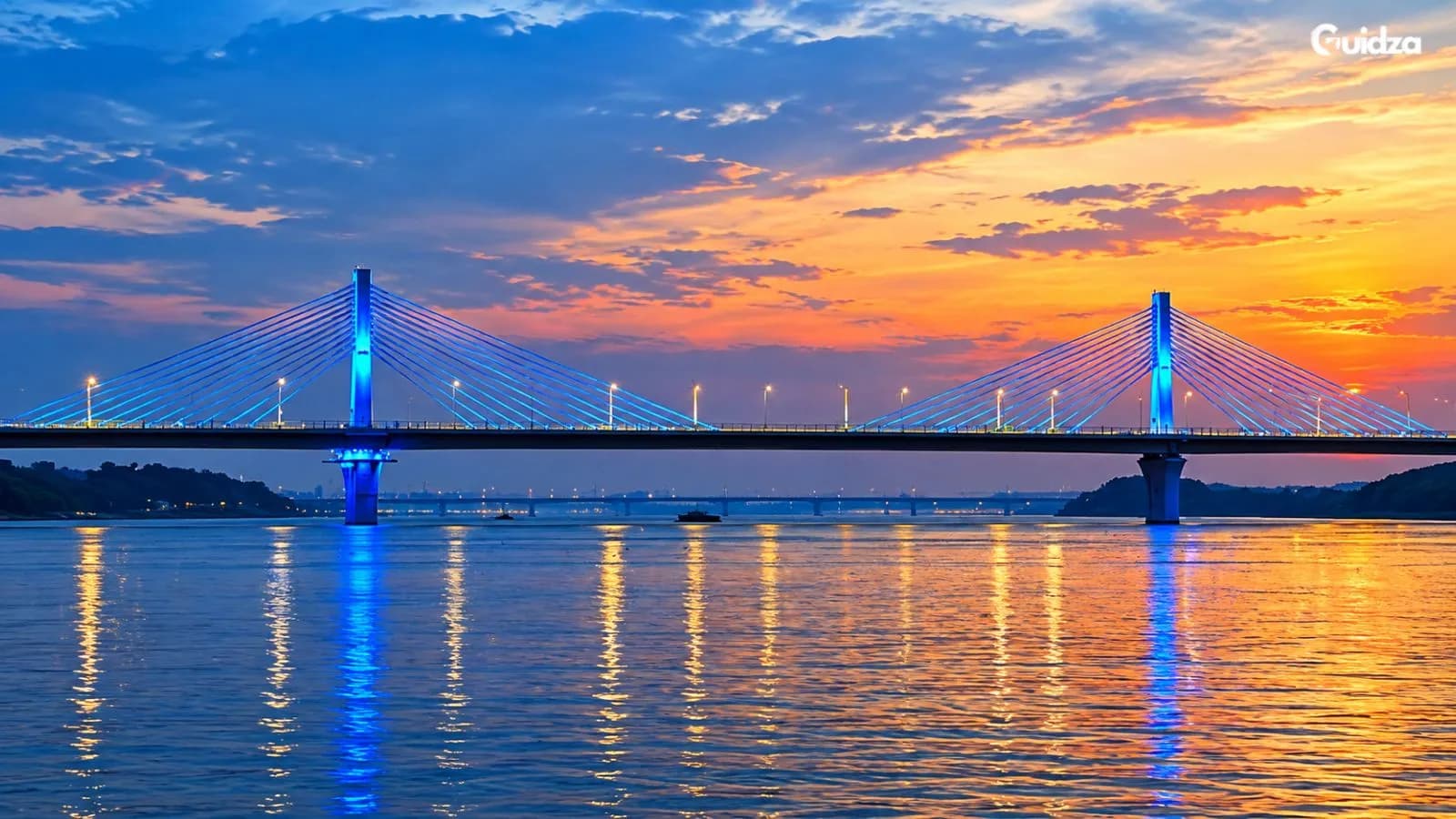
Most people pass through Guwahati on the way to somewhere else, whether that is Kaziranga, Shillong or the rest of Northeast India. That is a pity, because the city has enough to fill a couple of days on its own. It sits on the south bank of the Brahmaputra, with a major temple on one hill, a riverside island on the water and a food scene that is distinctly Assamese.
This Guwahati travel guide is written for first-time visitors. It covers what to see, how to organize your days, when to go, how to get around, what to eat and how to combine the city with a few nearby stops, without turning into a general guide to Assam.
Why Visit Guwahati?
- Culture: the city is a center of Assamese traditions, from temple rituals to music, dance and weaving.
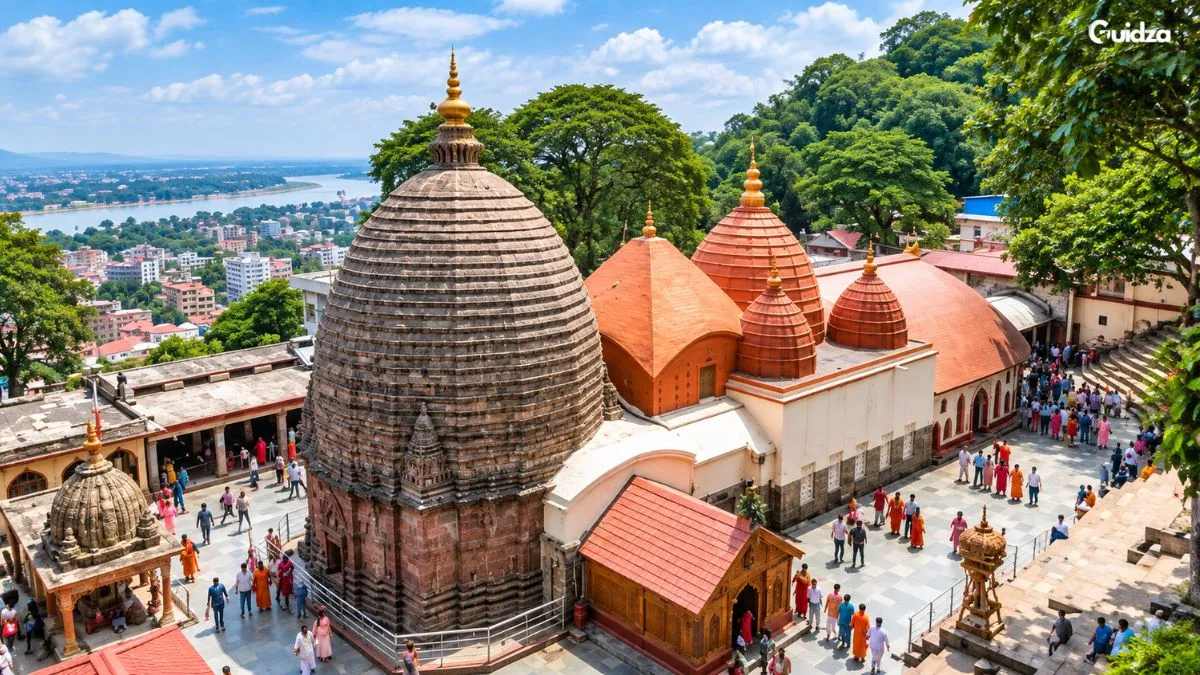
- Temples: Kamakhya is one of the most important Shakta pilgrimage sites in India, and several other temples are spread across the hills.
- The Brahmaputra: the river shapes the city, and sunset on the water is one of its best experiences.
- Food: Assamese cooking is lighter and more varied than many visitors expect, with distinctive fish, greens and sour flavors.
- Location: Guwahati is the main gateway to Northeast India, with good air and rail connections and easy road access to nearby states.
Guwahati Travel Guide: Planning the Basics
Most visitors do well with one to two days for the city itself. One day covers the headline sights if you start early. Two days lets you add museums, a cultural stop and a slower evening by the river. If you plan to add nearby places, build in extra days for the road.
Distances inside the city are short on the map but traffic can be heavy, especially at peak hours, so group sights by area rather than crossing town several times a day. We cover this in the sightseeing section below.
Best Places to Visit in Guwahati
These are the best places to visit in Guwahati for a first trip. Each is worth a stop for a different reason, and together they give a good sense of the city.
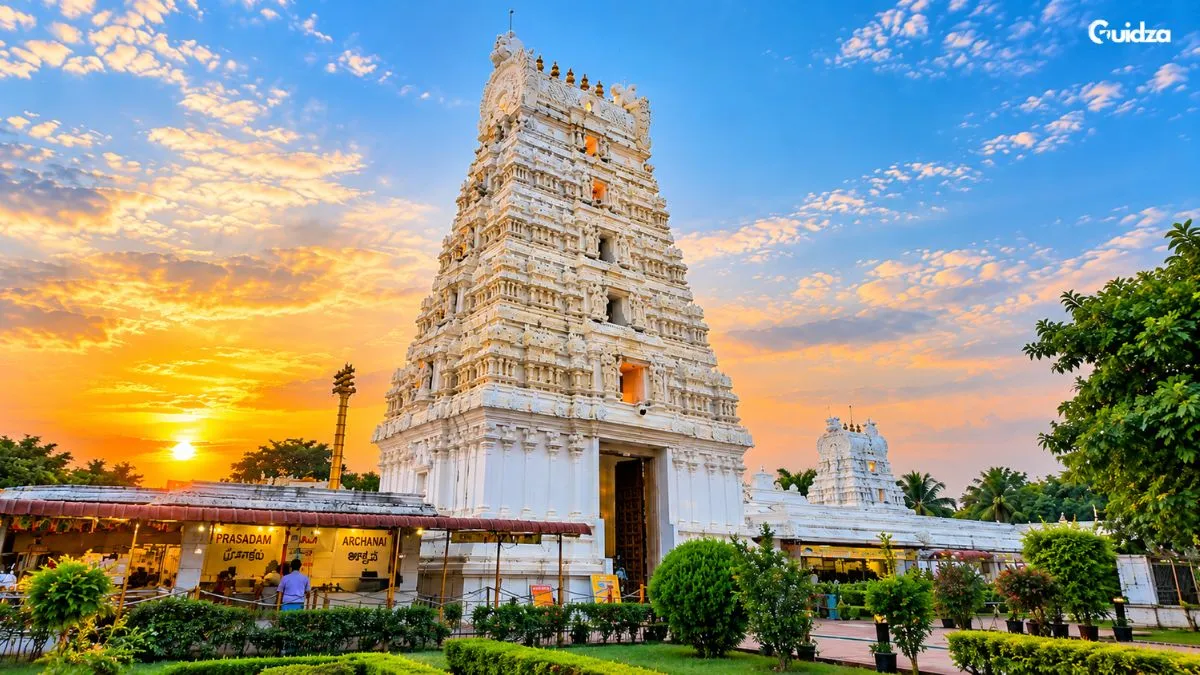
Kamakhya Temple
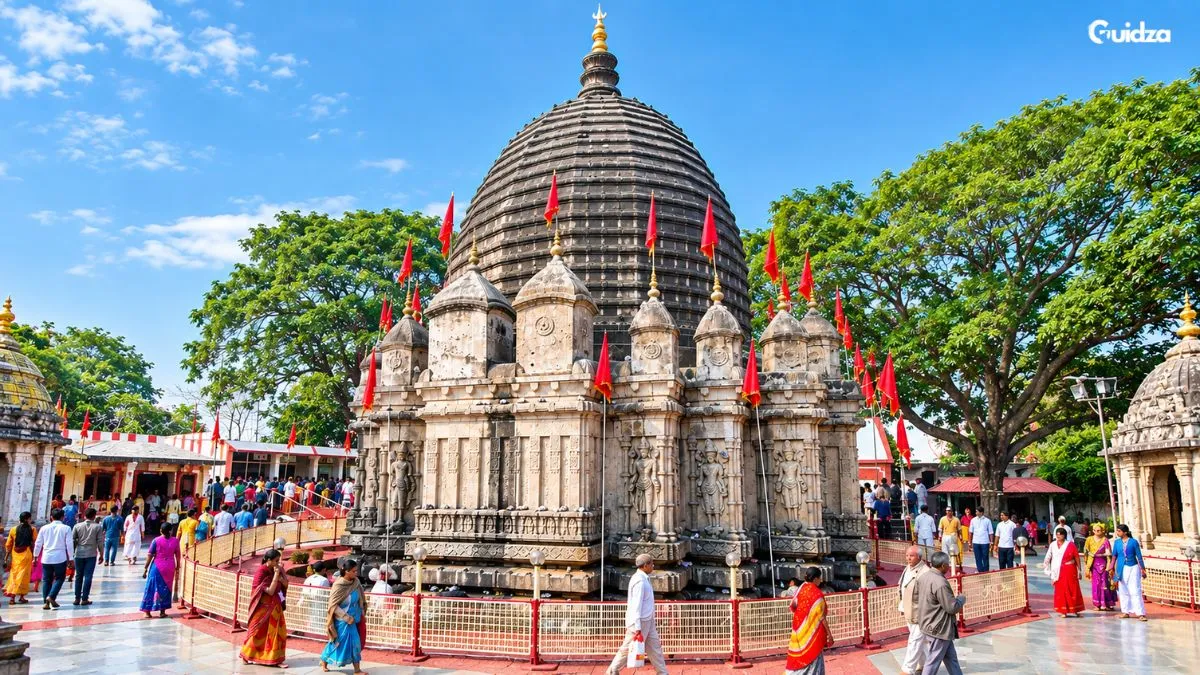
Perched on Nilachal Hill, Kamakhya is the city's most important temple and a major pilgrimage destination. It is as much about atmosphere as architecture: the beehive-shaped domes, the rituals, the offerings and the crowds. Go early to reduce waiting time, and expect queues on weekends and festival days. The temple is especially busy during the Ambubachi Mela in June, and access is restricted for part of that period, so check dates before planning around it.
Umananda Island

Umananda is a small island in the Brahmaputra, home to a Shiva temple, and reached by a short ferry ride from the city. It is a calm break from the traffic and a good way to experience the river up close. The island is also known for its wildlife, including golden langurs. Check ferry timings locally, as services depend on the day and water conditions.
Brahmaputra River Cruise
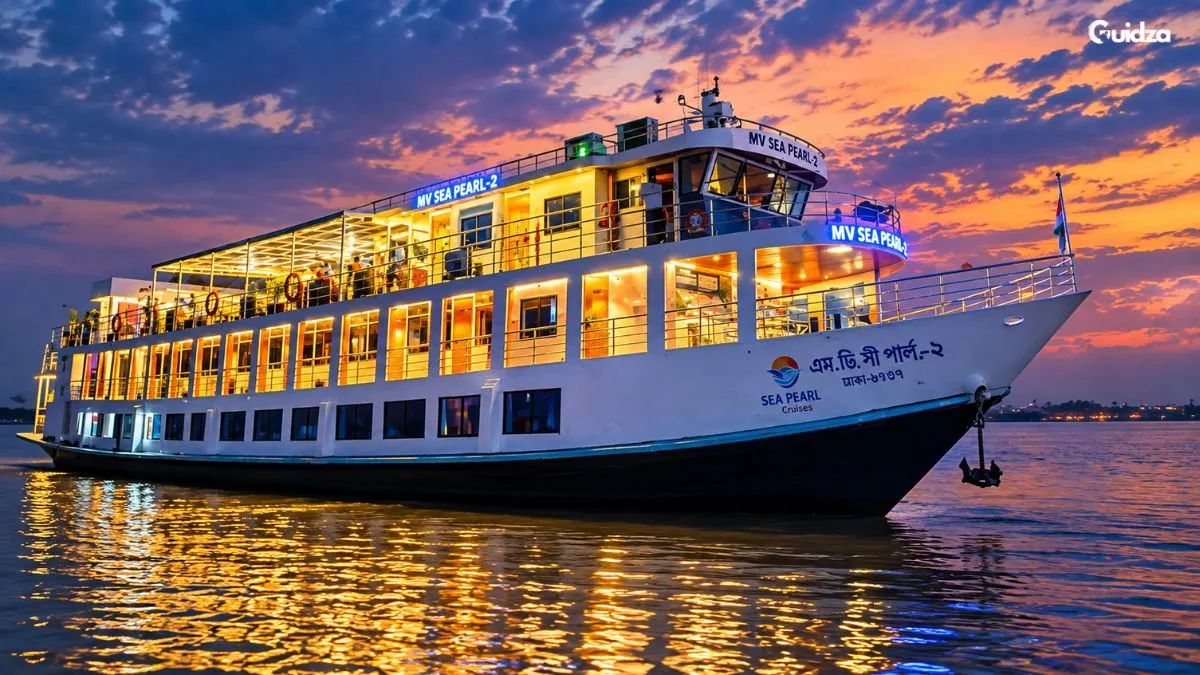
A Brahmaputra River cruise is one of the most relaxing things to do in the evening. Short sunset cruises operate from the city's riverfront, giving you views of the water, the islands and the bridges as the light fades. Schedules vary with season and water level, so confirm timings before you go.
Deepor Beel
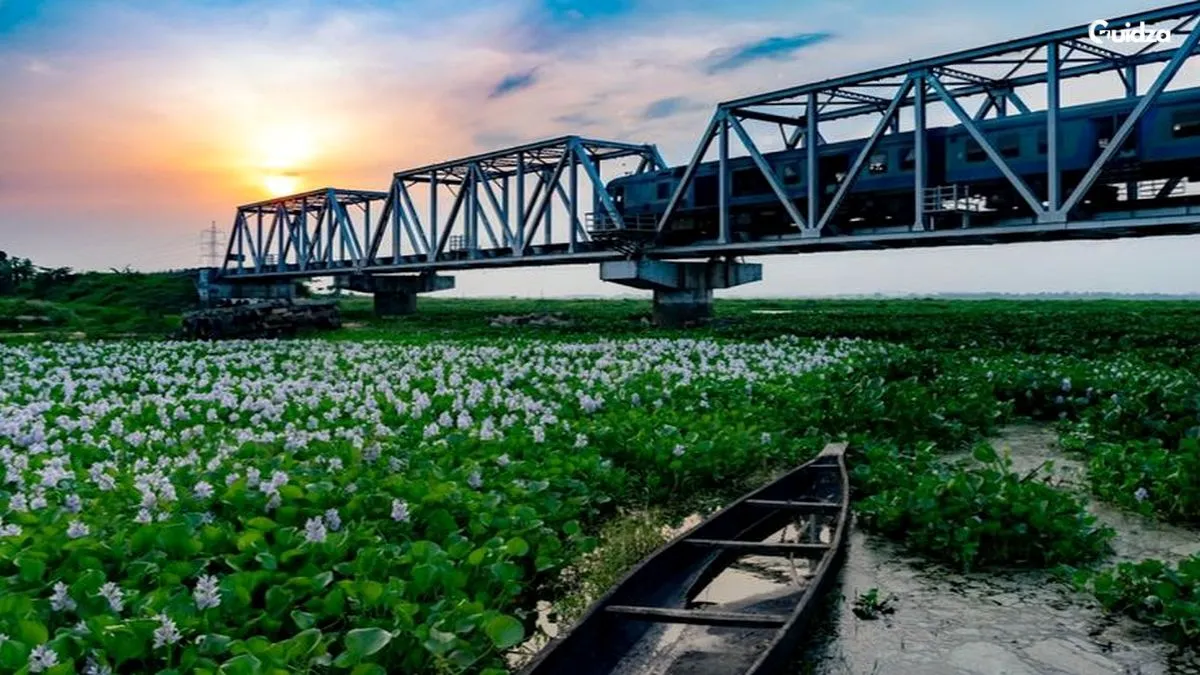
A large freshwater wetland on the western edge of the city, Deepor Beel is the main nature stop in Guwahati. It is known for birdwatching, and winter is the best season to see migratory birds. Go in the morning, and bring binoculars if you have them.
Assam State Museum
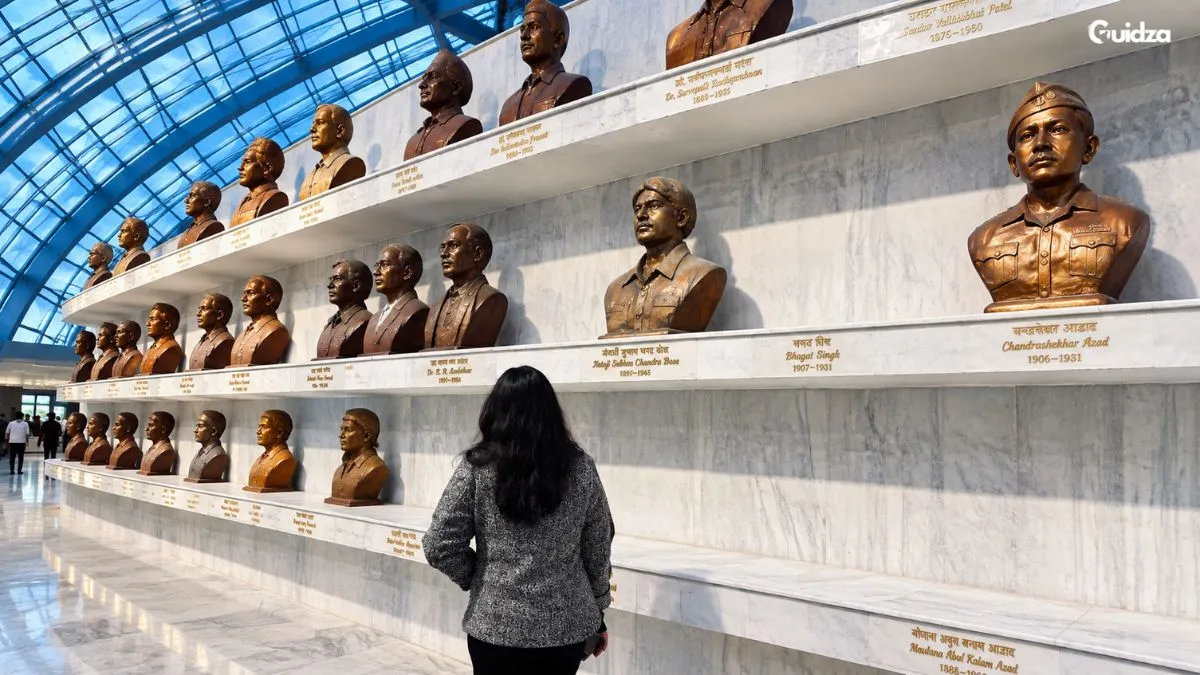
The museum offers a good introduction to the region's history, art and communities. It is a useful stop for first-time visitors who want context before they see temples and cultural sites. Check opening days and hours before you visit.
Assam State Zoo
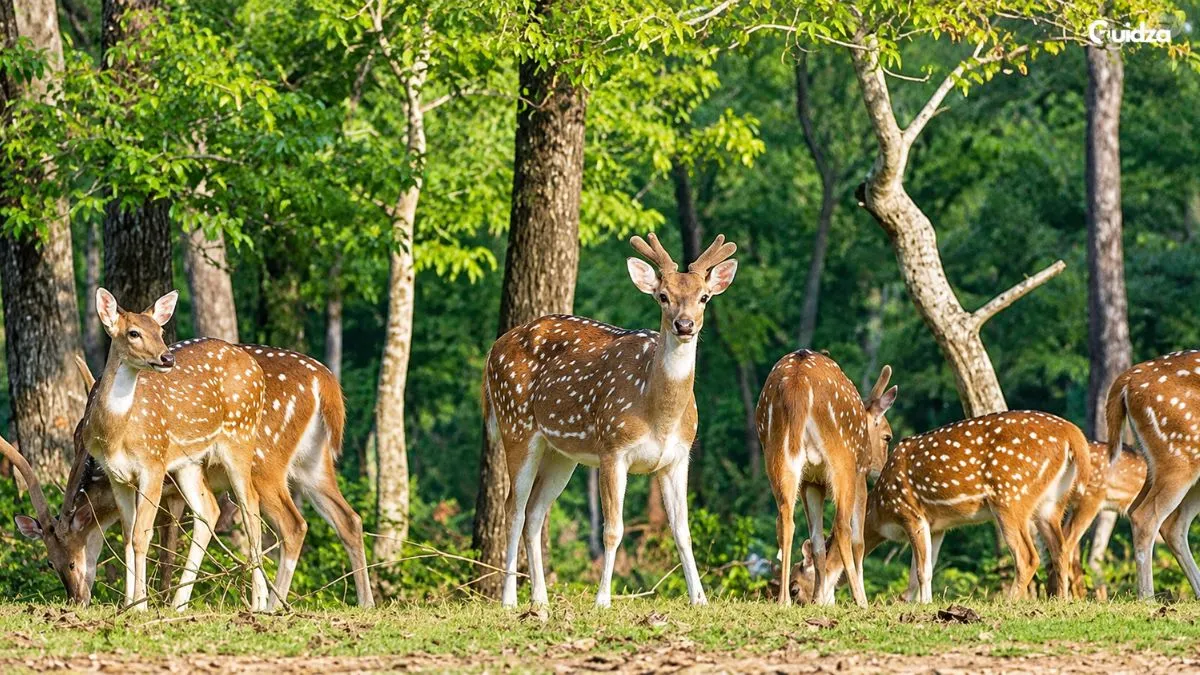
The Assam State Zoo, which also includes a botanical garden, is a relaxed outing, particularly for families. It also makes a green change from the city's busier areas. Allow a couple of hours and check opening times.
Navagraha Temple
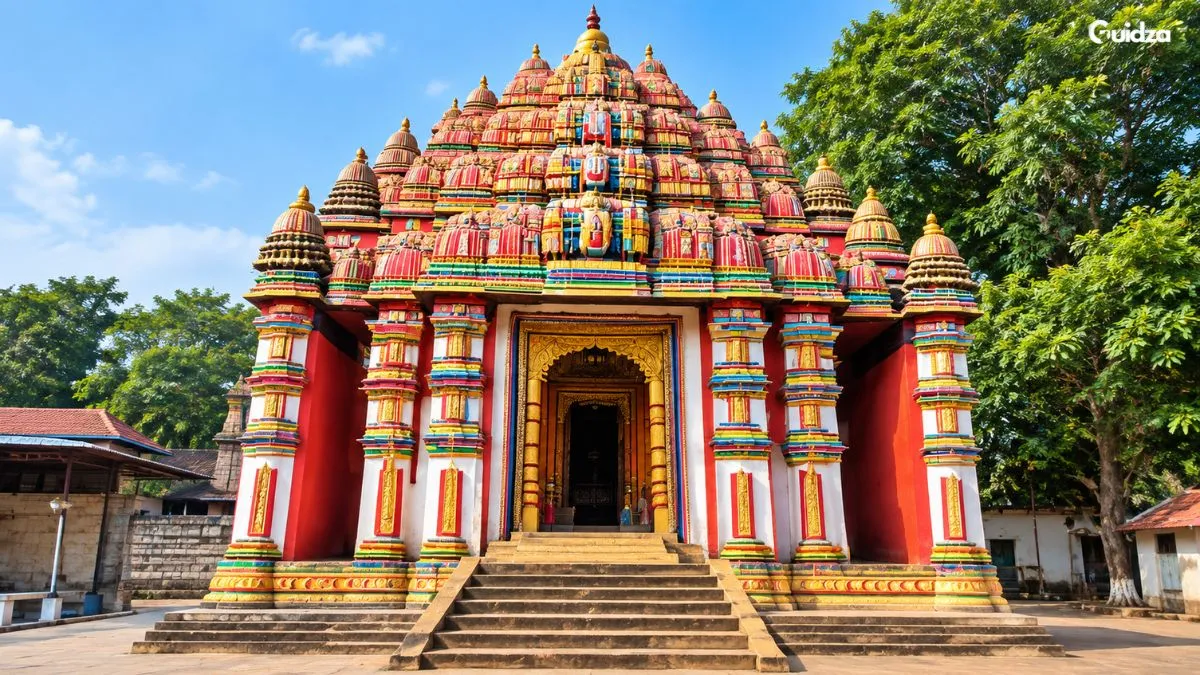
Located on Chitrachal Hill, the Navagraha Temple is dedicated to the nine celestial bodies in Hindu astrology. It is a quieter temple than Kamakhya, and its hillside setting adds to the visit. It pairs well with other temple stops in the same part of town.
Srimanta Sankardev Kalakshetra
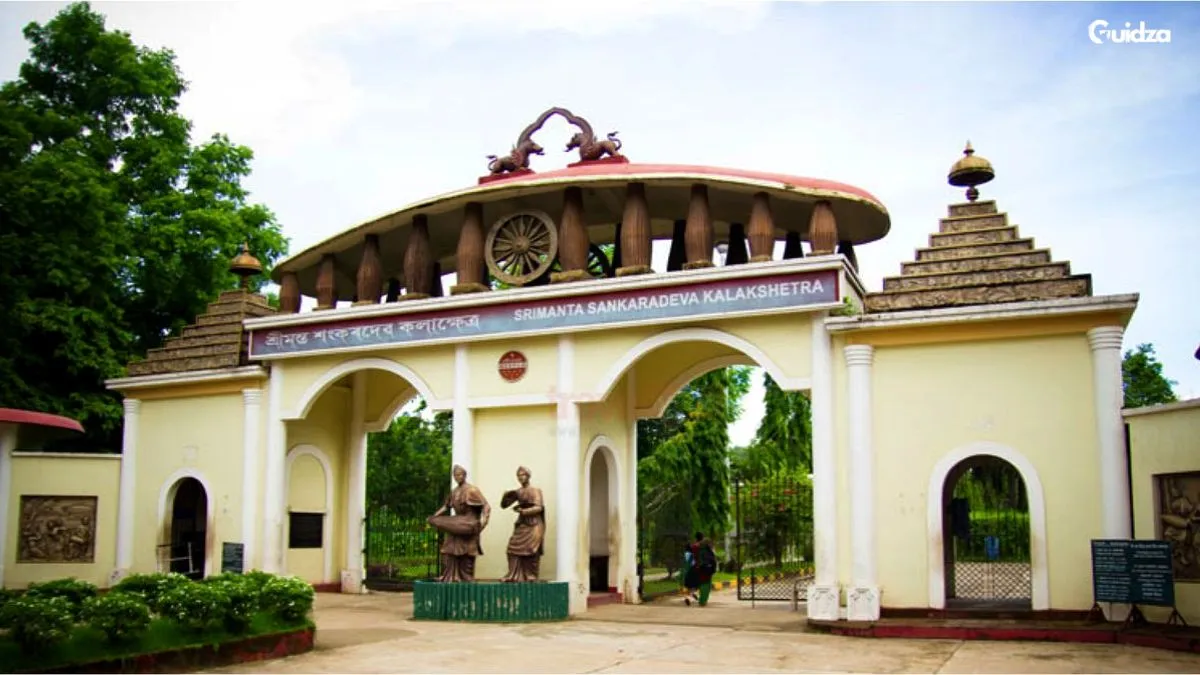
This cultural complex honors Srimanta Sankardev, the saint and scholar who shaped Assamese art and culture. It includes exhibits, performance spaces and gardens, and is a good place to learn about Assamese heritage, music and dance. Check for performances and events during your visit.
Top Things to Do in Guwahati
Beyond the major sights, these are the things to do in Guwahati that give the city its character.
- Visit a temple early in the morning, when the atmosphere is calmer.
- Take a river cruise at sunset.
- Walk through the local markets such as Fancy Bazar and Paltan Bazaar to see everyday city life. Fancy Bazar is a good place to look for Assam silk and the traditional gamosa.
- Try a traditional Assamese meal, ideally in a local restaurant.
- Visit the museum or Kalakshetra for a cultural perspective.
- Go birdwatching at Deepor Beel in winter.
- Spend an evening near the river or at a lakeside promenade, depending on the season.
Guwahati Sightseeing: How to Explore the City
Good Guwahati sightseeing is mostly about grouping. The city is spread across hills and riverfront, and traffic can eat your day if you zigzag.
- Temples and hills: Kamakhya and Navagraha are in different parts of town, so plan them with other nearby stops.
- Riverfront: Umananda and the river cruise fit naturally together, especially late in the afternoon.
- Culture and museums: the museum and Kalakshetra can be done on the same day, and are good options if it is raining.
- Nature: Deepor Beel and the zoo are best done on separate mornings, as both benefit from an early start.
If you have only a day, choose Kamakhya, the island and a sunset by the river. With two days, add the museum, Kalakshetra and one nature stop.
Guwahati Itinerary for First-Time Visitors
This simple Guwahati itinerary assumes two days and a moderate pace. Adjust the order if your hotel is far from a particular stop.
Day 1: Temples and the river
- Morning: Kamakhya Temple, early to beat the queues.
- Midday: Lunch and a rest.
- Afternoon: Navagraha Temple, or markets for shopping.
- Evening: Umananda Island and a sunset on the Brahmaputra, or a river cruise.
Day 2: Culture and nature
- Morning: Assam State Museum, then Srimanta Sankardev Kalakshetra.
- Midday: A relaxed Assamese lunch.
- Afternoon: Assam State Zoo, or Deepor Beel if you are visiting in winter.
- Evening: Dinner at a local restaurant and a slow walk or market stop.
With only one day, take the first morning and evening from Day 1 and add one stop from Day 2.
Combining Guwahati with nearby places
If you have more time, a few places are easy to add without turning the trip into a big Assam tour.
- Sualkuchi: a silk-weaving village a short drive from the city, good for a half day.
- Pobitora Wildlife Sanctuary: known for one-horned rhinoceroses, and a reasonable half-day or day trip.
- Shillong: in neighboring Meghalaya, usually a few hours by road each way, so best with an overnight.
- Kaziranga: further away and better handled as a separate trip, with at least one night.
Best Time to Visit Guwahati
The best time to visit Guwahati is generally from October to April. The weather is cooler and drier, which makes temple visits and sightseeing more comfortable. November to February is especially pleasant and is the best time for birdwatching at Deepor Beel.
Summers, from about March to May, can be hot and humid. The monsoon, roughly June to September, brings heavy rain, which can disrupt river activities and outdoor plans, and the Brahmaputra runs high. June also brings the Ambubachi Mela, which draws large crowds to Kamakhya. Weather varies from year to year, so check current conditions before you travel.
How to Reach Guwahati
- By air: Lokpriya Gopinath Bordoloi International Airport serves the city, with flights from major Indian cities. It is roughly 20 to 25 kilometers from the center.
- By train: Guwahati and Kamakhya are the main railway stations, with connections from across India. Many long-distance trains run here.
- By road: Guwahati is connected to Shillong, Siliguri and other Northeast cities by bus and shared taxi. Road conditions and travel times vary.
- Within the city: app-based cabs, autos, taxis and city buses are common, and some ferries cross the river. Agree on fares before you set off if the vehicle is not metered.
What to Eat: Guwahati Food You Should Try
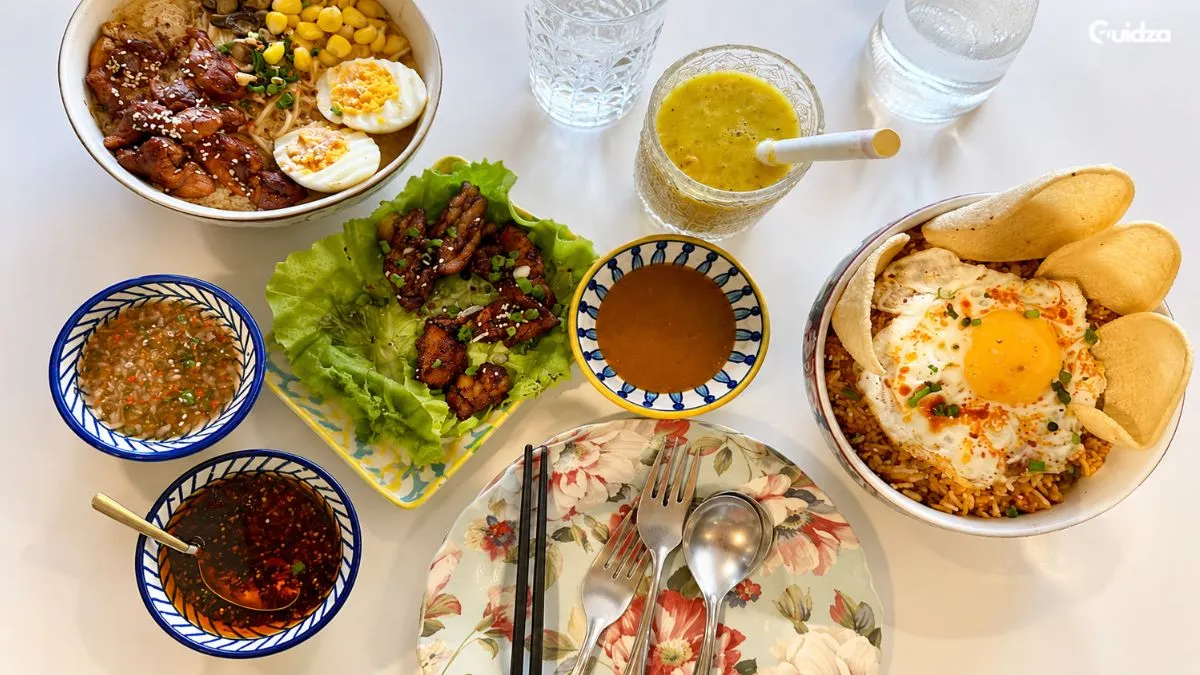
Guwahati food is a big reason to slow down. Assamese cooking uses mustard oil, fresh greens and fish, and is typically less spicy than many other Indian cuisines.
- Assamese thali: a good introduction to the cuisine, with several dishes served together.
- Masor tenga: a light, sour fish curry, often made with tomato or lemon.
- Khar: a traditional dish made with an alkaline preparation, often served at the start of a meal.
- Duck and pork dishes: popular local specialties, often cooked with local spices and greens.
- Pitika: mashed vegetables or fish with mustard oil and herbs.
- Pitha and laru: traditional rice-based snacks and sweets, especially around Bihu.
- Assam tea: worth trying fresh, with or without milk.
Look for local restaurants that serve a full Assamese meal, and ask what is in season. Vegetarian travelers will find options, but it is worth asking how dishes are prepared.
Guwahati Travel Tips
- Dress for temples: cover shoulders and knees, and be ready to remove shoes. Carry a light scarf if needed.
- Go early: temples and outdoor sights are more comfortable in the morning.
- Travel light at temples: rules on bags and items can change, so carry only what you need.
- Mind the traffic: allow extra time on busy roads, especially around peak hours.
- Clothing and weather: pack light cotton for most of the year, and warmer layers for winter evenings. Bring an umbrella or raincoat in the monsoon.
- Budget: costs vary by season and style of travel. Local transport, markets and local restaurants tend to be good value.
- Keep cash on hand for small shops, ferries and local transport.
- Check opening days and timings for museums and attractions before you set out.
Overall, Guwahati tourism is easy to organize on your own, but guided tours can help if you want context at the temples or a smoother river or day-trip experience.
Where to Stay in Guwahati
- Paltan Bazaar and Pan Bazaar: central, close to the railway station and good transport links. Practical for short stays and for budget-conscious travelers.
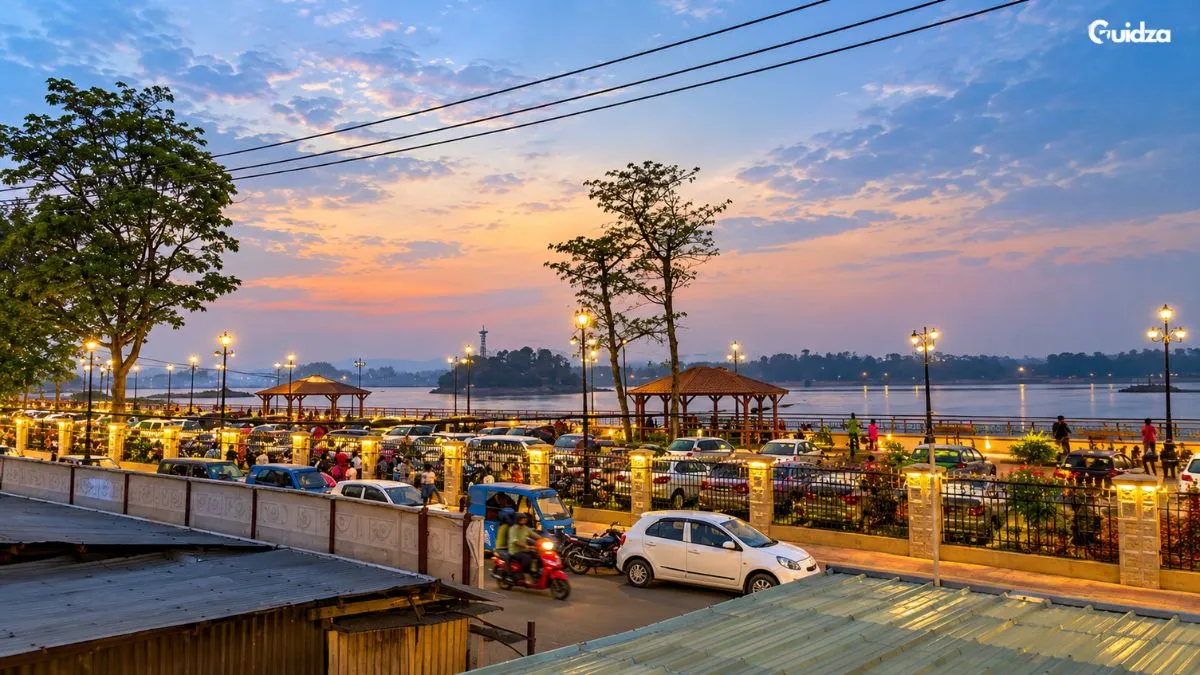
- Uzanbazar and the riverfront: closer to the Brahmaputra and the older parts of the city. Good for sunsets and walking.
- GS Road and Ganeshguri: modern, with restaurants, shops and a wide range of hotels. Convenient for business and for first-timers who want choice.
- Near the airport: useful for early or late flights, but further from the main sights.
For a first Guwahati trip, a central location saves the most time, even if rooms are simpler.
Plan Your Guwahati Experience with Guidza
A few days in Guwahati are easy to enjoy once you have a rough plan: temples early in the day, the river in the evening, museums when the weather turns and a good meal in between. If you would like help turning that into bookings, you can explore tours, activities and travel experiences for your trip on Guidza.
Frequently Asked Questions
What is Guwahati famous for?
Guwahati is known for Kamakhya Temple, the Brahmaputra River, Assamese food, silk and its role as the gateway to Northeast India.
How many days are enough for Guwahati?
One to two days is enough for the main sights. Add extra days if you want to include nearby places such as Sualkuchi, Pobitora or Shillong.
What are the best places to visit in Guwahati?
Kamakhya Temple, Umananda Island, a Brahmaputra river cruise, Deepor Beel, the Assam State Museum and Srimanta Sankardev Kalakshetra are good starting points.
What is the best time to visit Guwahati?
October to April is generally the best time, with cooler, drier weather. Winter is especially good for birdwatching at Deepor Beel.
Is Guwahati worth visiting for first-time travelers?
Yes. It offers temples, river experiences, museums, nature and local food within a compact area, and it is easy to reach and navigate.
What are the best things to do in Guwahati?
Visit Kamakhya Temple, take a sunset river cruise, explore local markets, try Assamese food and see the museum or Kalakshetra.