
First Time in Thailand? Explore These Must-Visit Places

Anika Rai
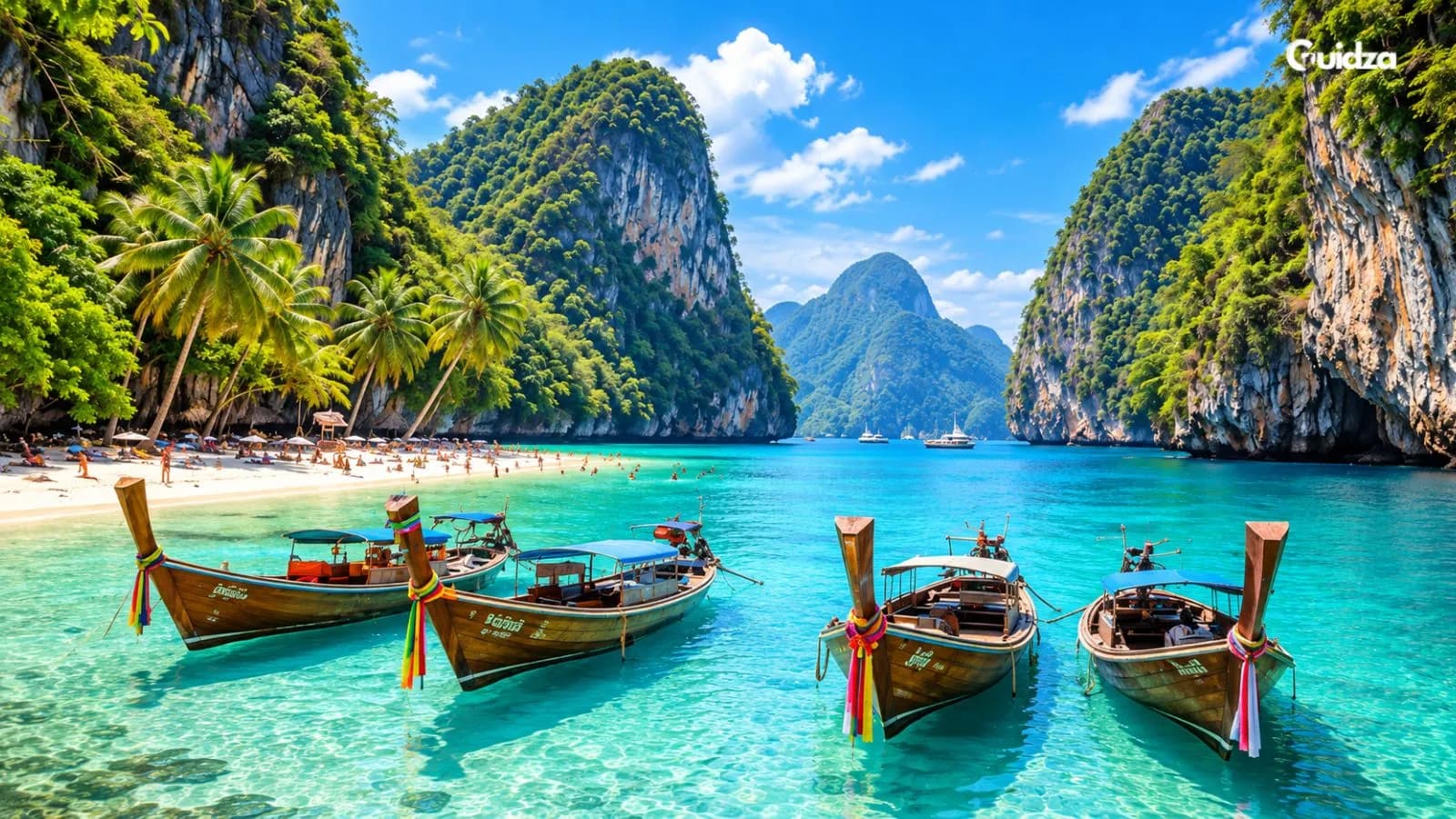
Thailand is one of the most popular first international trips for Indian travelers, and it's easy to see why. Within one country, you get buzzing cities, calm temples, island beaches, mountain towns, and food that's genuinely worth planning a trip around. This kind of variety is exactly what makes Thailand travel appealing for a first-timer — you're not limited to one type of holiday.
The challenge is usually not whether to visit, but where to go and how to combine destinations without overpacking your schedule. This guide walks through the major Thailand destinations worth knowing about, what each one is known for, and how they fit together depending on how many days you have. By the end, you should have a much clearer sense of which places to visit in Thailand make sense for your own trip.
1. Bangkok – The Best Starting Point for First-Time Visitors
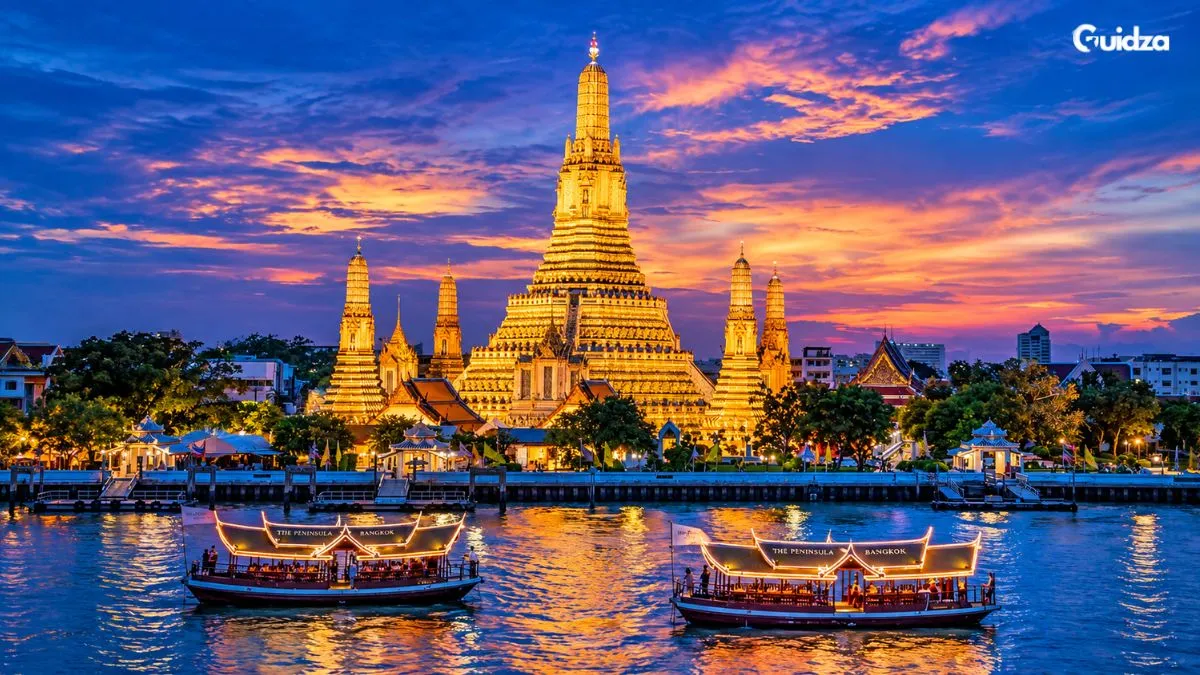
For most first-time visitors, Bangkok is the natural starting point. It's Thailand's capital, its main international gateway, and a good introduction to the mix of old and new that defines the country. If you're looking for places to visit in Bangkok, a few sites come up again and again for good reason.
- Grand Palace – the former royal residence and one of Bangkok's most recognisable landmarks
- Wat Pho – home to the large Reclining Buddha statue, right next to the Grand Palace complex
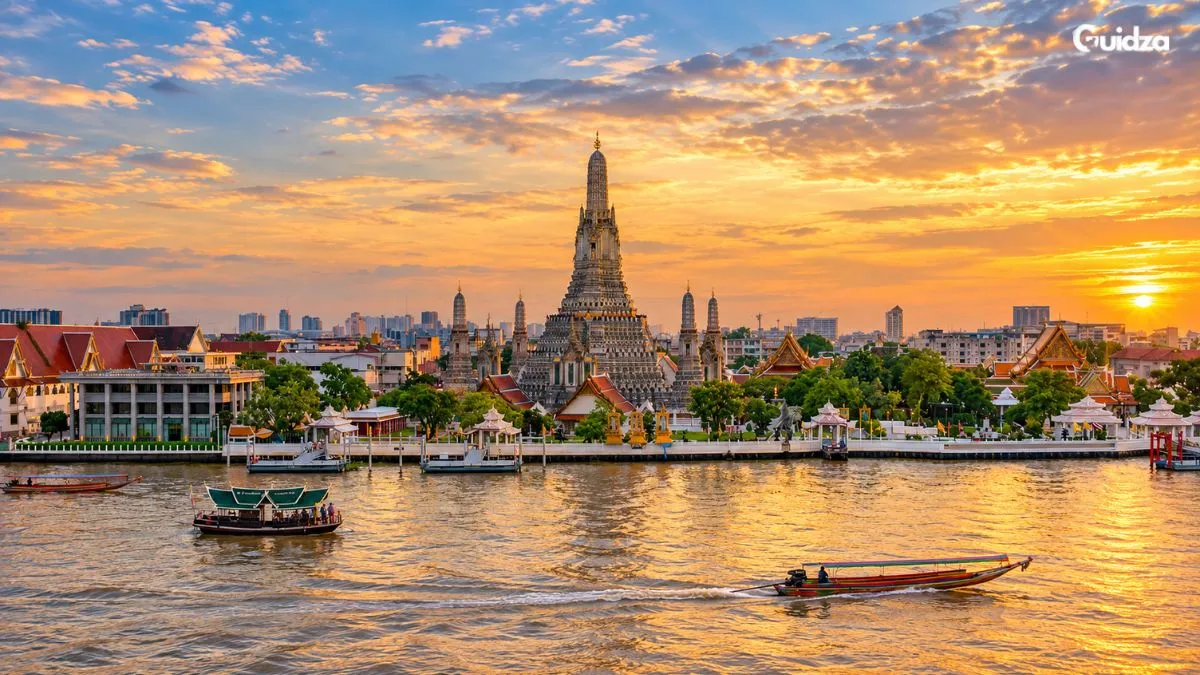
- Wat Arun – the Temple of Dawn, striking especially when viewed from across the river
- Chatuchak Weekend Market – one of the largest markets in the world, worth a few hours if you enjoy browsing
- Chinatown (Yaowarat) – busy streets known for street food stalls and neon signage after dark
- Bangkok riverside – the Chao Phraya River area, with boat rides and riverside dining options
- Floating markets – such as Damnoen Saduak or Amphawa, usually visited as a half-day trip from the city
- Modern shopping areas – malls like Siam Paragon and MBK Center for a contrast to the older parts of the city
Beyond sightseeing, Bangkok is also where most travelers get their first real taste of Thai food — from street-side pad thai to more elaborate restaurant meals. Evenings bring a mix of night markets, rooftop bars, and areas known for Bangkok nightlife, so there's something for both quieter and livelier travel styles.
Two to three days is usually enough to cover the main Bangkok attractions without rushing, though the city rewards a slower pace if you have extra time.
2. Phuket – Beaches, Islands & Entertainment
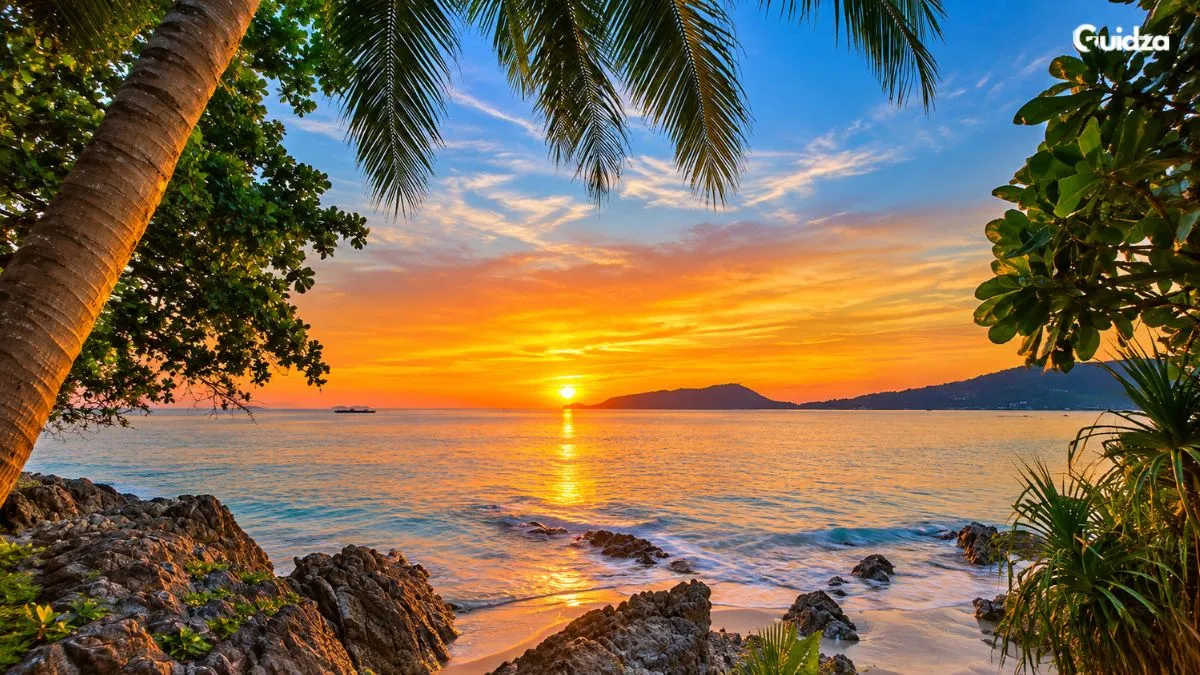
Phuket is Thailand's largest island and one of its most established beach destinations, which makes it a common second stop after Bangkok. It works well for travelers who want beach time along with easy access to day trips and nightlife.
- Patong Beach – the liveliest beach area, known for nightlife, restaurants, and water sports
- Kata Beach – quieter and more family-friendly than Patong
- Karon Beach – a long stretch of sand with a more relaxed pace
- Old Phuket Town – Sino-Portuguese architecture, cafés, and street art worth a half-day walk
- Big Buddha – a large hilltop statue with panoramic island views
- Viewpoints – several spots around the island offer good sunset views over the Andaman Sea
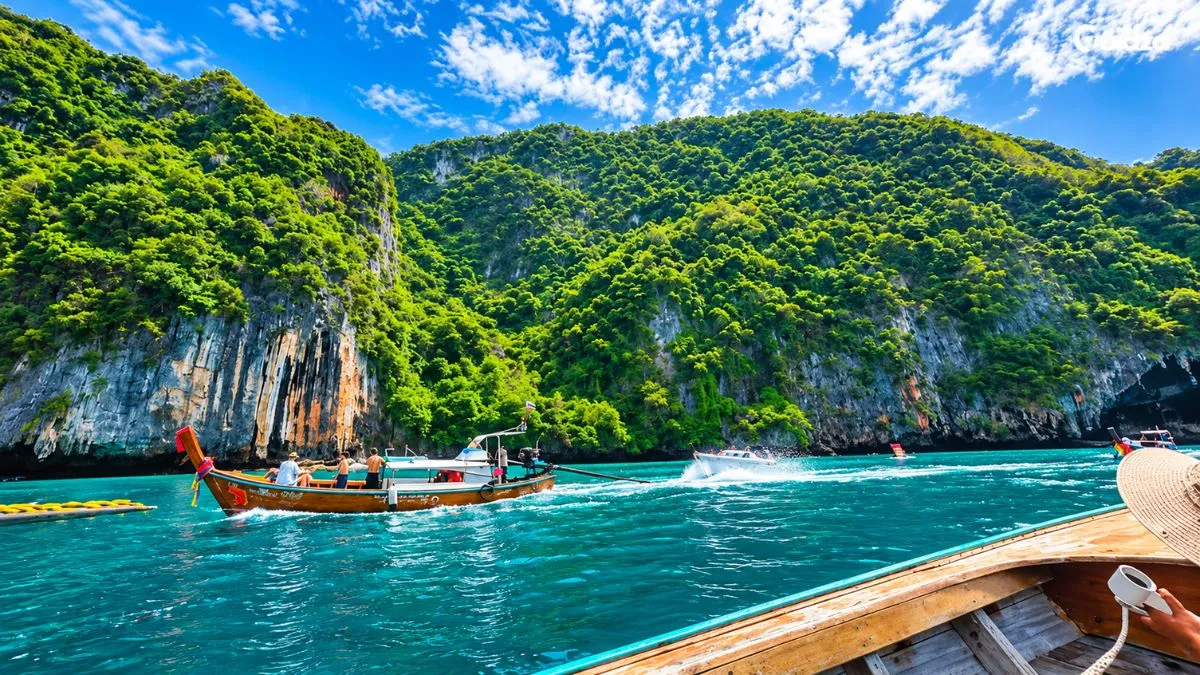
Phuket is also the main jumping-off point for some of Thailand's best-known island trips. The Phi Phi Islands are a common day-trip destination, along with Phang Nga Bay and James Bond Island, named for its appearance in a Bond film and known for its distinctive limestone formations.
For Phuket sightseeing beyond the beaches, island hopping is the main draw — think snorkeling, boat trips between islands, and the kind of scenery that's hard to capture properly in photos. If you're wondering about things to do in Phuket in the evenings, night markets and beachfront dining are the usual options outside of Patong's nightlife strip.
Three to four days generally gives enough time for beach relaxation plus one or two island-hopping trips.
3. Krabi – Beaches, Cliffs & Island Adventures
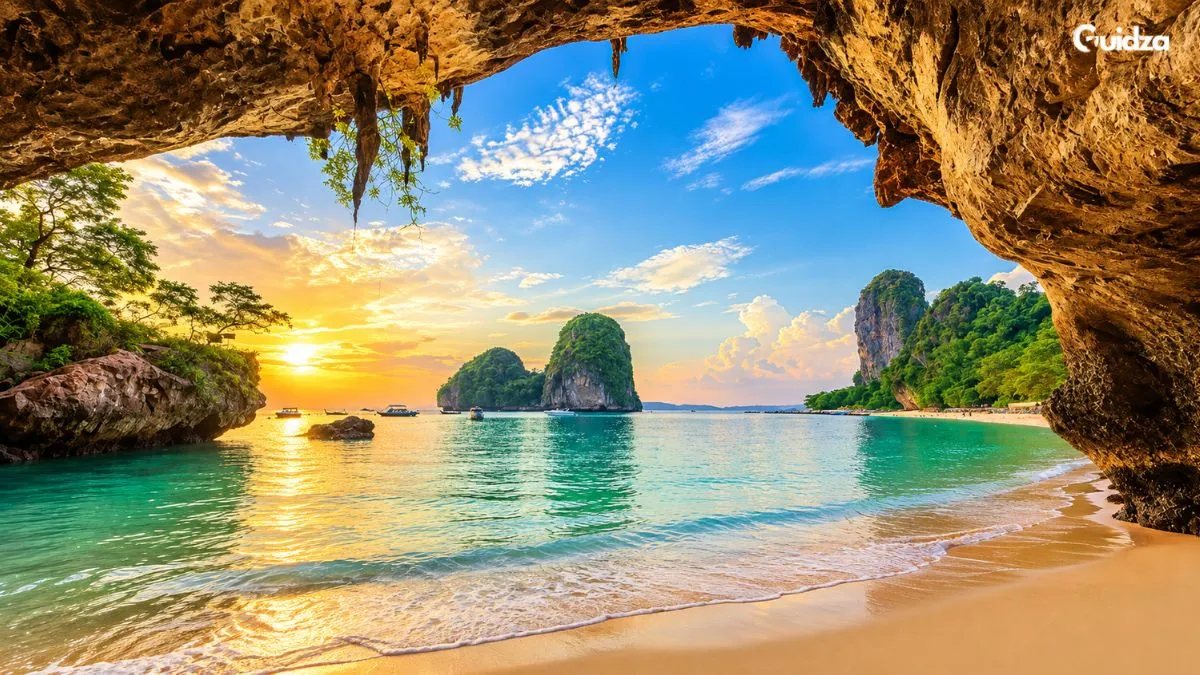
Krabi sits on the mainland across the bay from Phuket and offers a different kind of coastal scenery — dramatic limestone cliffs, quieter beaches, and a generally more laid-back feel.
- Ao Nang – the main tourist hub, with easy access to boat trips and a good range of accommodation
- Railay Beach – accessible only by boat, known for its cliffs and popular with rock climbers
- Phra Nang Beach – considered one of the more scenic beaches in the area, close to Railay
- Four Islands tour – a popular day trip combining several nearby islands and snorkeling stops
- Hong Islands – known for calm lagoons and clear water
- Tiger Cave Temple – a hilltop temple with a steep climb and views over the surrounding landscape
Railay Beach in particular deserves a mention on its own, since it's one of the more distinctive spots in the region — cut off from road access by cliffs on all sides, so boats are the only way in or out. If you're looking for things to do in Krabi, island hopping, kayaking through mangroves, snorkeling, and rock climbing around Railay's limestone walls are the main draws.
Krabi pairs naturally with Phuket for travelers who want both a beach base and a quieter, more nature-focused stop, though it also works well as a standalone beach destination.
4. Chiang Mai – Temples, Culture & Nature
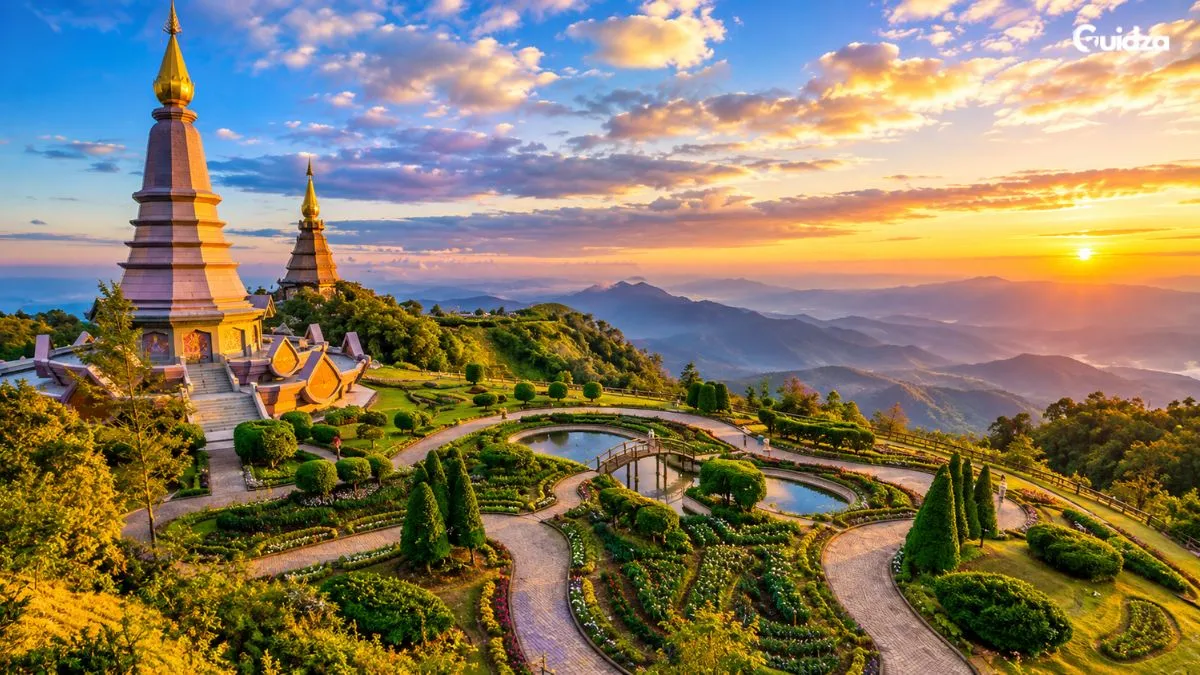
Chiang Mai, in Thailand's north, offers a noticeably different experience from the southern beach destinations. It's known for its old city, mountain scenery, and a slower, more culture-focused pace.
- Old City – a walkable, moated area packed with temples, cafés, and guesthouses
- Wat Phra Singh – one of Chiang Mai's most important and photographed temples
- Wat Chedi Luang – a partially ruined temple structure with a distinct historical feel
- Doi Suthep – a mountaintop temple with sweeping views over the city, usually visited as a half-day trip
- Night Bazaar – a large evening market good for local crafts and street food
- Local markets – smaller morning and weekend markets scattered around the city
Chiang Mai is also a good base for experiencing Thai culture beyond temples — cooking classes, local markets, and nearby hill communities are common additions to a visit. For travelers interested in elephants, this is generally considered the better region to look into ethical elephant sanctuaries that focus on observation rather than riding, though it's worth researching individual operators before booking.
For things to do in Chiang Mai, most visitors split their time between the Old City's temples, a day trip to Doi Suthep, and at least one experience in the surrounding countryside or mountains.
5. Pattaya – Beaches, Islands & Entertainment
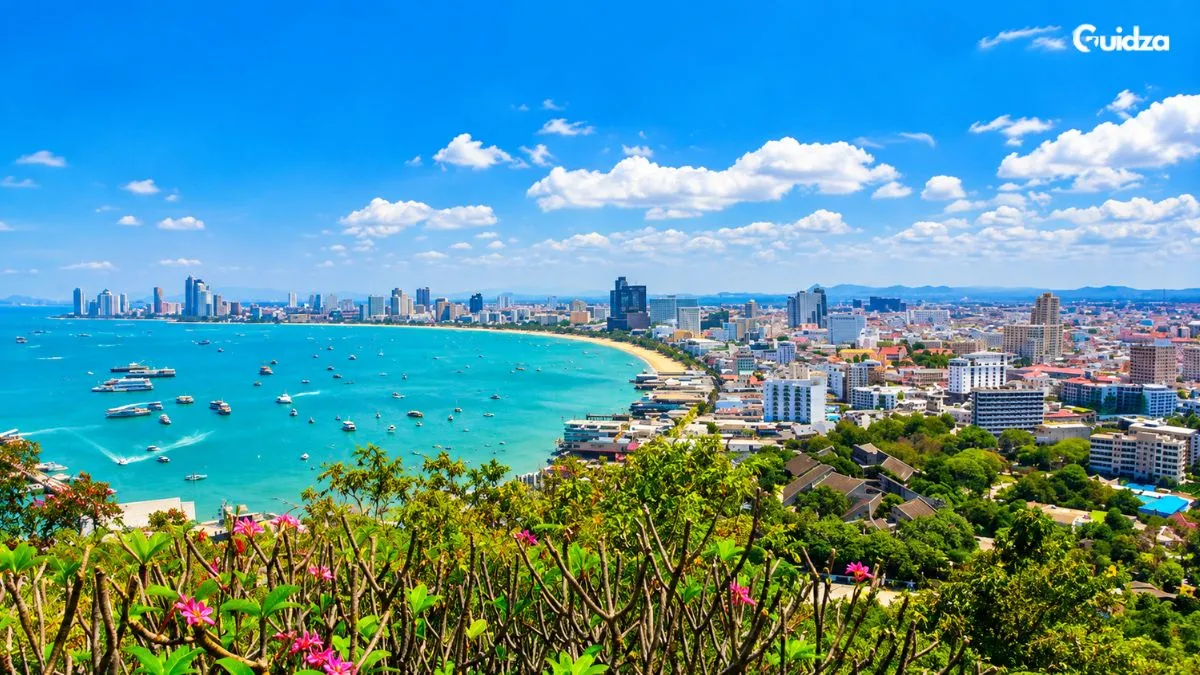
Pattaya is one of the most accessible beach destinations from Bangkok, roughly a two-hour drive away, which makes it a popular choice for travelers who want beach time without a flight.
- Pattaya Beach – the main city beach, convenient but not the most scenic in Thailand
- Walking Street – Pattaya's well-known nightlife strip
- Sanctuary of Truth – a large wooden temple-like structure built entirely without metal nails
- Nong Nooch Tropical Garden – landscaped gardens with cultural shows
- Coral Island (Koh Larn) – a short boat ride away, with clearer water than Pattaya's own beaches
- Viewpoints – a few hillside spots around the city offer coastal views
Pattaya suits travelers who want a convenient, easy-to-reach beach stop combined with a livelier atmosphere, rather than those specifically chasing Thailand's best beaches — for that, Phuket, Krabi, or the southern islands are generally a better fit.
6. Koh Samui – Tropical Island Escape
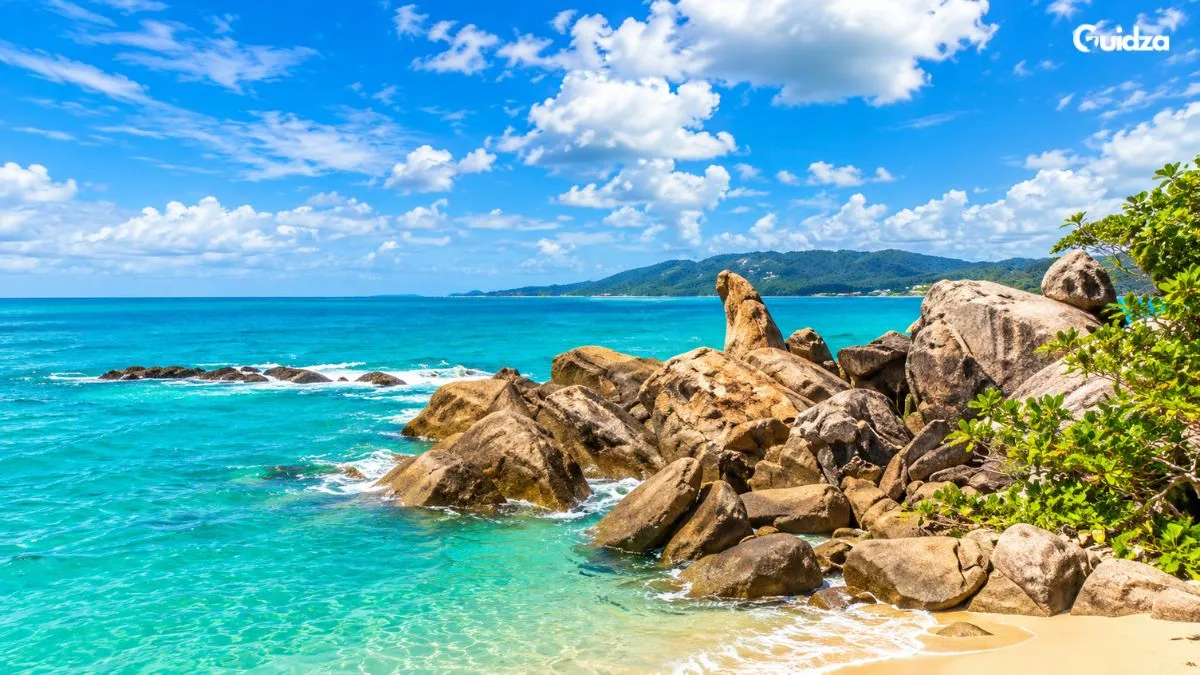
Koh Samui is one of Thailand's larger islands and tends to attract travelers looking for a more relaxed, resort-style island stay rather than a packed sightseeing schedule.
- Chaweng Beach – the island's main beach area, with a good range of restaurants and nightlife
- Lamai Beach – quieter than Chaweng, with a more laid-back feel
- Big Buddha – a large golden Buddha statue, one of the island's most visited landmarks
- Ang Thong National Marine Park – a cluster of islands usually visited on a day-trip boat tour
- Fisherman's Village – a walkable area with cafés, boutique shops, and a weekly night market
Most visitors to Koh Samui spend their days between beach relaxation, occasional boat tours, and snorkeling, with Ang Thong National Marine Park being the standout day trip if you want more than beach time.
7. Koh Phangan – Beaches & Island Experiences
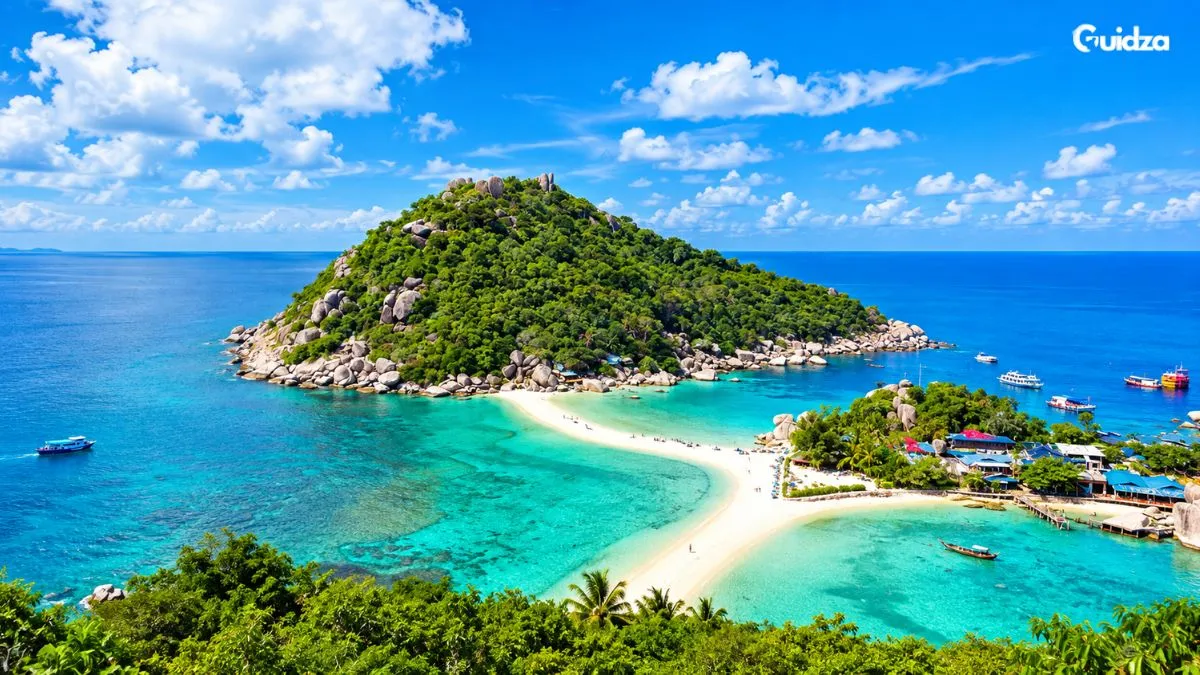
Koh Phangan is best known internationally for its Full Moon Party, but the island has considerably more to it than that single event.
- Haad Rin – home to the Full Moon Party beach, lively even outside party dates
- Thong Nai Pan – a quieter bay on the island's northeast side, popular with travelers wanting to avoid the crowds
- Bottle Beach – accessible mainly by boat or a longer trek, known for being relatively undeveloped
- Viewpoints – several spots across the island offer good sunset and coastal views
Outside of party nights, Koh Phangan has a reasonably chilled-out side, with yoga retreats, quieter beaches, and a slower pace in areas away from Haad Rin — worth knowing if the party reputation isn't what you're looking for.
8. Ayutthaya – Thailand's Historic Side
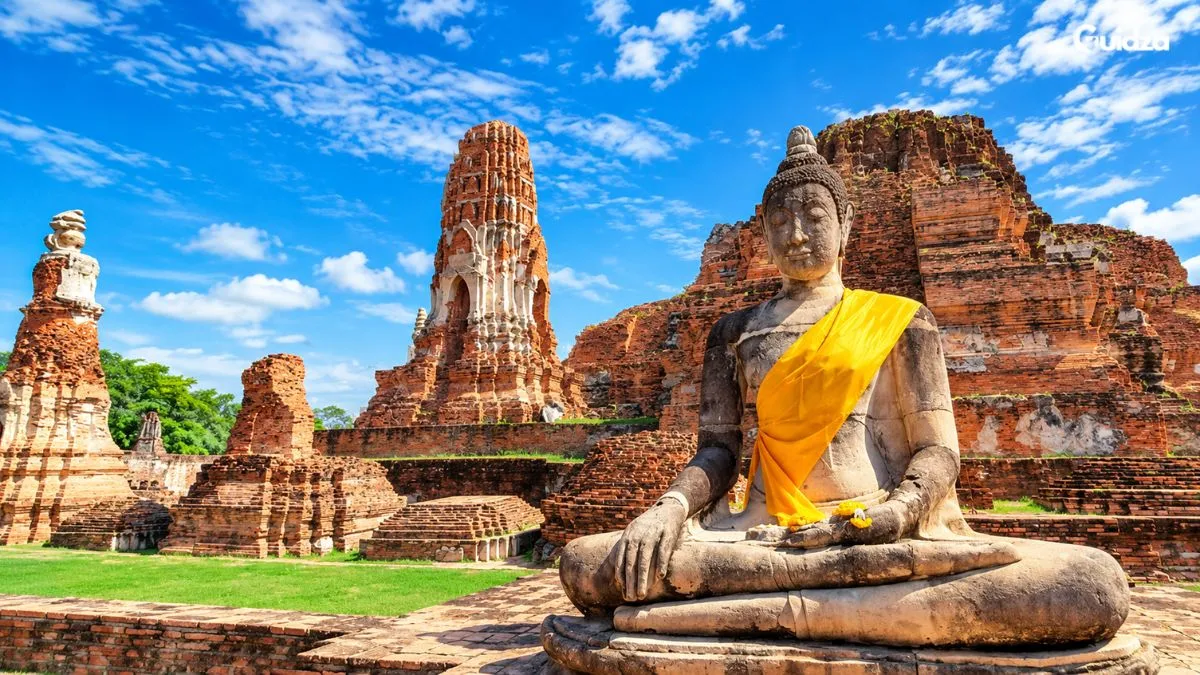
For travelers interested in history, Ayutthaya offers a different kind of experience from the beach and city stops. It was once the capital of the Siamese kingdom, and its ruins are now a UNESCO World Heritage Site.
- Ayutthaya Historical Park – the main cluster of temple ruins and ancient structures
- Ancient temples – including Wat Mahathat, known for a Buddha head famously entwined in tree roots
- Ruins – scattered across the old city, many accessible by bicycle or tuk-tuk
Ayutthaya is commonly visited as a day trip from Bangkok, roughly 80 kilometers north of the city, making it easy to add on without needing a separate overnight stay.
9. Kanchanaburi – History & Nature
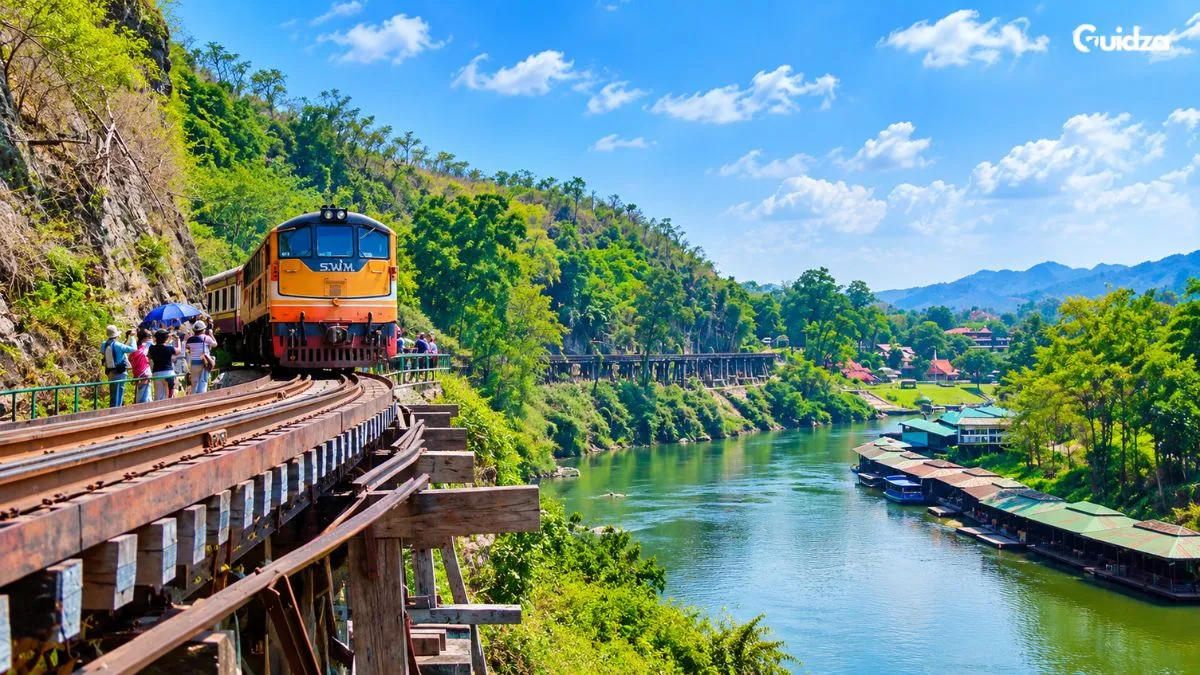
Kanchanaburi is a quieter province west of Bangkok, known for a mix of World War II history and natural scenery.
- River Kwai – site of the historic bridge made famous by wartime history and the film based on it
- Erawan Falls – a multi-tiered waterfall popular for swimming in its natural pools
- Historical sites – including war cemeteries and museums related to the Death Railway
Like Ayutthaya, Kanchanaburi works well as a day trip from Bangkok, though travelers with more time sometimes opt for an overnight stay to explore the waterfalls and nature at a slower pace.
How Many Days Do You Need in Thailand?
How much of Thailand you can realistically see depends heavily on how many days you have. Here's a rough sense of what's workable at different trip lengths.
4–5 Days
With this little time, it's better to focus on one destination rather than trying to combine multiple regions. Bangkok alone, or a beach-only trip to Phuket or Krabi, works better than splitting a short trip across several places.
7 Days
A week is enough to combine two destinations without feeling rushed. Common combinations include Bangkok plus Phuket, or Bangkok plus Krabi — typically three to four days in the city and the remainder on the coast.
10–14 Days
With ten days or more, you can reasonably combine Bangkok with more than one additional destination — for example, Bangkok, Chiang Mai, and a beach stop, or Bangkok paired with both Phuket and Krabi. It's still worth resisting the urge to add too many stops; domestic flights and transfers eat into your time more than they might appear to on a map.
Best Time to Visit Thailand
Thailand's weather is generally divided into three broad seasons — cool and dry (roughly November to February), hot (March to May), and rainy (June to October) — though this varies somewhat by region, and conditions can shift from year to year.
- Bangkok tends to be most comfortable during the cooler months, since the heat and humidity can be intense later in the year
- Phuket and Krabi, on the Andaman coast, generally see their best conditions during the same November-to-February window, with the rainy season typically bringing rougher seas
- Koh Samui, on the Gulf coast, follows a slightly different pattern and can see rain later in the year than the Andaman side, so it's worth checking conditions specifically for the Gulf islands if you're travelling outside the main dry season
Because weather patterns can vary and don't always follow the averages exactly, it's worth checking a closer-range forecast a couple of weeks before your trip rather than planning entirely around seasonal generalisations.
Thailand Travel Tips for First-Time Visitors
A few practical basics that make the first trip smoother:
- Currency – Thailand uses the Thai Baht (THB); currency exchange counters and ATMs are widely available in cities and tourist areas
- SIM/eSIM – a local SIM or eSIM is generally the easiest way to stay connected, available at the airport or convenience stores
- Transportation – options range from the BTS Skytrain and MRT in Bangkok to tuk-tuks, taxis, and ride-hailing apps across most cities
- Ride-hailing apps – widely used and often a more predictable option than flagging down a taxi, especially for first-time visitors unfamiliar with local fares
- Temple etiquette – dress modestly (shoulders and knees covered) and remove shoes before entering temple buildings
- Weather-appropriate clothing – lightweight, breathable fabrics for most of the year, with a light layer for air-conditioned spaces
- Food safety – street food is generally safe at busy stalls with high turnover, but use your judgment on hygiene
- Drinking water – stick to bottled or filtered water rather than tap water
- Island transportation – ferries and speedboats connect most islands; schedules can be limited, so it's worth checking timings in advance
- Travel insurance – recommended for any international trip, particularly one involving water activities or island transfers
- Booking tours and activities – popular day trips like island hopping or waterfall visits are often easier and cheaper to book locally or in advance through a reliable operator, rather than last-minute at a counter
Thailand Itinerary Ideas
These are meant as starting frameworks rather than fixed plans — a fuller Thailand itinerary guide with day-by-day detail will follow separately.
5-Day Thailand Trip
Bangkok (3 days) → Ayutthaya or Kanchanaburi as a day trip → return to Bangkok, or swap the day trip for two extra days in one beach destination like Phuket.
7-Day Thailand Trip
Bangkok (3–4 days) → Phuket or Krabi (3–4 days). A straightforward city-plus-beach combination that covers two very different sides of Thailand without excessive travel time.
10-Day Thailand Trip
Bangkok (3 days) → Chiang Mai (3 days) → Phuket or Krabi (4 days). This adds northern culture and temples alongside the city and beach portions.
14-Day Thailand Trip
Bangkok (3 days) → Chiang Mai (3 days) → Phuket (4 days) → Krabi (4 days), or a similar combination. This length allows a more relaxed pace with fewer back-to-back transfers, and leaves room to fit in an island-hopping day or two around Thai islands like the Phi Phi Islands or Hong Islands.
Ready to Plan Your Thailand Trip?
Once you've settled on a rough route, the next step is usually locking in the experiences you don't want to miss — whether that's Thailand island hopping around Phi Phi and James Bond Island, a cooking class in Chiang Mai, or a sunset boat trip in Krabi. Guidza's Thailand tours and activities are worth browsing at this stage, since they cover many of the destinations and experiences mentioned in this guide and can help fill in the details around your itinerary.
Frequently Asked Questions
What are the best places to visit in Thailand for first-time travelers?
Bangkok is the most common starting point, usually combined with a beach destination like Phuket or Krabi. Chiang Mai is a good addition for travelers interested in culture and temples beyond the capital.
How many days are enough for a Thailand trip?
Seven days is enough for a focused city-plus-beach trip, such as Bangkok combined with Phuket or Krabi. Ten to fourteen days allows for a third destination, like Chiang Mai, without the trip feeling rushed.
Is Bangkok or Phuket better for a first Thailand trip?
They serve different purposes rather than competing directly — Bangkok offers temples, markets, and city life, while Phuket is focused on beaches and islands. Most first-time itineraries include both rather than choosing one over the other.
What is the best time to visit Thailand?
The cooler, drier months from roughly November to February are generally considered the most comfortable across most of the country, though conditions vary by region and can shift year to year, so it's worth checking closer to your travel dates.
Which places in Thailand are best for beaches and island experiences?
Phuket and Krabi on the Andaman coast, along with Koh Samui and Koh Phangan on the Gulf side, are the main beach and island destinations. Each has a different pace, from Phuket's livelier resorts to Koh Phangan's quieter northern bays.
What should Indian travelers know before visiting Thailand?
Beyond general trip planning, it's worth checking current visa and entry requirements before booking, since these can change. Temple etiquette (covering shoulders and knees), carrying a local SIM or eSIM, and using bottled water are also practical basics worth knowing in advance.