
Best Places to Visit in Nubra Valley: Top Attractions & Activities

Anika Shaah
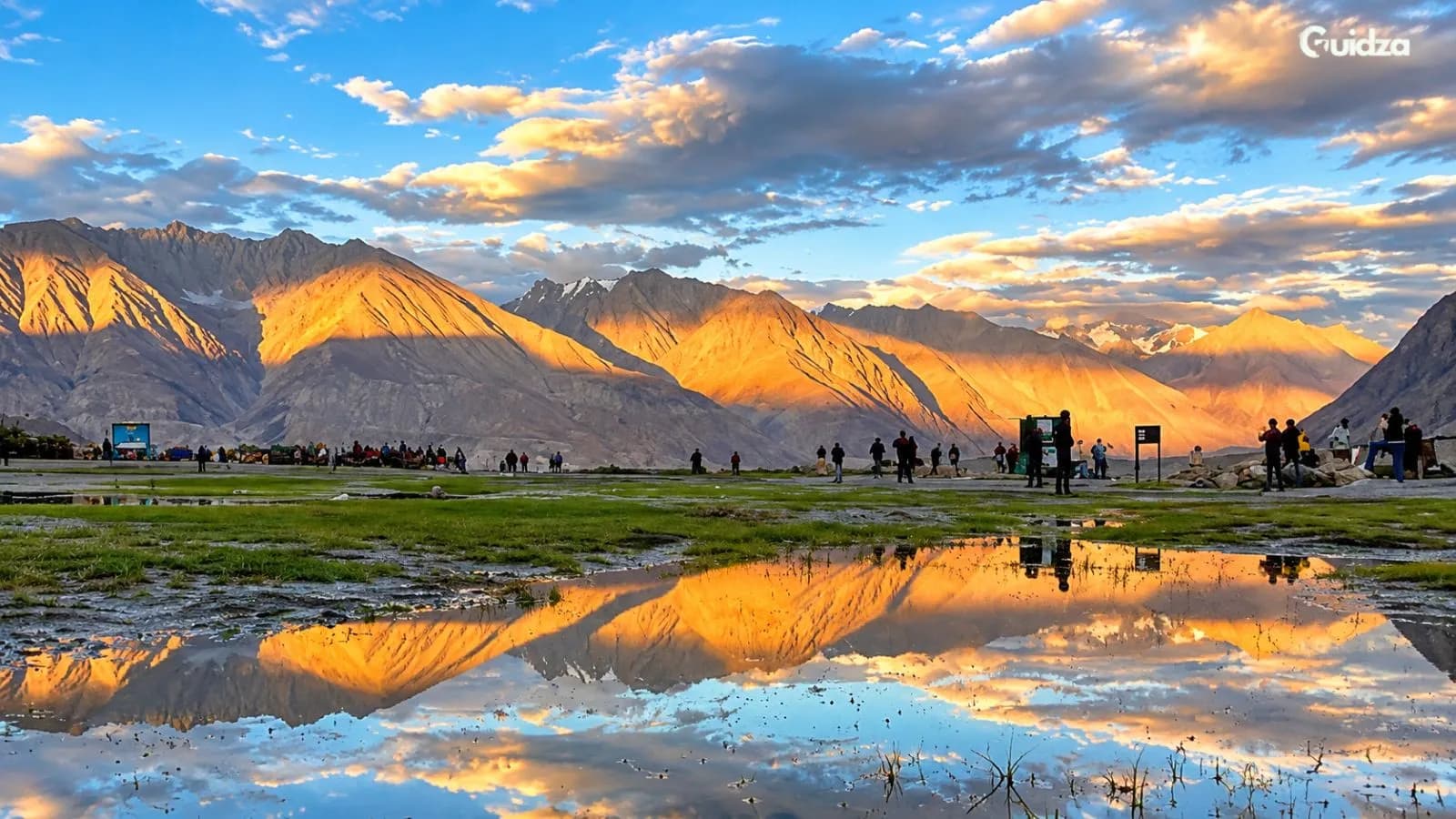
Nubra Valley sits north of Leh, where the Shyok and Nubra rivers carve through cold desert mountains. Dunes, old monasteries, apricot orchards and Balti villages all share one valley, which is why so many travellers add it to a Ladakh itinerary. If you are working out the best places to visit in Nubra Valley, this guide goes attraction by attraction, covering what you can see and do at each stop, and how to plan around altitude, weather and road conditions.
Best Places to Visit in Nubra Valley
The main Nubra Valley tourist places are spread across a few clusters: Hunder and Diskit in the central valley, Panamik and Sumur toward the north, and Turtuk near the far end of the Shyok route. Road conditions and access can change, so confirm everything locally before you set out.
Hunder Sand Dunes
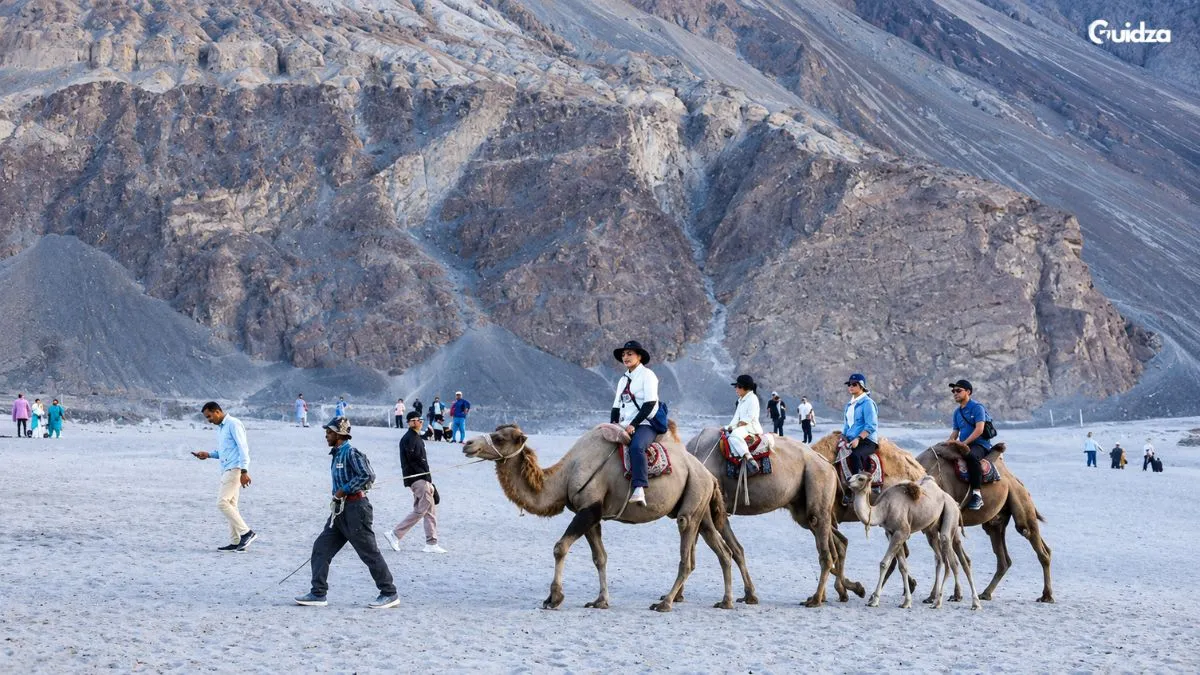
Hunder is the village most visitors associate with Nubra. Its sand dunes, set against snow-streaked peaks, are among the most photographed spots in Ladakh. The contrast of pale sand, willow and sea buckthorn groves, and high mountains is what makes the place feel unusual.
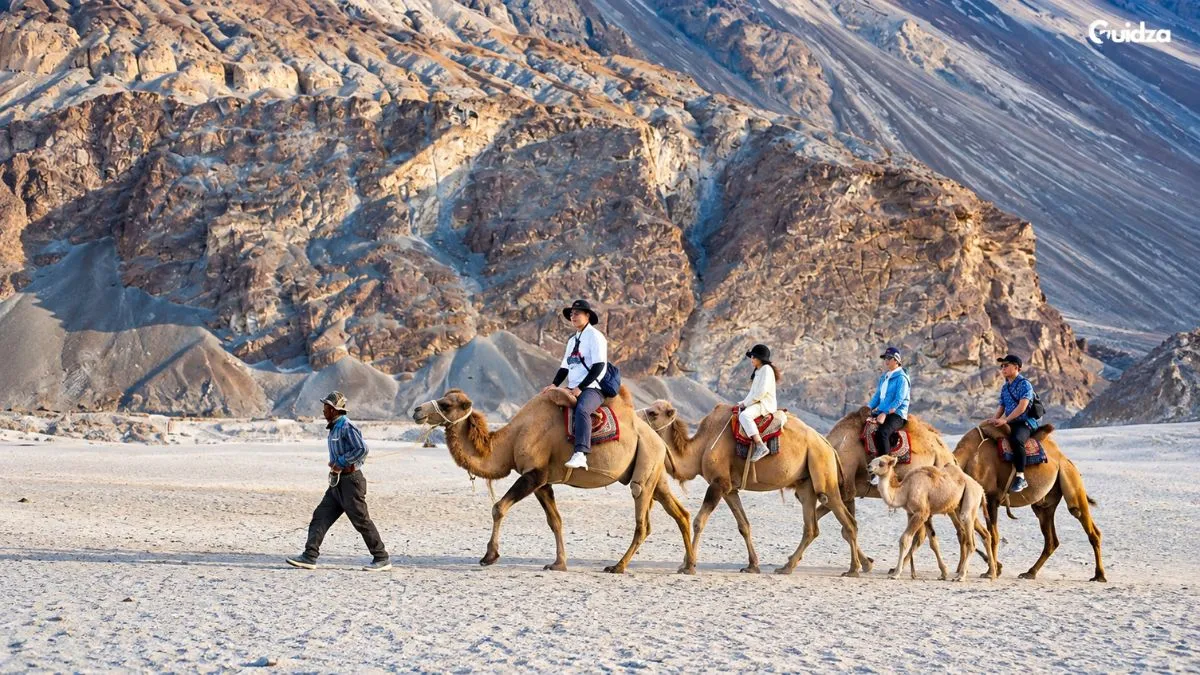
What to do: Walk the dunes, watch the light change around sunrise and sunset, and try a camel safari in Nubra Valley. The rides use double-humped Bactrian camels, a breed associated with the area. Rides are usually short and informal, and operators in the village arrange them.
Tips: Mornings and late afternoons are more comfortable and better for photos. Rates and availability depend on operators and the season, so ask before you board. Treat the animals kindly, avoid crowding them, and carry your litter out. Dunes are fragile, so stay off any vegetation.
Diskit Monastery and the Maitreya Buddha Statue
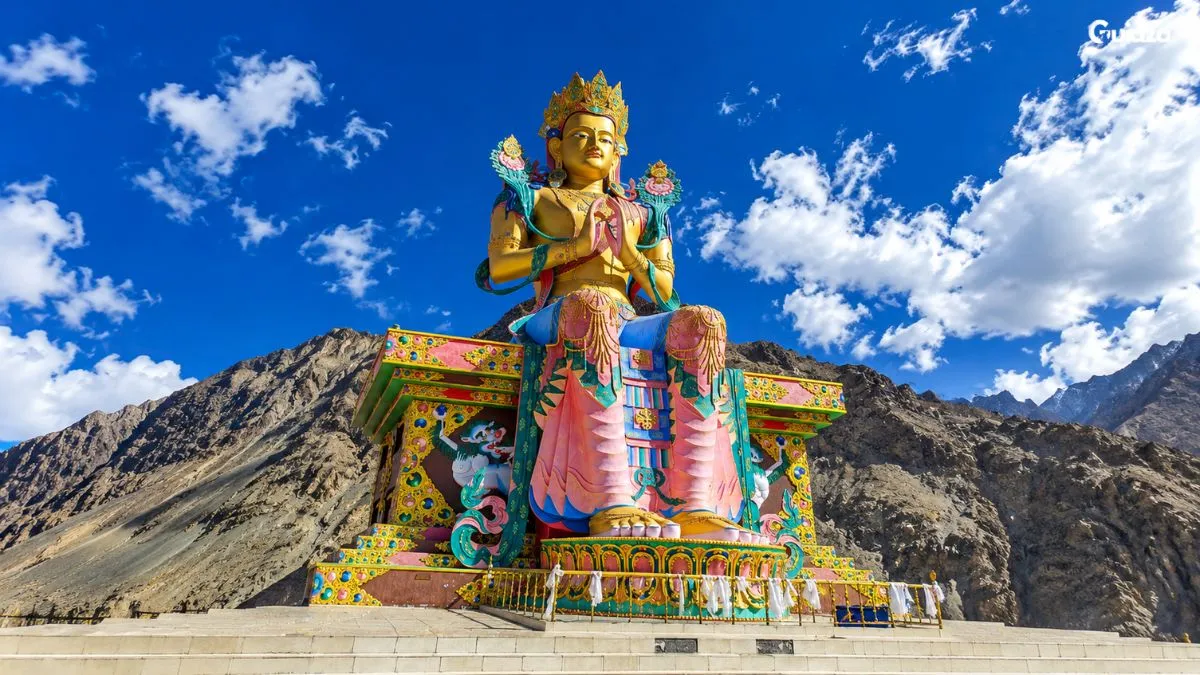
Diskit Monastery (Diskit Gompa) is widely regarded as the oldest and largest monastery in Nubra and belongs to the Gelug tradition. It sits on a hill above Diskit village, with views over the Shyok valley. Nearby, a large Maitreya Buddha statue faces the valley and is easy to spot from the road.
What to do: Explore the prayer halls, take in the valley views from the monastery terraces, and visit the statue. Both fit well into a half-day with Hunder.
Tips: Dress modestly, remove footwear where asked, and ask before photographing inside prayer halls. Visiting hours and any entry fees can change, so check on the day. Expect some stairs, which feel tiring at altitude, so go slowly.
Turtuk Village
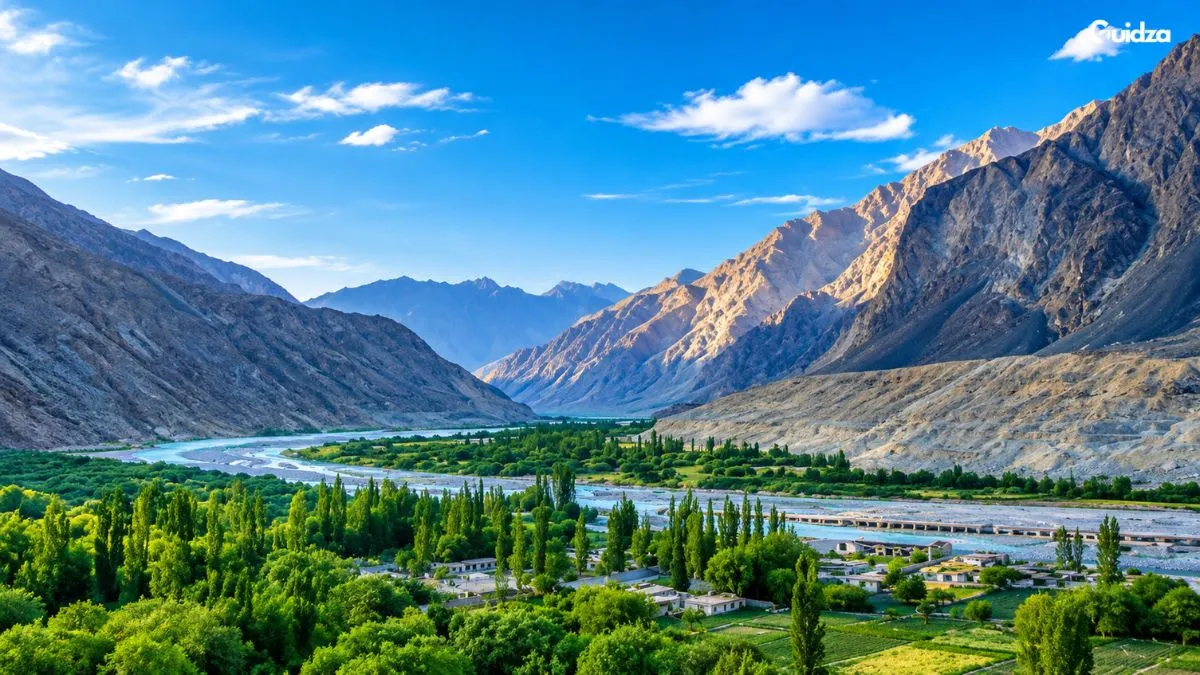
Turtuk is one of the most interesting Nubra Valley attractions from a cultural point of view. It is a Balti-speaking village with its own food, architecture and history, and many travellers say it feels different from the rest of Ladakh. Its terraced fields, apricot trees and stone houses make it a pleasant place to slow down.
What to do: Walk through the lanes, visit the small local museum if it is open, try regional dishes at a homestay or café, and enjoy the apricot season if you travel at the right time.
Tips: Turtuk is a long drive from the central valley, so it is best treated as an overnight stop or a very early start rather than a rushed add-on. Permit rules and access for this area have varied over time, so check current requirements before you travel. Ask people before photographing them, and respect that this is a living community, not a set.
Panamik Hot Springs
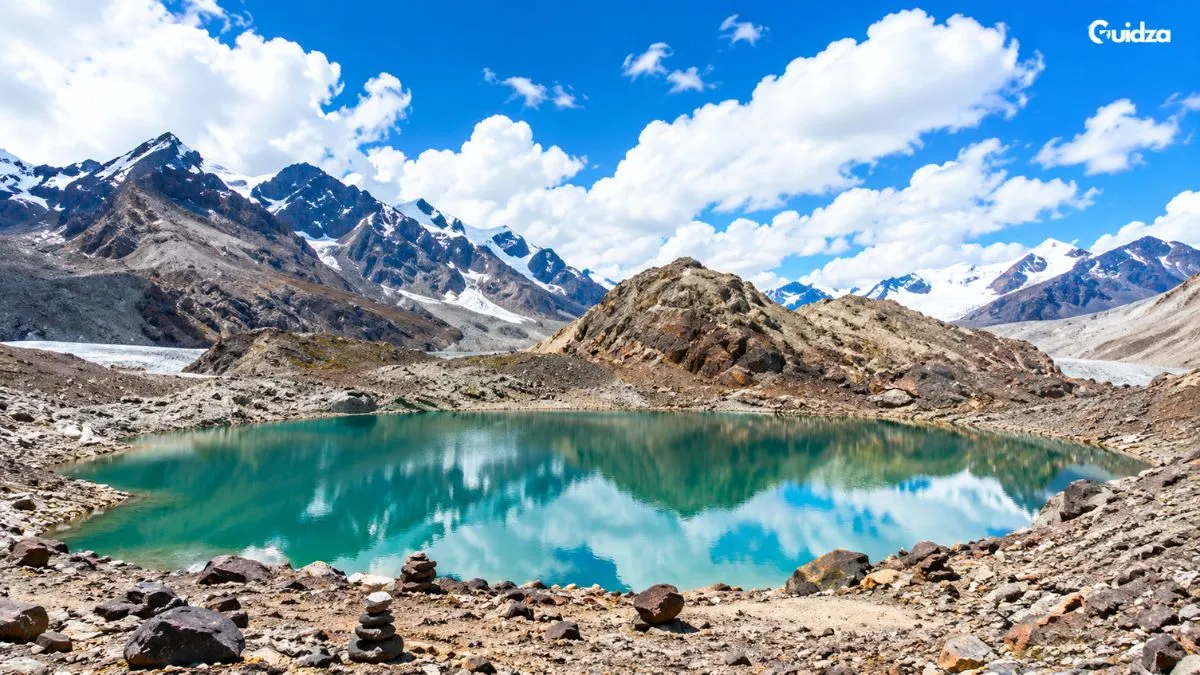
Panamik is in the northern part of the valley, and its hot springs are a popular stop for travellers who want a warm soak after cold days on the road. The water is sulphur-rich and local belief ties it to healing. The village and the surrounding mountains are scenic in their own right.
What to do: Visit the springs, walk around Panamik village, and pair the stop with Sumur, which is close by.
Tips: Facilities are basic, so carry a towel and a change of clothes. Water temperature and access may vary, so check locally. Do not litter, and keep any soaking short if you feel dizzy at altitude.
Yarab Tso Lake
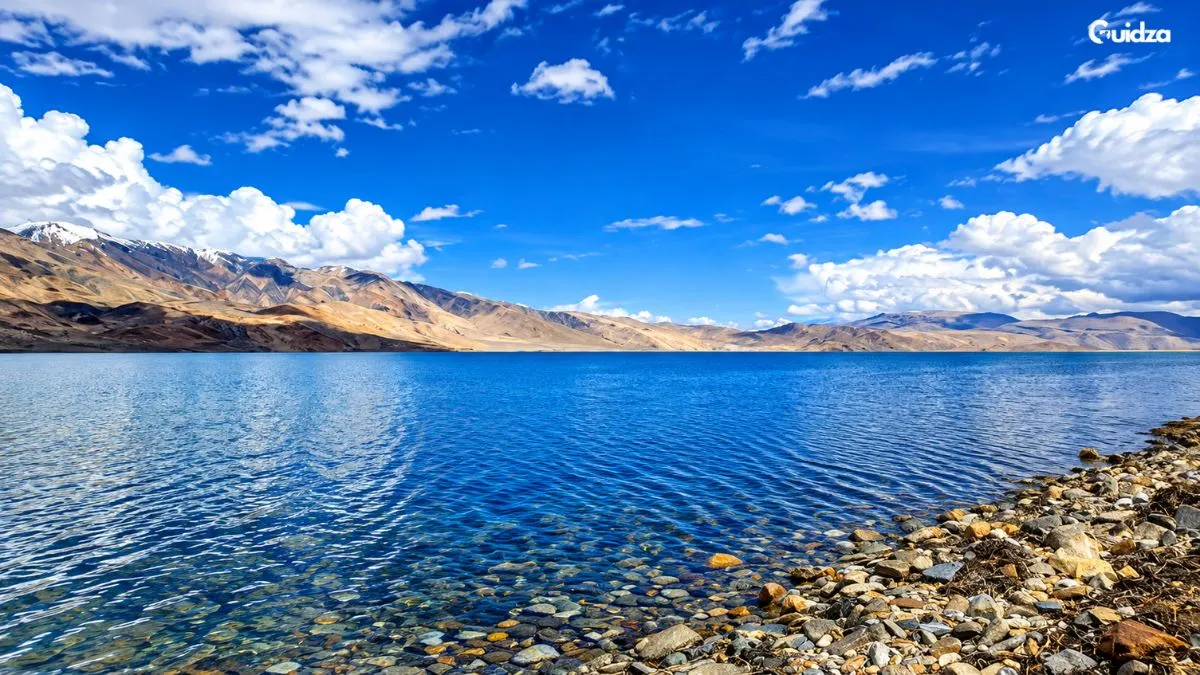
Yarab Tso is a small, sacred lake that locals revere. It is a quieter option for travellers who prefer low-key spots over busy viewpoints. The setting is peaceful, and the walk or drive up gives a different look at the valley.
What to do: Spend some quiet time at the lake and enjoy the surroundings.
Tips: Access depends on the route and season, so ask your driver or host about current conditions before planning around it. Because the lake has religious meaning for local people, avoid swimming, littering or playing loud music.
Sumur Village and Samstanling Monastery
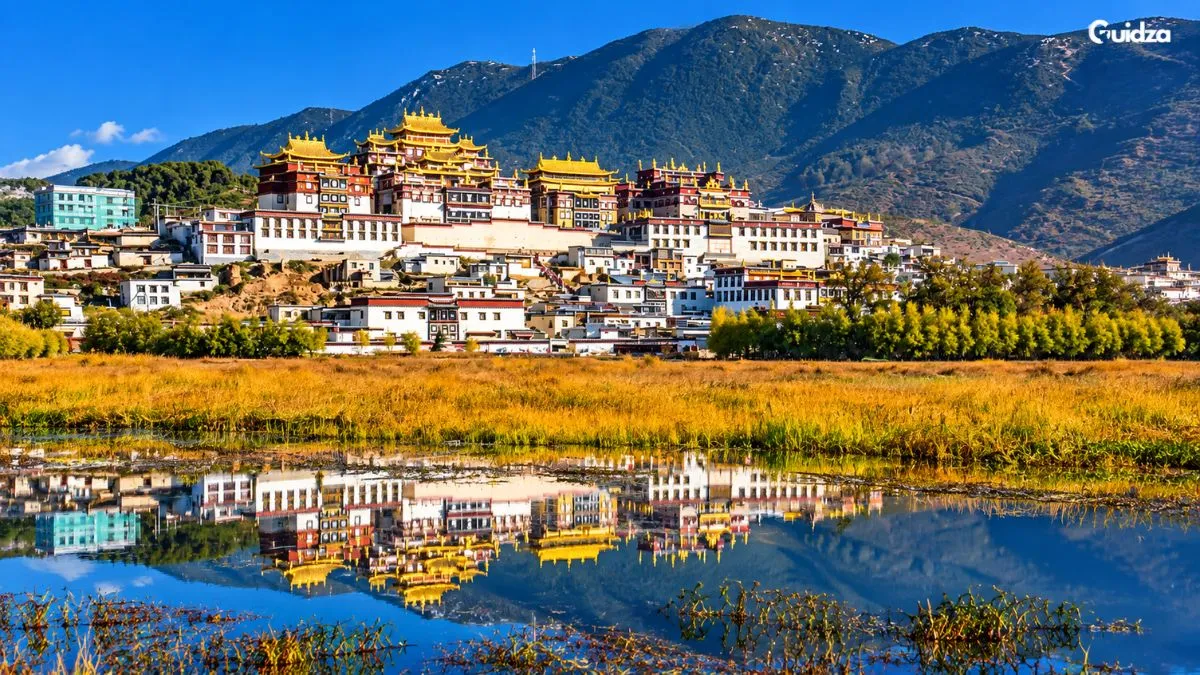
Sumur is a green, farming village with a calm pace. Samstanling Monastery is its main landmark, and local accounts date it to the nineteenth century. It is a lovely place to see monastic life without the larger crowds of Diskit.
What to do: Visit the monastery, walk around the fields, and consider staying overnight in a homestay to experience village hospitality.
Tips: Dress modestly and be quiet inside the monastery. Check ahead for any special festival or prayer times, which can affect access.
Top Activities to Enjoy in Nubra Valley
Beyond visiting individual sights, these are the things to do in Nubra Valley that make a trip memorable.
- Camel safari at Hunder: The classic experience, best done in cooler parts of the day. Availability depends on the season and operators.
- Monastery visits: Diskit and Samstanling offer different moods, one grand and one quiet. Go early, and be respectful during prayers.
- Village walks: Hunder, Sumur and Turtuk are all good for slow walks. Greet people, ask before taking photographs, and buy from local shops where you can.
- Landscape photography: The dunes, river plains and mountain backdrops are a gift for photographers. Golden hour works best, and drones may be restricted, so check rules before flying one.
- Scenic drives: The road journey is part of the appeal, with high passes and wide valley views. Drive carefully, stop for breaks, and avoid night driving.
- Local food: Try local bread, thukpa, momos, butter tea and, in season, apricot-based items. Many homestays serve home-style meals.
- Cultural exploration: Talk with hosts, learn about local customs and festivals, and support community-run stays.
Some activities depend on weather and season. Roads can be affected by snow or landslides, and winter conditions can limit what is open. Always ask locally before you assume something will be running.
Best Time for Nubra Valley Sightseeing
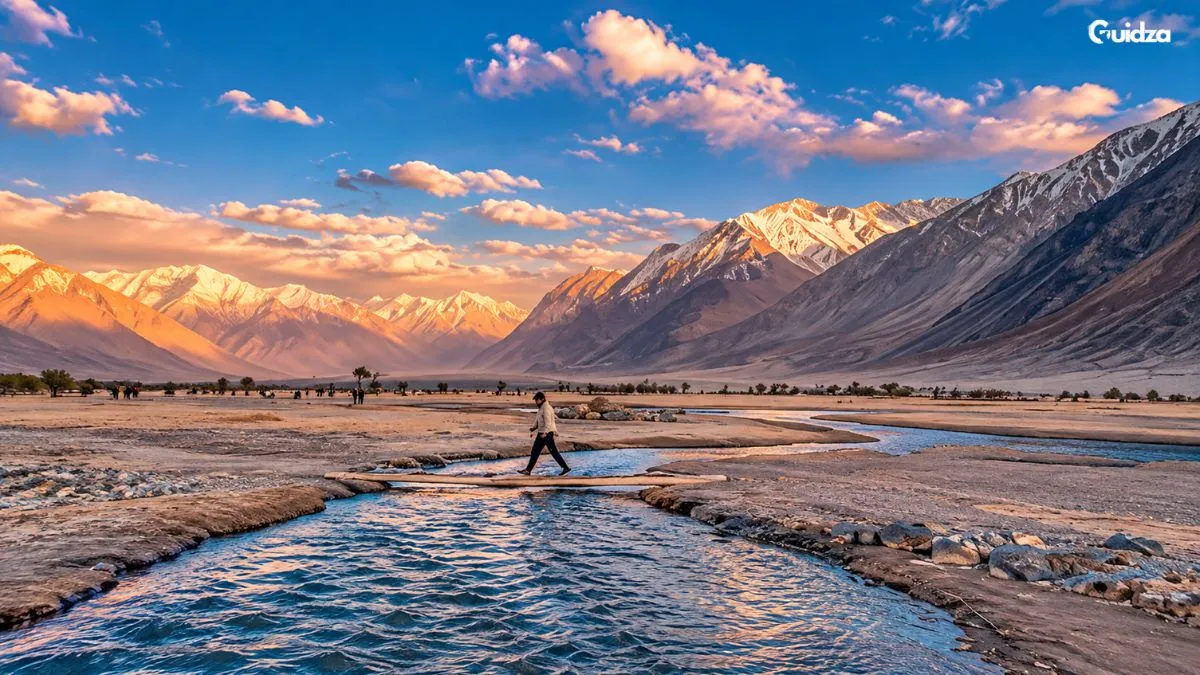
Most travellers visit in the warmer months, roughly from late spring to early autumn, when roads are more commonly open and days are comfortable for sightseeing. Summer brings greener villages and easier outdoor activities, while nights stay cold. Early and late seasons can be quieter, though temperatures drop and conditions are less predictable.
Winter brings very cold temperatures, and access can be limited because of road conditions, so many travellers avoid it unless they are experienced and well prepared. Weather in the mountains changes quickly, so do not count on a particular forecast, and keep some flexibility in your plans. Check current road status before departing from Leh.
Places to Visit Near Nubra Valley
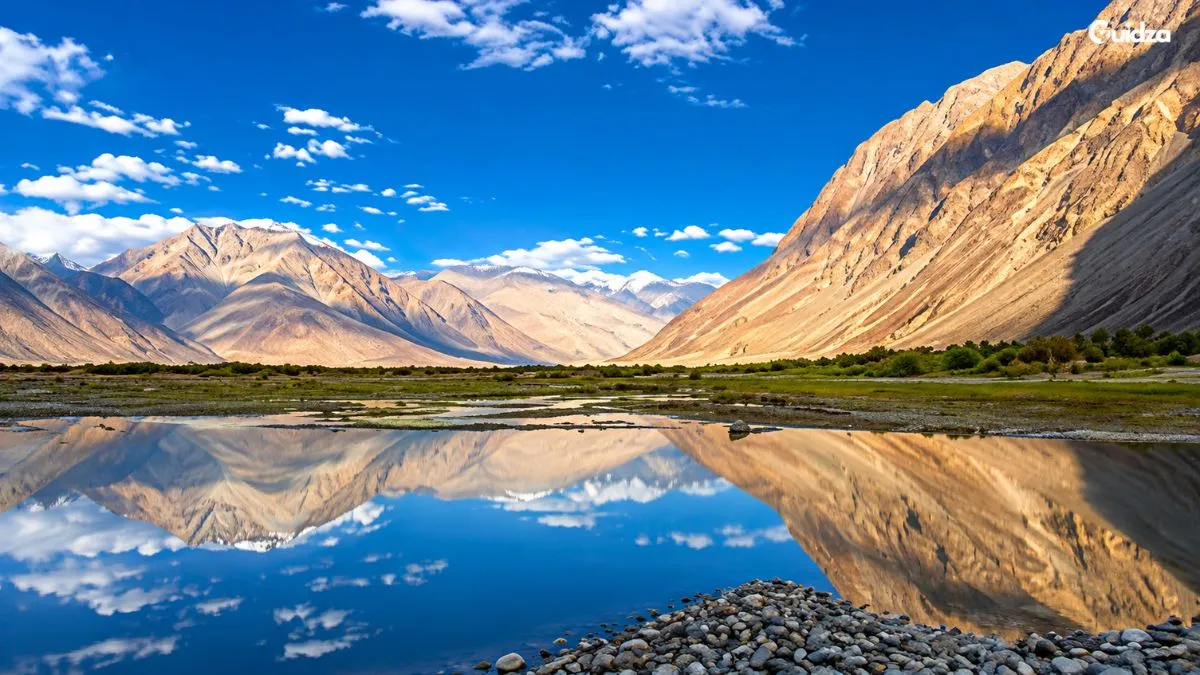
A few destinations pair naturally with a Nubra itinerary.
- Leh: Your base for acclimatisation and the usual starting point for the trip. Spend time here before heading north.
- Khardung La: The high pass between Leh and Nubra is a scenic stop on the way in or out. Limit your time at the top because of the altitude.
- Pangong Tso: Many travellers link Nubra with Pangong using the road through the Shyok area. Route availability and permit requirements can change, so confirm with a local operator before planning this circuit.
- Shyok and Agham route: Some travellers use this scenic route to continue between regions. Road conditions vary, so check before you commit.
- Tirit and Hunder surroundings: Smaller stops that add variety if you have time.
Do not squeeze too much into a short trip. Distances in Ladakh feel longer than they look on a map because of road conditions and altitude, so plan generous driving days.
Essential Travel Tips for Visiting Nubra Valley
- Acclimatise first: Spend a couple of days in Leh before going over high passes. Rest, drink water, and avoid alcohol early on.
- Watch for altitude symptoms: Headache, nausea, breathlessness or unusual tiredness are warning signs. Descend and seek medical help if symptoms persist or worsen.
- Dress in layers: Days can be sunny and nights cold. Pack a warm jacket, sun protection, sunglasses, a hat and sturdy shoes.
- Expect varied roads: Mountain roads can be rough, and weather can cause delays. Hire an experienced local driver and keep buffer time.
- Local transport: Most travellers use a hired taxi or an organised tour. Shared options may be limited, so ask your hotel in Leh.
- Permits and entry requirements: Rules for Indian and foreign nationals, and for specific areas such as Turtuk, can change. Check the current requirements with the Leh administration or a licensed operator before you travel, and carry ID copies.
- Cash and connectivity: ATMs can be unreliable outside Leh, so carry enough cash. Mobile coverage is patchy, and some networks do not work in remote areas. Download maps offline.
- Waste and water: Carry reusable bottles, take your rubbish with you, and avoid single-use plastic.
- Be respectful: Dress modestly at religious sites, ask before photographing people, and treat animals and the landscape with care.
This guide suits all kinds of travellers. Couples may enjoy quiet homestays, families can plan shorter driving days, solo travellers will find homestays sociable, and adventure seekers can build in extra time for treks and longer routes.
Plan Your Nubra Valley Adventure
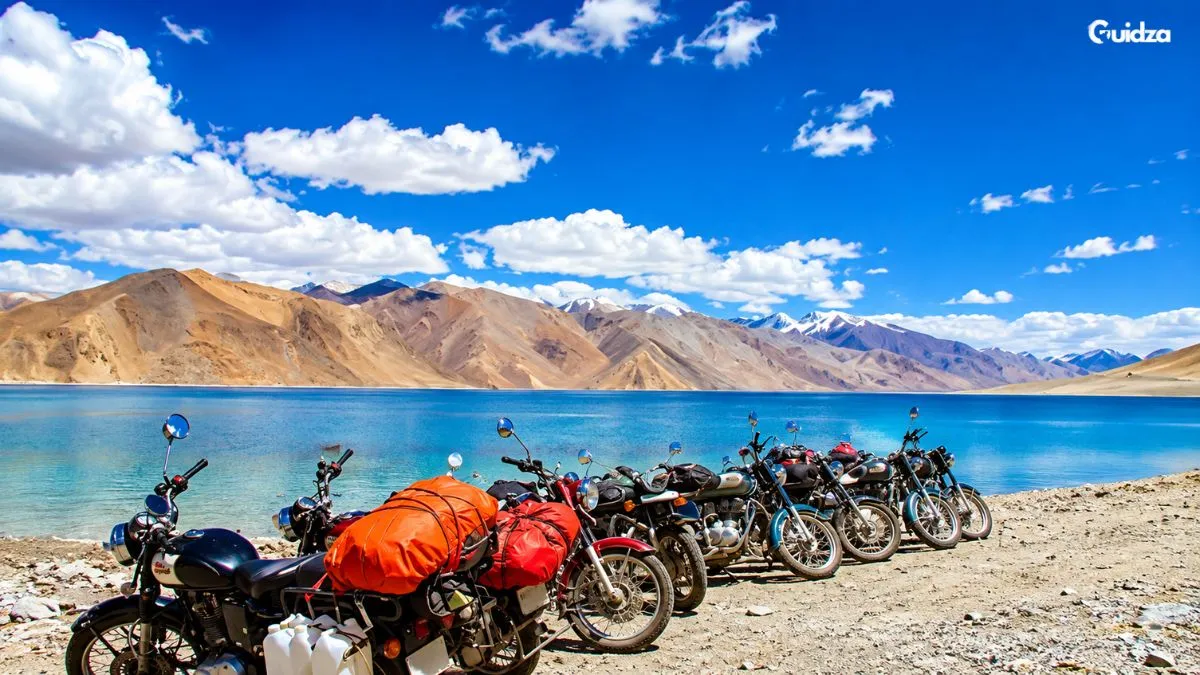
Nubra Valley rewards travellers who go slowly. The dunes at Hunder, the prayer halls of Diskit, the village lanes of Turtuk and the quiet of Sumur each offer something different, and together they make the list of places to visit in Nubra Valley well worth building a trip around. Acclimatise properly, check road and permit information before you go, and treat the people and landscape with respect.
Ready to plan more? Explore the other Ladakh travel guides on Guidza for routes, stays and practical tips to help you build your trip.
Frequently Asked Questions
What are the best places to visit in Nubra Valley?
The highlights include Hunder Sand Dunes, Diskit Monastery and the Maitreya Buddha statue, Turtuk, Panamik Hot Springs, Yarab Tso Lake, and Sumur with Samstanling Monastery. Together they cover landscapes, culture, and quiet village life.
How many days are enough to explore Nubra Valley?
Most travellers plan two to three nights to see the main sights without rushing. If you want to include Turtuk or spend time in the northern villages, allow extra days. Add buffer time for road delays and acclimatisation.
What are the best things to do in Nubra Valley?
Popular activities include a camel safari at Hunder, visiting monasteries, walking through villages, photographing the landscape, enjoying local food, and taking in the scenic drive. Choose a mix of sightseeing and slow time with local communities.
Is a camel safari available in Nubra Valley?
Yes, camel rides are commonly offered at Hunder, using Bactrian camels. Availability and rates depend on the season and operators, so ask locally. Choose operators who treat their animals well, and avoid the hottest part of the day.
What is the best time to visit Nubra Valley?
The warmer months, from roughly late spring to early autumn, are the most popular because roads are generally easier and sightseeing is more comfortable. Conditions can still change, so check weather and road updates before travelling.
How can travellers reach Nubra Valley from Leh?
Most people travel by road, usually by hired taxi or tour vehicle, crossing Khardung La. Road status and permit rules can change, so confirm current conditions and requirements in Leh before you set out.