
Best Places to Visit in Mumbai: Top Attractions & Experiences

Shivika
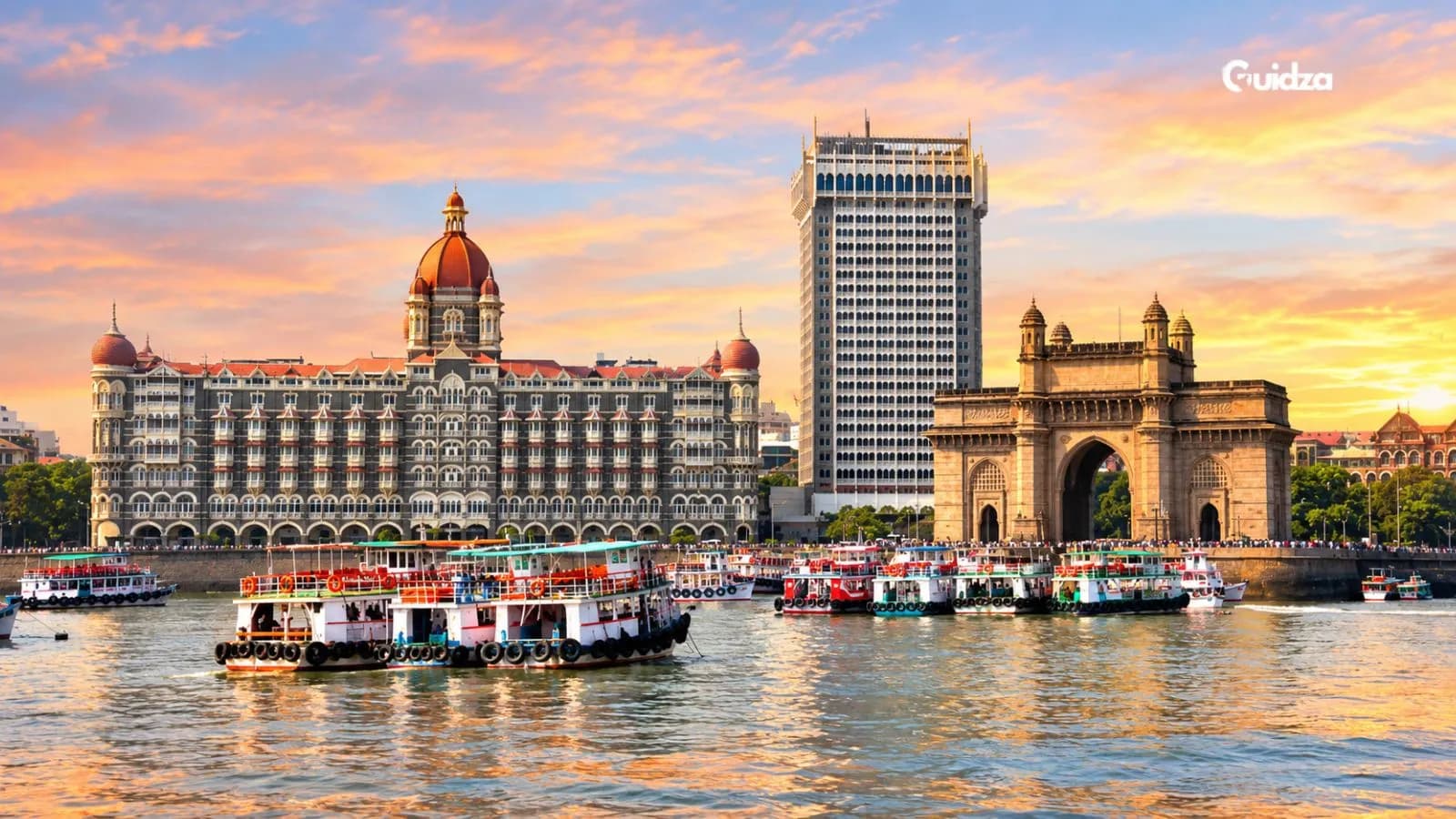
Mumbai is a city of contrasts — colonial-era architecture standing beside modern skyscrapers, quiet seaside promenades a short drive from some of the busiest streets in India. Whether you have a weekend or a full week, this list of the famous places to visit in Mumbai covers the landmarks, neighborhoods, and experiences that define the city, along with practical tips for timing your trip and getting around.
A Quick Overview of Mumbai’s Neighborhoods
Mumbai is spread across a long peninsula, and most visitors split their time between South Mumbai (Colaba, Fort, and Marine Drive), the western suburbs (Bandra and Juhu), and a few standout attractions further out, like Elephanta Caves and Sanjay Gandhi National Park. South Mumbai holds most of the city’s colonial landmarks and museums, while Bandra and Juhu offer a more relaxed, café-lined pace. Together, these areas cover the best places in Mumbai for a well-rounded first visit.
Top Places to Visit in Mumbai
1. Gateway of India
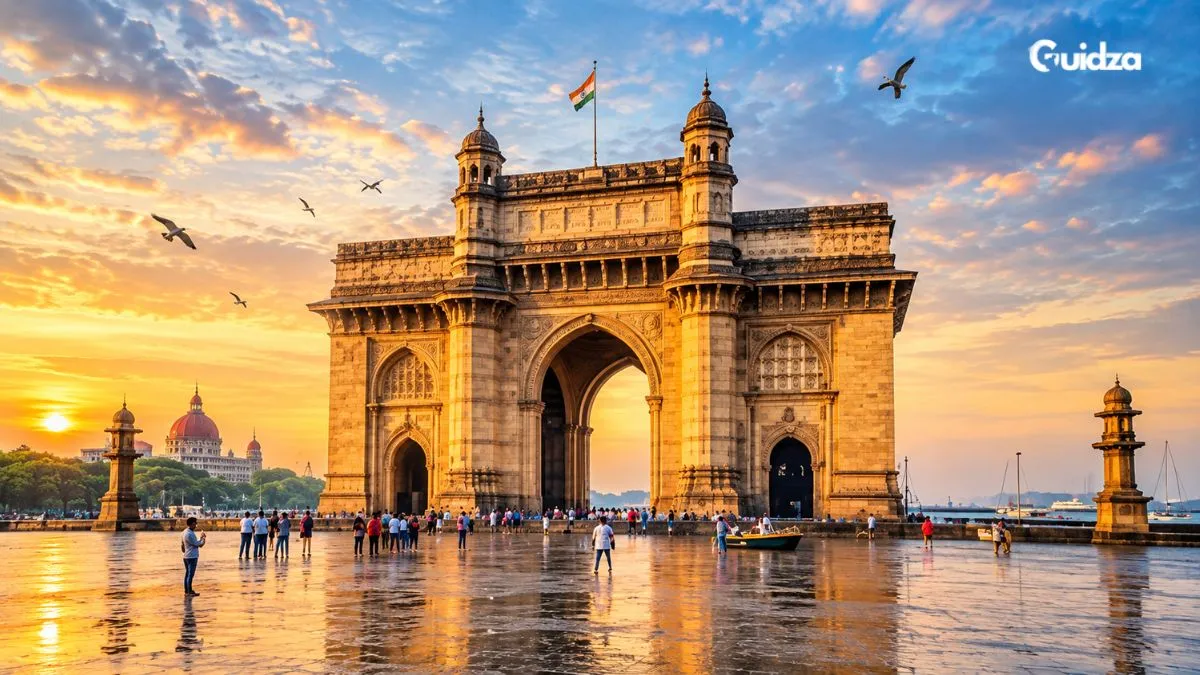
Built to commemorate the visit of King George V in 1911, the Gateway of India is Mumbai’s most recognizable landmark, overlooking the Arabian Sea in Colaba.
Highlights & key things to do:
Walk along the waterfront promenade in the early morning or evening to avoid crowds. Boats to Elephanta Caves depart from the jetty right beside the monument. The nearby Taj Mahal Palace hotel is worth a look even if you’re not staying there.
Recommended time: 1–2 hours.
2. Marine Drive
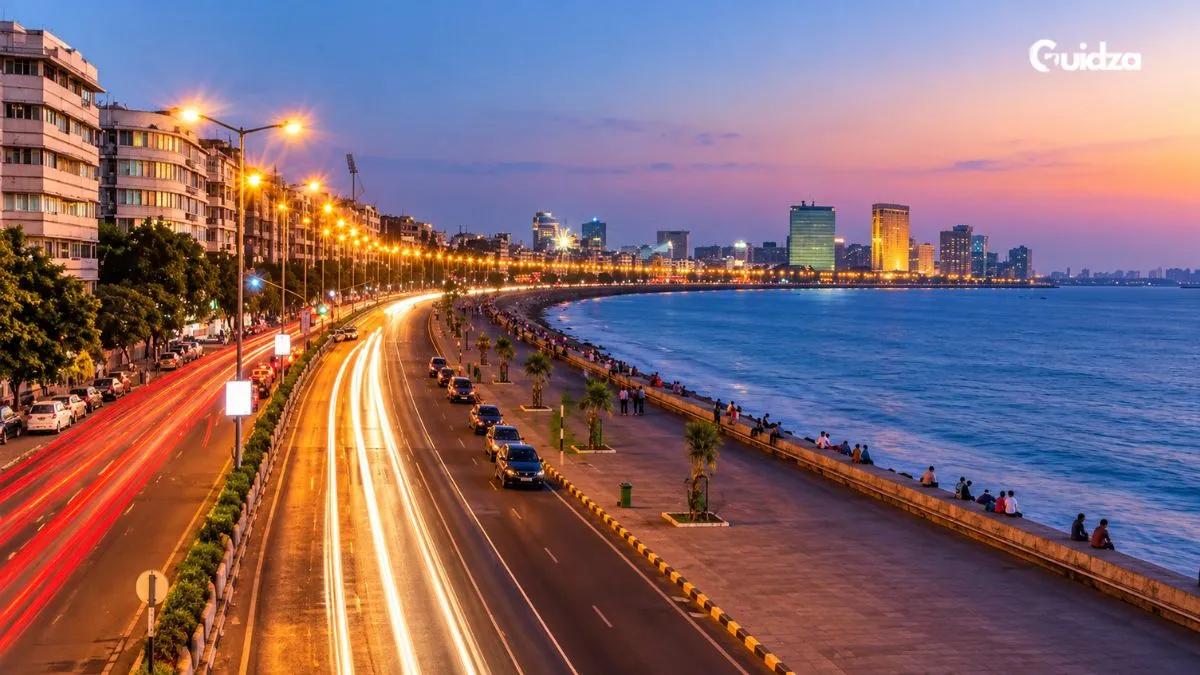
A sweeping 3.6-kilometer boulevard along the coast, Marine Drive is nicknamed the “Queen’s Necklace” for the way its streetlights curve along the bay at night.
Highlights & key things to do:
Walk or jog along the promenade at sunset, when locals gather to watch the sky change color over the sea. Chowpatty Beach sits at one end, popular for street food in the evening. The Art Deco buildings lining the drive are some of the best-preserved examples of the style in Asia.
Recommended time: 1–2 hours.
3. Chhatrapati Shivaji Maharaj Terminus (CST)
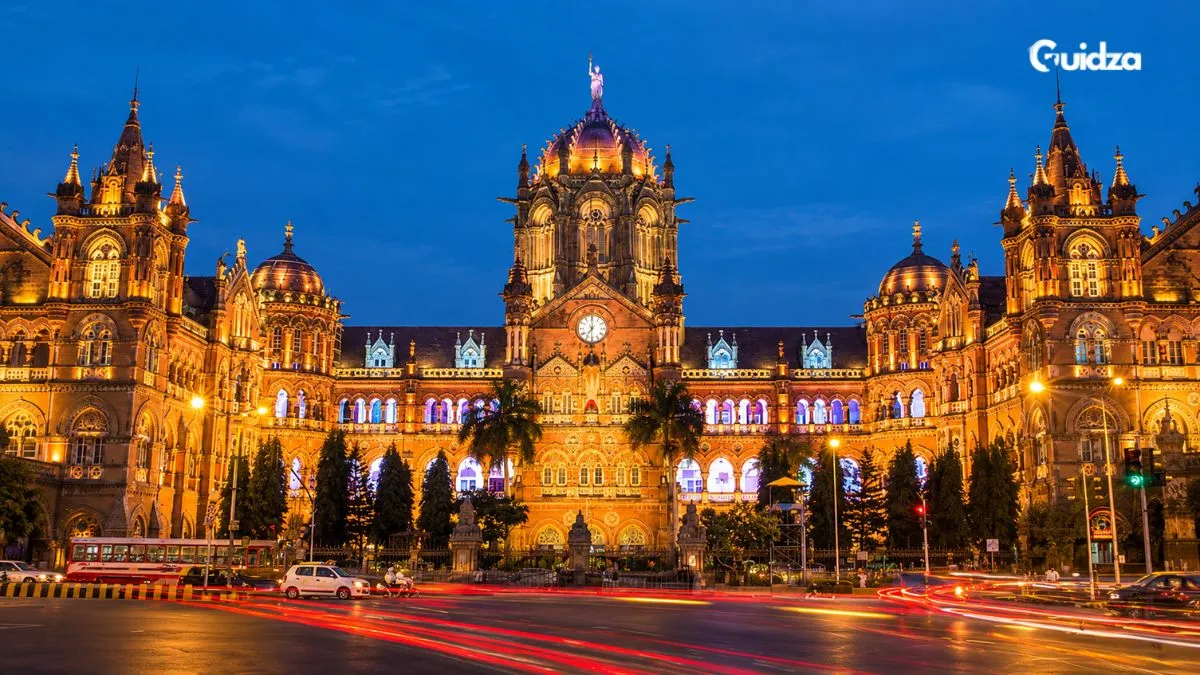
Overview A UNESCO World Heritage Site, this Victorian Gothic railway station remains one of Mumbai’s busiest and most photographed buildings.
Highlights & key things to do:
Admire the station’s exterior facade, especially striking when lit up at night. Step inside briefly to see the ornate ceiling and ironwork, though it remains a working station with heavy foot traffic. The surrounding Fort district has several other colonial-era buildings worth a short walk.
Recommended time: 30–45 minutes.
4. Elephanta Caves
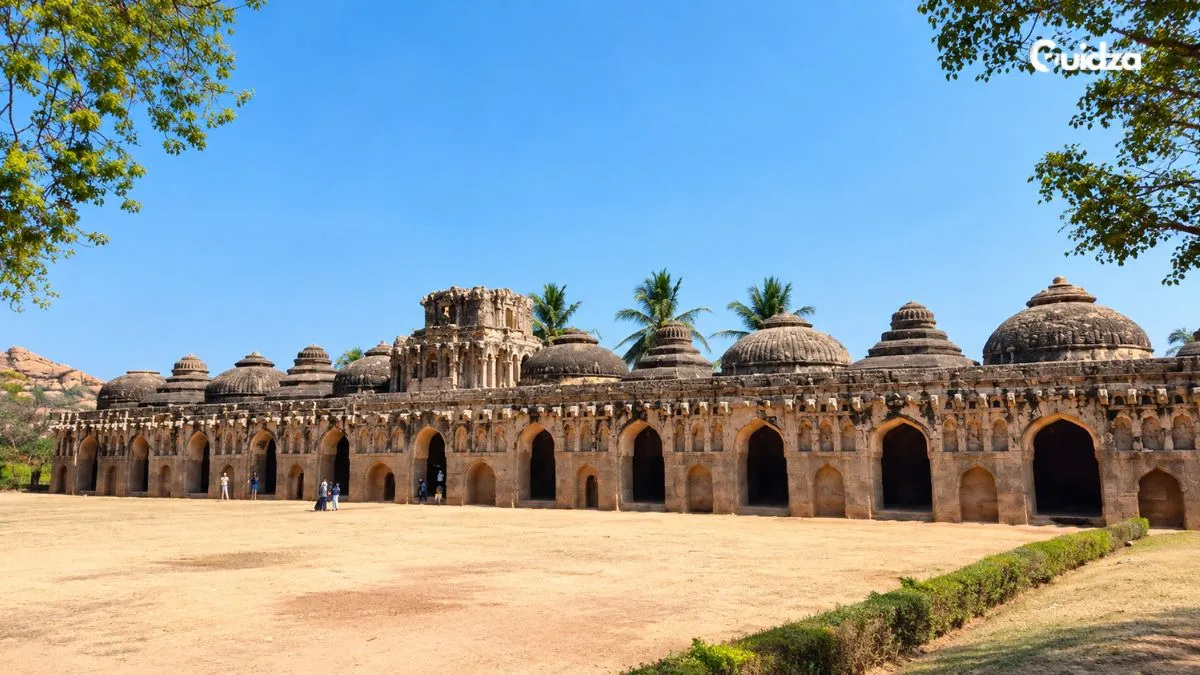
A short ferry ride from the Gateway of India, Elephanta Island is home to rock-cut cave temples dating back to the 5th to 8th centuries, dedicated to Lord Shiva.
Highlights & key things to do:
Explore the main cave’s intricate sculptures, including the famous three-headed Shiva sculpture. Climb the steps up from the jetty, lined with small stalls, or take the toy train partway. The island also offers views back across the harbor to Mumbai’s skyline.
Recommended time: Half a day, including the ferry ride.
5. Juhu Beach
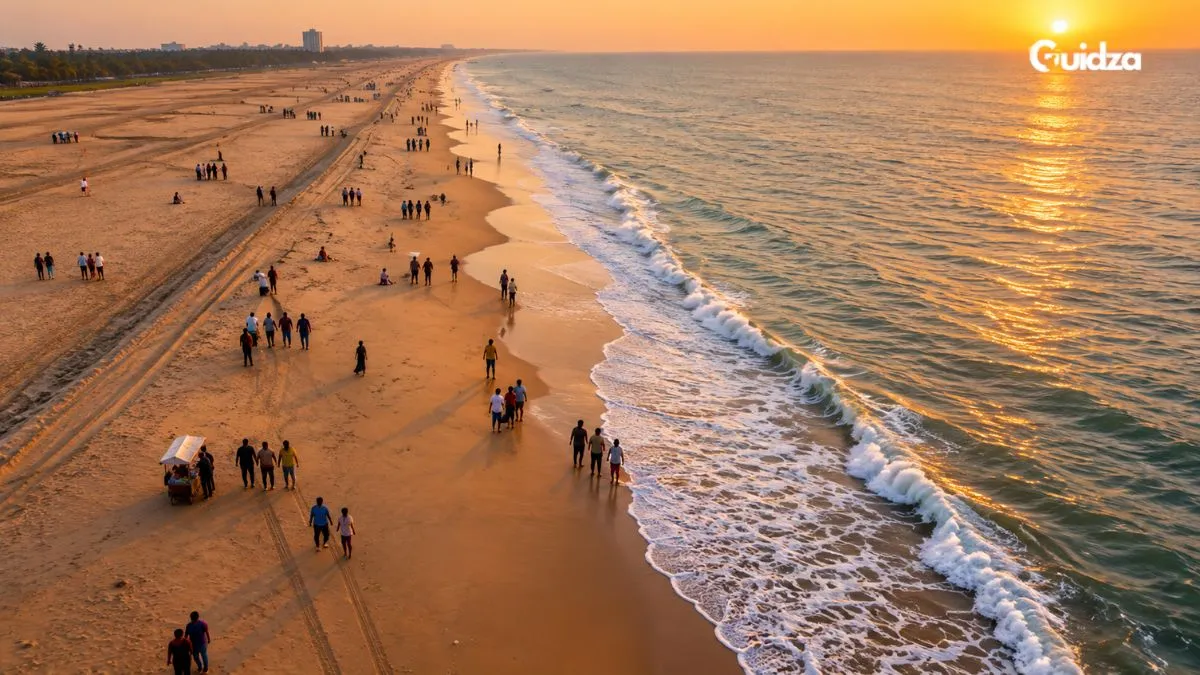
One of Mumbai’s most popular beaches, Juhu draws locals and visitors alike for its lively evening atmosphere and street food stalls.
Highlights & key things to do:
Try classic Mumbai street food like bhel puri and pav bhaji from the beachside stalls. Take an evening walk as the sun sets over the Arabian Sea. The beach is also close to several Bollywood celebrity homes, a draw for film fans.
Recommended time: 1–2 hours.
6. Bandra
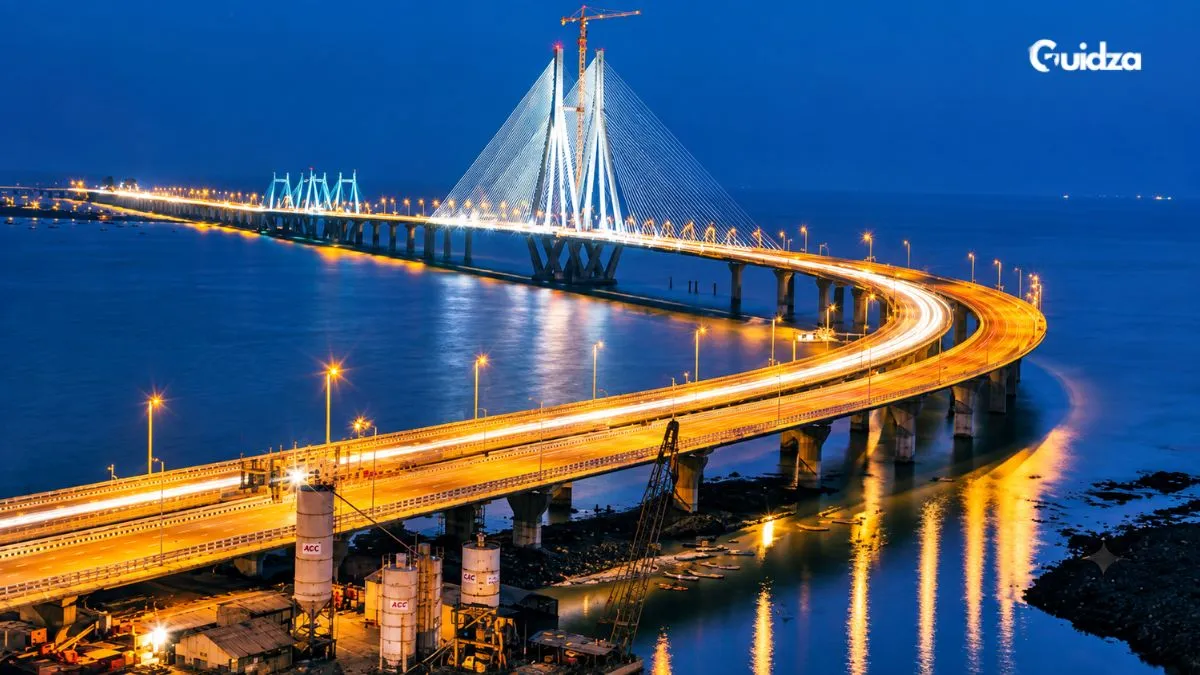
Once a quiet fishing village, Bandra is now one of Mumbai’s trendiest neighborhoods, known for its cafes, street art, and mix of old bungalows and high-rises.
Highlights & key things to do:
Walk along Bandra Bandstand for views of the Bandra-Worli Sea Link, especially scenic at sunset. Visit Mount Mary Church, perched on a hill overlooking the sea. Explore the colorful lanes near Chapel Road, known for their street art and boutique shops.
Recommended time: 2–3 hours.
7. Sanjay Gandhi National Park
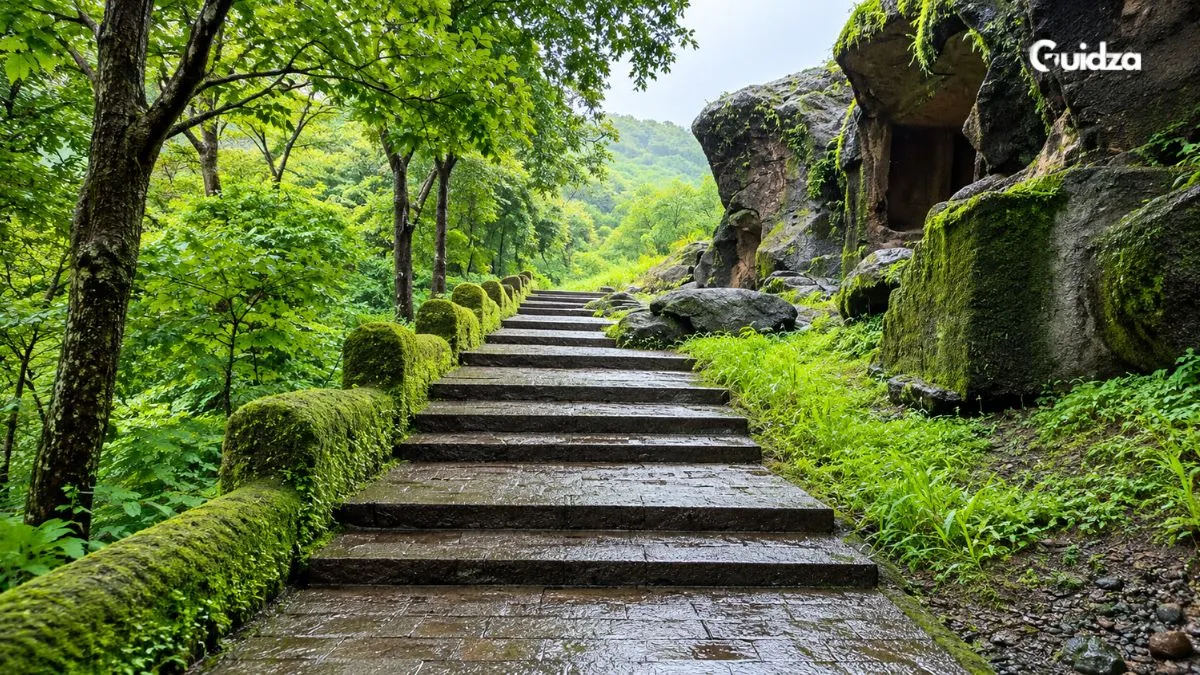
A rare stretch of protected forest within city limits, Sanjay Gandhi National Park offers a break from Mumbai’s density, along with ancient Buddhist cave sites.
Highlights & key things to do:
Visit the Kanheri Caves, a network of rock-cut Buddhist caves dating back over 2,000 years. Take a short toy train or boat ride within the park, or go on a guided nature trail if visiting on a weekend. Leopard sightings are rare but not unheard of near the park’s edges.
Recommended time: Half a day.
8. Haji Ali Dargah
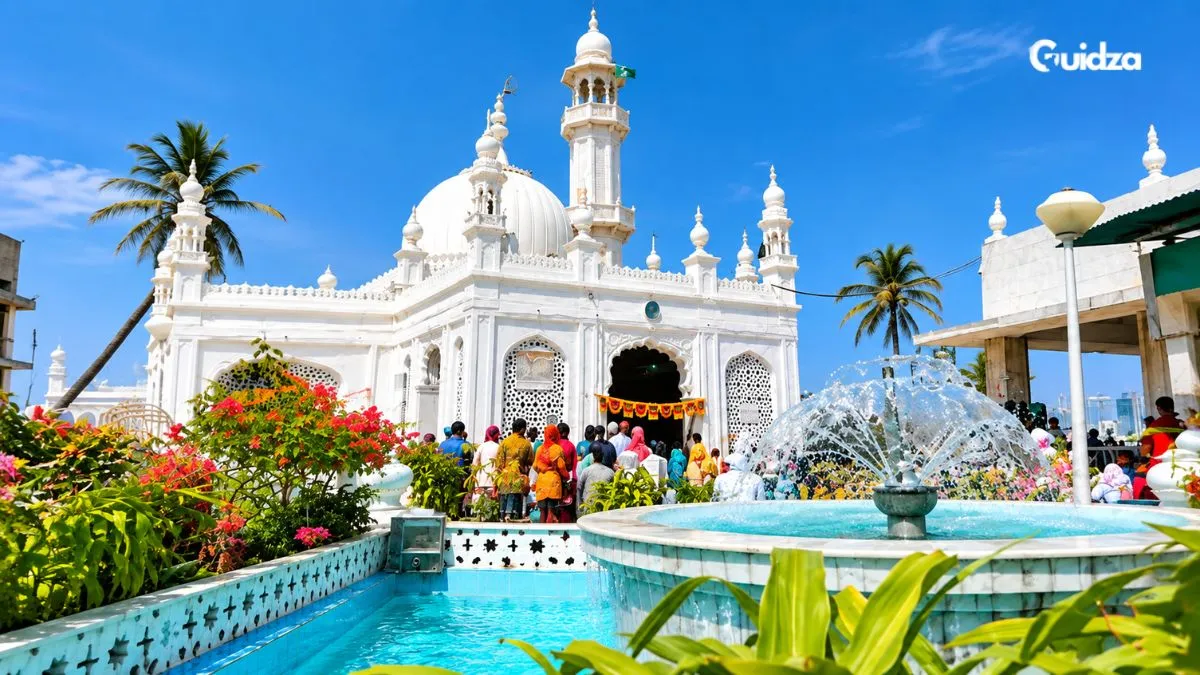
Built on an islet just off the coast, this mosque and tomb is connected to the mainland by a narrow causeway that’s submerged during high tide.
Highlights & key things to do:
Time your visit around low tide to walk across the causeway comfortably. The white marble structure is especially striking against the surrounding sea. Nearby Haji Ali Juice Centre is a popular stop for fresh juices and milkshakes afterward.
Recommended time: 1 hour.
Best Time to Visit Mumbai
The best time to visit Mumbai is between November and February, when temperatures are cooler and humidity drops, making it comfortable to walk around outdoor landmarks like Marine Drive and the Gateway of India. March to May turns hot and humid, while the monsoon (June to September) brings heavy rain that can disrupt sightseeing, though the city’s greenery and waterfalls in nearby hill areas are at their best during this period for travelers who don’t mind the rain.
Mumbai Travel Tips
A short Mumbai Travel Guide wouldn’t be complete without a few practical notes for getting around and staying comfortable:
- Getting around: The local train network is the fastest way to cross the city but gets extremely crowded during rush hour; ride-hailing apps are a more comfortable option for shorter trips.
- Traffic: Mumbai’s roads are often congested, so build extra time into your schedule between attractions, especially during morning and evening rush hours.
- Monsoon prep: If visiting between June and September, carry a compact umbrella and expect occasional waterlogging in low-lying areas.
- Street food safety: Stick to stalls with high turnover and visible hygiene practices, particularly at beach-side food areas.
- Dress code: Modest clothing is appreciated at religious sites like Haji Ali Dargah and Mount Mary Church.
Plan Your Mumbai Adventure
From the colonial facades of South Mumbai to the seaside energy of Bandra and Juhu, Mumbai rewards travelers who mix its landmark sights with time spent simply walking its neighborhoods. Plan around the cooler months where possible, build in extra time for traffic, and explore Mumbai travel experiences that help you discover the city beyond its famous landmarks. With the right planning, you’ll get a well-rounded sense of what makes this city one of India’s most dynamic.
Frequently Asked Questions
What are the most famous places to visit in Mumbai?
The Gateway of India, Marine Drive, Elephanta Caves, and Chhatrapati Shivaji Maharaj Terminus are typically considered Mumbai’s must-see landmarks.
What are the best Mumbai sightseeing places for a one-day trip?
If you only have a day, focus on South Mumbai: the Gateway of India, Marine Drive, and CST are all within a short distance of each other and can comfortably be covered together.
Is Mumbai worth visiting for a weekend?
Yes — a weekend is enough to cover South Mumbai’s landmarks and one additional area, such as Bandra or Elephanta Caves, without feeling rushed.
What is the best time of year to visit Mumbai?
November through February offers the most comfortable weather for sightseeing, with lower humidity and cooler temperatures than the rest of the year.