
Bangkok Travel Guide: Best Places, Experiences & Things to Do

Kartik
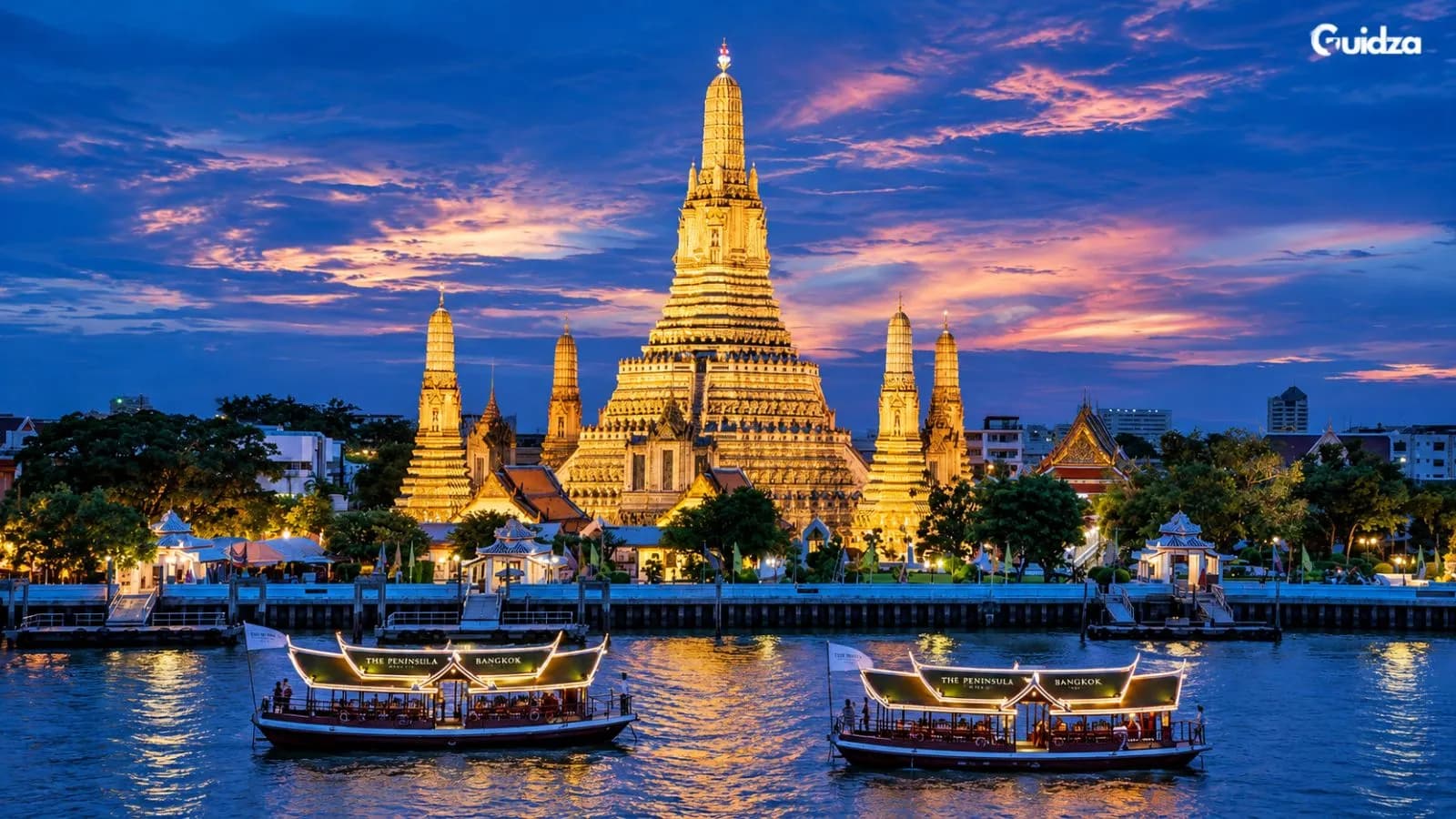
Bangkok can feel like several cities layered on top of one another. Gilded temples sit a short walk from glass malls, boats cut across a wide brown river beside high-rises, and a single street can go from fruit stalls at noon to a crowded night food market after dark. It is loud, hot and busy, and also one of the easiest big cities in Asia to enjoy once you know how to move around it.
This Bangkok travel guide is meant as a starting point for planning. It covers the main areas and landmarks, the kinds of experiences worth building a trip around, a sample route, when to go, how to get around, where to stay and practical advice. It works for solo travellers, couples, families and first-time visitors to Thailand, and it leaves room for more detailed guides on temples, food, shopping and nightlife.
Why Visit Bangkok?
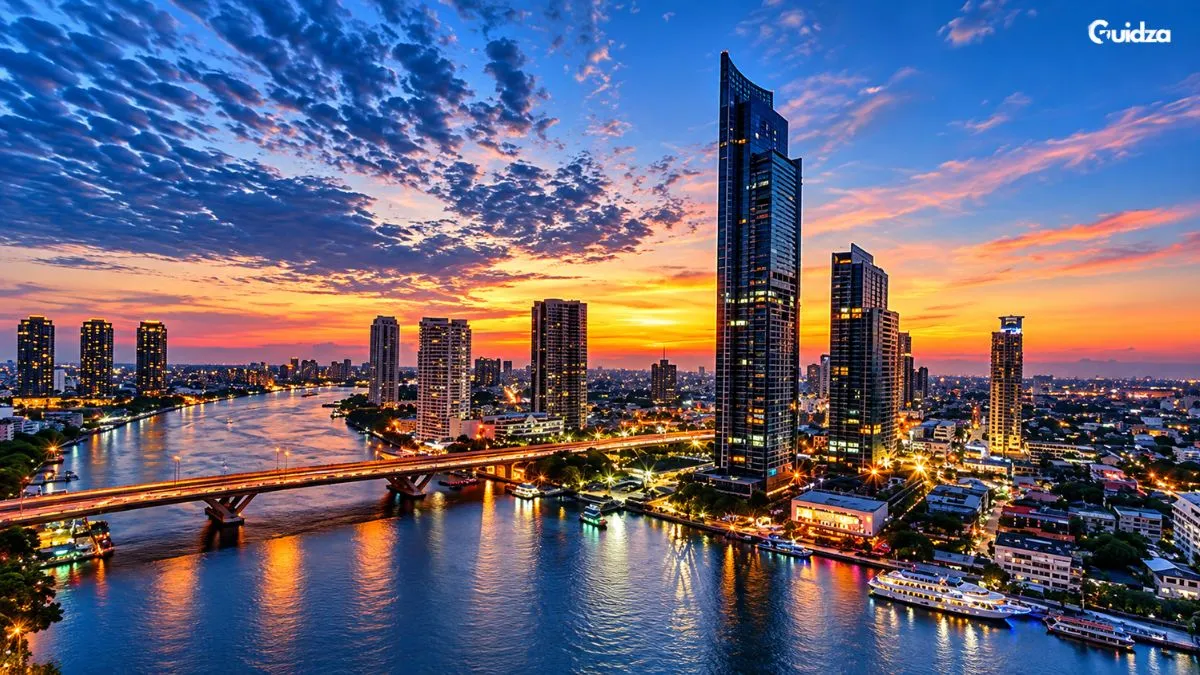
Bangkok rewards curiosity. The city is big enough that every day can look different, and most of its appeal comes from how old and new sit side by side.
- History and temples: the old royal district has some of Thailand's most important landmarks
- Street food: meals are cheap to try, varied and part of daily life, not just a tourist activity
- Markets and shopping: from sprawling weekend markets to air-conditioned malls
- The river: boats, riverside temples and evening views change how the city feels
- Nightlife: night markets, rooftops, live music and late food streets
- Neighbourhoods: each area has its own character, from canal-side communities to business districts
- Modern attractions and day trips: observation decks, galleries, and old capitals and floating markets within reach of the city
Things to Do in Bangkok
Beyond sightseeing, the things to do in Bangkok tend to fall into a few themes. Use this overview to decide what appeals, then drill into a more detailed guide for each.
Culture and History
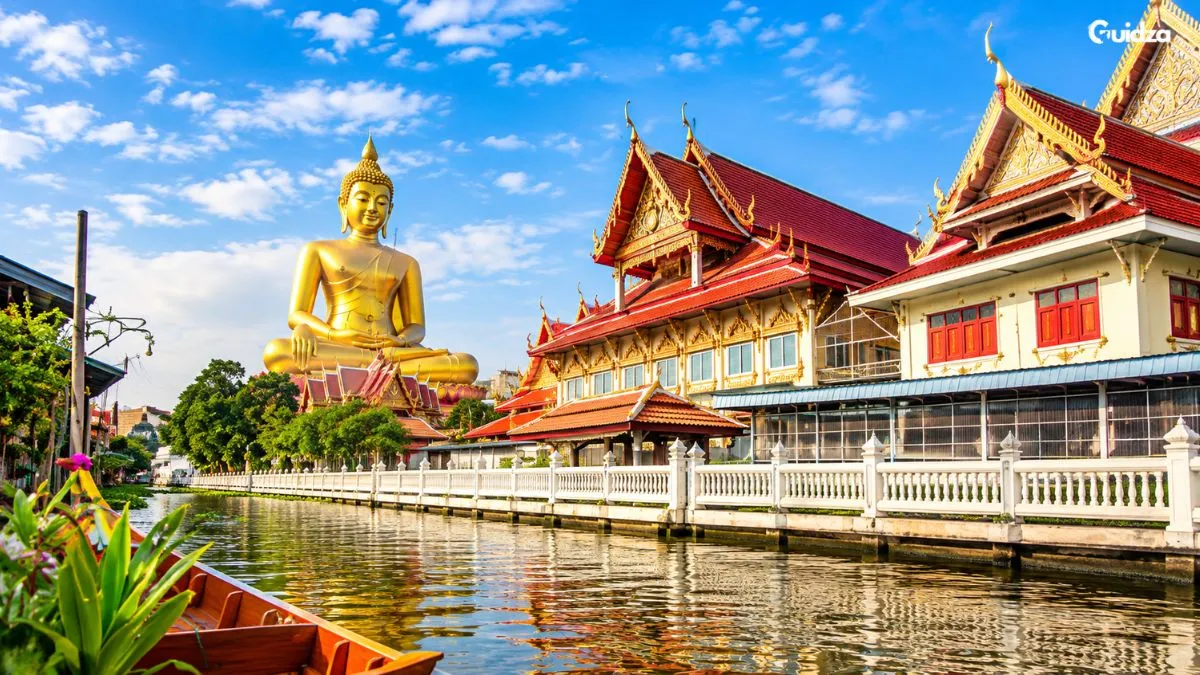
- Visit a few temples rather than all of them, ideally early in the morning when it is cooler
- Walk through the old town and its historic streets
- Learn about Thai culture through museums, performances, massage traditions and community visits
Food
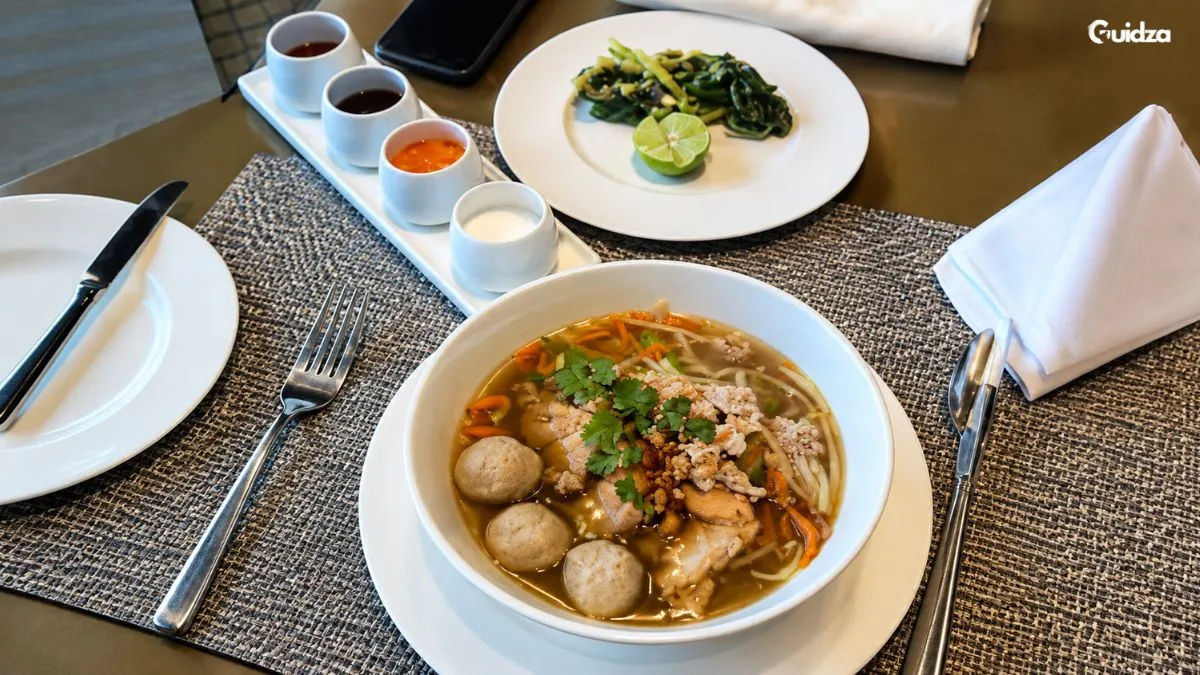
- Try street food at stalls and night markets
- Explore local markets, including fresh produce and snack stalls
- Visit food streets where several vendors cluster together
Shopping
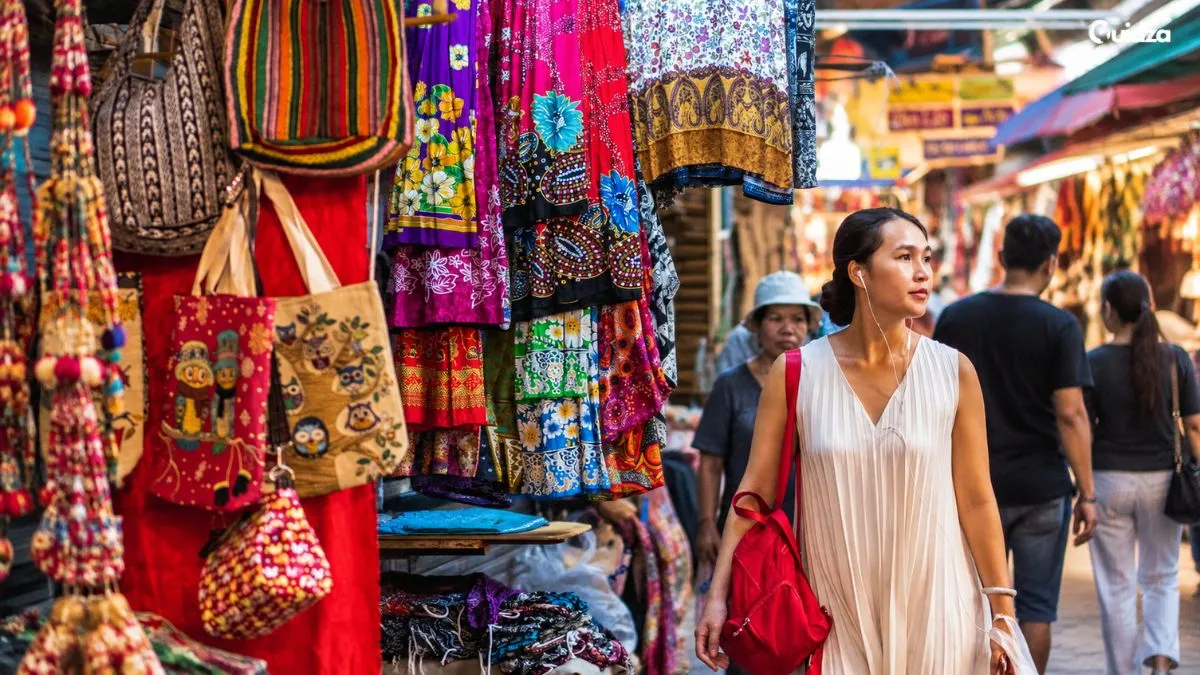
- Browse local and weekend markets for clothing, crafts and souvenirs
- Visit malls for air-conditioned shopping, food courts and cinemas
- Look for local products such as silk, handicrafts, spices and snacks
Experiences
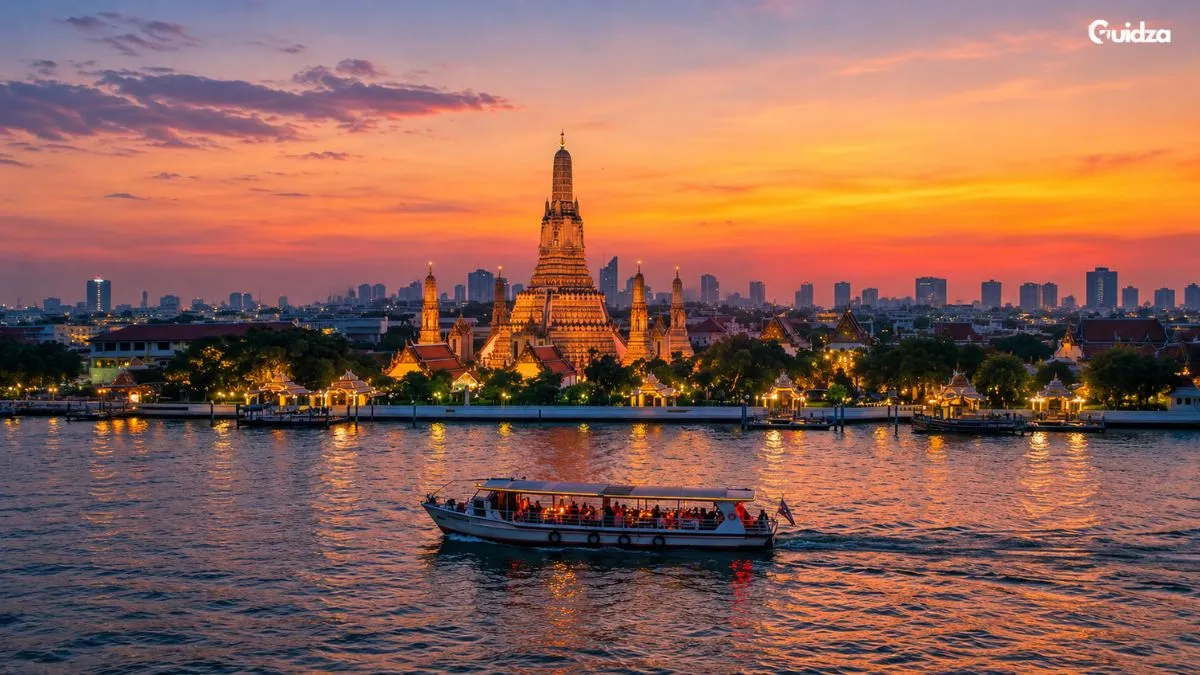
- Travel on the Chao Phraya River by ferry or boat tour
- Explore different neighbourhoods on foot or by Skytrain
- Take a cooking class or another cultural workshop
- Visit a night market after dark
Entertainment
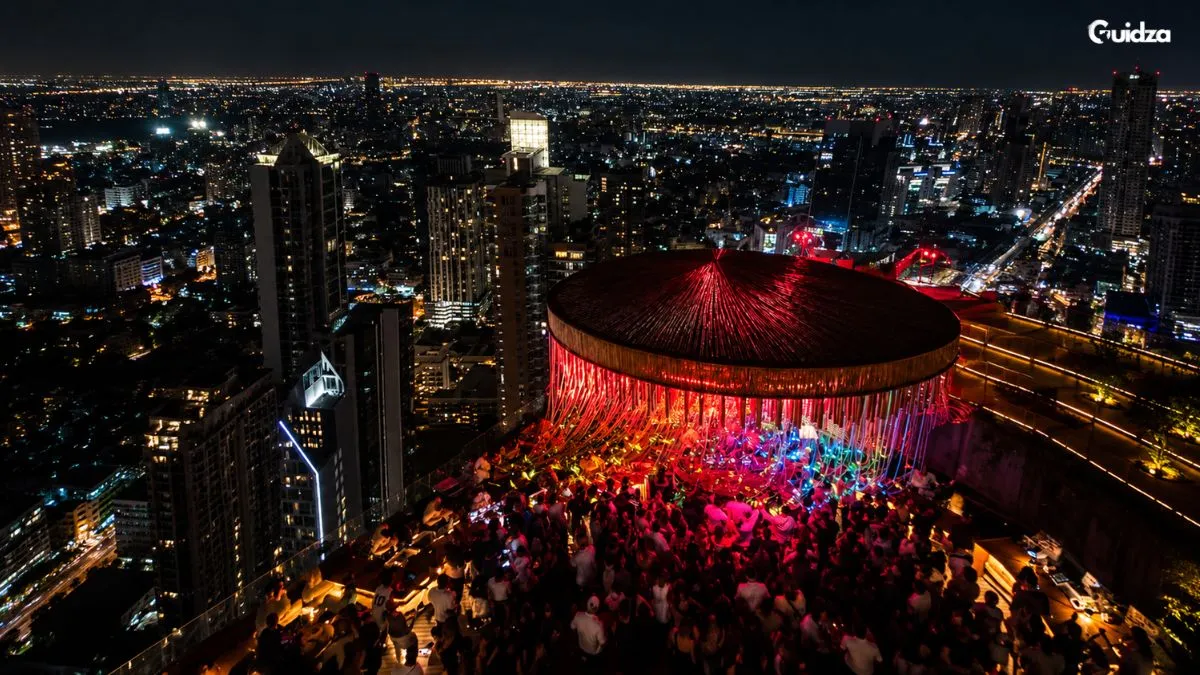
- Watch the city from a rooftop or observation deck
- Spend an evening along the river or in a lively entertainment district
- Sample Bangkok's nightlife in whatever style suits you, from a quiet bar to live music
A longer article on the best things to do in Bangkok can cover specific activities in more depth. For now, treat this as a map of the options.
Bangkok Experiences You Should Not Miss
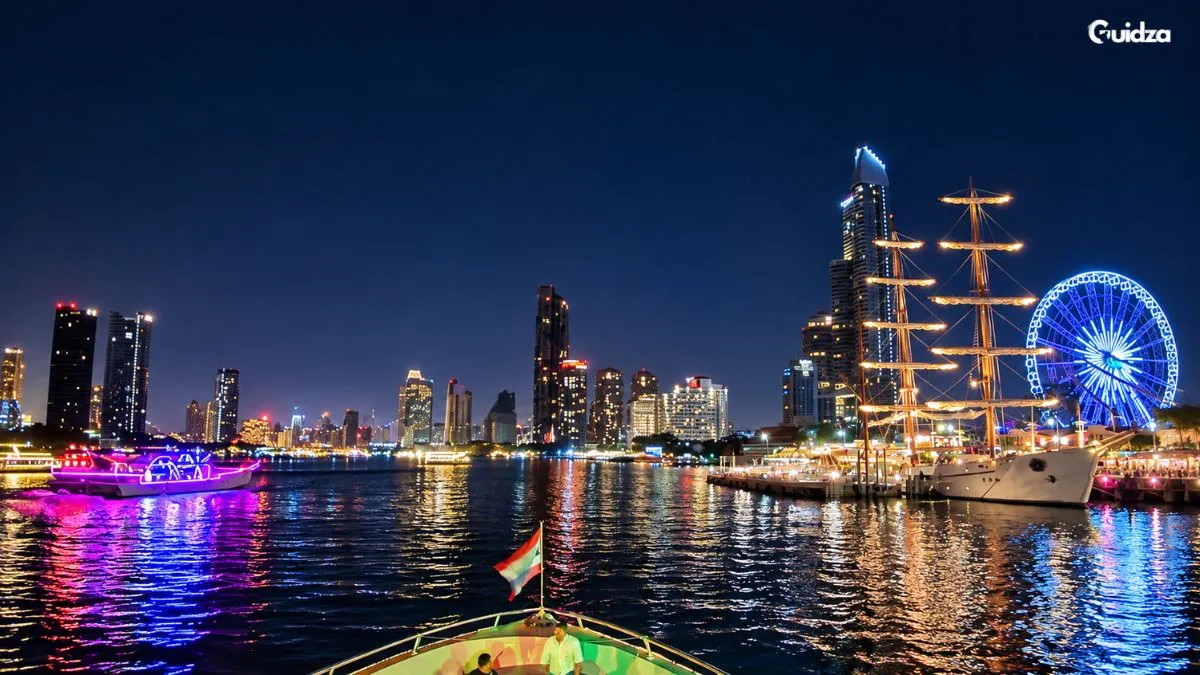
Some of the most memorable Bangkok experiences are less about a landmark and more about what happens around it. These are worth building a day around:
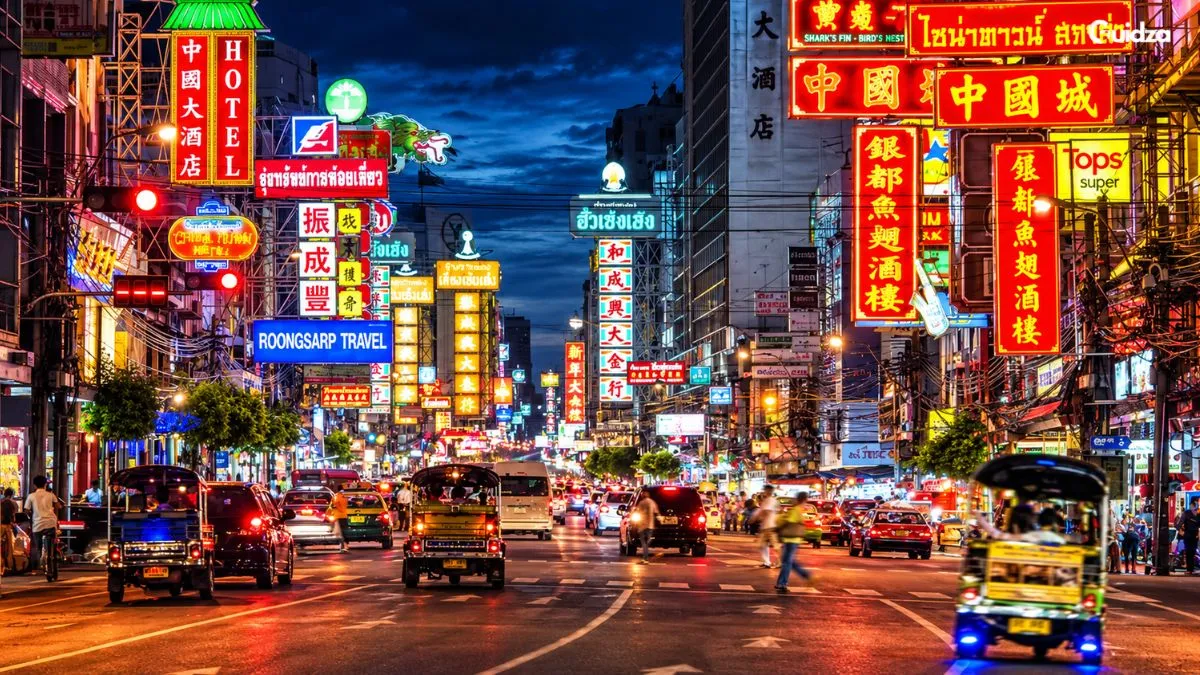
- Chinatown at night: smoke from grills, neon signs, crowded pavements and food stalls where you point and taste your way along the street
- A river boat ride: moving along the water gives a different view of temples and houses, and it is cooler than the road
- Authentic Thai street food: noodles, grilled skewers, fruit and desserts, ideally eaten where locals queue
- Temples early in the day: quieter, cooler and often more atmospheric when monks and worshippers are around
- Local markets: wandering through food, flower and clothing markets, even without buying anything
- Bangkok's skyline: a rooftop or tall viewpoint, ideally around sunset as the lights come on
- Local neighbourhoods: stepping off the main sights into streets, canals and small shops
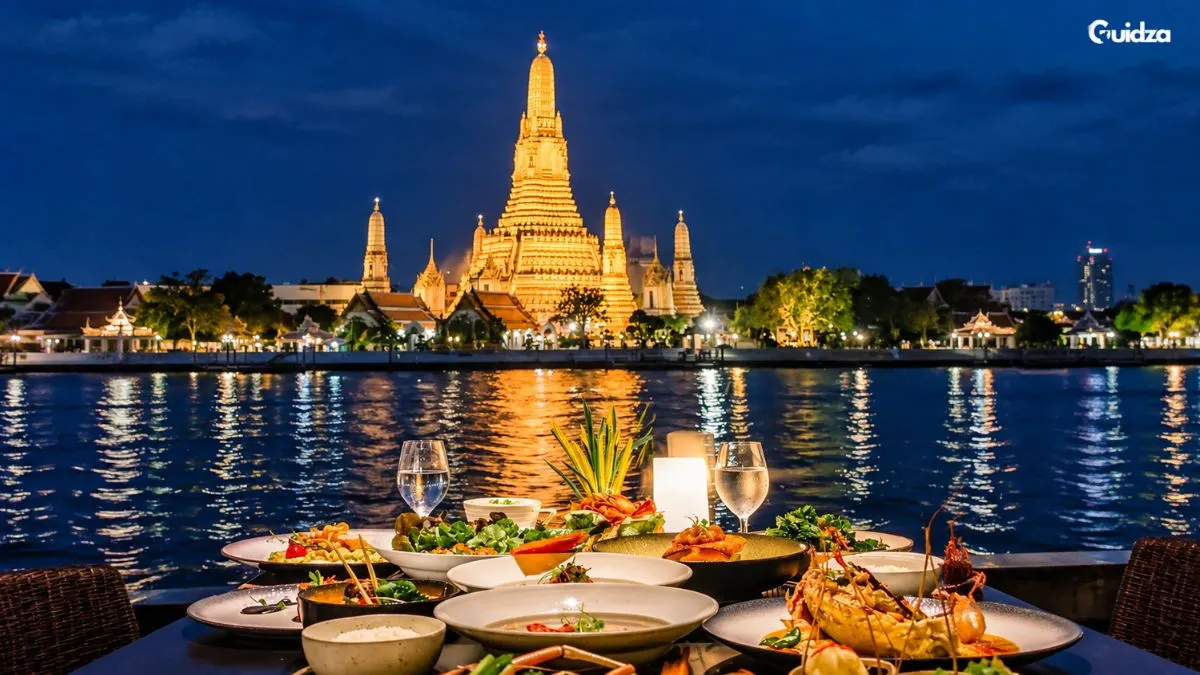
- Bangkok after sunset: the city changes after dark, with night markets, riverside restaurants and lit-up temples
If you have a limited number of days, pick two or three of these and leave the rest. A longer guide to the best experiences in Bangkok can expand on each one.
Bangkok Itinerary
A simple Bangkok itinerary for three days balances history, markets and modern attractions. Treat this as a starting point and adjust based on interests, weather and energy.
Day 1: Historic Bangkok and Temples
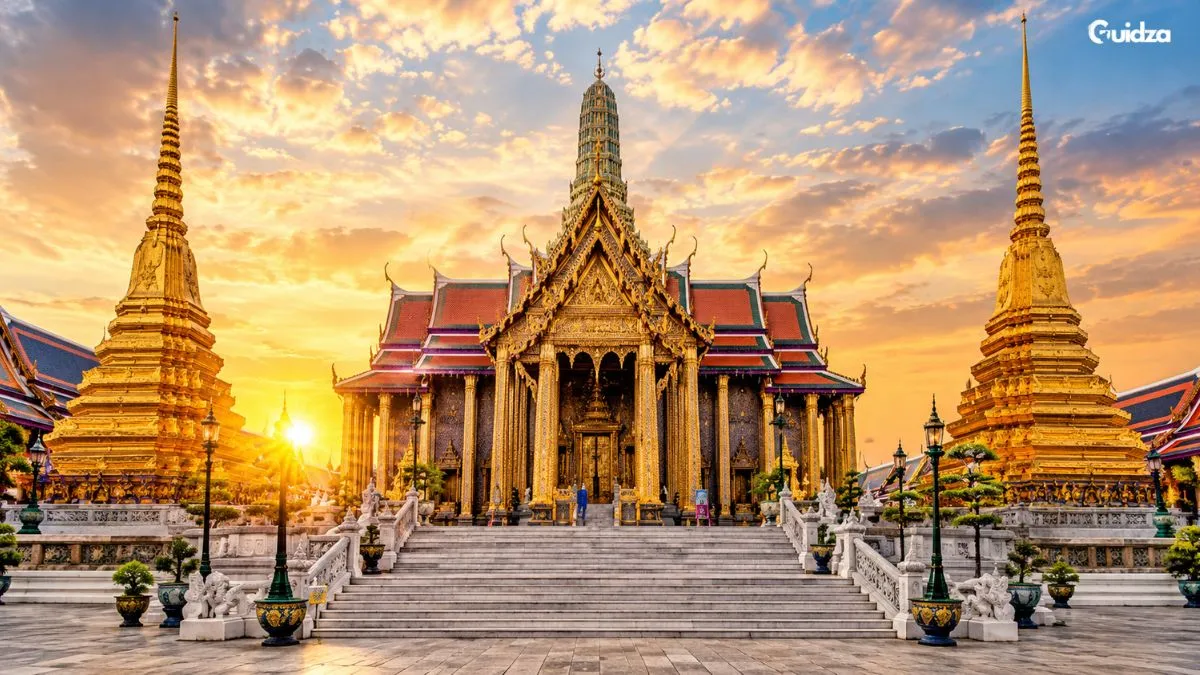
Start early at the Grand Palace, then walk to Wat Pho and take a short ferry across the river to Wat Arun. Stop for lunch near the river and, if you still have energy in the evening, head to Chinatown for dinner.
Day 2: Markets, Shopping and Local Experiences
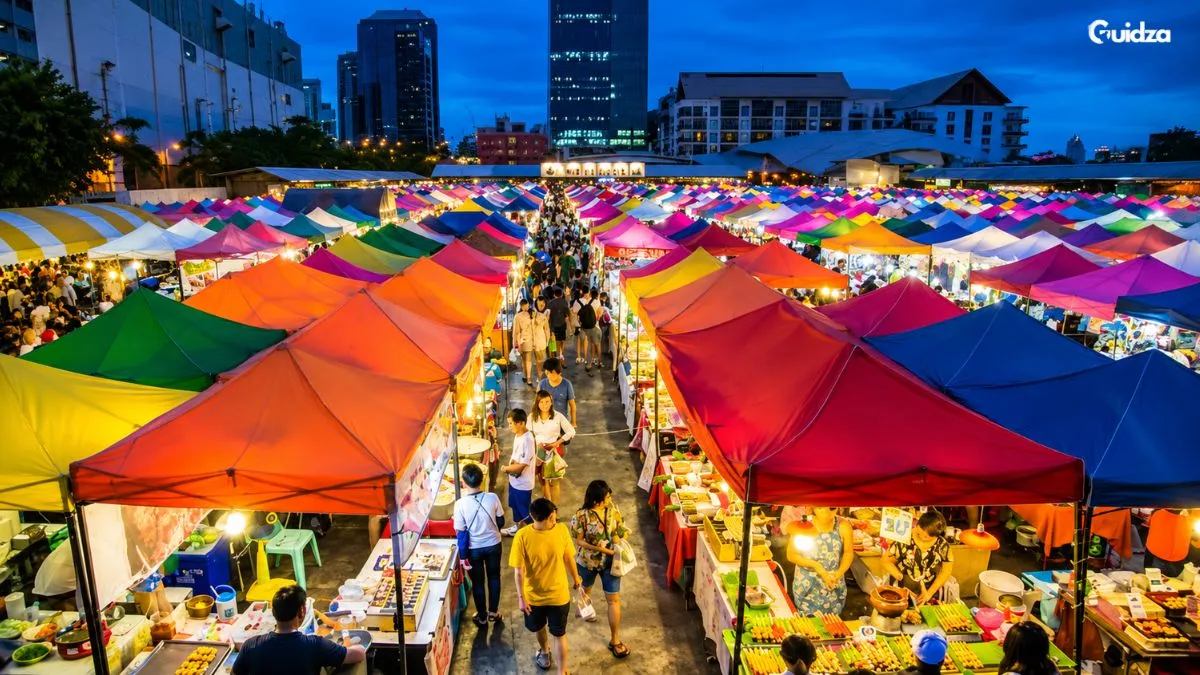
Visit Jim Thompson House in the morning, then explore the Siam shopping area. If it is a weekend, spend the afternoon at Chatuchak instead. Consider a cooking class or a market visit to add something hands-on.
Day 3: Modern Bangkok, Riverside and Evening
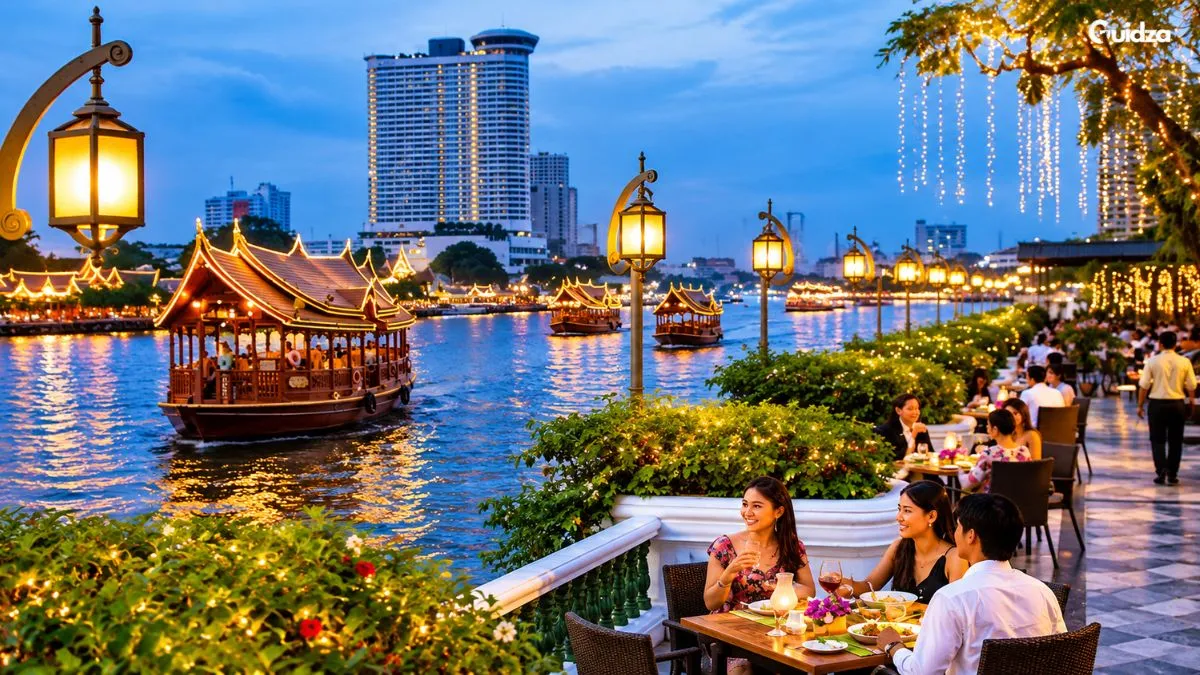
Spend the morning at Lumpini Park or a gallery, then visit ICONSIAM and the riverside. Finish with a river cruise or a rooftop view as the lights come on.
This is a loose outline rather than a full schedule. A dedicated article on a 3-day Bangkok itinerary can cover timings, routes and alternatives in more detail, and a 5-day version can cater to longer stays.
How to Get Around Bangkok
Traffic in Bangkok can be heavy, so the best way to get around is usually to combine options.
- BTS Skytrain: fast, air-conditioned and useful for central areas such as Siam and Sukhumvit
- MRT: the underground metro, handy for Silom, Chinatown and areas the BTS does not reach
- Taxis: convenient for short trips and late evenings, though traffic can slow them; ask for the meter
- Ride-hailing apps: useful for clear, upfront fares and for avoiding language difficulties
- Tuk-tuks: more of an experience than a transport solution; agree on a price first
- River boats: good for reaching riverside temples and avoiding road traffic
- Walking: ideal within neighbourhoods, but heat and humidity make long walks tiring
Plan your day to avoid peak traffic hours where possible, and use rail for longer hops. Services and routes can change, so check current maps and schedules.
Where to Stay in Bangkok
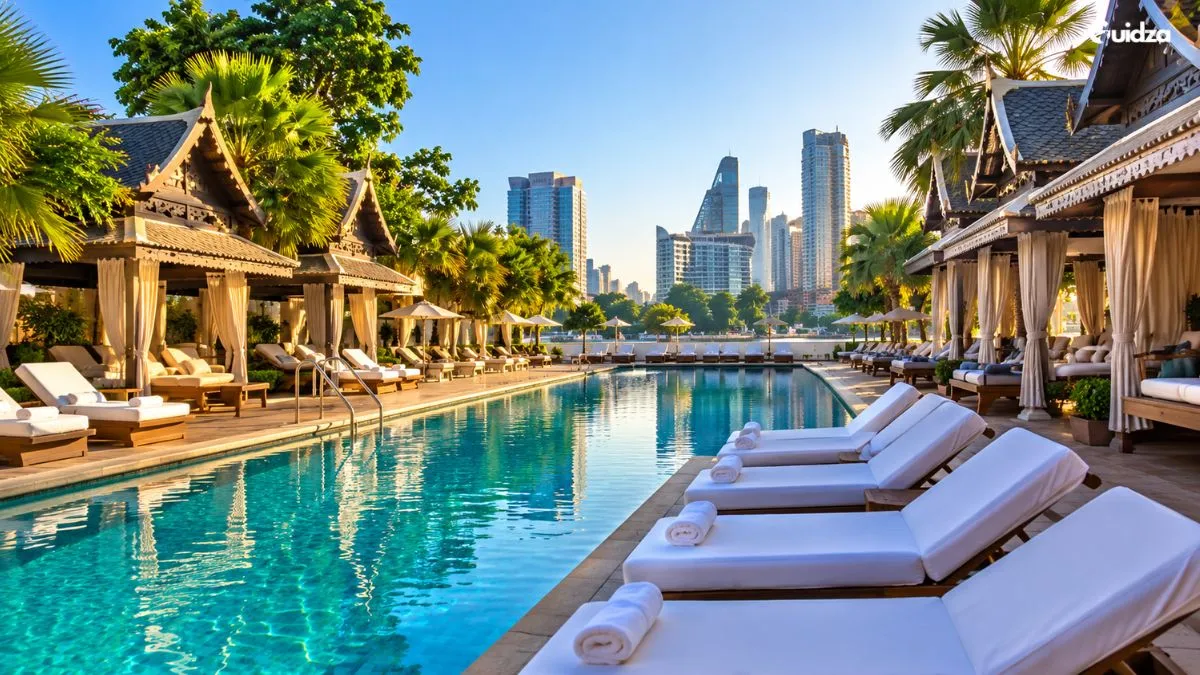
The best base depends on how you plan to spend your time.
- Sukhumvit: modern, well connected by the BTS and full of restaurants and bars, popular with first-time visitors and couples
- Siam: the shopping heart of the city, central and convenient for malls and rail connections, good for families and shoppers
- Riverside: calmer, with river views and easy access to boats, suited to couples and travellers who like a quieter atmosphere
- Silom: a business district with a lively evening scene and good transport links
- Old Town (Rattanakosin): close to the major temples and historic sights, with simpler stays and a more traditional feel
- Chinatown: busy and atmospheric, ideal for food lovers who do not mind crowds and noise
A separate guide on where to stay in Bangkok can cover areas and options in more depth.
Bangkok Food & Local Cuisine
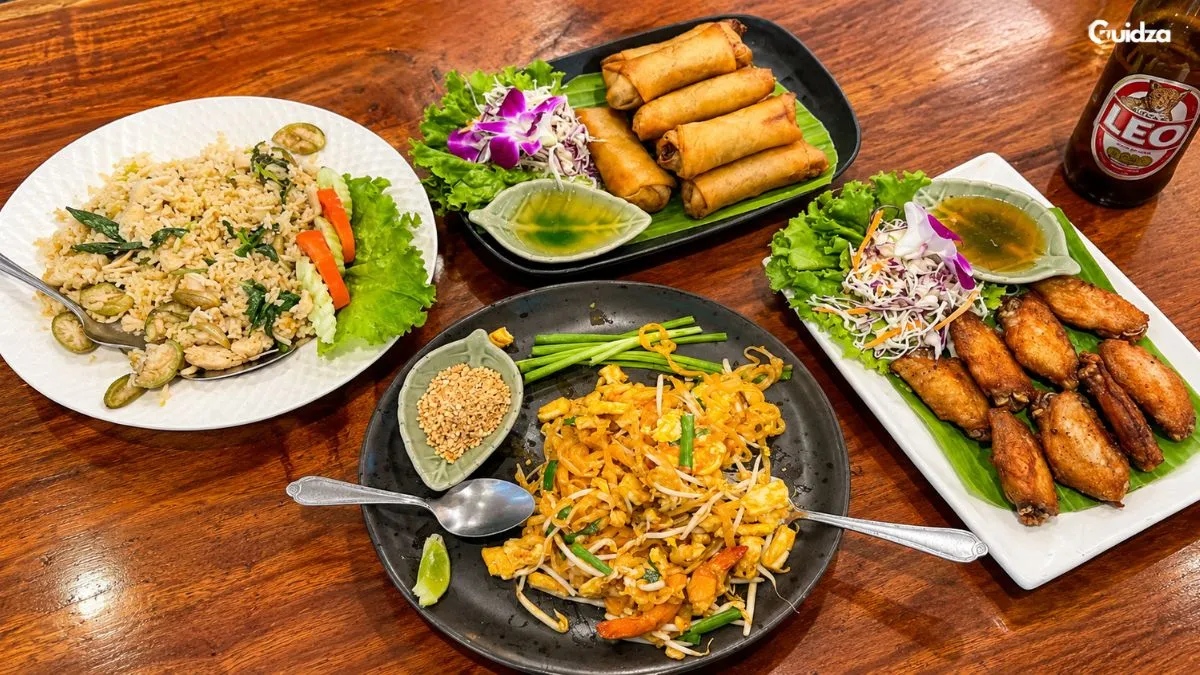
Food is one of the main reasons people visit. Bangkok's cooking blends sweet, sour, salty and spicy flavours, and you can eat well at almost any budget.
- Pad Thai: stir-fried rice noodles, a standard first dish
- Tom Yum: a hot and sour soup, often with prawns
- Mango sticky rice: a classic dessert, best in mango season
- Thai curries: red, green and others, usually eaten with rice
- Khao Man Gai: poached chicken with fragrant rice, a simple local favourite
- Boat noodles: small bowls of rich noodle soup, traditionally eaten in several servings
- Local snacks: grilled skewers, fruit, sweet pancakes and coconut desserts
You can experience Bangkok's food culture at street markets, food streets and local restaurants. Look for busy stalls with a steady turnover, and tell vendors if you want your food less spicy. A dedicated Bangkok street food guide can cover areas, dishes and etiquette in more depth.
Bangkok Shopping
Shopping in the city ranges from stalls to luxury malls.
- Local markets: Pak Khlong Talat (flowers and produce) and neighbourhood markets for everyday goods
- Weekend markets: Chatuchak is the best known and can fill half a day
- Malls: Siam and the area around it have several large malls, and ICONSIAM sits on the river
- Souvenirs: silk, handicrafts, spices, snacks and local textiles
Bargaining is common in markets but not in malls. A separate Bangkok shopping guide can cover specific areas and categories.
Bangkok Nightlife
Bangkok is active after dark, and the evening scene is not limited to bars. It includes:
- Rooftop viewpoints: lounges and observation decks with skyline views
- Night markets: stalls, snacks and live music
- Evening food streets: Chinatown is the best-known example
- Entertainment areas: districts with bars, live music and clubs, particularly around Sukhumvit and Silom
- Riverside evenings: dinner cruises, riverside restaurants and lit-up temples
Choose the style that suits your group, and check venue rules and dress codes ahead of time. A future Bangkok nightlife guide can go deeper into specific areas.
How Many Days Do You Need in Bangkok?
- 2 days: the main historic sights and one evening in Chinatown or on the river, a quick introduction at a fast pace
- 3 days: the main temples, a market or mall day and a day for modern Bangkok and the riverside, which is a comfortable first visit
- 4 to 5 days: a slower pace with time for cooking classes, local neighbourhoods and a day trip to a place such as Ayutthaya or a floating market
A guide to the best day trips from Bangkok can help if you want to extend your stay.
Bangkok Travel Tips
These practical Bangkok travel tips make a trip smoother:
- Clothing at temples: cover shoulders and knees, and wear shoes that are easy to take off
- Weather: it is hot and humid, so drink water regularly, wear light clothing and take breaks in air-conditioned places
- Local transport: combine rail, boats and ride-hailing, and avoid peak traffic hours
- Temple etiquette: speak quietly, remove shoes where required, do not point your feet at Buddha images and dress respectfully
- Valuables: keep bags closed in crowded areas and avoid carrying more than you need
- Cash and cards: cards are common in malls and hotels, but carry cash for street food and markets
- Connectivity: SIM cards and eSIMs are easy to arrange, so compare options before you travel
- Scams: be wary of strangers who say a temple is closed and offer an alternative tour, and agree on tuk-tuk fares before getting in
- Local culture: show respect for religious sites and the royal family, and avoid touching people's heads
- Booking: reserve popular tours, classes and dinner cruises in advance, especially in busy periods
Rules, prices and conditions change, so verify current details before you go.
Bangkok Trip Planning Checklist
- Passport and travel documents: check entry requirements and passport validity
- Accommodation: pick an area that suits your style
- Transport: plan how you will reach the city and get around
- Attractions: shortlist the places that matter most
- Activities: book anything that needs reservations
- Weather: check the forecast and pack accordingly
- Appropriate clothing: light layers plus temple-appropriate outfits
- Connectivity: arrange a SIM or eSIM
- Travel insurance: confirm coverage before you leave
- Local currency and payments: carry some baht and a card
Who Is Bangkok Best For?
- Solo travellers: easy to navigate, social and well served by transport
- Couples: riverside dinners, rooftops and night markets
- Families: malls, parks, boat rides and varied food
- Friends: markets, nightlife and street food
- First-time Thailand visitors: a convenient introduction to the country
- Food lovers: a wide range of dishes at every price level
- Culture lovers: temples, museums and traditions
- Experience seekers: cooking classes, boat rides and local neighbourhood walks
Planning Your Bangkok Adventure
Bangkok is easier to enjoy when you stop trying to see everything. Choose a handful of places, add a couple of experiences that appeal to you personally, whether that is a market, a river ride or a long dinner on a busy street, and leave space for the unplanned moments that often end up being the best.
Planning your Bangkok trip? Explore Guidza to discover tours, activities and travel experiences for your journey.
FAQs About Bangkok
How many days are enough for Bangkok?
Three days covers the main highlights at a comfortable pace. Four or five days lets you slow down or add a day trip.
What are the best places to visit in Bangkok?
The Grand Palace, Wat Pho, Wat Arun, Chinatown and Chatuchak Market are common first choices, along with a river ride.
What are the best things to do in Bangkok?
Visiting temples, eating street food, riding a river boat and exploring a market are good starting points, with rooftop views for the evening.
What is the best time to visit Bangkok?
The cooler, drier months are the most comfortable, but they are also busy. Hot and rainy periods have their own advantages, such as fewer crowds.
Is Bangkok good for first-time travelers?
Yes. It has an extensive transport network, plenty of accommodation choices and English is widely used in tourist areas. The heat, traffic and crowds take some adjustment.
What should I know before visiting Bangkok?
Dress modestly for temples, agree on prices before getting into tuk-tuks, carry some cash and check entry requirements, opening hours and weather before you travel.