
15 Best Things to Do in Georgia for an Unforgettable Journey

Aniket
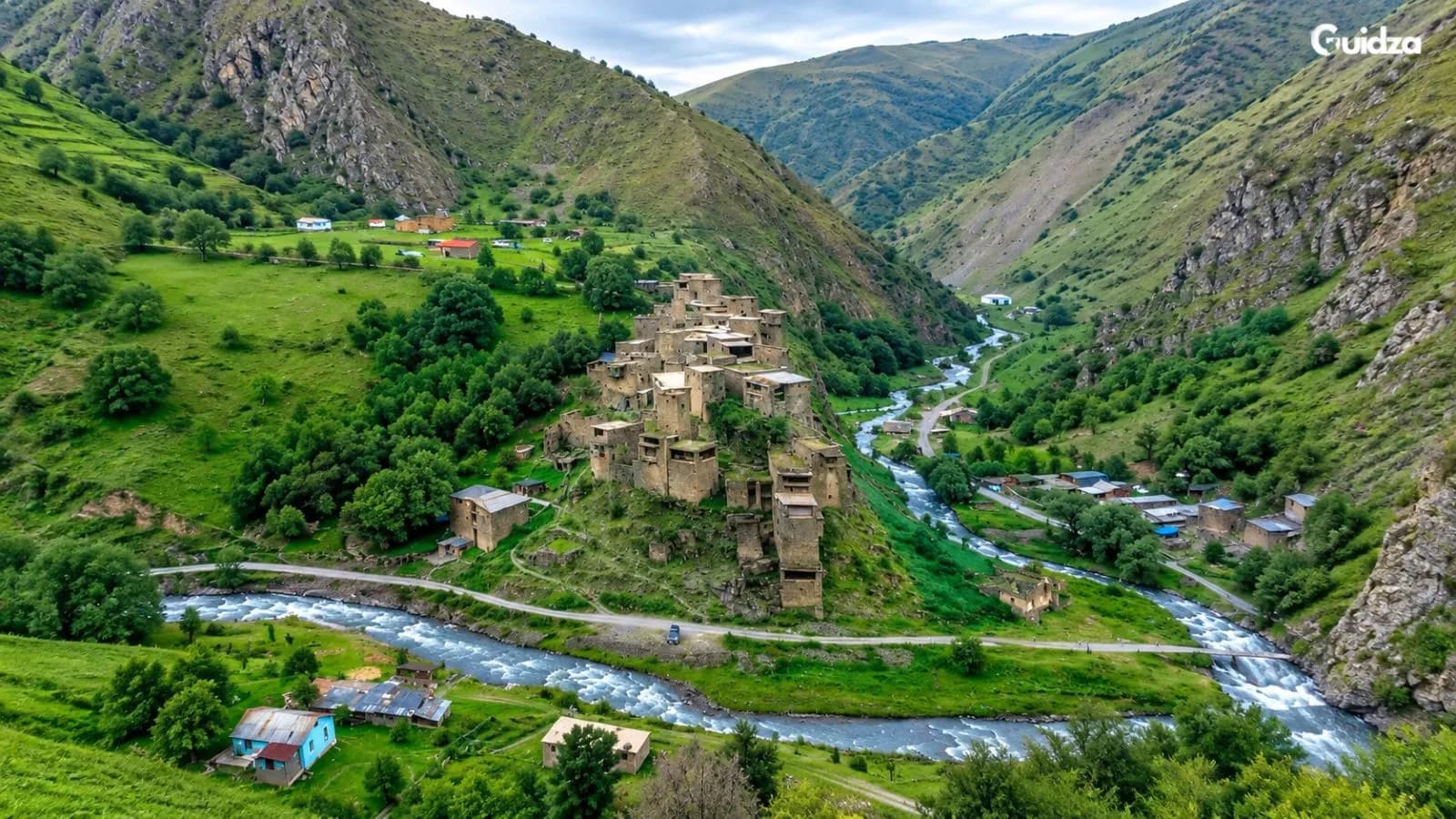
Georgia is a country best experienced by doing: walking old streets, hiking mountain trails, tasting wine in a family cellar, learning to fold a dumpling, skiing a snowy slope or driving a high mountain pass. That variety is what makes the things to do in Georgia so appealing, and also what makes planning hard when everything looks interesting.
This guide is organised by activity rather than by destination. Each of the 15 ideas explains what you actually do, where it is usually done, when it works best and one practical tip. They cover city walks, mountain experiences, adventure sports, winter activities, food, wine, caves, canyons, nature and history, so you can pick the activities that match your interests and build a route around them. For a broader overview of regions, seasons and trip planning, the main Georgia travel guide covers the basics.
1. Join a Walking Tour Through Historic Streets
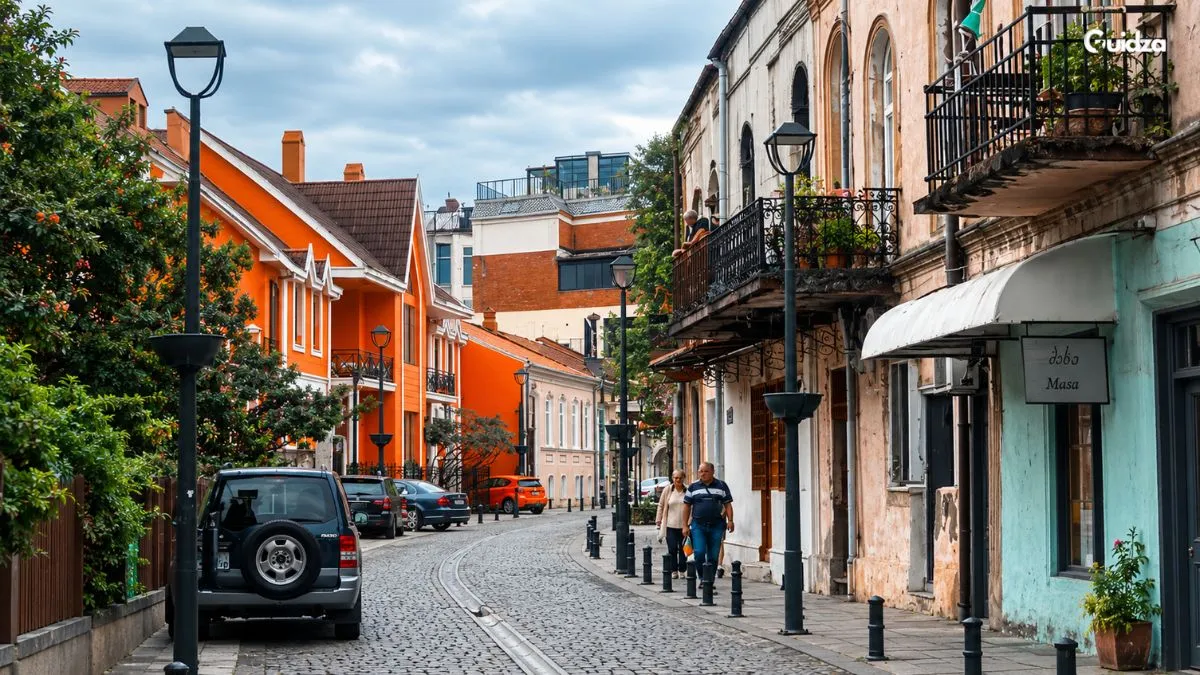
Tbilisi is the easiest place to start. The old quarters are a tangle of steep lanes, carved wooden balconies, hidden courtyards and churches, with a fortress ridge above and the river below. Guided walking tours in Georgia often begin here, linking the old streets, viewpoints, markets and a stop in the Abanotubani district, where the sulphur baths are.
A guide adds context that is easy to miss alone, such as the stories behind the balconies and how different communities shaped the city. Spring and autumn are comfortable for walking, while summer afternoons can be hot, so morning or evening tours are often more pleasant.
Tip: Wear comfortable shoes, since the old streets are cobbled and hilly, and save the baths for after a long day on your feet.
2. Hike Mountain Trails
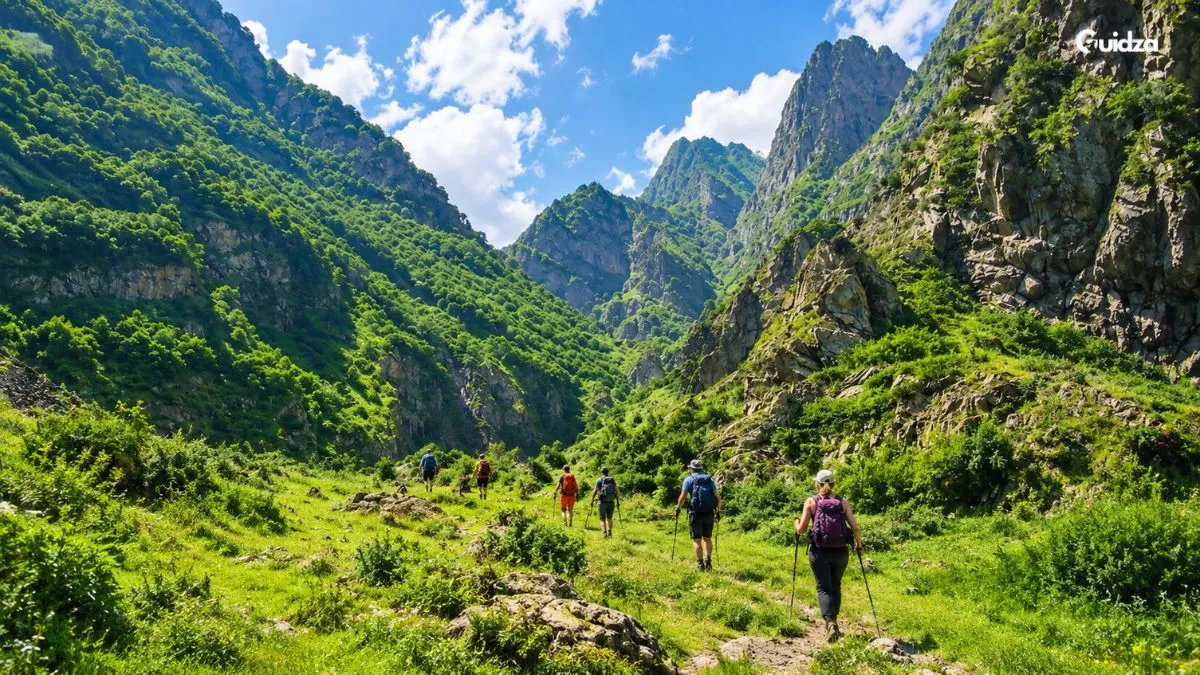
Georgia suits a wide range of walkers, from people who want a gentle village loop to trekkers planning multi-day routes. Hiking in Georgia is centred on the Caucasus: Kazbegi offers day walks with views of the high peaks, Svaneti is known for longer treks between villages and past glaciers, and Gudauri has alpine scenery once the snow clears.
Tusheti, a remote northeastern region, suits travellers who want a quieter trip, though it is generally reachable only in the warmer months. Conditions and difficulty vary a lot by region and season, so the right trail depends on your fitness and the time of year. Summer and early autumn are the main season for higher routes.
Tip: Match the route to your fitness level, and consider a local guide for remote areas where trails are less marked.
3. Head into the Caucasus for Mountain Adventures
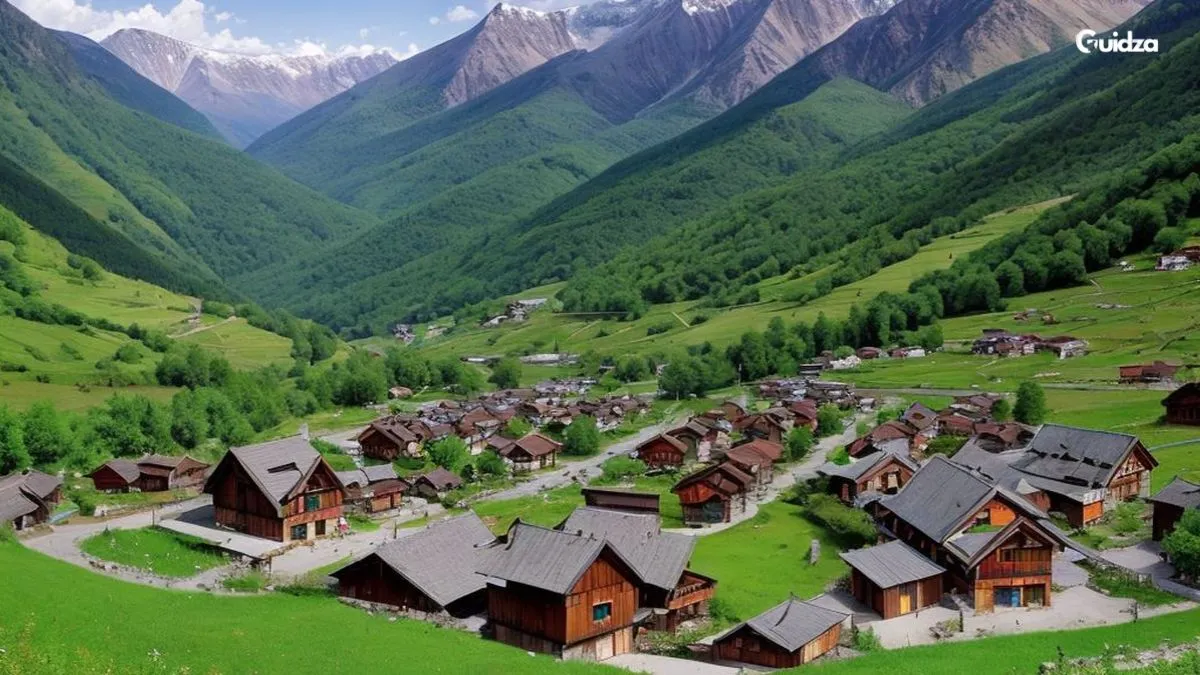
Not every mountain day needs to be a long hike. Mountain adventures in Georgia also include scenic drives over high passes, visits to mountain villages and stops at viewpoints. Kazbegi (officially Stepantsminda) is a good example, and the drive north from Tbilisi along the Georgian Military Highway is part of the experience.
Gergeti Trinity Church, which sits on a ridge above the town with Mount Kazbek behind it, is the best-known stop. You can walk up or go by vehicle, then spend time photographing the scenery or exploring nearby villages. Summer is easiest for access, autumn is crisp and colourful, and winter can affect road conditions.
Tip: Mountain weather changes quickly, so carry a warm layer even on clear days and check road conditions before you go.
4. Go Horse Riding in the Mountains
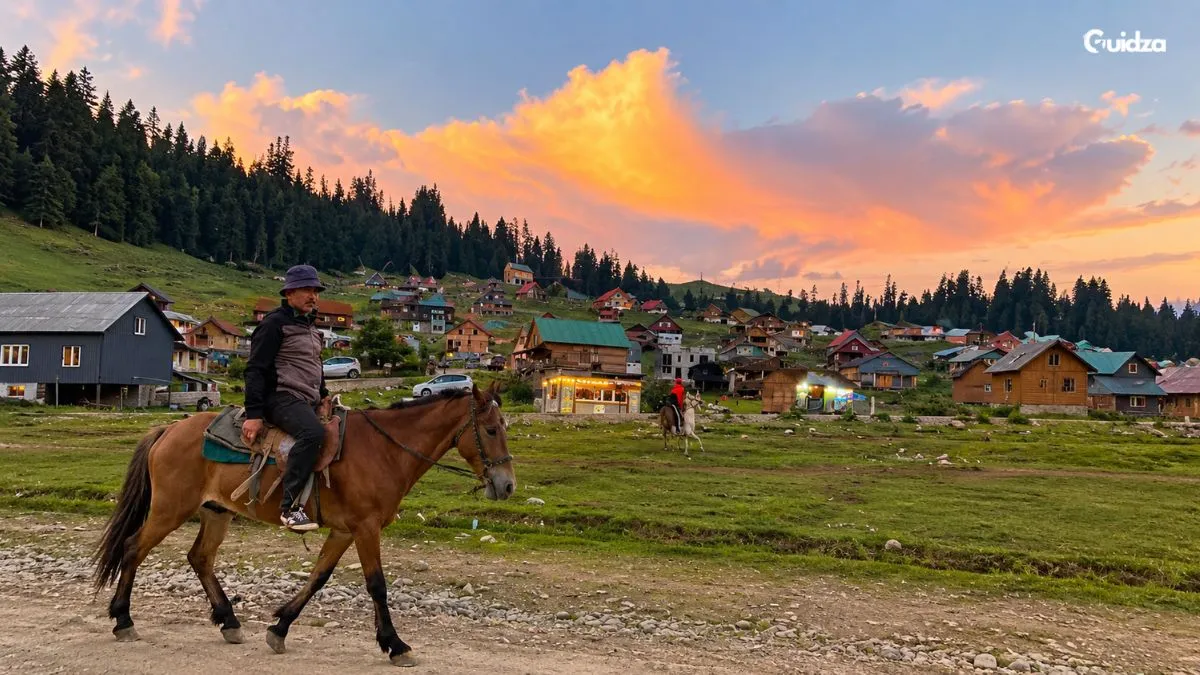
Riding is a traditional way to see mountain scenery at an easier pace than hiking. Horse riding in Georgia is usually organised in highland areas such as Kazbegi, Tusheti and Svaneti, where local guides lead rides along valleys, past villages and toward viewpoints.
Rides range from an hour or two to full days, and some regions offer multi-day treks with overnight stops. The activity suits travellers who want to be outdoors without a long walk, and many operators welcome beginners. Late spring to early autumn is the usual season.
Tip: Tell the operator about your experience level beforehand so they can match you with a suitable horse and route.
5. Go Rafting on Mountain Rivers
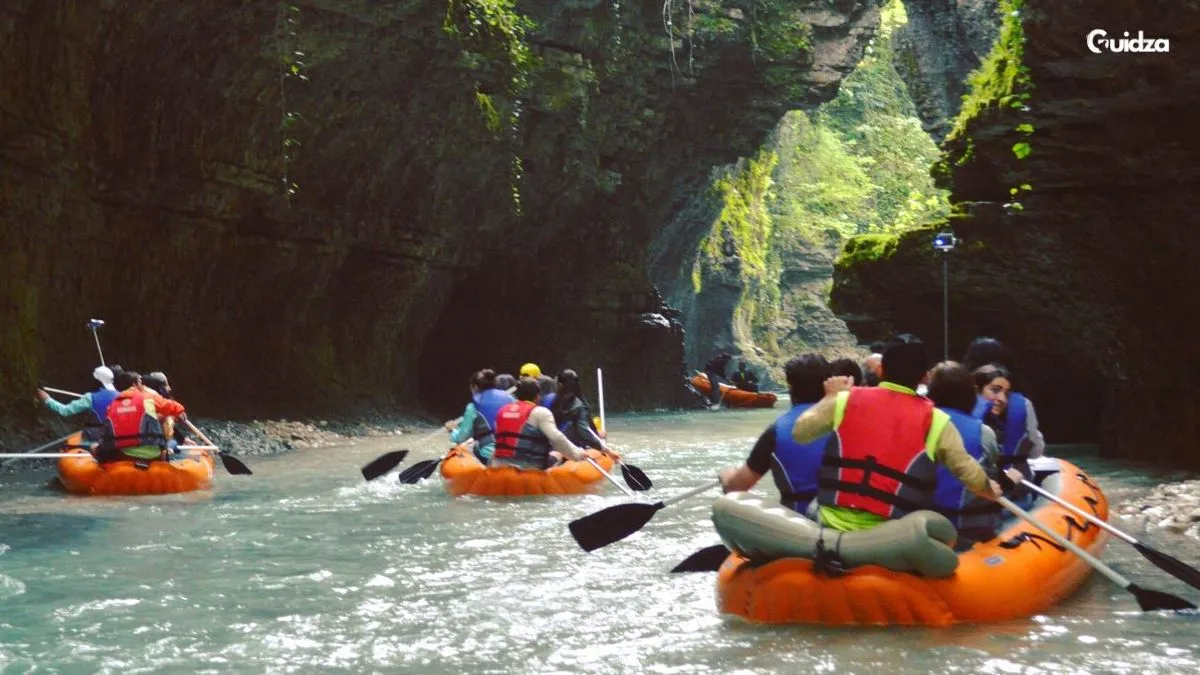
Rivers fed by Caucasus snowmelt make for lively water in the warmer months. Rafting in Georgia is typically offered on rivers such as the Aragvi, with trips that range from relaxed floats to more energetic stretches of whitewater, depending on conditions.
Water levels change through the season, so the experience varies from early summer to autumn. Trips usually include safety gear and a guide, and they pair well with a mountain or countryside day.
Tip: Confirm the difficulty level and what is included, and bring clothes that dry quickly.
6. Try Paragliding Over the Mountains
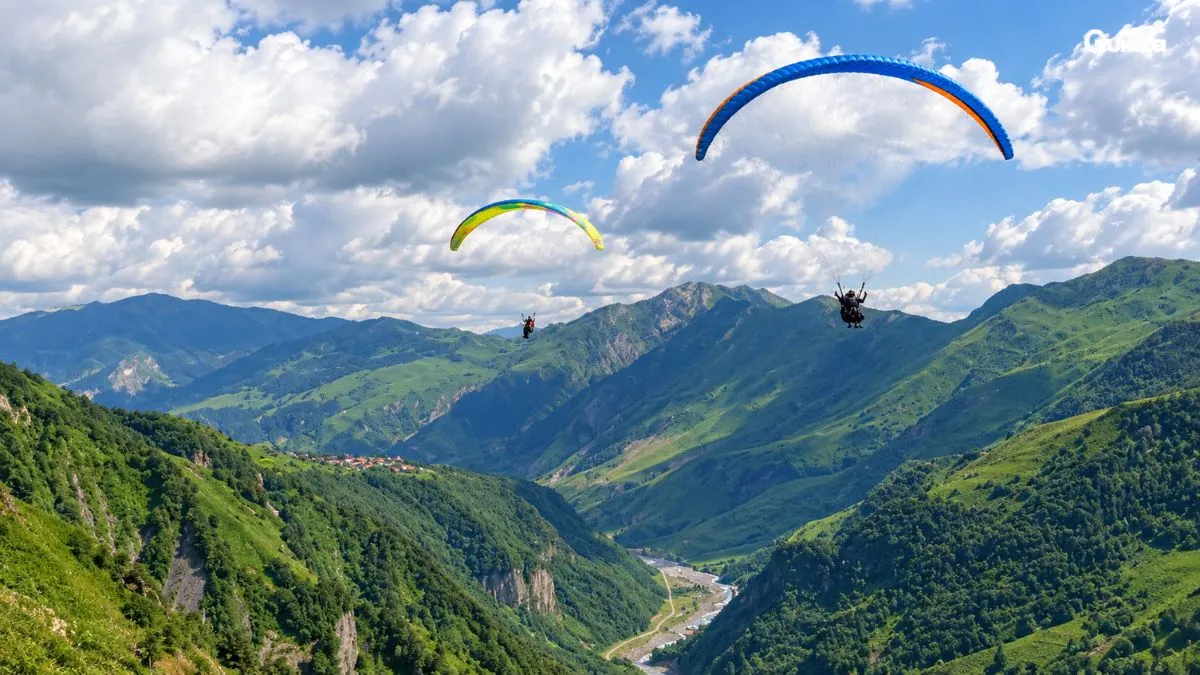
For a very different view of the Caucasus, try a tandem flight. Paragliding in Georgia is well known around Gudauri, where pilots take off from mountain slopes and glide over alpine valleys, with views that are hard to match from the ground.
Flights depend on weather and wind, so schedules can change on the day. The season for flying generally runs outside the main snow months, though conditions vary. It is best treated as a flexible part of a mountain trip rather than a fixed appointment.
Tip: Leave a spare day in your plan in case wind or cloud postpones the flight.
7. Ski or Snowboard at a Mountain Resort
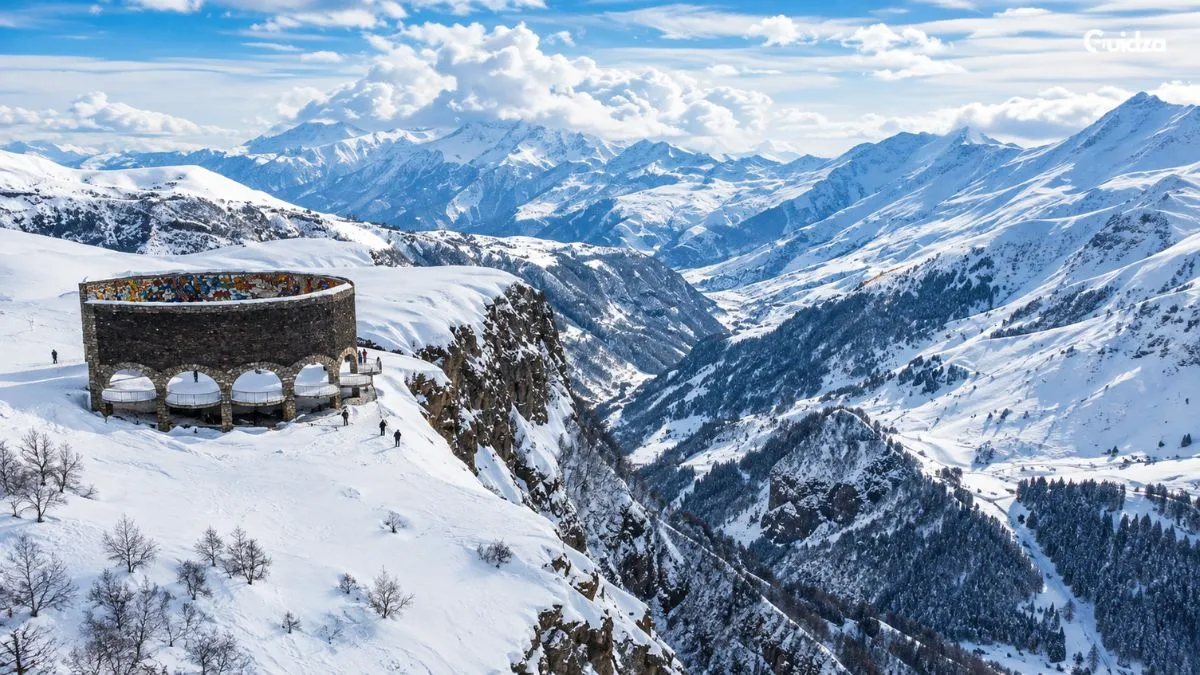
Snow changes the country. Skiing in Georgia is concentrated at Gudauri, the best-known resort, and Bakuriani, with snowboarding, sledding, snow walks and winter photography available alongside. Snow-covered villages and passes look very different from summer.
Cities remain active in winter too, with cafés, wine bars and sulphur baths especially appealing on a cold day. Winter is not automatically the best season for everyone, though. Mountain roads can slow down or close, some high areas become hard to reach and daylight is shorter.
Tip: Leave a buffer day around mountain transfers in case of weather delays.
8. Join a Wine Tasting at a Family Cellar
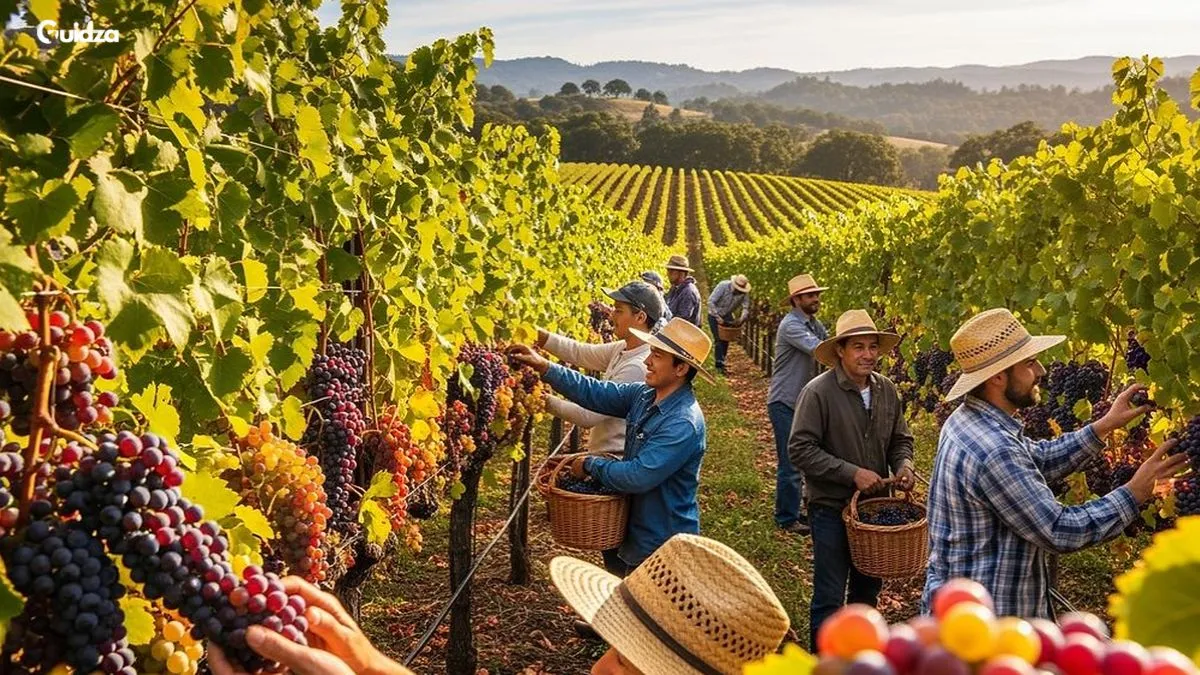
Georgia is often described as one of the world's oldest wine-making countries, and the best way to understand why is to visit a cellar. Wine tasting in Georgia usually means touring a winery or family cellar, seeing how the wine is made, walking through vineyards and sampling several wines, often alongside food.
Kakheti, in the east, is the heart of the tradition. Visits often introduce the qvevri method, in which wine ferments in buried clay vessels. It can be done as a day trip from Tbilisi or as an overnight stay, and autumn harvest season is especially atmospheric.
Tip: Arrange a driver or tour in advance so nobody has to drive after tastings.
9. Eat Your Way Through a Food Tour

Meals in Georgia are social and unhurried, with plenty of shared plates, bread, herbs, walnuts and cheese. A Georgian food tour turns that into an activity, typically moving between markets, bakeries and small restaurants to sample several dishes with a guide explaining each. A few are worth seeking out:
- Khachapuri: cheese-filled bread, with regional styles such as the boat-shaped Adjarian version
- Khinkali: large dumplings with meat or cheese, traditionally eaten by hand
- Mtsvadi: skewered meat grilled over fire
- Lobio: a hearty bean stew, often served with cornbread
- Churchkhela: a candle-shaped sweet made from nuts and grape juice
Specific restaurant recommendations are left out here because quality and opening hours change, but asking your host or guide is usually a good approach. If you are invited to a supra, the long communal meal with toasts, it is a chance to see Georgian hospitality up close.
Tip: Order several dishes to share rather than one each; it is the usual way to eat.
10. Take a Georgian Cooking Class
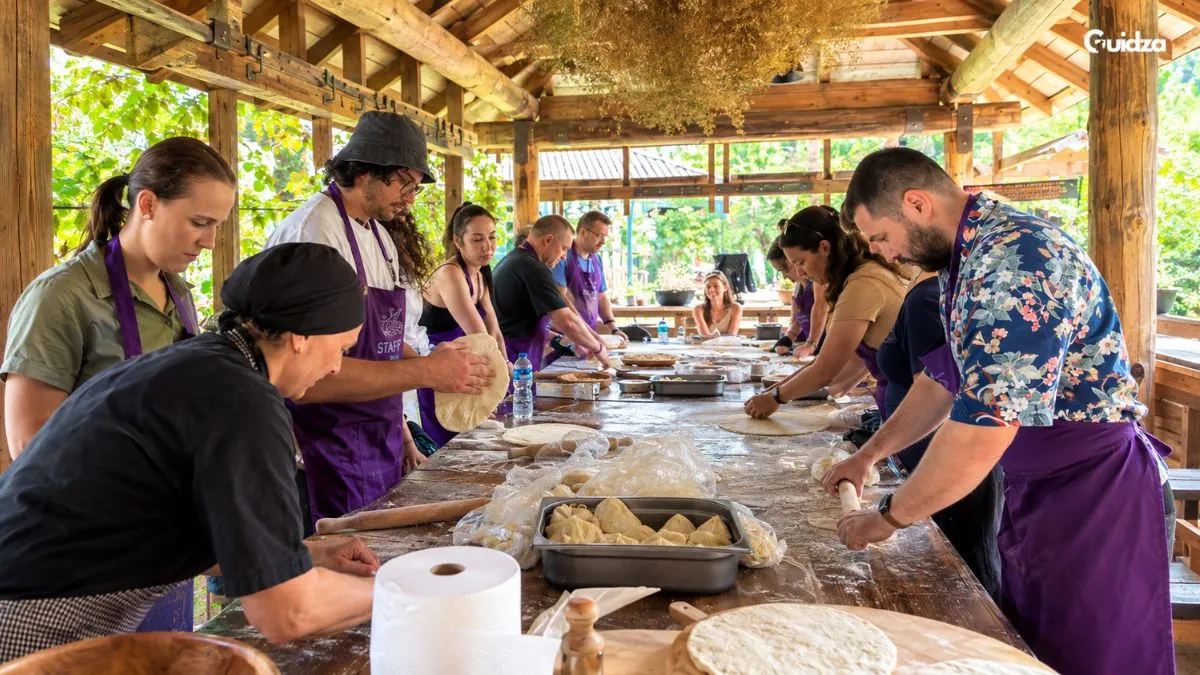
A cooking class turns eating into something hands-on. A Georgia cooking experience typically involves learning to shape and fold khinkali, bake khachapuri or prepare regional dishes with local ingredients, followed by a shared meal.
Classes are available in the capital and in many guesthouses and wine regions, so they fit easily into a city stay or a countryside stop. They suit couples, families and food-focused travellers, and they work in any season.
Tip: If you need vegetarian options, ask in advance; Georgian cuisine has many meat-free dishes.
11. Descend into Caves
Western Georgia has several accessible caves, and visiting one is an easy way to add variety to a sightseeing trip. Cave tours in Georgia usually follow marked paths through large chambers with rock formations, and some caves include walkways or short boat sections.
Caves stay cool year-round, so they are a good option on a hot summer day or when the weather is poor. Most are close to Kutaisi, which makes them easy to combine with a canyon or monastery on the same day.
Tip: Bring a light jacket and shoes with grip, since paths can be damp.
12. Walk Canyon Paths and Gorge Viewpoints
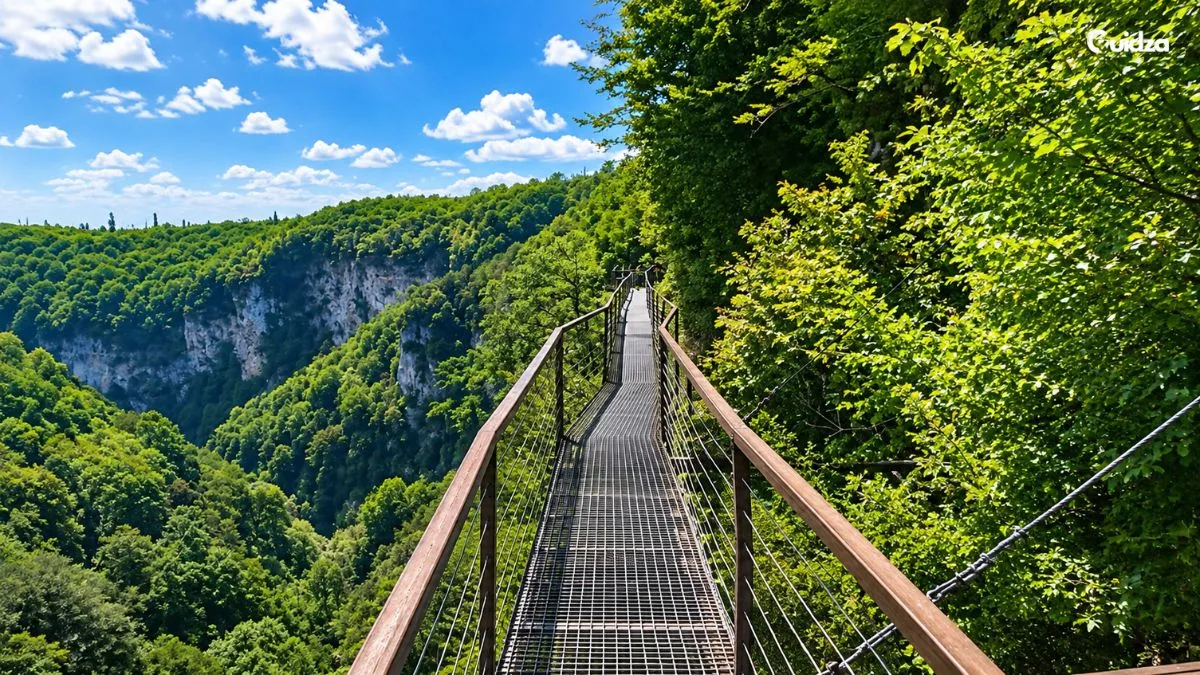
Canyons are another highlight of the west. Canyon tours in Georgia typically combine a walk along a path or viewing platform above a gorge with waterfalls, forest and river scenery, and some include a short boat ride or a longer trail.
Spring and early autumn are comfortable, while heavy rain can make paths slippery and affect access. Many canyon visits can be done as day trips from Kutaisi, often paired with a cave stop.
Tip: Check conditions after heavy rain, and wear sturdy shoes for wet surfaces.
13. Take a Scenic Road Trip
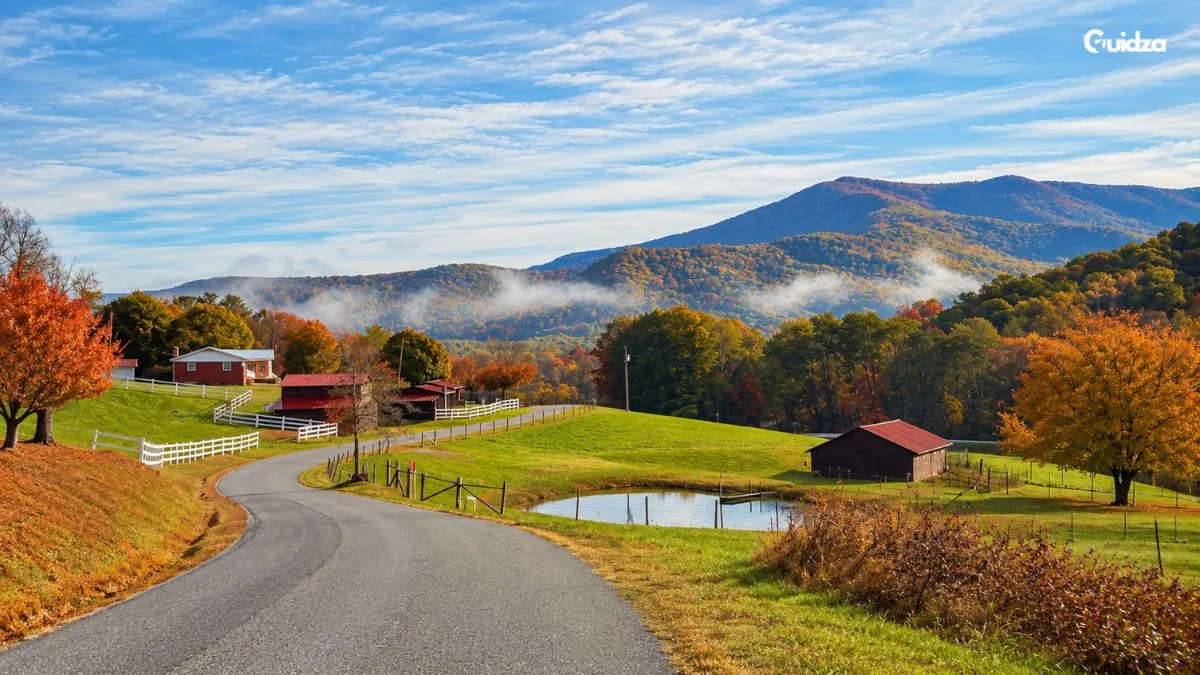
Driving is an activity in its own right here. A Georgia road trip can follow mountain roads that climb through passes, countryside routes through vineyards and villages, or the road between Tbilisi and the Black Sea, with stops along the way often mattering as much as the destination.
You can hire a driver for stress-free sightseeing or rent a car for flexibility. Summer and autumn offer the most reliable conditions, while winter driving in the mountains needs extra care.
Tip: Start early, leave time for roadside stops and take extra care on mountain roads, particularly outside summer.
14. Spend Time in Georgia's Natural Landscapes
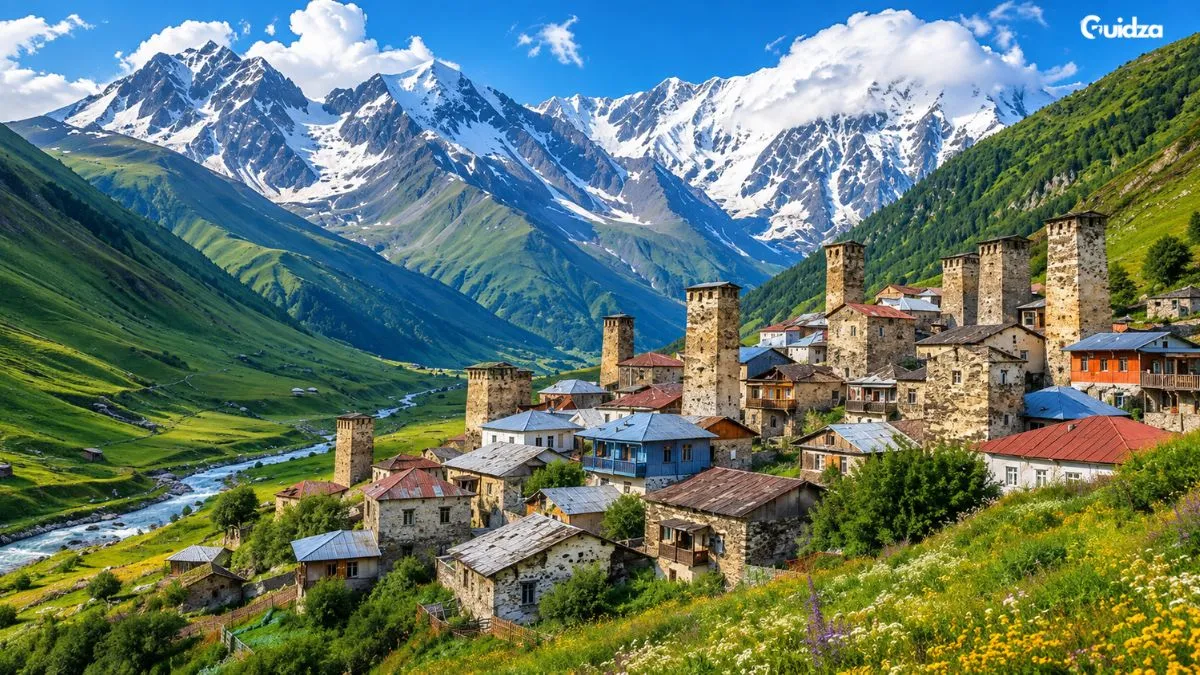
Beyond the high mountains, there is plenty of gentler scenery. Nature experiences in Georgia include forest walks in the national park around Borjomi, waterside time on the Black Sea coast near Batumi, and visits to the botanical garden above the shore.
These activities work well for families, older travellers or anyone who wants a slower day between more energetic plans. Spring brings green landscapes, summer suits the coast, and autumn colour is a highlight inland.
Tip: Mix a nature day between busier city or adventure days to keep the pace comfortable.
15. Visit Monasteries, Cave Towns and Fortresses
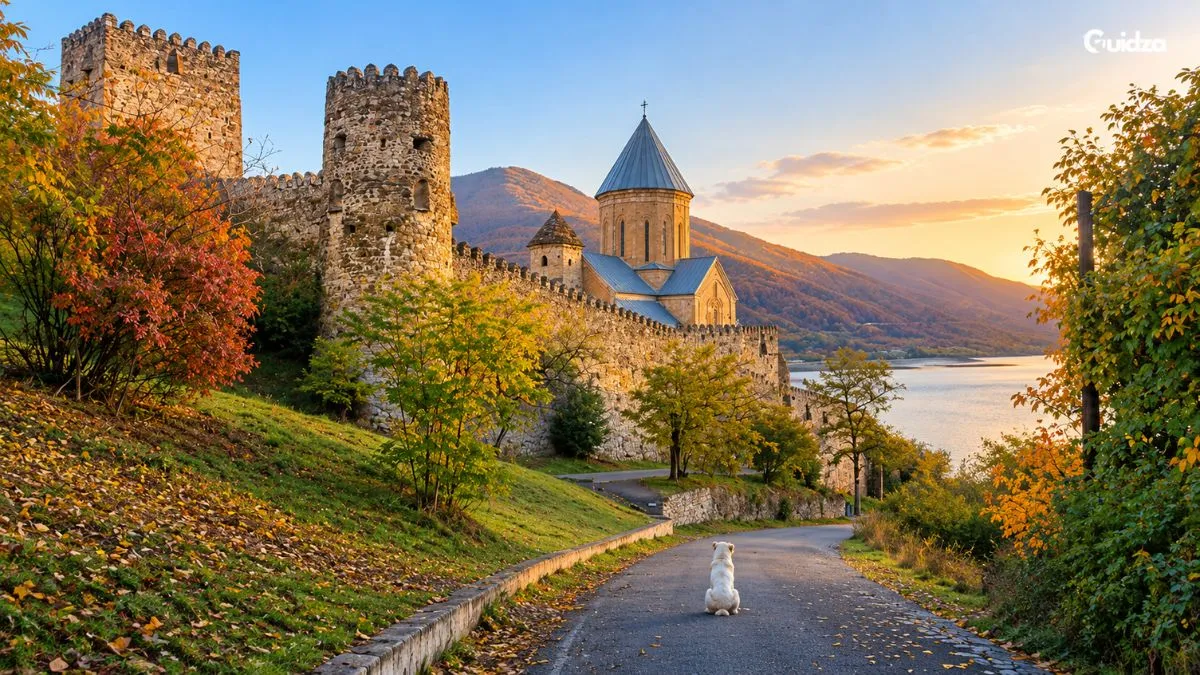
Georgia's religious and military architecture is spread across the country, and many sites sit in dramatic settings. Near Tbilisi, Mtskheta combines Svetitskhoveli Cathedral and Jvari Monastery, both important examples of Georgian Christian architecture.
Further afield are Uplistsikhe, a rock-hewn town in the east; Ananuri, a fortress beside a reservoir on the Military Highway; Vardzia, a cave monastery in the south; and Gelati Monastery near Kutaisi. Several can be combined with other activities on a day trip.
Tip: Dress modestly, covering shoulders and knees, when entering churches, and wear sturdy shoes for uneven stone steps.
Tips for Choosing the Right Georgia Activities
With so many options, a few questions help narrow things down:
- Season: Mountain activities are mainly a summer and early-autumn choice, wine tastings peak at harvest in autumn and snow sports belong to winter.
- Trip length: Short trips suit city walks plus one day trip, while longer stays leave room for remote regions.
- Interests: Choose activities you will enjoy rather than trying to do everything.
- Fitness level: Check the difficulty of any hike or outdoor activity before committing.
- Location: Group activities by region to reduce travel time.
- Travel style: Independent travellers may enjoy self-guided routes, while guided tours simplify transport and logistics.
As a rough guide: adventure lovers may enjoy rafting, paragliding and mountain activities; food lovers will like cooking classes and market visits; couples often enjoy wine, scenic drives and cultural stops; and nature lovers will find mountains, caves and canyons the most rewarding.
FAQs About Things to Do in Georgia
What are the best things to do in Georgia for first-time visitors?
A good first trip mixes a few kinds of activity: a walking tour of the capital, a mountain day in the north, a wine day in the east and a shared Georgian meal. That combination covers city life, nature, food and culture without too many long transfers.
What are the best adventure activities in Georgia?
Popular options include rafting, paragliding, horse riding, hiking and, in winter, skiing. What is available depends on the destination and season, so check what is running on your travel dates.
Where can I find the best hiking experiences in Georgia?
Kazbegi is popular for day walks with strong mountain views and easy access from Tbilisi. Svaneti is better for longer treks and village-to-village routes, and takes more time to reach. Conditions vary by season, so plan around the weather.
What are the best food and wine experiences in Georgia?
Try classic dishes such as khachapuri and khinkali, join a guided food outing or take a cooking class. For wine, Kakheti is the main region, with family cellars, vineyard visits and tastings that often include a meal.
What can I do in Georgia during winter?
Snow sports are the main draw, with snow walks and mountain scenery alongside. In cities you can enjoy cafés, wine bars, sulphur baths and indoor cultural activities. Mountain travel may take longer in winter, so leave buffer time.